


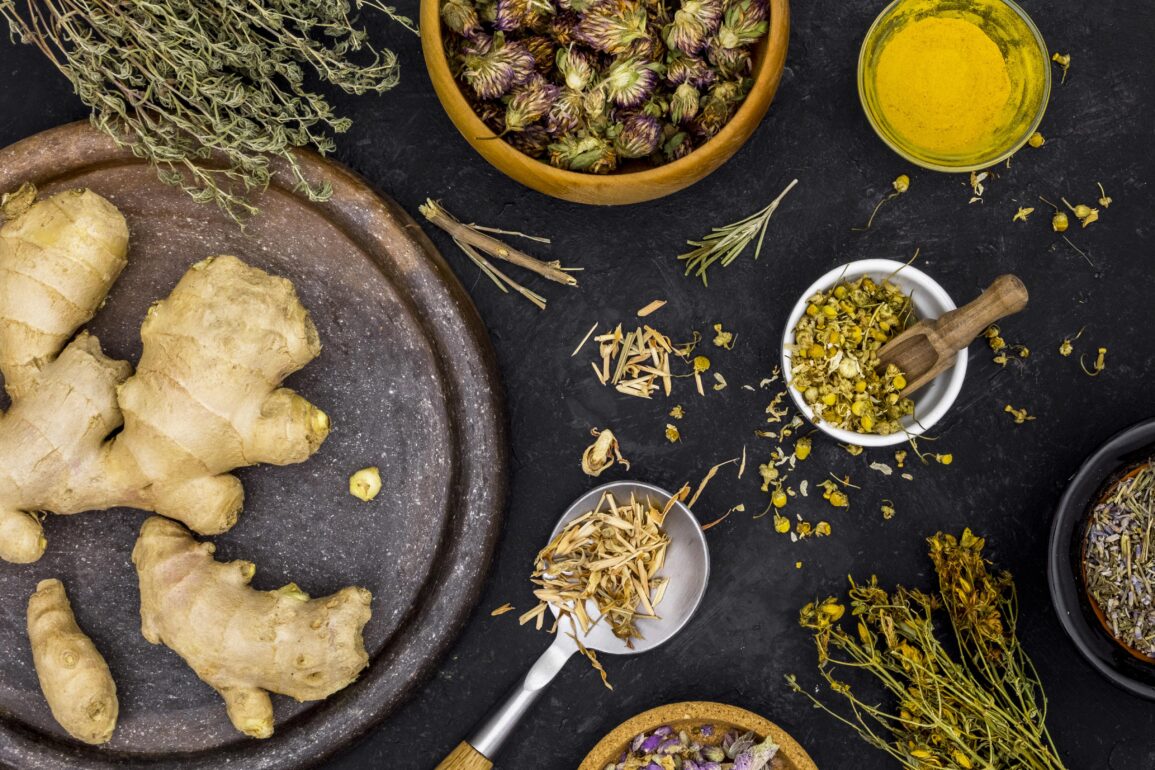
Introduction to Ayurvedic Herbs for Anxiety
In our fast-paced, modern world, anxiety has become a prevalent concern affecting millions globally. While conventional treatments exist, many individuals seek holistic, natural approaches to mental wellness. This is where Ayurvedic Herbs for Anxiety offer a time-tested, comprehensive system for restoring balance to mind and body. Ayurveda, the 5,000-year-old “science of life” from India, provides a unique perspective on anxiety, viewing it not merely as a psychological condition but as an imbalance in the body’s fundamental energies, or doshas.
This practical, evidence-informed guide will explore how Ayurvedic Herbs for Anxiety can be integrated into contemporary life. We will examine the ancient wisdom behind these remedies while reviewing modern scientific research that validates their efficacy. The careful use of Ayurvedic Herbs for Anxiety represents a bridge between traditional healing and evidence-based practice, offering natural solutions that address the root causes of anxious feelings rather than merely suppressing symptoms.
Understanding Anxiety Through the Ayurvedic Lens
The Ayurvedic Concept of Mind and Mental Health
Ayurveda categorizes the mind according to the three gunas: Sattva (clarity, harmony), Rajas (activity, agitation), and Tamas (inertia, dullness). Anxiety is primarily associated with an excess of Rajas—a state of overstimulation, worry, and constant mental movement. The ultimate goal of Ayurvedic treatment, including the use of Ayurvedic Herbs for Anxiety, is to cultivate Sattva, promoting peace, clarity, and resilience.
Doshic Imbalances and Anxiety
According to Ayurveda, anxiety manifests differently depending on which of the three doshas (Vata, Pitta, or Kapha) is disturbed. Ayurvedic Herbs for Anxiety are specifically chosen to pacify the aggravated dosha.
- Vata-Type Anxiety: Characterized by fear, uncertainty, racing thoughts, insomnia, and physical restlessness. It is often triggered by irregular routine, overstimulation, and fear.
- Pitta-Type Anxiety: Manifests as frustration, anger, perfectionism, and critical thinking. It often stems from intense ambition, time pressure, and feelings of being judged.
- Kapha-Type Anxiety: Appears as lethargic worry, attachment, sadness, and a sense of being stuck or overwhelmed. It is linked to inertia, lack of stimulation, and excessive sleep.
Understanding your predominant doshic imbalance is crucial for selecting the most effective Ayurvedic Herbs for Anxiety. A personalized approach is a cornerstone of Ayurvedic practice.
The Scientific Framework: How Evidence Informs the Use of Ayurvedic Herbs for Anxiety
Bridging Tradition and Modern Research
While ancient texts provide a robust framework, modern science offers validation through phytochemistry and clinical studies. Research on Ayurvedic Herbs for Anxiety often focuses on their mechanisms of action, such as:
- GABA Modulation: Many herbs influence gamma-aminobutyric acid (GABA), the brain’s primary inhibitory neurotransmitter, promoting relaxation.
- Adaptogenic Effects: Several herbs help the body adapt to stress by regulating the hypothalamic-pituitary-adrenal (HPA) axis and cortisol levels.
- Antioxidant and Neuroprotective Activity: Reducing oxidative stress in the brain can improve neuronal communication and resilience.
- Anti-inflammatory Action: Chronic inflammation is increasingly linked to mood disorders, and many herbs possess potent anti-inflammatory properties.
This evidence-informed perspective allows us to confidently recommend Ayurvedic Herbs for Anxiety as part of an integrative wellness plan.
Top Evidence-Informed Ayurvedic Herbs for Anxiety
1. Ashwagandha (Withania somnifera): The premier adaptogen for stress resilience
Ashwagandha, often called “Indian ginseng,” is arguably the most renowned of all Ayurvedic Herbs for Anxiety. Its name translates to “smell of the horse,” indicating its traditional use for imparting strength and vitality.
- Evidence-Informed Benefits: Numerous studies confirm ashwagandha’s ability to significantly reduce stress and anxiety scores. It is a potent adaptogen, normalizing cortisol levels and improving the body’s resilience to physical and psychological stressors.
- Best For: Vata and Kapha-type anxiety. It is excellent for burnout, exhaustion, worry, and anxiety related to uncertainty.
- Practical Use: Typically taken as a powder (mixed with warm milk or water) or in capsule form. A common dose is 300-600 mg of a standardized extract daily.
- Considerations: May be too heating for pure Pitta types. Generally safe, but consult a practitioner if pregnant, breastfeeding, or on thyroid/immunosuppressant medications.
2. Brahmi (Bacopa monnieri): The quintessential brain tonic for calming the mind
Brahmi is celebrated in Ayurveda as a premier “Medhya Rasayana” – a herb that rejuvenates the mind and intellect. When discussing Ayurvedic Herbs for Anxiety that enhance cognitive function while soothing the nerves, Brahmi is indispensable.
- Evidence-Informed Benefits: Clinical trials demonstrate Brahmi’s efficacy in reducing anxiety, improving memory, and enhancing cognitive processing. It works by modulating neurotransmitters like serotonin, GABA, and acetylcholine.
- Best For: Vata-type anxiety, especially with racing thoughts, mental fatigue, and attention deficits. Also useful for Pitta-type anxiety linked to over-analysis.
- Practical Use: Often taken as a powder, in capsules, or as Brahmi Ghrita (medicated ghee). The typical dose is 300-450 mg daily of a standardized extract.
- Considerations: Can be slightly heavy for Kapha. May cause mild gastrointestinal upset in some individuals; taking it with food can help.
3. Jatamansi (Nardostachys jatamansi): The natural sedative for sleep and tranquility
Jatamansi is a highly prized herb for calming an overactive nervous system. Among Ayurvedic Herbs for Anxiety, it is particularly noted for its gentle sedative and grounding properties.
- Evidence-Informed Benefits: Research highlights Jatamansi’s ability to increase brain levels of GABA and serotonin, producing significant anti-anxiety and antidepressant effects. It is also a powerful antioxidant for the brain.
- Best For: Predominantly Vata-type anxiety with severe insomnia, palpitations, and restlessness. Excellent for calming a “monkey mind.”
- Practical Use: Available as powder, capsules, or as part of medicated oils for head massage (Shirodhara). Dosage is typically 500-1000 mg of the powder daily.
- Considerations: Due to sustainability concerns, ensure your source is ethically cultivated. It is generally safe and non-habit forming.
4. Tulsi (Ocimum sanctum): The holy basil for harmonious resilience
Tulsi, or Holy Basil, is revered in India as a sacred plant. In the context of Ayurvedic Herbs for Anxiety, it is considered a “destroyer of distress” (a Vishaghan), promoting a sense of spiritual and mental well-being.
- Evidence-Informed Benefits: Studies classify Tulsi as an adaptogen with anti-anxiety, antidepressant, and stress-lowering properties. It helps normalize cortisol, blood sugar, and blood pressure—all of which can be disrupted by chronic anxiety.
- Best For: All three doshas, but particularly effective for Pitta and Kapha types. Ideal for anxiety mixed with irritability, low mood, or metabolic concerns.
- Practical Use: Fresh or dried leaves can be brewed into a soothing tea. Also available in tincture and capsule forms. 1-2 cups of tea daily or 300-600 mg in extract form is common.
- Considerations: Very safe for daily use. May have mild blood-thinning effects; use caution prior to surgery.
5. Shankhpushpi (Convolvulus pluricaulis): The mind-clarifying vine for nervous exhaustion
Shankhpushpi is a classic Ayurvedic nerve tonic used to strengthen the mind and nervous system. Its name refers to the conch shell shape of its flowers, symbolizing the clarity it brings to thought.
- Evidence-Informed Benefits: Research supports its use in reducing anxiety and improving memory. It exhibits neuroprotective, antioxidant, and acetylcholine-enhancing activities, which help calm and focus the mind.
- Best For: Vata and Pitta-type anxiety, particularly when accompanied by mental burnout, confusion, and poor memory.
- Practical Use: Commonly taken as a powder with ghee or honey, or in syrup form. A typical dose is 1-3 grams of the powder daily.
- Considerations: Ensure correct botanical identification, as different regional plants are called Shankhpushpi.
Integrating Ayurvedic Herbs for Anxiety into Your Daily Life: A Practical Framework
Consultation and Personalization
Before beginning any regimen of Ayurvedic Herbs for Anxiety, consult with a qualified Ayurvedic practitioner or an integrative healthcare provider. They can help assess your doshic imbalance, constitution (Prakriti), and current state (Vikriti) to create a personalized plan.
The Importance of Diet and Lifestyle (Ahar and Vihar)
Ayurvedic Herbs for Anxiety are most effective when supported by a dosha-balancing diet and routine.
- For Vata: Warm, cooked, nourishing foods; regular sleep schedule; gentle, grounding yoga; self-oil massage (Abhyanga).
- For Pitta: Cooling, slightly dry foods; avoiding excessive competition; moonlit walks; cooling breathwork (Sheetali Pranayama).
- For Kapha: Light, warm, spicy foods; regular vigorous exercise; early rising; stimulating breathwork (Bhastrika).
Synergistic Formulations: Beyond Single Herbs
Ayurveda often uses herbal compounds where Ayurvedic Herbs for Anxiety are combined for synergistic effects.
- Medhya Rasayana: A category of brain-boosting formulas containing Brahmi, Shankhpushpi, Ashwagandha, and others.
- Chyawanprash: A rejuvenating jam that supports overall energy and resilience, containing Amla and many supportive herbs.
- Ashwagandharishta: A fermented tonic primarily using Ashwagandha, ideal for Vata-related anxiety and weakness.
Preparation Methods and Timing
- Anupana (Vehicle): Herbs are often taken with a specific vehicle to enhance absorption and direct their action. For anxiety, warm milk, ghee, or honey are common Anupanas.
- Timing: Herbs are typically taken 1-2 times daily, often before meals. Calming herbs for sleep, like Jatamansi, are best taken in the evening.
Safety, Sustainability, and Ethical Considerations
Quality and Sourcing of Ayurvedic Herbs for Anxiety
The efficacy of Ayurvedic Herbs for Anxiety depends heavily on quality.
- Look For: Reputable brands that practice third-party testing for heavy metals, pesticides, and microbial contamination.
- Organic Certification: Prefer organically grown herbs to avoid toxin exposure.
- Sustainable Sourcing: Choose companies committed to ethical wildcrafting or cultivation, especially for at-risk herbs like Jatamansi.
Potential Interactions and Contraindications
While generally safe, Ayurvedic Herbs for Anxiety can interact with medications.
- Ashwagandha may enhance the effects of sedatives and thyroid medications.
- Brahmi may interact with acetylcholinesterase inhibitors.
- Always disclose all herbal supplements to your healthcare provider, especially before surgery or if you are pregnant, breastfeeding, or managing a chronic condition.
The Importance of a Holistic Diagnosis
Ayurvedic Herbs for Anxiety are powerful tools, but they are not a substitute for professional medical care. Persistent or severe anxiety may require psychotherapy, counseling, or other medical interventions. An integrative approach is often the most effective path.
Conclusion: Embracing a Sattvic Life with Ayurvedic Wisdom
The journey toward managing anxiety with Ayurvedic Herbs for Anxiety is a journey back to balance. It is an invitation to slow down, listen to the wisdom of your body, and engage with time-honored practices that nourish the nervous system and cultivate inner peace. By combining the ancient insights of Ayurveda with the rigor of modern science, we can develop a truly evidence-informed, personalized approach to mental wellness.
Remember, the goal is not to eliminate all stress but to build resilience—to move from a state of Rajas (agitation) to one of Sattva (harmony). The thoughtful application of Ayurvedic Herbs for Anxiety, within the context of a balanced lifestyle, offers a profound path to achieving this state, empowering you to live with greater calm, clarity, and joy.
Disclaimer: This article is for informational purposes only and is not a substitute for professional medical advice, diagnosis, or treatment. Always seek the advice of your physician or other qualified health provider with any questions you may have regarding a medical condition.