



Hormones influence nearly every function in the human body. From energy production and metabolism to sleep, mood, digestion, fertility, and healthy aging, these tiny chemical messengers play an enormous role in overall well-being. When hormones become imbalanced, the effects often ripple throughout the body, leading to fatigue, weight gain, irregular menstrual cycles, digestive discomfort, mood swings, poor sleep, acne, low libido, and countless other health concerns.
While modern medicine frequently addresses hormonal issues through medications or hormone replacement therapies, Ayurveda takes a broader and more holistic perspective. Rather than focusing solely on hormone levels, Ayurveda seeks to understand why imbalance developed in the first place. It recognizes that hormones function optimally only when the entire body—including digestion, metabolism, mental health, sleep, and lifestyle—is in balance.
This ancient healing system has guided people toward wellness for more than 5,000 years using personalized nutrition, herbal remedies, daily routines, detoxification, yoga, meditation, and seasonal living. The result is not simply symptom relief but long-lasting health rooted in balance.
This comprehensive guide explores the complete blueprint for Ayurvedic Hormonal Harmony, showing how ancient wisdom can naturally support your endocrine system and help restore vitality, emotional stability, reproductive health, and overall wellness.
Why Hormonal Balance Matters
Hormones are produced by glands that make up the endocrine system, including:
- Thyroid gland
- Pituitary gland
- Adrenal glands
- Pancreas
- Ovaries
- Testes
- Pineal gland
These glands communicate constantly, regulating hundreds of bodily processes such as:
- Blood sugar control
- Growth
- Metabolism
- Reproduction
- Fertility
- Menstrual cycles
- Mood
- Sleep
- Stress response
- Appetite
- Bone health
- Sexual function
- Skin health
Even small hormonal disruptions can create widespread symptoms because every gland influences several others.
For example:
- Chronic stress increases cortisol.
- Elevated cortisol disrupts insulin.
- Insulin imbalance affects ovarian hormones.
- Poor ovarian function impacts thyroid health.
- Thyroid dysfunction slows metabolism.
- Slower metabolism weakens digestion.
Ayurveda recognizes these interconnected relationships and treats the entire system rather than isolated organs.
The Ayurvedic Philosophy of Hormonal Harmony
Unlike modern endocrinology, classical Ayurvedic texts do not mention hormones by name. Instead, they describe body-regulating intelligence through concepts including:
- Doshas
- Agni (digestive fire)
- Dhatus (body tissues)
- Srotas (body channels)
- Ojas
- Prana
- Tejas
Together these systems govern every biological process, including hormone production.
When these natural principles remain balanced, hormones naturally function more efficiently.
When imbalance develops, hormonal disturbances become one symptom of a deeper disruption.
Thus, Ayurvedic Hormonal Harmony focuses on restoring balance throughout the entire body.
Understanding Hormones Through Ayurveda
Ayurveda sees hormones as part of an intricate communication network involving:
Agni (Digestive Fire)
Healthy digestion is considered the foundation of health.
Strong Agni allows:
- Proper nutrient absorption
- Tissue nourishment
- Healthy metabolism
- Balanced hormones
- Efficient detoxification
Weak digestion creates toxins known as Ama, which interfere with endocrine function.
Poor digestion may contribute to:
- Weight gain
- PCOS
- Thyroid disorders
- Estrogen dominance
- Fatigue
Without correcting digestion, long-term hormonal healing becomes difficult.
Dhatus (Body Tissues)
Ayurveda identifies seven tissues responsible for supporting life.
These include:
- Plasma
- Blood
- Muscle
- Fat
- Bone
- Nervous tissue
- Reproductive tissue
The reproductive tissue, called Shukra Dhatu, plays a vital role in fertility, libido, reproductive hormones, vitality, and longevity.
Poor nutrition gradually weakens each tissue layer, eventually affecting reproductive health.
Ojas
Ojas represents vitality, immunity, resilience, and deep nourishment.
Healthy Ojas supports:
- Fertility
- Emotional stability
- Strong immunity
- Healthy reproductive hormones
- Graceful aging
Low Ojas often accompanies:
- Chronic stress
- Burnout
- Poor sleep
- Anxiety
- Hormonal fatigue
Building Ojas is one of Ayurveda’s primary strategies for restoring hormonal wellness.
Ama
Ama refers to undigested waste accumulating throughout the body.
It may result from:
- Processed foods
- Poor digestion
- Overeating
- Stress
- Sleep deprivation
Ama clogs body channels, disrupting communication between organs and glands.
Many hormonal disorders begin with long-term toxin accumulation.
Srotas
Srotas are microscopic channels transporting nutrients, hormones, and waste.
Blocked channels reduce efficient communication between endocrine glands.
Ayurvedic cleansing practices aim to restore healthy circulation through these pathways.
also read: Navel Displacement: 10 Proven Symptoms, Causes & Best Treatment Options
Signs Your Hormones May Be Out of Balance
Hormonal imbalance rarely appears overnight.
Instead, subtle symptoms gradually increase over months or years.
Common warning signs include:
Constant Fatigue
Even after sleeping well, energy remains low.
Weight Gain
Especially around the abdomen.
Difficulty Losing Weight
Despite exercise and dieting.
Mood Swings
Hormones strongly influence neurotransmitters.
Anxiety
Chronic cortisol imbalance often contributes.
Depression
Hormonal shifts frequently affect emotional health.
Irregular Menstrual Cycles
An important sign of reproductive imbalance.
Heavy Periods
May indicate estrogen imbalance.
Missed Periods
Often associated with stress or hormonal dysfunction.
Acne
Persistent hormonal acne often appears around the jawline.
Hair Loss
Common in thyroid disorders and hormonal imbalance.
Poor Sleep
Melatonin, cortisol, progesterone, and thyroid hormones all influence sleep quality.
Digestive Problems
Bloating, constipation, or sluggish digestion often accompany endocrine disorders.
Low Libido
Frequently reflects deeper hormonal depletion.
Brain Fog
Mental clarity depends heavily on balanced hormones.
Common Causes of Hormonal Imbalance According to Ayurveda
Ayurveda identifies several root causes that gradually disturb internal balance.
These include:
- Poor digestion
- Chronic stress
- Processed foods
- Excess sugar
- Sedentary lifestyle
- Sleep deprivation
- Emotional suppression
- Overwork
- Seasonal imbalance
- Environmental toxins
- Irregular eating habits
- Excess caffeine
- Alcohol
- Artificial chemicals
Rather than blaming one hormone, Ayurveda seeks to eliminate these root causes.
The Three Doshas and Hormonal Health
Every individual possesses a unique combination of the three doshas:
- Vata
- Pitta
- Kapha
Understanding your dominant dosha is essential for achieving Ayurvedic Hormonal Harmony.
Vata and Hormonal Balance
Vata governs:
- Movement
- Nervous system
- Communication
- Circulation
- Menstrual flow
When Vata becomes excessive, hormonal instability often develops.
Common Symptoms
- Anxiety
- Insomnia
- Irregular periods
- Constipation
- Dry skin
- Low estrogen
- Low progesterone
- Adrenal fatigue
- Brain fog
- Weight loss
Causes
- Skipping meals
- Traveling frequently
- Excess exercise
- Fear
- Chronic worry
- Cold foods
- Irregular schedules
Balancing Vata
Helpful practices include:
- Warm cooked meals
- Regular routines
- Oil massage
- Meditation
- Early bedtime
- Gentle yoga
- Herbal teas
- Healthy fats
Pitta and Hormonal Balance
Pitta governs:
- Metabolism
- Digestion
- Body temperature
- Hormonal transformation
- Liver function
Excess Pitta often produces inflammatory hormonal disorders.
Symptoms
- Heavy periods
- Acne
- Anger
- Irritability
- Hot flashes
- Skin inflammation
- Acid reflux
- Excess sweating
Causes
- Spicy foods
- Overworking
- Heat exposure
- Alcohol
- Excess coffee
- Competitive lifestyle
Balancing Pitta
Recommended habits include:
- Cooling foods
- Coconut
- Aloe vera
- Coriander
- Mint
- Meditation
- Nature walks
- Moderate exercise
Kapha and Hormonal Balance
Kapha governs:
- Growth
- Stability
- Structure
- Nourishment
- Fertility
When Kapha becomes excessive, metabolism slows considerably.
Symptoms
- Weight gain
- PCOS
- Insulin resistance
- Water retention
- Depression
- High cholesterol
- Sluggish digestion
- Low motivation
Causes
- Excess sweets
- Overeating
- Lack of exercise
- Excess dairy
- Sleeping late
- Sedentary work
Balancing Kapha
Helpful strategies include:
- Daily exercise
- Light meals
- Warming spices
- Dry brushing
- Early rising
- Reduced sugar
- Regular fasting under professional guidance
Why Personalized Care Is Central to Ayurvedic Hormonal Harmony
One of Ayurveda’s greatest strengths is that it avoids a one-size-fits-all approach. Two people may experience similar symptoms—such as fatigue or irregular menstrual cycles—but require entirely different treatments based on their dominant dosha, digestive strength, lifestyle, and overall constitution.
For example, a Vata imbalance may call for nourishing oils, grounding routines, and warm foods, while a Kapha imbalance may benefit from lighter meals, stimulating herbs, and increased physical activity. This individualized approach helps address the root causes rather than simply masking symptoms.
In the next section, we’ll explore the Ayurvedic Hormonal Harmony Diet, including the best foods, herbs, spices, and daily eating practices to naturally support balanced hormones, healthy metabolism, and long-term endocrine wellness.
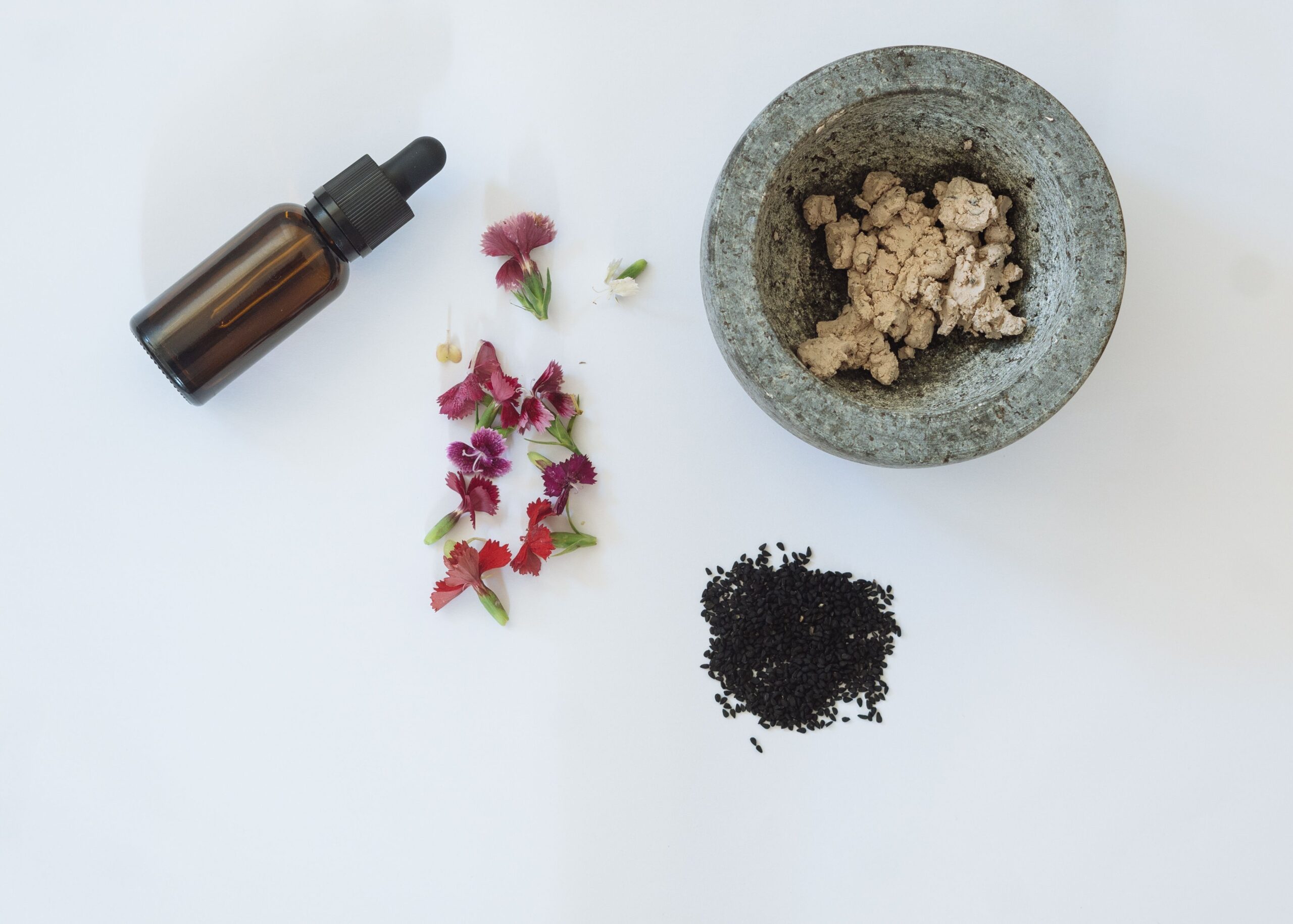
Part 2: The Ayurvedic Hormonal Harmony Diet + Best Herbs for Hormonal Balance
Maintaining Ayurvedic Hormonal Harmony begins with the food you eat every day. Ayurveda considers food to be medicine, capable of either restoring balance or contributing to disease. Every meal influences digestion (Agni), tissue nourishment (Dhatus), toxin accumulation (Ama), and ultimately the production and regulation of hormones.
Unlike restrictive diets that focus only on calories or macronutrients, Ayurveda emphasizes eating according to your constitution, the seasons, your digestive strength, and your body’s unique needs. When digestion is strong and tissues are properly nourished, hormones naturally become more balanced.
Food as Medicine for Hormonal Health
According to Ayurveda, healthy hormones depend on three essential principles:
- Strong digestive fire (Agni)
- Pure body channels (Srotas)
- Well-nourished body tissues (Dhatus)
If digestion is weak, even the healthiest foods cannot be properly transformed into nourishment. Instead, they create Ama, the toxic residue that blocks circulation and interferes with endocrine function.
Therefore, the first goal of Ayurvedic Hormonal Harmony is not eating more—but digesting better.
Principles of the Ayurvedic Hormonal Harmony Diet
1. Eat Fresh, Whole Foods
Fresh foods contain more life force (Prana) than processed or packaged products.
Prioritize:
- Seasonal vegetables
- Fresh fruits
- Whole grains
- Lentils
- Healthy fats
- Fresh herbs
- Organic produce whenever possible
Limit:
- Packaged snacks
- Fast food
- Artificial sweeteners
- Refined sugar
- Preservatives
- Highly processed oils
Fresh foods nourish every tissue involved in hormone production.
2. Eat According to Your Digestive Fire
Ayurveda teaches that even healthy food becomes unhealthy when digestion is weak.
Signs of strong Agni include:
- Healthy appetite
- No bloating
- Regular bowel movements
- Stable energy
- Clear skin
- Good mood
Signs of weak Agni include:
- Gas
- Constipation
- Fatigue after meals
- Indigestion
- Brain fog
- Coated tongue
To strengthen digestion:
- Eat at consistent times.
- Avoid overeating.
- Sip warm water throughout the day.
- Avoid ice-cold drinks.
- Eat your largest meal at lunchtime when digestion is strongest.
3. Favor Warm, Cooked Meals
Warm foods are generally easier to digest than cold or raw foods.
Excellent choices include:
- Vegetable soups
- Khichdi
- Steamed vegetables
- Warm grain bowls
- Herbal teas
- Light curries
- Cooked apples
- Stewed pears
Warm meals support healthy metabolism and reduce digestive stress.
4. Include Healthy Fats
Hormones are synthesized from cholesterol and healthy fats. Eliminating fat completely can negatively affect hormone production.
Ayurvedic sources of healthy fats include:
- Ghee
- Sesame oil
- Coconut oil
- Olive oil
- Flaxseeds
- Walnuts
- Almonds
- Pumpkin seeds
These fats also nourish the nervous system and support reproductive tissues.
5. Balance All Six Tastes
Ayurveda recognizes six tastes:
- Sweet
- Sour
- Salty
- Bitter
- Pungent
- Astringent
Each taste influences the doshas and supports different physiological functions.
For hormonal wellness, include a balance of all six tastes in your daily meals rather than relying heavily on sweet or salty foods.
The Best Foods for Ayurvedic Hormonal Harmony
Leafy Greens
Rich in minerals and antioxidants, leafy greens help support liver function, which plays a crucial role in hormone metabolism.
Excellent options:
- Spinach
- Fenugreek leaves
- Kale
- Mustard greens
- Moringa leaves
Whole Grains
Whole grains provide sustained energy and help regulate blood sugar.
Best choices:
- Brown rice
- Millet
- Quinoa
- Barley
- Oats
Stable blood sugar helps maintain healthy insulin levels and reduces stress on the endocrine system.
Fresh Fruits
Seasonal fruits supply vitamins, hydration, and natural sweetness.
Recommended fruits include:
- Pomegranate
- Apples
- Pears
- Berries
- Papaya
- Figs
- Dates (in moderation)
Legumes
Plant proteins nourish tissues without excessive saturated fat.
Choose:
- Mung beans
- Red lentils
- Chickpeas
- Black gram (according to constitution)
Nuts and Seeds
These provide healthy fats, zinc, magnesium, and other nutrients important for hormone production.
Especially beneficial:
- Sesame seeds
- Pumpkin seeds
- Sunflower seeds
- Almonds
- Walnuts
Dairy (If Well Tolerated)
Traditionally prepared dairy may support Ojas when consumed appropriately.
Good choices include:
- Warm milk with spices
- Homemade yogurt at lunch
- Ghee
Avoid excessive cold dairy products if they aggravate Kapha.
Hormone-Supporting Ayurvedic Spices
Spices do much more than enhance flavor—they stimulate digestion, reduce inflammation, and improve circulation.
Turmeric
Supports:
- Liver detoxification
- Healthy inflammatory response
- Joint health
- Overall metabolic balance
Cumin
Enhances digestion and nutrient absorption while reducing bloating.
Coriander
Cooling and soothing, coriander is particularly useful for balancing excess Pitta.
Fennel
A gentle digestive spice that can help reduce gas and promote comfortable digestion.
Ginger
Fresh ginger stimulates digestive fire, improves circulation, and supports metabolism. People with high Pitta may prefer it in moderation.
Cinnamon
Helps maintain healthy blood sugar levels, making it a valuable addition for those with insulin resistance or Kapha-related imbalances.
Ayurvedic Herbs That Support Hormonal Balance
Herbs are traditionally selected based on an individual’s constitution, symptoms, and overall health. They are most effective when used under the guidance of a qualified Ayurvedic practitioner, especially if you have an existing medical condition or take medications.
Ashwagandha
One of Ayurveda’s most respected rejuvenating herbs.
Traditionally used to support:
- Stress resilience
- Healthy energy levels
- Sleep quality
- Nervous system balance
Because chronic stress can influence hormonal health, Ashwagandha is often included in wellness plans aimed at promoting Ayurvedic Hormonal Harmony.
Shatavari
Known as a nourishing herb for the female reproductive system.
Traditionally associated with supporting:
- Reproductive tissue nourishment
- Menstrual comfort
- Menopausal transition
- Overall vitality
Guduchi
Often valued for its rejuvenating and immune-supporting properties.
It is traditionally used to:
- Support healthy metabolism
- Promote natural detoxification
- Help maintain resilience during stress
Triphala
Rather than acting directly on hormones, Triphala supports healthy digestion and elimination.
Benefits include:
- Gentle bowel regularity
- Digestive support
- Reduction of Ama
- Improved nutrient absorption
Healthy digestion creates a stronger foundation for endocrine balance.
Brahmi
Traditionally used to support:
- Mental clarity
- Emotional balance
- Healthy nervous system function
- Concentration
Since the brain and endocrine glands communicate closely, reducing mental stress can indirectly benefit hormonal wellness.
Licorice (Yashtimadhu)
In traditional Ayurveda, licorice is used for its soothing and nourishing qualities. However, it may not be appropriate for everyone, particularly people with high blood pressure or certain medical conditions, so professional guidance is important.
Herbs for Different Doshas
Vata-Predominant Imbalance
Helpful herbs may include:
- Ashwagandha
- Shatavari
- Bala
- Licorice (when appropriate)
These herbs are traditionally chosen for their nourishing and grounding qualities.
Pitta-Predominant Imbalance
Cooling herbs often recommended include:
- Guduchi
- Brahmi
- Aloe vera (traditionally used)
- Coriander
Kapha-Predominant Imbalance
Stimulating herbs commonly used include:
- Ginger
- Turmeric
- Cinnamon
- Trikatu (under practitioner supervision)
Hydration and Hormonal Health
Proper hydration supports:
- Nutrient transport
- Waste elimination
- Temperature regulation
- Healthy circulation
Ayurveda generally recommends:
- Drinking when thirsty
- Favoring warm or room-temperature water
- Sipping water throughout the day instead of consuming large amounts at once
- Limiting iced beverages, which may weaken digestive fire in some individuals
Herbal teas such as ginger, fennel, cumin, or coriander infusions are also traditionally used to support digestion.
Eating Habits That Promote Ayurvedic Hormonal Harmony
How you eat can be just as important as what you eat.
Support healthy digestion by:
- Eating without distractions
- Chewing food thoroughly
- Avoiding overeating
- Waiting until the previous meal is digested before eating again
- Maintaining regular meal times
- Choosing a calm environment for meals
- Ending meals before feeling completely full
These mindful eating practices reduce digestive strain and help the body efficiently convert food into nourishment.
Building a Foundation for Lasting Hormonal Wellness
Diet alone rarely resolves hormonal imbalance, but it lays the groundwork for healing. By strengthening digestion, reducing toxin accumulation, nourishing body tissues, and choosing foods appropriate for your constitution, you create the internal environment where hormones can function more effectively.
Part 3: Daily Routine (Dinacharya), Yoga, Pranayama, Sleep, and Stress Management
One of Ayurveda’s greatest strengths is its emphasis on Dinacharya, or daily routine. While herbs and nutrition are valuable, Ayurveda teaches that the body thrives on consistency. Hormones are produced and released according to natural circadian rhythms, so maintaining a regular daily schedule can help support healthy endocrine function.
The goal of Ayurvedic Hormonal Harmony is not perfection but creating habits that reduce stress, improve digestion, and align the body with nature’s rhythms.
Why Daily Routine Matters for Hormones
The endocrine system follows an internal clock.
For example:
- Cortisol naturally rises in the morning.
- Melatonin increases after sunset.
- Growth hormone is released primarily during deep sleep.
- Insulin responds to meal timing.
- Reproductive hormones fluctuate throughout the menstrual cycle.
Irregular sleep, inconsistent meal times, and chronic stress can disrupt these rhythms.
Ayurveda recommends living in harmony with the cycles of nature to support optimal hormonal function.
An Ideal Ayurvedic Morning Routine
Wake Before Sunrise
Ayurveda recommends waking during Brahma Muhurta (approximately 60–90 minutes before sunrise).
Benefits include:
- Improved mental clarity
- Better energy
- Enhanced digestion
- Balanced cortisol rhythm
- Peaceful start to the day
If waking before sunrise isn’t realistic, aim for a consistent wake-up time every day.
Drink Warm Water
Begin the day with a glass of warm water.
This simple habit may help:
- Stimulate digestion
- Encourage regular bowel movements
- Hydrate the body after sleep
- Prepare the digestive system for breakfast
Some people enjoy adding a small slice of fresh ginger or a squeeze of lemon if it suits their constitution.
Tongue Cleaning
According to Ayurveda, toxins (Ama) can accumulate on the tongue overnight.
Using a tongue scraper each morning may:
- Improve oral hygiene
- Support taste perception
- Encourage digestive awareness
Oil Pulling
Swishing sesame or coconut oil in the mouth for several minutes is a traditional Ayurvedic practice.
It is commonly used to support:
- Oral hygiene
- Gum health
- Fresh breath
Abhyanga (Self-Oil Massage)
Daily self-massage with warm oil is one of Ayurveda’s most cherished practices.
Benefits may include:
- Nourishing the skin
- Supporting circulation
- Relaxing the nervous system
- Reducing stress
- Promoting a sense of grounding
Suggested oils:
- Sesame oil for Vata
- Coconut oil for Pitta
- Mustard or sesame oil for Kapha (if appropriate)
Massage the oil into the body before bathing.
Gentle Movement
Morning movement awakens circulation and supports metabolism.
Choose activities such as:
- Walking
- Yoga
- Stretching
- Mobility exercises
- Sun salutations
Aim for 20–40 minutes of movement most days.
Yoga for Ayurvedic Hormonal Harmony
Yoga complements Ayurveda by calming the nervous system, improving circulation, and enhancing mind-body awareness. While no yoga pose can “balance hormones” directly, a regular practice may help reduce stress and support overall well-being.
Child’s Pose (Balasana)
Benefits:
- Encourages relaxation
- Gently stretches the back
- Helps reduce tension
Cat-Cow Stretch (Marjaryasana-Bitilasana)
Supports:
- Spinal flexibility
- Gentle abdominal massage
- Improved circulation
Cobra Pose (Bhujangasana)
Traditionally believed to:
- Open the chest
- Improve posture
- Stimulate the abdominal region
Avoid if you have certain back conditions unless advised by a qualified instructor.
Bridge Pose (Setu Bandhasana)
Benefits include:
- Strengthening the back and legs
- Opening the front of the body
- Encouraging relaxation
Legs-Up-the-Wall Pose (Viparita Karani)
An excellent restorative posture that may help:
- Ease tired legs
- Promote relaxation
- Reduce stress after a long day
Bound Angle Pose (Baddha Konasana)
A gentle hip-opening pose often included in practices focused on pelvic comfort and relaxation.
Pranayama for Hormonal Wellness
Breathing practices can help regulate the nervous system, which in turn influences stress hormones.
Nadi Shodhana (Alternate Nostril Breathing)
Benefits:
- Promotes calmness
- Encourages mental focus
- Supports emotional balance
Practice for 5–10 minutes daily.
Bhramari (Bee Breath)
This soothing breathing technique may help:
- Reduce mental tension
- Improve concentration
- Encourage relaxation
Deep Diaphragmatic Breathing
Simply breathing slowly into the abdomen for several minutes can activate the body’s relaxation response.
Meditation and Hormonal Health
Stress is one of the most significant contributors to hormonal imbalance.
Meditation helps shift the body from a constant “fight-or-flight” state into a calmer “rest-and-digest” mode.
Potential benefits include:
- Improved emotional resilience
- Better sleep
- Reduced perceived stress
- Enhanced focus
- Greater self-awareness
Start with just 10–15 minutes daily.
Managing Stress Through Ayurveda
Ayurveda recognizes that emotional health and physical health are deeply connected.
Helpful practices include:
- Spending time in nature
- Journaling
- Practicing gratitude
- Listening to calming music
- Limiting unnecessary screen time
- Building meaningful relationships
- Setting healthy work boundaries
Reducing chronic stress supports the body’s natural hormonal rhythms.
Sleep: The Foundation of Hormonal Harmony
Quality sleep is essential for:
- Cortisol regulation
- Melatonin production
- Growth hormone release
- Tissue repair
- Emotional balance
- Immune function
Poor sleep can contribute to fatigue, increased appetite, mood changes, and difficulty maintaining a healthy weight.
Ayurvedic Evening Routine
Eat Dinner Early
Aim to finish dinner at least two to three hours before bedtime.
A lighter evening meal is generally easier to digest.
Reduce Screen Exposure
Bright screens in the evening may interfere with melatonin production.
Try to reduce screen time during the hour before bed.
Herbal Tea
Many people enjoy a calming herbal tea in the evening.
Examples include:
- Chamomile
- Fennel
- Tulsi
- Warm milk with turmeric or nutmeg (if tolerated)
Gentle Stretching
Five to ten minutes of gentle stretching or restorative yoga can prepare the body for restful sleep.
Consistent Bedtime
Going to bed at the same time each night helps reinforce the body’s internal clock.
Aim for 7–9 hours of quality sleep.
Exercise According to Your Dosha
Vata
Best choices:
- Gentle yoga
- Walking
- Tai Chi
- Swimming
- Light strength training
Avoid excessive high-intensity workouts if they leave you feeling depleted.
Pitta
Enjoy:
- Cycling
- Hiking
- Swimming
- Moderate strength training
- Evening walks
Balance intensity with adequate recovery.
Kapha
More vigorous exercise is often well tolerated.
Examples include:
- Brisk walking
- Running
- Dance
- Circuit training
- Rowing
- Strength training
Regular movement helps support metabolism and energy.
Daily Habits That Support Ayurvedic Hormonal Harmony
Incorporate these simple habits consistently:
- Wake and sleep at regular times.
- Eat meals on a schedule.
- Prioritize whole, seasonal foods.
- Stay physically active.
- Practice mindful breathing.
- Spend time outdoors.
- Stay hydrated.
- Avoid smoking and excessive alcohol.
- Make time for relaxation.
- Listen to your body’s signals.
Small, sustainable changes practiced daily often have a greater long-term impact than occasional drastic efforts.
Creating a Sustainable Lifestyle
Hormonal health isn’t built through quick fixes. Ayurveda encourages gradual, lifelong habits that nourish the body, mind, and spirit together. By following a consistent daily routine, eating mindfully, moving regularly, managing stress, and prioritizing restorative sleep, you create an environment where your body can function at its best.

Part 4 (Final): Seasonal Practices, Foods to Avoid, 30-Day Plan, FAQs & Conclusion
Achieving Ayurvedic Hormonal Harmony is not about following a temporary diet or relying on a single herbal remedy. Ayurveda views health as a lifelong relationship between your body, mind, and the natural world. As the seasons change, your body’s needs also change. Adapting your habits throughout the year helps maintain balance and reduces the likelihood of hormonal disruption.
This final section brings together everything you’ve learned into a practical roadmap for long-term hormonal wellness.
Seasonal Ayurveda for Hormonal Harmony
According to Ayurveda, each season influences the doshas differently. Living in harmony with seasonal rhythms helps support digestion, immunity, and endocrine health.
Spring (Kapha Season)
Spring is associated with renewal, but excess Kapha may lead to sluggishness, congestion, water retention, and slower metabolism.
Focus On
- Light, freshly cooked meals
- Leafy greens
- Bitter vegetables
- Regular exercise
- Dry brushing
- Warm herbal teas
Reduce
- Heavy dairy
- Fried foods
- Refined sugar
- Excessive daytime naps
Summer (Pitta Season)
Heat can aggravate Pitta, contributing to irritability, inflammation, skin issues, and digestive discomfort.
Focus On
- Cooling foods
- Cucumber
- Coconut
- Watermelon
- Fresh herbs
- Adequate hydration
Reduce
- Excess spicy food
- Alcohol
- Too much coffee
- Overexposure to heat
Autumn and Early Winter (Vata Season)
Dryness and cold may increase Vata, affecting the nervous system and hormonal stability.
Focus On
- Warm soups
- Root vegetables
- Healthy fats
- Gentle yoga
- Oil massage
- Regular meal times
Reduce
- Skipping meals
- Excess travel
- Cold foods
- Late nights
Late Winter (Kapha Accumulation)
As winter progresses, heavier foods and reduced activity can increase Kapha.
Support your body with:
- Brisk walking
- Warming spices
- Light dinners
- Morning exercise
- Plenty of vegetables
Foods That May Disrupt Hormonal Balance
While occasional indulgence is part of life, consistently consuming highly processed foods can negatively affect digestion and overall health.
Limit:
- Refined sugar
- Sugary beverages
- Deep-fried foods
- Ultra-processed snacks
- Excess alcohol
- Excess caffeine
- Artificial sweeteners
- Highly processed vegetable oils
- Excess fast food
Ayurveda emphasizes moderation rather than perfection.
Lifestyle Habits That Can Affect Hormonal Health
Certain habits may place additional stress on the body over time.
Examples include:
- Chronic sleep deprivation
- Constant psychological stress
- Eating while distracted
- Irregular meal schedules
- Excessive screen time at night
- Sedentary lifestyle
- Smoking
- Frequent overeating
Replacing even one of these habits with a healthier alternative can make a meaningful difference over time.
A 30-Day Ayurvedic Hormonal Harmony Plan
Consistency is the key to lasting change. This four-week plan introduces habits gradually so they become sustainable.
Week 1: Build the Foundation
Focus on establishing healthy routines.
- Wake up at the same time each day.
- Drink warm water each morning.
- Eat three regular meals.
- Walk for 20–30 minutes daily.
- Aim for 7–9 hours of sleep.
- Reduce processed foods.
Goal
Support digestion and establish a steady daily rhythm.
Week 2: Nourish the Body
Continue Week 1 habits and add:
- Include more seasonal vegetables.
- Cook meals at home more often.
- Add healthy fats like ghee, nuts, or seeds.
- Practice tongue scraping.
- Try 10 minutes of gentle yoga.
Goal
Improve nourishment and strengthen digestive health.
Week 3: Calm the Mind
Continue previous habits and incorporate:
- 10–15 minutes of meditation daily.
- Alternate nostril breathing (Nadi Shodhana).
- Spend time outdoors.
- Reduce unnecessary screen time.
- Practice gratitude before bed.
Goal
Support emotional resilience and reduce stress.
Week 4: Deepen Your Practice
Maintain earlier habits while adding:
- Daily self-oil massage (Abhyanga) if appropriate.
- Herbal tea in the evening.
- Gentle stretching before bed.
- Reflect on which habits make you feel your best.
- Continue eating according to your constitution and the season.
Goal
Create a sustainable lifestyle that supports long-term hormonal well-being.
Frequently Asked Questions
Can Ayurveda cure hormonal imbalance?
Ayurveda does not claim to cure all hormonal conditions. Instead, it aims to support overall health by improving digestion, reducing stress, encouraging balanced nutrition, and promoting healthy daily routines. Persistent or severe hormonal symptoms should always be evaluated by a qualified healthcare professional.
How long does it take to notice improvements?
Results vary depending on the individual, the underlying cause, and consistency. Some people notice better energy, digestion, or sleep within a few weeks, while other changes may take longer. Sustainable progress generally comes from maintaining healthy habits over time.
Are Ayurvedic herbs safe?
Many Ayurvedic herbs have a long history of traditional use, but they are not suitable for everyone. Herbs can interact with medications and may not be appropriate during pregnancy, breastfeeding, or certain medical conditions. Consult a qualified Ayurvedic practitioner or healthcare provider before using herbal supplements.
Can men benefit from Ayurvedic Hormonal Harmony?
Absolutely. Hormonal balance is important for everyone. Men may benefit from Ayurvedic practices that support healthy energy, stress management, sleep, metabolism, and reproductive health.
Does stress really affect hormones?
Yes. Chronic stress influences the body’s hormonal signaling, particularly through stress hormones such as cortisol. Long-term stress can also affect sleep, appetite, mood, and overall well-being, making stress management an important part of a balanced lifestyle.
Key Takeaways
Remember these core principles of Ayurvedic Hormonal Harmony:
- Balance begins with strong digestion.
- Eat fresh, seasonal, minimally processed foods.
- Follow a consistent daily routine.
- Prioritize restful sleep.
- Manage stress through mindfulness and relaxation.
- Stay physically active in a way that suits your body.
- Adapt your habits with the changing seasons.
- Use Ayurvedic herbs thoughtfully and under professional guidance.
- Focus on long-term habits rather than quick fixes.
- Listen to your body’s signals and seek medical advice for persistent symptoms.
Conclusion
Hormones influence nearly every aspect of health—from energy and metabolism to mood, sleep, fertility, and healthy aging. Ayurveda offers a holistic framework that goes beyond managing individual hormone levels by addressing the broader factors that shape well-being: digestion, nutrition, daily routine, stress, movement, and seasonal living.
The path to Ayurvedic Hormonal Harmony is built through consistent, mindful choices. Nourishing foods, restorative sleep, regular physical activity, effective stress management, and individualized self-care work together to create an internal environment where the body can function more efficiently.
While Ayurveda can be a valuable complement to healthy living, it is not a substitute for medical care. If you experience persistent symptoms such as irregular menstrual cycles, unexplained weight changes, severe fatigue, infertility, or other signs of hormonal imbalance, consult a qualified healthcare professional for evaluation and appropriate treatment.
By blending timeless Ayurvedic wisdom with evidence-based healthcare and sustainable lifestyle habits, you can support your overall wellness and take meaningful steps toward greater balance, resilience, and vitality—one healthy day at a time.