


Building strength does not have to mean spending hours in the gym every day. Many people believe that longer workouts automatically produce better results, but this is not always true. The quality of your training, exercise selection, consistency, recovery, and nutrition all play important roles in determining how much stronger you become.
This is where Smart Strength Training makes a difference.
Smart Strength Training focuses on using your time, energy, and effort effectively. Instead of performing endless exercises or following complicated routines, you prioritize movements that deliver meaningful results. You train with a clear purpose, gradually increase the demands placed on your muscles, and give your body enough time to recover.
Whether you are a beginner, an intermediate lifter, or someone returning to the gym after a break, an efficient strength training approach can help you improve performance without making fitness feel like a full-time job.
The goal is not simply to finish your workout as quickly as possible. It is to achieve the best possible training results within the time you have available.
In this comprehensive guide, you will learn how Smart Strength Training works, which exercises deserve priority, how to structure an efficient workout, how to avoid common mistakes, and how to build a sustainable routine that supports long-term progress.
By applying these practical strategies, you can make every gym session more productive and develop strength without unnecessary training volume.
1. What Is Smart Strength Training?
Smart Strength Training is a structured approach to resistance exercise that emphasizes effectiveness, progressive improvement, appropriate recovery, and efficient use of training time.
Traditional gym routines sometimes encourage people to perform numerous exercises for every muscle group, often without a clear reason for including each movement. Although exercise variety can be useful, adding more exercises does not automatically produce better results.
Smart Strength Training takes a more focused approach.
You identify your primary fitness goal, select exercises that support that goal, determine an appropriate training volume, and track your performance over time.
For example, someone who wants to develop overall strength might prioritize squats, presses, rows, deadlift variations, and other compound movements. Rather than spending an hour performing several similar exercises, that person can focus on a smaller selection of movements and perform them with proper technique.
The approach involves several essential principles.
Prioritize Effective Exercises
Choose movements that train important muscle groups and match your goals.
Compound exercises are particularly useful because they involve multiple joints and muscle groups. Squats, presses, rows, and deadlift variations can provide substantial training stimulus within a relatively short session.
Isolation exercises can also be valuable when you want to strengthen a particular muscle or address a specific weakness.
Focus on Progressive Overload
Your body adapts to training demands over time. To continue improving, you need an appropriate progression in resistance, repetitions, sets, or exercise difficulty.
This process is called progressive overload.
It does not mean increasing the weight during every workout. Progress can also involve completing an additional repetition with good technique, improving your range of motion, or performing the same workload with better control.
Avoid Unnecessary Volume
Training volume matters, but there is a point at which additional sets provide diminishing returns or interfere with recovery.
Smart Strength Training helps you identify the amount of work you can perform productively and recover from consistently.
Make Recovery Part of the Plan
Muscles and other tissues need time to recover from demanding exercise. Sleep, nutrition, rest periods, and sensible training frequency all contribute to your ability to perform well.
The central principle of Smart Strength Training is simple: focus on the training that produces progress rather than the training that merely occupies more time.
2. Set a Clear Strength Training Goal
Before designing a workout, determine what you want to accomplish.
Without a clear goal, it becomes easy to switch between training methods, follow random exercise routines, and measure progress inconsistently.
Your goal influences your exercise selection, repetition ranges, rest periods, and weekly training schedule.
Goal 1: Build Maximum Strength
If your primary goal is maximum strength, focus on developing your ability to produce force against heavy resistance.
Exercises such as squats, bench presses, deadlift variations, and overhead presses may be useful, depending on your experience, mobility, equipment, and physical needs.
Many strength-focused programs use relatively heavy loads and lower repetition ranges, often around three to six repetitions per set for selected exercises.
Heavy training requires careful technique and sufficient rest between sets. You should not rush demanding lifts simply to finish your session faster.
Goal 2: Build Muscle and Strength Together
If you want larger muscles and improved strength, combine compound exercises with selected accessory movements.
Moderate repetition ranges, such as six to twelve repetitions, can be practical for many exercises. However, muscle growth can occur across a broader range of repetitions when sets provide sufficient stimulus and are performed with appropriate effort.
Your routine should include enough weekly work for the major muscle groups without overwhelming your recovery capacity.
Goal 3: Improve General Fitness
You may not need to lift extremely heavy weights to become stronger for everyday activities.
A balanced program can include squats, lunges, pushing movements, pulling movements, hip hinges, and core exercises.
The objective is to improve strength, movement quality, and physical capability.
Goal 4: Maintain Strength With a Busy Schedule
If your time is limited, full-body workouts performed two or three times per week may be a practical starting point.
These sessions allow you to train major muscle groups repeatedly without requiring daily gym visits.
Choose a realistic schedule that fits your responsibilities. Consistency over several months is more valuable than following an ambitious routine for a week and abandoning it.
3. Prioritize Compound Exercises for Better Results
One of the most effective Smart Strength Training strategies is to prioritize compound exercises.
Compound movements involve more than one joint and recruit several muscle groups simultaneously. This makes them useful when you want to train efficiently.
However, no single exercise is essential for everyone. Select movements that suit your abilities, available equipment, and training goals.
Squats
Squat variations train the quadriceps, glutes, and other muscles involved in lower-body movement.
Depending on your experience and mobility, you might choose:
- Barbell back squats.
- Front squats.
- Goblet squats.
- Dumbbell squats.
- Leg presses.
A beginner may find goblet squats easier to learn than a barbell squat. An experienced lifter may prefer a more challenging variation.
The best choice is the one you can perform safely and progressively overload.
Deadlift Variations
Deadlifts and related hip-hinge movements train the posterior chain, including the glutes, hamstrings, and back muscles.
Useful variations include Romanian deadlifts, trap-bar deadlifts, and conventional deadlifts.
These exercises can be demanding, so avoid adding excessive sets simply because they feel productive.
Learn proper technique and choose a load that allows you to maintain control throughout the movement.
Pressing Exercises
Pressing exercises develop the chest, shoulders, and triceps.
Examples include:
- Bench presses.
- Dumbbell presses.
- Incline presses.
- Overhead presses.
- Push-ups.
A combination of horizontal and vertical pressing can help create a balanced upper-body routine.
Pulling Exercises
Pulling movements strengthen the back, biceps, and muscles responsible for controlling the shoulder blades.
Useful choices include:
- Seated cable rows.
- Dumbbell rows.
- Lat pulldowns.
- Assisted pull-ups.
- Pull-ups.
If you are new to strength training, machines can provide a convenient way to learn movement patterns and manage resistance.
Why Compound Exercises Save Time
Imagine spending your workout performing several exercises that each train a relatively small area.
Now imagine building your session around a squat variation, a pressing movement, a row, and a hip hinge.
The second approach may cover more major muscle groups with fewer exercises.
Compound exercises do not eliminate the need for accessory work. They simply provide an efficient foundation.
For Smart Strength Training, begin with the movements that contribute most directly to your goals, then add isolation exercises where they provide a clear benefit.
4. Build a Workout Around Your Available Time
An efficient workout should fit your schedule rather than require you to reorganize your entire life.
A 30-minute session can be productive when it includes appropriate exercises, sufficient effort, and a clear structure.
A longer session may be necessary for advanced strength goals, but additional time should have a purpose.
The 30-Minute Workout Structure
A practical short session can be divided into three sections.
Minutes 1–5: Warm-up
Begin with light activity and movement preparation. Perform a few progressively heavier warm-up sets before your main lifts when necessary.
Minutes 6–25: Main exercises
Choose three or four movements that cover major muscle groups.
For example:
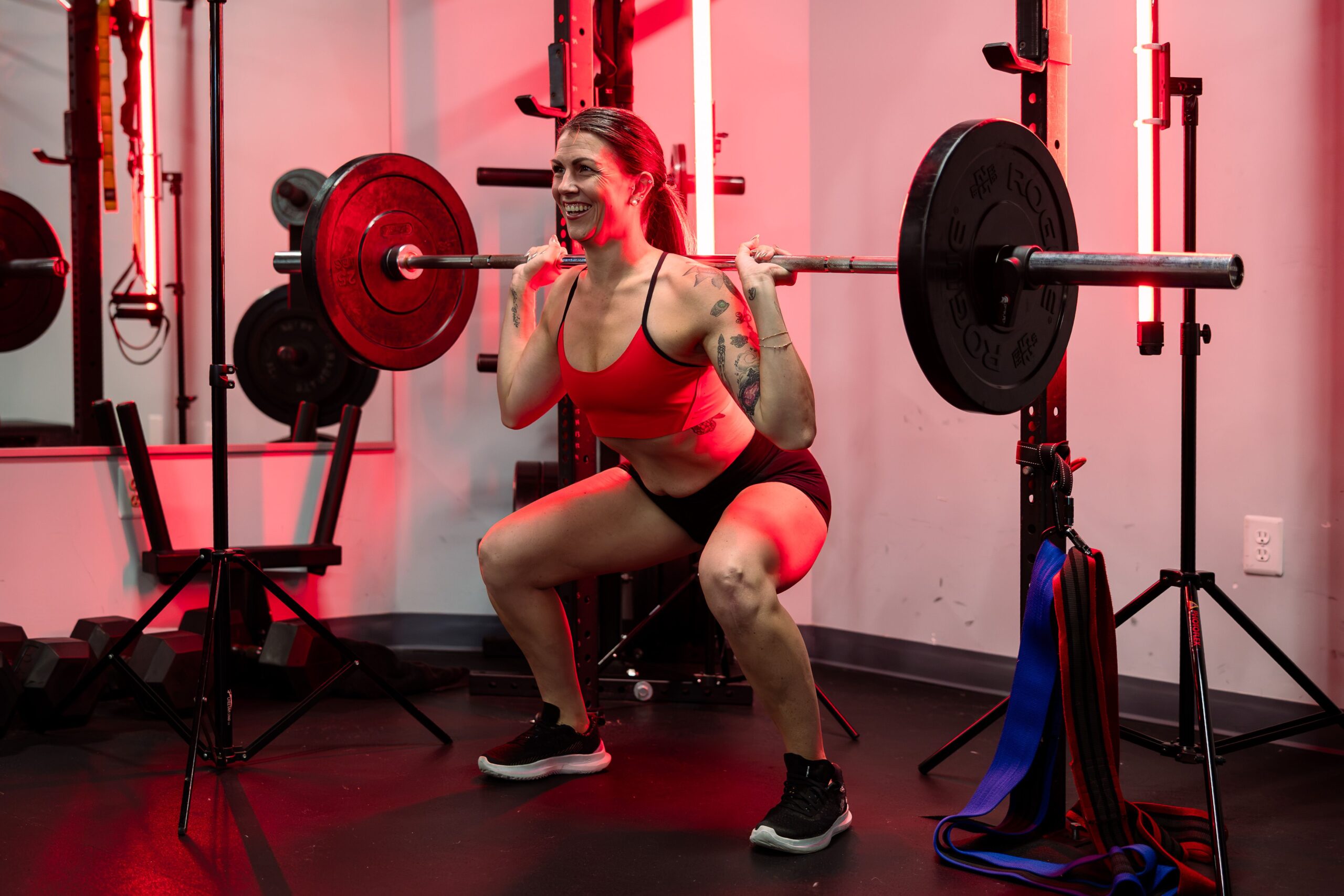
- Squat variation.
- Dumbbell bench press.
- Seated row.
- Romanian deadlift.
Depending on the exercises, loading, rest periods, and experience, you may complete two or three working sets of each movement.
Minutes 26–30: Final work and preparation
Complete any remaining planned sets, record your performance, and prepare for your next session.
If your main lifts require more rest, allow the workout to run longer rather than sacrificing technique.
The 45-Minute Workout Structure
A 45-minute session provides more room for warm-ups, heavier lifting, and accessory exercises.
You might organize it as follows:
- Five to eight minutes for general warm-up and preparation.
- Twenty-five minutes for primary exercises.
- Eight to ten minutes for accessory work.
- Two minutes to record results and review the session.
The exact timing depends on your training experience and exercise selection.
Avoid Turning Every Workout Into a Race
Time efficiency does not mean rushing through heavy sets.
If you perform demanding squats or deadlifts, you may need several minutes between working sets. Shorter rest periods can be appropriate for some accessory exercises, but inadequate recovery may reduce the quality of your next set.
Smart Strength Training balances time management with performance.
5. Use Progressive Overload to Get Stronger
Progressive overload is one of the most important principles in strength training.
Your muscles and nervous system adapt to repeated training. As your capacity improves, the training stimulus must be adjusted appropriately to encourage further development.
Without progression, you may eventually reach a plateau.
Method 1: Increase the Weight
Suppose you perform a dumbbell press using 15 kilograms in each hand for eight controlled repetitions.
After several sessions, the weight becomes manageable and you can complete all your planned sets comfortably.
You may then increase the resistance slightly, provided you can maintain good technique.
The next session might involve 16-kilogram dumbbells for a lower number of repetitions before you gradually build back up.
The exact increase depends on the exercise, equipment, and your current ability.
Method 2: Increase Repetitions
You do not need to increase weight every time you train.
For example, your goal might be three sets of eight to ten repetitions.
Your progression could look like this:
- Week 1: 8, 8, 8 repetitions.
- Week 2: 9, 8, 8 repetitions.
- Week 3: 9, 9, 8 repetitions.
- Week 4: 10, 10, 10 repetitions.
Once you can complete the upper end of your target range with good technique and appropriate effort, consider increasing the weight slightly.
Method 3: Improve Technique
Better technique can represent meaningful progress even when the weight stays the same.
You may improve your control, use a consistent range of motion, maintain a more stable position, or eliminate unnecessary movement.
These improvements make performance easier to assess and can help reduce avoidable injury risk.
Method 4: Increase Training Consistency
If you previously trained once every two weeks and now complete two well-planned sessions each week, your total training consistency has improved substantially.
Progress does not always come from a heavier dumbbell. It also comes from showing up regularly and following a structured plan.
Keep a Training Log
Record the following information after each session:
- Exercise name.
- Weight used.
- Sets completed.
- Repetitions completed.
- Approximate effort.
- Relevant technique notes.
A training log helps you distinguish real improvement from guesswork.
Smart Strength Training becomes much more effective when every workout contributes information that helps you plan the next one.
6. Choose the Right Number of Sets and Repetitions
The ideal number of sets and repetitions depends on your goal, experience, exercise selection, and recovery.
There is no single repetition range that guarantees results for everyone.
Strength-Focused Training
For selected compound exercises, sets of approximately three to six repetitions are common in strength-oriented programs.
These sets allow you to practice producing force against relatively heavy resistance.
They also require sufficient rest and careful technique.
Beginners do not need to start with maximal loads. Learning the movement and establishing consistent technique should come first.
Muscle-Building Training
Sets of approximately six to twelve repetitions are often convenient for muscle growth because they balance resistance, repetition count, and fatigue.
However, muscle growth is possible with lighter or heavier loads when training is sufficiently challenging.
The key is to perform enough productive work and progressively improve over time.
Higher-Repetition Training
Sets of roughly twelve to twenty repetitions can also be useful, particularly for selected machine exercises, isolation movements, and situations where heavy loading is uncomfortable or impractical.
Higher-repetition sets can produce substantial fatigue, so they are not automatically easier.
How Many Sets Should You Perform?
For many beginners, starting with two or three working sets per exercise is reasonable.
More experienced lifters may need greater weekly volume, depending on their goals and training history.
Instead of choosing an arbitrary number of sets, consider these questions:
- Are you progressing?
- Can you maintain good technique?
- Are you recovering between sessions?
- Are your muscles receiving sufficient weekly training?
- Does additional volume improve your results?
If you are improving with a manageable routine, you may not need to add more work.
If progress has stalled despite consistent training, adequate recovery, and appropriate nutrition, a carefully planned increase in training volume may help.
7. Learn How Close to Failure You Should Train
Training effort matters because a set must provide an appropriate stimulus to support your goals.
However, you do not need to take every set to complete muscular failure.
One useful method is to estimate repetitions in reserve, commonly abbreviated as RIR.
RIR describes how many additional repetitions you believe you could complete with acceptable technique before reaching the point where another repetition is no longer possible.
For example:
- Four RIR means you estimate that four additional repetitions are possible.
- Two RIR means approximately two repetitions remain.
- One RIR means you are close to your limit.
These estimates are imperfect, especially for beginners, but they can help regulate effort.
When to Train Hard
For many exercises, finishing a working set with approximately one to three repetitions in reserve can provide a productive training stimulus.
Some isolation exercises may be performed closer to failure when appropriate.
Heavy compound exercises require greater care because technical breakdown under substantial loads can be risky.
also read: How to Improve Your Gym Performance Without Overtraining
Why Failure Is Not Always Necessary
Taking every set to failure can increase fatigue and make it harder to maintain performance across the rest of your workout.
It may also lengthen recovery time, especially when heavy compound exercises are involved.
Smart Strength Training emphasizes sufficient effort rather than maximum exhaustion.
The goal is to stimulate progress while retaining the capacity to train effectively again.
8. Use Rest Periods Strategically
Rest periods are not wasted time. They help determine how well you can perform your next set.
The right rest interval depends on exercise difficulty, load, repetition count, and training objective.
Rest for Heavy Compound Exercises
Heavy squats, deadlifts, presses, and similar movements may require approximately two to five minutes of rest between demanding sets.
Some lifters need more time, especially during very heavy strength work.
Your breathing should settle sufficiently, and you should feel prepared to perform the next set with good technique.
Rest for Accessory Exercises
Many isolation exercises and less demanding movements can be performed with shorter rest periods, often around 60–120 seconds.
However, if performance drops significantly, extend the rest interval.
Use Supersets Carefully
Supersets involve performing two exercises consecutively with limited rest between them.
They can reduce workout duration when the exercises are selected appropriately.
For example, you could combine a chest exercise with a back exercise.
A possible pairing is:
- Dumbbell bench press.
- Seated cable row.
Perform one exercise, move to the other, then rest before repeating the pair.
Because the movements emphasize different primary muscle groups, this arrangement may allow you to use time efficiently.
However, supersets are not ideal for every exercise.
Pairing two demanding compound lifts can reduce performance if both require substantial effort. If maximum strength is your priority, allow enough recovery to maintain the quality of your main lifts.
Do Not Confuse Sweating With Progress
A workout that leaves you exhausted is not necessarily better than a workout that leaves you feeling capable and progressively stronger.
Rest according to the demands of the exercise rather than trying to eliminate every pause.
9. Follow a Simple Weekly Strength Training Schedule
A structured weekly plan removes the need to make random decisions every time you enter the gym.
Your schedule should match your experience, recovery capacity, and availability.
Option A: Two-Day Full-Body Routine
This is a practical option for beginners and busy individuals.
Day 1
| Exercise | Working Sets | Target Repetitions |
|---|---|---|
| Goblet squat or squat variation | 3 | 6–10 |
| Dumbbell bench press | 3 | 6–10 |
| Seated cable row | 3 | 8–12 |
| Romanian deadlift | 2 | 8–10 |
| Plank | 2 | 20–45 seconds |
Day 2
| Exercise | Working Sets | Target Repetitions |
|---|---|---|
| Leg press or squat variation | 3 | 8–12 |
| Lat pulldown | 3 | 8–12 |
| Dumbbell overhead press | 2–3 | 6–10 |
| Hip thrust or another hip-hinge variation | 2–3 | 8–12 |
| Dead bug | 2 | 8–12 per side |
Schedule these workouts on nonconsecutive days when possible.
For example, you might train on Monday and Thursday.
Adjust exercises and loading to your experience. If a movement causes pain or cannot be performed comfortably, choose an appropriate alternative.
Option B: Three-Day Full-Body Routine
Training three times per week gives you more opportunities to practice important movements.
Monday: Full Body A
- Squat variation: 3 sets.
- Bench press: 3 sets.
- Row variation: 3 sets.
- Romanian deadlift: 2 sets.
- Core exercise: 2 sets.
Wednesday: Full Body B
- Deadlift variation: 2–3 sets.
- Overhead press: 3 sets.
- Lat pulldown: 3 sets.
- Split squat: 2 sets per leg.
- Optional arm exercise: 2 sets.
Friday: Full Body C
- Leg press or squat variation: 3 sets.
- Incline dumbbell press: 3 sets.
- Cable row: 3 sets.
- Hip thrust: 2 sets.
- Optional lateral raise: 2 sets.
The sets shown are starting points, not universal requirements. You may need to reduce or increase the workload according to your recovery and experience.
Option C: Four-Day Upper-Lower Split
More experienced lifters may prefer separating upper-body and lower-body training.
Monday: Upper Body
- Bench press.
- Row.
- Overhead press.
- Lat pulldown.
- Optional biceps and triceps work.
Tuesday: Lower Body
- Squat variation.
- Romanian deadlift.
- Leg curl.
- Calf raise.
- Core exercise.
Thursday: Upper Body
- Incline press.
- Pull-up or pulldown.
- Dumbbell row.
- Lateral raise.
- Optional arm work.
Friday: Lower Body
- Deadlift variation or another hip hinge.
- Leg press.
- Split squat.
- Leg curl.
- Core exercise.
Choose the schedule that you can sustain.
For many people, two or three well-designed sessions provide an excellent starting point. Four days can be useful when you need more training volume or prefer shorter sessions.
10. Warm Up Without Wasting Time
A warm-up prepares you for exercise, helps you assess readiness, and provides an opportunity to practice movement technique.
However, warming up does not require twenty minutes of unrelated activity before every workout.
Begin With Light Movement
Spend a few minutes walking, cycling, or performing another comfortable activity that gradually increases your body temperature.
The duration depends on your needs and the conditions in which you are training.
Perform Exercise-Specific Warm-Up Sets
Before a demanding lift, perform lighter sets of the movement.
For example, before working sets of squats, you might begin with an unloaded squat or a light load, then gradually increase resistance.
As the working weight increases, you can reduce the number of repetitions in your warm-up sets.
The purpose is to prepare, not to fatigue yourself.
Avoid Exhausting Warm-Ups
Long, intense cardio sessions before heavy strength training may reduce your performance if they create substantial fatigue.
If endurance training is also part of your routine, schedule it in a way that supports your main goals.
Adjust Your Warm-Up to Your Needs
A person lifting light dumbbells may need less preparation than someone performing near-maximal squats.
Previous injuries, movement limitations, and personal preferences may also influence the appropriate warm-up.
An efficient warm-up prepares you for the workout without becoming a workout of its own.
11. Improve Your Exercise Technique
Good technique helps you train the intended muscles, maintain consistent movement patterns, and manage training risks.
It also makes progress easier to measure.
If you change your technique substantially every week, it becomes difficult to determine whether a heavier lift represents genuine improvement.
Control the Movement
Lower the weight under control rather than allowing it to drop uncontrollably.
Lift with intent while maintaining a stable position.
You do not need to move every weight slowly. The goal is to remain in control throughout the movement.
Use an Appropriate Range of Motion
Move through a comfortable, useful range of motion that suits the exercise and your current capabilities.
Avoid forcing a position that causes pain or exceeds your mobility.
As your technique and mobility improve, you may be able to expand your range of motion gradually.
Choose a Suitable Load
A weight that is too heavy can encourage swinging, shortened repetitions, and loss of control.
A weight that is too light may not provide sufficient challenge when muscle growth or strength development is the objective.
Choose resistance that allows you to complete your planned repetitions with appropriate effort and sound technique.
Learn Before Adding More Weight
Beginners should spend time learning movement patterns before pursuing heavy loads.
Machines, lighter dumbbells, and bodyweight exercises can help you build confidence.
If you are uncertain about a technical lift, consider working with a qualified fitness professional.
12. Use Machines and Free Weights Intelligently
Some gym users believe free weights are always superior to machines. Others prefer machines because they feel more comfortable and easier to use.
Both options can be valuable.
The best choice depends on your goals, experience, equipment availability, and individual needs.
Benefits of Free Weights
Dumbbells and barbells allow you to perform a wide range of movement patterns.
They can help develop strength, coordination, and control, depending on the exercise.
Free weights are also versatile, making them useful in gyms with limited equipment.
Benefits of Machines
Machines can simplify setup and provide a more guided movement path.
They are often convenient for beginners and for accessory exercises performed after demanding compound lifts.
Examples include leg presses, chest presses, seated rows, and leg curls.
Combine Both Approaches
You might perform squats and dumbbell presses as primary movements, then use a leg curl machine or cable exercise to train a specific muscle group.
This combination can provide an effective balance between general strength development and targeted training.
Do not choose exercises solely because they look impressive. Choose them because they fit your program.
13. Avoid Common Strength Training Mistakes
Even a well-intentioned workout can become inefficient when it includes habits that limit progress.
Identifying these mistakes can help you improve without necessarily adding more training time.
Mistake 1: Changing Your Routine Every Week
New exercises can be enjoyable, but constantly changing your routine makes progress difficult to measure.
You may never spend enough time improving a particular movement.
Better approach: Follow a consistent program for several weeks and evaluate your performance before making major changes.
Mistake 2: Performing Too Many Exercises
Adding more movements can increase fatigue and workout duration without providing a meaningful improvement in results.
Better approach: Prioritize major movement patterns, then add accessory exercises when they address a clear need.
Mistake 3: Ignoring Progressive Overload
Repeating the same workout indefinitely without tracking weight, repetitions, or effort may eventually limit progress.
Better approach: Record your performance and use a realistic progression strategy.
Mistake 4: Lifting Too Heavy Too Soon
Trying to impress others or increase weights prematurely can compromise technique.
Better approach: Increase resistance gradually and maintain control.
Mistake 5: Resting Too Little
Shortening every rest period may reduce the number of quality repetitions you can perform.
Better approach: Allow enough recovery for demanding sets and use shorter intervals where appropriate.
Mistake 6: Ignoring Recovery
Training hard without sufficient sleep, food, or rest can reduce performance and increase fatigue.
Better approach: Treat recovery as part of the training program.
Mistake 7: Following Another Person’s Routine Blindly
A program designed for an advanced athlete may not suit a beginner.
Different people have different goals, training histories, schedules, and physical capabilities.
Better approach: Choose a program that matches your current needs.
Mistake 8: Measuring Progress Only by Appearance
Muscle definition and body weight can fluctuate for several reasons.
If you measure progress only by appearance, you may overlook improvements in strength, technique, and training consistency.
Better approach: Track multiple indicators, including repetitions, loads, exercise quality, and how consistently you complete your workouts.
14. Nutrition Strategies That Support Strength
Your training program creates the stimulus for adaptation, but nutrition supplies the energy and building materials your body needs.
You do not need an unnecessarily complicated diet to support strength development.
Focus on adequate energy, protein, carbohydrates, hydration, and a balanced overall eating pattern.
Eat Enough Protein
Protein provides amino acids needed for muscle repair and growth.
For many healthy adults who perform regular resistance training, approximately 1.4–2.0 grams of protein per kilogram of body weight per day is a commonly used evidence-informed range.
Individual needs vary according to body composition goals, energy intake, training demands, age, and health circumstances.
You can obtain protein from foods such as:
- Eggs.
- Milk and yogurt.
- Fish.
- Chicken.
- Lean meat.
- Soybeans and tofu.
- Lentils and beans.
- Other suitable dairy or plant-based protein sources.
Distribute protein across your meals rather than relying on a single large serving.
People with kidney disease or other relevant medical conditions should seek individualized dietary advice from a qualified healthcare professional.
Consume Enough Carbohydrates
Carbohydrates help support training energy, particularly during demanding or high-volume sessions.
Useful sources include rice, oats, potatoes, whole grains, fruits, and other carbohydrate-rich foods.
You do not need to eliminate carbohydrates to become stronger.
Choose portions that fit your energy requirements and overall goals.
Include Healthy Fats
Dietary fats contribute to normal physiological functions and help support a balanced eating pattern.
Nuts, seeds, olive oil, and other suitable sources can be incorporated into regular meals.
Maintain Appropriate Energy Intake
If your goal is to build muscle and strength, consistently eating too little may make progress more difficult.
A modest energy surplus may help support muscle growth for some individuals, although beginners and people returning to training can sometimes gain muscle while maintaining or losing body fat.
Your approach should reflect your current body composition, training experience, and priorities.
Stay Hydrated
Fluid needs depend on body size, activity level, temperature, and sweat losses.
Drink regularly throughout the day and pay attention to hydration during exercise.
If you train in hot conditions, you may need to replace additional fluids.
Keep Supplements in Perspective
Protein powder can be convenient when you struggle to obtain enough protein through food.
Creatine monohydrate is another supplement with substantial evidence supporting its usefulness for many healthy adults performing high-intensity exercise.
However, supplements are optional. They do not replace a consistent training program, adequate nutrition, or sleep.
Seek professional advice before using supplements if you have a medical condition, take medication, or are unsure whether a product is appropriate for you.
15. Recovery: The Overlooked Part of Getting Stronger
Strength development does not occur solely during the minutes you spend lifting weights.
Your body needs time to adapt to the demands of training.
Recovery influences your ability to maintain good technique, complete planned sessions, and continue progressing over time.
Prioritize Sleep
Most adults should aim for approximately seven to nine hours of sleep each night, although individual needs vary.
Insufficient sleep can affect concentration, mood, perceived effort, and exercise performance.
Develop a consistent sleep schedule where possible.
Reduce distractions before bedtime and create an environment that supports comfortable sleep.
Schedule Rest Days
You do not need to train every day to make progress.
Rest days provide an opportunity to recover from demanding sessions.
You can use them for walking, gentle mobility work, or other comfortable activities if you wish.
Manage Training Fatigue
Occasional soreness is common after unfamiliar or demanding exercise.
However, persistent fatigue, declining performance, and worsening technique may indicate that your program needs adjustment.
Consider reducing training volume, improving sleep, or allowing additional recovery time.
A planned reduction in training volume or intensity can also be useful after a demanding period.
Understand the Difference Between Discomfort and Pain
Muscular effort during exercise is normal. Sharp, worsening, or unusual pain should not be ignored.
Stop an exercise that causes concerning pain and seek appropriate medical advice when needed.
Recovery is not a sign of weakness. It is a practical requirement for sustainable training.
16. How to Break Through a Strength Plateau
A plateau occurs when progress slows or stops despite continued training.
It can be frustrating, especially when you are working hard and following a routine.
However, a plateau does not automatically mean that your program has failed.
Several factors may be responsible.
Review Your Training Log
Look for patterns in your performance.
Are you completing more repetitions than you did a month ago? Has your technique improved? Are you training consistently?
Progress can be gradual, so examine several weeks rather than reacting to one difficult workout.
Check Your Technique
Small technical improvements can make an exercise more consistent and efficient.
Review your setup, movement path, range of motion, and control.
A qualified trainer can provide useful feedback if you are unsure what to change.
Evaluate Your Recovery
Poor sleep, inadequate food intake, and excessive training fatigue can interfere with performance.
Before adding more sets, check whether you are recovering from the work you already perform.
Adjust the Program Carefully
If you have consistently trained for several weeks without improvement, consider changing one variable at a time.
You might:
- Reduce unnecessary training volume.
- Add a small amount of weekly volume if your current workload is insufficient.
- Modify your repetition range.
- Use a different exercise variation.
- Schedule additional recovery.
- Adjust the load progression.
Avoid changing every aspect of your routine simultaneously. Otherwise, you may struggle to determine which adjustment helped.
Be Patient
Strength does not increase at the same rate indefinitely.
Beginners may experience relatively rapid improvements, while advanced lifters often progress more slowly.
Consistent effort, realistic expectations, and thoughtful adjustments are more useful than constantly searching for a new training trick.
17. Smart Strength Training for Beginners
Beginners often make the mistake of copying advanced workout routines.
They may perform too many exercises, use excessive weights, or train every muscle group to exhaustion.
A simpler approach is usually more practical.
Start With Basic Movement Patterns
Learn how to perform the following movements comfortably:
- Squatting.
- Hip hinging.
- Pushing.
- Pulling.
- Single-leg movements.
- Core stabilization.
You can develop these patterns with bodyweight exercises, machines, dumbbells, or barbells.
Train Two or Three Days Per Week
A full-body routine performed two or three times weekly gives beginners regular opportunities to practice important movements.
It also leaves time for recovery and other activities.
Use Manageable Weights
Choose a resistance that allows you to perform controlled repetitions.
Do not worry about lifting as much as experienced gym members.
Your initial goal is to build a foundation.
Learn How to Progress
Once you can complete your planned sets and repetitions comfortably, consider a small increase in resistance or repetitions.
Make changes gradually.
Focus on Consistency
You do not need a perfect workout every time.
A manageable program that you follow consistently is more useful than an idealized routine you cannot maintain.
As your technique and confidence improve, you can gradually introduce more advanced training methods.
18. Smart Strength Training for Intermediate and Advanced Lifters
Experienced lifters may need a more individualized approach because their progress is often slower and their training demands can be higher.
The fundamentals remain the same, but programming becomes more specific.
Use Goal-Specific Programming
If your priority is increasing your squat, bench press, or deadlift, organize your program around the relevant lifts or appropriate alternatives.
Accessory exercises should support your main goals rather than distract from them.
Manage Weekly Training Volume
More experienced lifters may benefit from additional sets, but the appropriate amount depends on the exercise, muscle group, intensity, and recovery capacity.
Increase volume only when the additional work is likely to provide a useful stimulus.
Vary Training Intensity
Not every session needs to be maximally demanding.
You can combine heavier sessions with moderate-load work and less demanding training days.
This allows you to practice important lifts while managing fatigue.
Track More Than Weight
Advanced lifters can monitor:
- Repetition performance.
- Load and total training volume.
- Technique consistency.
- Perceived effort.
- Recovery between sessions.
- Performance trends across training blocks.
These measures can help identify when to push harder and when to adjust the workload.
Avoid Unnecessary Complexity
Advanced training does not have to be complicated.
Use additional methods only when they solve a specific problem or improve your ability to reach your goals.
19. How to Make Every Gym Session More Productive
Small organizational changes can help you save time without reducing training quality.
Plan Before You Arrive
Know which exercises you will perform and the order in which you will complete them.
This prevents unnecessary decision-making between sets.
Prepare Your Equipment
Keep your training log, water bottle, and other essentials ready.
When the gym is busy, have a suitable alternative exercise available in case your preferred equipment is occupied.
Track Your Rest Periods
Use a timer if you frequently lose track of time between sets.
However, do not let a timer force you to begin a heavy set before you are ready.
Limit Unnecessary Distractions
Checking messages between every set can turn a short workout into a lengthy session.
If possible, keep your phone use focused on music, training records, or timing rest periods.
Use Efficient Exercise Pairings
When appropriate, alternate exercises that train different muscle groups.
For example, you might pair a biceps exercise with a triceps exercise.
You can also combine selected upper-body and lower-body movements when doing so does not compromise performance.
Keep the Routine Realistic
A workout does not need twelve exercises to be effective.
A small number of well-selected movements, performed with appropriate effort, can provide a substantial training stimulus.
20. Measure Strength Progress Beyond the Scale
Body weight is only one measure of physical change.
If your goal is to become stronger, evaluate indicators that directly reflect your training.
Track Your Lifting Performance
Record the weight and repetitions you complete during working sets.
Over time, you may notice that you can lift heavier loads or perform more repetitions with the same resistance.
Assess Technique
A repetition performed with consistent technique provides a more useful comparison than one completed with substantial changes in movement.
Pay attention to control, range of motion, and setup.
Monitor Consistency
Track how often you complete your planned workouts.
A realistic program followed for twelve weeks may provide better results than an aggressive routine followed inconsistently.
Consider Everyday Function
You may notice that carrying groceries, climbing stairs, lifting objects, or performing recreational activities becomes easier.
These changes can reflect improvements in physical capability.
Use Progress Photos and Measurements Selectively
If muscle growth or body composition is also a goal, occasional photographs or body measurements may be useful.
Take them under reasonably consistent conditions rather than relying on daily comparisons.
Your measurements may fluctuate for reasons unrelated to muscle growth.
The best approach combines several indicators instead of depending on one number.
21. A Practical Four-Week Smart Strength Training Plan
The following plan provides a simple starting framework for adults who can safely participate in resistance exercise.
It is not a personalized medical or rehabilitation program. Adjust the exercises, loads, and volume to your experience and needs.
Train three days per week, leaving a rest day between sessions when possible.
Week 1: Establish Your Foundation
Goal: Learn the routine and identify suitable resistance.
Perform the following workout:
- Goblet squat: 2 sets of 8–10 repetitions.
- Dumbbell bench press: 2 sets of 8–10 repetitions.
- Seated cable row: 2 sets of 10–12 repetitions.
- Romanian deadlift: 2 sets of 8–10 repetitions.
- Plank: 2 controlled holds.
Use manageable weights and concentrate on technique.
Record your starting performance.
Week 2: Build Consistency
Goal: Repeat the routine and improve execution.
Continue using the same exercises.
If your technique remains consistent and the previous loads feel manageable, add a repetition to selected sets.
Do not increase every weight simply because a new week has started.
Week 3: Introduce Appropriate Progression
Goal: Improve one or more measurable aspects of performance.
You might increase repetitions, make a small increase in resistance, or improve your control of a movement.
Keep changes gradual.
If you are experiencing excessive fatigue, maintain your current workload rather than forcing progression.
Week 4: Evaluate and Adjust
Goal: Review your results and determine the next step.
Compare your current performance with Week 1.
Ask yourself:
- Can I lift more weight with similar technique?
- Can I complete more repetitions?
- Have my movements become more consistent?
- Am I recovering adequately?
- Can I maintain this schedule over the next month?
If you are progressing and recovering well, continue with gradual overload.
If performance has declined, review sleep, nutrition, stress, and training volume before adding more work.
What Happens After Four Weeks?
Four weeks is enough to evaluate your routine and establish useful habits, but it is not a deadline for achieving a particular strength result.
Continue training consistently and reassess your progress over several months.
As you become more experienced, you may need to adjust exercise selection, weekly volume, and training intensity to match your goals.
The purpose of the plan is to establish a repeatable system rather than promise instant results.
22. How to Stay Motivated Without Overtraining
Motivation naturally changes over time.
Some days you may feel energetic and ready to train. On other days, work, family responsibilities, poor sleep, or general stress may make exercise more difficult.
A sustainable routine should account for these realities.
Set Process-Based Goals
Instead of focusing only on lifting a particular weight, set goals related to behaviors you can control.
Examples include completing three workouts per week, recording every working set, or practicing a movement with consistent technique.
These goals help you build the habits that support long-term progress.
Make Your Schedule Flexible
If you cannot complete a planned 60-minute session, a shorter session may still be worthwhile.
You can prioritize your main exercises and leave optional accessory work for another day.
Avoid interpreting every imperfect workout as a failure.
Celebrate Measurable Improvements
Recognize improvements in strength, technique, consistency, and recovery.
Small gains accumulate over time.
Avoid Comparing Your Progress With Others
Different people have different training histories, genetics, schedules, and starting points.
Comparisons can create unrealistic expectations.
Focus on improving your own performance.
Recognize When Rest Is Appropriate
Motivation should not override signs that you need recovery.
Persistent exhaustion, worsening performance, or pain may indicate that your training needs adjustment.
A sustainable approach includes both productive effort and appropriate rest.
23. Frequently Asked Questions About Smart Strength Training
1. Can I Get Stronger With Only 30 Minutes in the Gym?
Yes. A 30-minute workout can support strength development when it includes suitable exercises, appropriate loading, sufficient effort, and consistent progression.
You may need longer sessions for advanced goals or higher training volumes, but short workouts can be effective.
2. How Many Days Per Week Should I Train for Strength?
Two or three weekly sessions can be an effective starting point for many people.
More advanced lifters may benefit from training more frequently, depending on their goals and recovery.
The best schedule is one that provides sufficient training while remaining sustainable.
3. Is Heavy Weight Better Than High Repetitions?
Neither approach is universally superior.
Heavier loads are particularly useful for developing maximum strength, while a broader range of loads can support muscle growth when training is sufficiently challenging.
Your exercise selection, experience, technique, and goals should determine your approach.
4. Should I Train Every Set to Failure?
No. Training to failure is not necessary for every set.
Many people can make substantial progress by stopping with a small number of repetitions remaining, particularly on demanding compound movements.
The appropriate level of effort depends on the exercise and training objective.
5. Are Compound Exercises Enough for Building Strength?
Compound exercises provide an excellent foundation because they train multiple muscle groups simultaneously.
However, accessory exercises can help strengthen specific muscles, address weaknesses, and support individual goals.
A balanced program can include both.
6. How Long Should I Rest Between Sets?
Heavy compound exercises may require two to five minutes or more, depending on the load and your recovery.
Less demanding accessory exercises may require shorter intervals.
Rest long enough to maintain appropriate performance and technique.
7. Can Beginners Follow Smart Strength Training?
Yes. Beginners can benefit from simple exercise selection, manageable loads, consistent technique, and gradual progression.
Start with a routine that matches your current ability rather than copying an advanced athlete’s program.
8. Does Strength Training Help Build Muscle?
Yes. Resistance training can increase muscle size and strength when combined with sufficient training stimulus, appropriate nutrition, and recovery.
The results depend on consistency, training quality, individual characteristics, and other factors.
9. Should I Change My Workout Every Month?
Not necessarily.
Keeping your main exercises consistent makes it easier to track progress and develop technical proficiency.
You can adjust the program when necessary, but constant changes are not required for progress.
10. What Is the Biggest Secret to Efficient Strength Training?
The most important principle is consistency supported by intelligent programming.
Choose effective exercises, train with appropriate effort, track your performance, eat adequately, and recover well.
You do not need to make every workout exhausting to make it productive.
Conclusion: Get Stronger by Training Smarter
Getting stronger does not require endless hours in the gym. It requires a clear goal, an appropriate training plan, consistent effort, and enough recovery to adapt to the demands you place on your body.
Smart Strength Training provides a practical framework for achieving these objectives.
By prioritizing compound exercises, applying progressive overload, managing rest periods, and avoiding unnecessary training volume, you can make your workouts more efficient without sacrificing quality.
The most effective program is not necessarily the longest or most complicated. It is the program that helps you improve while fitting your schedule and supporting your long-term health.
Start by selecting a few effective exercises and establishing a realistic weekly routine. Learn proper technique, record your performance, and increase the challenge gradually as your abilities improve.
Pay attention to nutrition and sleep because strength development depends on more than what happens during a workout. Be willing to adjust your plan when recovery suffers, and measure success through consistent performance rather than temporary exhaustion.
Remember that strength is built through repeated practice over time. One workout will not transform your body, but a series of well-planned sessions can create meaningful improvements.
Make every set purposeful, every progression measurable, and every training week sustainable.
Train with a plan. Recover with intention. Progress with patience. That is the foundation of Smart Strength Training.