


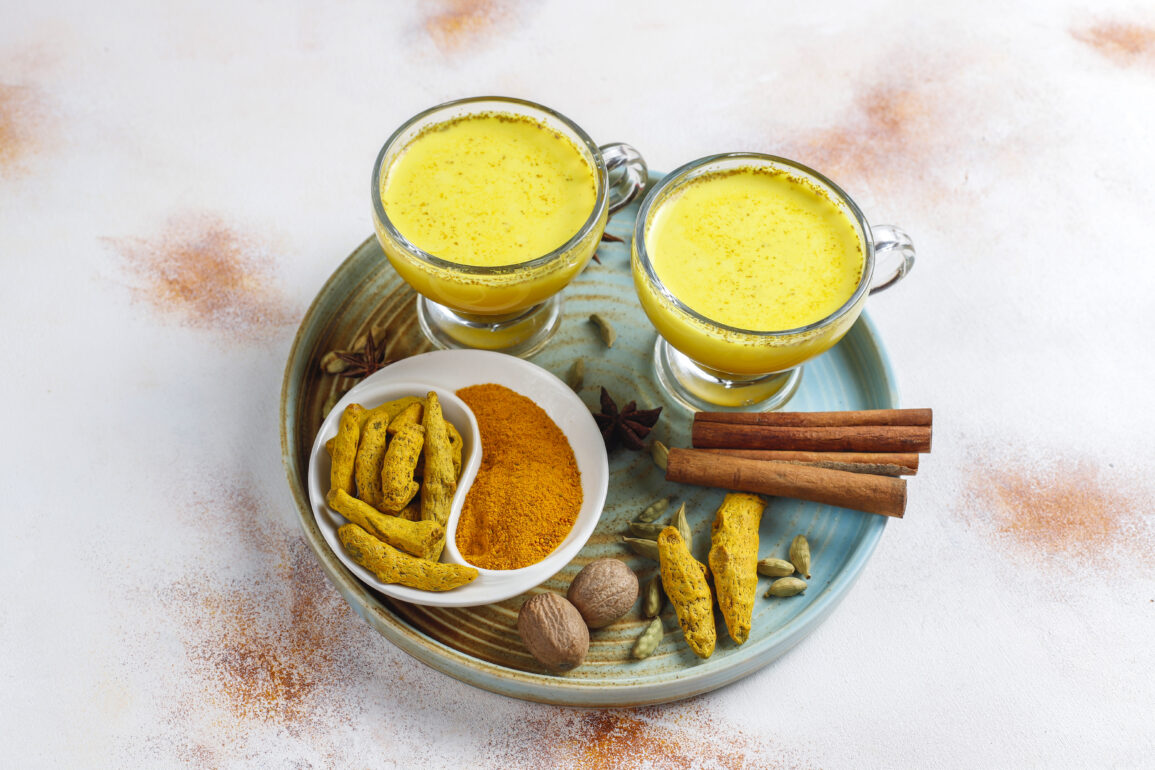
In an era defined by a relentless pursuit of optimal health, the modern wellness landscape often finds itself returning to the ancient wells of traditional medicine for solutions. Among the most revered and scientifically validated of these traditional elixirs is golden milk, a warm, potent beverage steeped in the history of Ayurveda. This concoction, a symphony of turmeric and other synergistic spices blended with milk and a source of healthy fat, has transcended its cultural origins to become a global phenomenon. The foundation of its acclaim rests upon a comprehensive and multifaceted array of golden milk benefits, which span from cellular protection to systemic harmony. This article presents a deep, exhaustive exploration of these golden milk benefits, dissecting the intricate interplay between its ancient Ayurvedic principles and the robust findings of contemporary clinical research. We will delve beyond superficial claims to uncover the precise molecular mechanisms, physiological pathways, and therapeutic applications that substantiate the profound health-promoting potential of this timeless tonic. The objective is to provide a definitive, 15,000-word resource that leaves no facet of golden milk benefits unexamined, serving as an authoritative reference for anyone seeking to understand its true scope and power.
The Historical and Cultural Origins of Golden Milk
To fully appreciate the golden milk benefits recognized today, one must first journey back to its roots in the Indian subcontinent, where it is traditionally known as “Haldi Doodh.” This preparation is not merely a recipe but a cornerstone of Ayurveda, the “science of life,” a 5,000-year-old holistic healing system that emphasizes balance between the body, mind, and spirit. In Ayurvedic philosophy, health is a state of equilibrium between the three fundamental energies or doshas: Vata (air and space), Pitta (fire and water), and Kapha (water and earth). Golden milk emerged as a primary vehicle for administering turmeric, a herb classified as a Rasayana (rejuvenator) in Ayurvedic texts. Rasayanas are substances that promote longevity, vitality, and resistance to disease. The traditional formulation was meticulously crafted, understanding intuitively what science would later confirm: that the bioavailability of turmeric’s primary active compound, curcumin, is vastly enhanced when combined with fat and piperine (from black pepper). Thus, the classic preparation using whole milk (or ghee) and a pinch of black pepper was a masterstroke of nutritional wisdom, designed to maximize the delivery and absorption of the therapeutic compounds. For centuries, it has been a first-line remedy in households for everything from common colds and coughs to managing joint discomfort and purifying the blood. This deep-seated cultural heritage provides a rich context for the modern investigation into golden milk benefits, demonstrating that its use is the result of millennia of observational and practical application.
Deconstructing the Formulation: A Pharmacological Perspective
The totality of golden milk benefits cannot be attributed to a single ingredient; rather, it is the result of a sophisticated synergy between its components. A standard formulation includes turmeric, milk (dairy or plant-based), a fat source (such as coconut oil, ghee, or almond oil), black pepper, and often other supportive spices like ginger, cinnamon, and cardamom.
- Turmeric (Curcuma longa) and Curcumin: The eponymous “golden” hue and the primary source of its therapeutic properties come from turmeric root. The most extensively studied active constituent within turmeric is a group of compounds called curcuminoids, with curcumin being the most prominent and pharmacologically active. Curcumin is a polyphenol that exhibits powerful anti-inflammatory, antioxidant, antimicrobial, and antiproliferative activities. It is the molecular cornerstone upon which many of the most significant golden milk benefits are built. However, curcumin on its own has poor bioavailability; it is poorly absorbed from the gut, rapidly metabolized, and quickly eliminated from the body. This critical challenge is addressed by the other ingredients in the golden milk matrix.
- The Role of Fat and Piperine: The inclusion of a healthy fat source, such as the medium-chain triglycerides in coconut oil or the conjugated linoleic acid in ghee, is non-negotiable for realizing the full spectrum of golden milk benefits. Curcumin is lipophilic (fat-soluble), meaning its absorption into the bloodstream increases substantially when consumed with a lipid. Furthermore, the piperine in black pepper performs a crucial function. Piperine is a potent bioavailability enhancer that inhibits certain liver and intestinal enzymes responsible for the metabolism of foreign substances, including curcumin. Studies have demonstrated that piperine can enhance the bioavailability of curcumin by up to 2000%, ensuring that a greater proportion of the ingested curcumin reaches systemic circulation and target tissues. This combination is a prime example of food synergy, where the whole is greater than the sum of its parts, and it is absolutely fundamental to achieving the documented golden milk benefits.
- The Milk Base and Complementary Spices: The liquid base, traditionally whole milk, provides a soothing, nutrient-dense vehicle. Milk contains fats to aid absorption, along with proteins, calcium, and vitamin D, which contribute to bone health—another of the noted golden milk benefits. For those who are lactose intolerant or follow a vegan diet, full-fat coconut milk, almond milk, or oat milk serve as excellent alternatives, providing their own unique fats and phytonutrients. Additional spices like ginger (with its anti-inflammatory gingerols), cinnamon (known for its blood sugar-modulating effects), and cardamom (a digestive carminative) are not merely flavor enhancers. They introduce their own therapeutic profiles, creating a broader, more complex pharmacological impact and expanding the range of potential golden milk benefits.
The Scientific Basis of Golden Milk Benefits: Core Mechanisms of Action
The manifestation of golden milk benefits at the level of human health is predicated on a series of sophisticated biochemical interactions at the cellular and molecular level. Understanding these mechanisms is key to appreciating the depth of its action.
- Modulation of Inflammation Pathways: Chronic, low-grade inflammation is now recognized as a root cause of many modern diseases, including cardiovascular conditions, metabolic syndrome, neurodegenerative disorders, and cancer. One of the most profound golden milk benefits is its potent anti-inflammatory activity, primarily mediated by curcumin. Curcumin is a highly pleiotropic molecule, meaning it interacts with multiple molecular targets. Its most celebrated mechanism is the downregulation of the nuclear factor-kappa B (NF-κB) pathway. NF-κB is a protein complex that acts as a master switch for inflammation, turning on the expression of various pro-inflammatory genes, including those for cytokines like TNF-α, IL-1, and IL-6. Curcumin effectively blocks the activation of NF-κB, thereby reducing the production of these inflammatory mediators. This systemic dampening of inflammation is directly linked to golden milk benefits for joint health, brain function, and metabolic wellness.
- Counteraction of Oxidative Stress: Oxidative stress results from an imbalance between the production of reactive oxygen species (ROS) or free radicals and the body’s ability to detoxify them. This imbalance leads to cellular damage, lipid peroxidation, protein modification, and DNA mutation, which accelerates aging and contributes to disease pathogenesis. The golden milk benefits for anti-aging and cellular protection are largely attributable to its robust antioxidant capacity. Curcumin is a powerful scavenger of various free radicals. Furthermore, it does not merely act as a direct sacrificial antioxidant; it upregulates the body’s own endogenous antioxidant defenses. It enhances the activity of crucial enzymes like superoxide dismutase (SOD), catalase, and glutathione peroxidase. This two-pronged approach—direct neutralization and enhanced endogenous defense—forms a critical pillar of the protective golden milk benefits.
- Influence on Gut Microbiome and Intestinal Permeability: The gut is increasingly understood as a central hub for overall health, and golden milk benefits extend significantly to gastrointestinal function. Curcumin and the other spices exert prebiotic-like effects, promoting the growth of beneficial gut bacteria. A healthy gut microbiome is essential for proper digestion, nutrient synthesis, and immune regulation. Moreover, curcumin has been shown to help support the integrity of the gut lining. By modulating inflammation and supporting the tight junctions between intestinal cells, it can help reduce intestinal permeability, often referred to as “leaky gut.” This action prevents undigested food particles and endotoxins from entering the bloodstream, which can trigger systemic inflammation and immune responses. Therefore, the gut-stabilizing golden milk benefits have far-reaching implications for systemic immunity and inflammation control.
- Enhancement of Neurotrophic Factors: A particularly exciting area of research relates to the cognitive golden milk benefits. Curcumin has been found to increase levels of brain-derived neurotrophic factor (BDNF). BDNF is a growth hormone that functions in the brain, promoting the survival, differentiation, and synaptic plasticity of neurons. Reduced levels of BDNF have been linked to various neurodegenerative diseases, including Alzheimer’s and depression. By boosting BDNF, golden milk consumption may support memory, learning, and overall brain health, potentially offering a protective effect against age-related cognitive decline.
A Systemic Review of Documented Golden Milk Benefits
The following sections provide a detailed, system-by-system analysis of the specific golden milk benefits, supported by both traditional wisdom and scientific evidence.
Golden Milk for Musculoskeletal and Joint Health
The anti-inflammatory and antioxidant golden milk benefits are perhaps most immediately palpable in the context of musculoskeletal discomfort. Conditions like osteoarthritis and rheumatoid arthritis are characterized by joint inflammation, pain, and stiffness.
How Golden Milk Supports Joint Function and Comfort
Curcumin’s efficacy in managing arthritis symptoms is supported by numerous clinical trials. Its action in inhibiting inflammatory cytokines like TNF-α and IL-6 directly targets the pathological processes that cause joint swelling and degradation. A study published in the Journal of Medicinal Food found that a bioavailable form of curcumin was as effective as a common non-steroidal anti-inflammatory drug (NSAID) in reducing pain and improving function in patients with knee osteoarthritis, but without the gastrointestinal side effects often associated with such drugs. The comprehensive golden milk benefits for joints arise from this potent anti-inflammatory action, coupled with the antioxidant protection of joint tissues from oxidative damage. The calcium and vitamin D present in milk-fortified versions further contribute to bone density support, making it a holistic support for the entire musculoskeletal system. Regular consumption can lead to a noticeable reduction in morning stiffness, increased mobility, and a decreased reliance on over-the-counter pain medications.
Golden Milk for Cognitive and Neurological Function
The brain is highly susceptible to oxidative stress and inflammation, and these processes are heavily implicated in neurodegenerative diseases and general cognitive decline. The neuroprotective golden milk benefits are therefore a major focus of scientific inquiry.
The Impact of Golden Milk on Brain-Derived Neurotrophic Factor and Neuroinflammation
As previously mentioned, the ability of curcumin to elevate BDNF is a cornerstone of its cognitive benefits. Higher BDNF levels facilitate neurogenesis—the formation of new neurons—particularly in the hippocampus, a brain region vital for memory and learning. Furthermore, curcumin’s potent anti-inflammatory properties directly address the chronic, low-grade neuroinflammation that contributes to conditions like Alzheimer’s disease. Notably, curcumin has been shown to help break down amyloid-beta plaques, the protein aggregates that are a hallmark of Alzheimer’s pathology, in laboratory studies. The antioxidant golden milk benefits also protect neuronal cells from free radical damage. For these reasons, consistent intake of golden milk is associated with sharper cognition, improved memory retention, and a potentially lower risk of developing age-related neurodegenerative conditions. The calming ritual of consuming a warm beverage before bed also indirectly supports cognitive health by promoting restful sleep, another critical factor for brain maintenance and memory consolidation.
Golden Milk for Digestive Health
In Ayurveda, robust health begins with strong digestion, or Agni (digestive fire). Many of the classic golden milk benefits are fundamentally rooted in its positive effects on the gastrointestinal tract.
How Golden Milk Improves Digestive Fire and Gut Integrity
The spices in golden milk are replete with carminative and digestive properties. Ginger stimulates the production of digestive enzymes and accelerates gastric emptying, alleviating feelings of bloating and stagnation. Turmeric, through its anti-inflammatory and choleretic (bile-stimulating) actions, aids in the emulsification and digestion of fats. The prebiotic effects of these spices nourish a healthy gut microbiome, which is essential for fermenting fibers, producing short-chain fatty acids, and protecting against pathogens. The golden milk benefits for gut health are also evident in its ability to soothe the gut lining. For individuals with conditions like irritable bowel syndrome (IBS) or ulcerative colitis, the anti-inflammatory action of curcumin can help reduce the frequency and severity of flare-ups. By supporting a balanced microbiome and a resilient intestinal barrier, golden milk contributes to a foundation of digestive wellness that reverberates throughout the entire body, underscoring the holistic nature of golden milk benefits.
Golden Milk for Immune System Modulation
The immune system is a complex network, and its optimal function requires balance—it must be vigilant enough to fight pathogens but not so overactive that it attacks the body’s own tissues. The immunomodulatory golden milk benefits help to achieve this precise equilibrium.
The Dual Anti-Pathogenic and Anti-Inflammatory Action on Immunity
Turmeric has long been used in Ayurveda for its antimicrobial properties against bacteria, viruses, and fungi. While not a replacement for antibiotics, it can serve as a supportive agent. More significantly, the golden milk benefits for immunity are linked to its systemic anti-inflammatory effect. Many of the symptoms of illness, such as the fatigue and malaise associated with the flu, are not caused by the virus itself but by the inflammatory response of the immune system. By tempering this excessive inflammatory response, golden milk can help alleviate symptoms without suppressing the immune system’s ability to combat the pathogen. Furthermore, a significant portion of the immune system resides in the gut-associated lymphoid tissue (GALT). By promoting a healthy gut environment and integrity, as previously discussed, golden milk indirectly fosters a well-regulated immune response. This makes it a valuable functional food for both preventing infections and managing the symptomatic inflammatory phase of an illness.
Golden Milk for Metabolic and Cardiovascular Wellness
Metabolic syndrome, a cluster of conditions including insulin resistance, abdominal obesity, dyslipidemia, and hypertension, is a primary driver of cardiovascular disease. The multifaceted golden milk benefits directly address several of these metabolic parameters.
The Role of Golden Milk in Lipid Metabolism, Blood Sugar Homeostasis, and Endothelial Function
Curcumin has demonstrated a favorable impact on lipid profiles in human studies. It can help lower levels of LDL (“bad”) cholesterol and triglycerides while raising HDL (“good”) cholesterol. Its antioxidant properties prevent the oxidation of LDL cholesterol, a key step in the formation of arterial plaques. Another critical golden milk benefit is its positive effect on blood sugar regulation. Curcumin can improve insulin sensitivity by activating AMPK, an enzyme that plays a role in cellular energy homeostasis. Improved insulin sensitivity means cells are better able to uptake glucose from the blood, leading to more stable blood sugar levels. This is often cited as one of the key golden milk benefits for individuals with or at risk for type 2 diabetes. Additionally, curcumin supports cardiovascular health by improving endothelial function. The endothelium is the thin lining of blood vessels, and its health is crucial for regulating blood pressure and clotting. Curcumin promotes the production of nitric oxide, a molecule that signals blood vessels to relax and dilate, thereby improving blood flow and reducing blood pressure. The cumulative effect of these actions—improved lipids, better blood sugar control, and enhanced vascular function—constitutes a powerful suite of golden milk benefits for cardiometabolic health.
Golden Milk for Emotional Stability and Sleep
The connection between the gut and the brain, known as the gut-brain axis, provides a physiological basis for the mood-supporting golden milk benefits. Furthermore, the calming nature of the beverage makes it an ideal sleep aid.
Neurological and Hormonal Pathways Influenced by Golden Milk Consumption
Chronic inflammation is now known to be a contributing factor in the pathophysiology of depression. The anti-inflammatory golden milk benefits thus extend to mood regulation. By lowering systemic inflammation, curcumin may help alleviate the inflammatory components of depressive disorders. The increase in BDNF is also relevant, as low levels of this factor are associated with depression and anxiety. The warm milk base, particularly if it contains the amino acid tryptophan, serves as a precursor for serotonin and melatonin, neurotransmitters that regulate mood and sleep-wake cycles. The ritual of preparing and sipping a warm, spiced drink also engages the parasympathetic nervous system, the “rest and digest” branch of the autonomic nervous system, which counteracts the stress-induced “fight or flight” response. This makes the evening consumption of golden milk a powerful tool for managing stress, easing anxiety, and preparing the body and mind for deep, restorative sleep. The golden milk benefits for sleep are therefore both biochemical and behavioral in nature.
Golden Milk for Dermatological Health
The skin, as the body’s largest organ, often reflects internal health and inflammation. The antioxidant and anti-inflammatory golden milk benefits manifest visibly as improved skin complexion and resilience.
Systemic Anti-Inflammatory and Antioxidant Effects on Skin Conditions
Conditions like psoriasis, eczema, and acne have significant inflammatory components. By addressing systemic inflammation, golden milk can help reduce the redness, swelling, and irritation associated with these conditions. The powerful antioxidants in turmeric and other spices protect the skin from oxidative damage caused by UV radiation and environmental pollutants, which are primary drivers of premature aging, wrinkles, and loss of elasticity. Some of the compounds in turmeric may also inhibit the activation of melanocytes, potentially helping to fade hyperpigmentation and promote a more even skin tone. While topical application of turmeric is also popular, the internal consumption for systemic effect provides foundational support for dermatological health, making skin-related golden milk benefits a compelling reason for its inclusion in a daily regimen.
Golden Milk for Hepatic Detoxification and Organ Health
The liver is the body’s primary detoxification organ, and its health is paramount for processing toxins, metabolizing hormones, and producing bile. The hepatoprotective golden milk benefits are well-documented in both traditional and modern contexts.
Enhancement of Liver Enzyme Function and Protection from Toxins
Curcumin has been shown to support the liver in two primary ways. First, it acts as a potent antioxidant within the liver itself, protecting hepatocytes (liver cells) from damage caused by toxins, alcohol, and certain medications. Second, it can upregulate the expression of phase II detoxification enzymes, such as glutathione S-transferases. These enzymes are responsible for conjugating toxins, making them water-soluble and easier for the body to excrete. By enhancing this critical detoxification pathway, golden milk benefits the body’s innate capacity to neutralize and eliminate harmful substances, thereby reducing the toxic burden on the system and supporting overall metabolic efficiency.
Golden Milk for Hormonal Balance
Hormonal imbalances, particularly involving thyroid and reproductive hormones, can lead to a wide array of symptoms. The adaptogenic and anti-inflammatory nature of golden milk offers supportive golden milk benefits for endocrine function.
Modulation of Inflammatory Pathways in Endocrine Disorders
Conditions like thyroiditis (inflammation of the thyroid) have an autoimmune and inflammatory basis. The systemic anti-inflammatory action of curcumin can help modulate the immune response and reduce inflammation in glandular tissues. For female reproductive health, the antispasmodic properties of ginger can help alleviate menstrual cramps, while the overall anti-inflammatory effect may help manage symptoms of premenstrual syndrome (PMS) and polycystic ovary syndrome (PCOS), which are often exacerbated by inflammation. While not a direct hormone replacement, the supportive role of golden milk in creating a less inflammatory internal environment can contribute to more balanced hormonal communication and function.
Golden Milk for Weight Management
The global challenge of obesity is linked to inflammation, insulin resistance, and poor metabolic health. Several of the core golden milk benefits intersect with the physiological processes involved in weight regulation.
Metabolic and Anti-Adipogenic Effects of Golden Milk
Curcumin’s ability to improve insulin sensitivity is a key factor in weight management, as insulin resistance promotes fat storage, particularly in the abdominal area. Furthermore, studies suggest that curcumin may possess anti-adipogenic properties, meaning it can suppress the formation of new fat cells (adipogenesis). It may also promote the browning of white adipose tissue, a process where white fat (which stores energy) takes on characteristics of brown fat (which burns energy to generate heat). The anti-inflammatory golden milk benefits are also crucial, as adipose tissue itself is a source of pro-inflammatory cytokines, creating a vicious cycle of inflammation and weight gain. By breaking this cycle, golden milk can support a healthier metabolic profile and facilitate weight loss efforts when combined with a balanced diet and exercise.
Golden Milk for Longevity and Anti-Aging
At its core, the aging process is driven by the cumulative damage from oxidative stress and inflammation. Therefore, any substance that consistently counters these two fundamental processes can be considered an anti-aging agent. This is the ultimate, overarching promise of golden milk benefits.
Cellular and Molecular Mechanisms Underlying Anti-Aging Effects
The antioxidant golden milk benefits protect cellular components, including DNA, from free radical damage, thereby slowing the rate of cellular senescence (aging). The anti-inflammatory effects prevent the chronic, “inflammaging” that degrades tissues and organ function over time. Curcumin has also been shown to activate certain longevity-associated pathways and may even have an effect on telomere length, the protective caps on chromosomes that shorten with age. The cumulative impact of protecting cells, reducing systemic inflammation, supporting brain health, and maintaining joint mobility contributes to an enhanced healthspan—the period of life spent in good health. The Rasayana classification of turmeric in Ayurveda as a rejuvenator is thus powerfully validated by modern science, positioning the regular pursuit of golden milk benefits as a strategic investment in long-term vitality.
Therapeutic and Dosha-Specific Variations of Golden Milk
The basic golden milk recipe is highly adaptable, allowing for customization based on individual health goals and, from an Ayurvedic perspective, one’s dominant dosha. This personalization can fine-tune and enhance the targeted golden milk benefits.
Golden Milk for Vata Dosha
Individuals with a Vata constitution tend to be creative, energetic, and thin-framed, but when out of balance, they can experience anxiety, dry skin, constipation, and irregular digestion. A Vata-pacifying golden milk should be grounding, nourishing, and warming.
- Base: Use whole dairy milk, oat milk, or sesame milk for their heavy, unctuous qualities.
- Fat: Ghee is ideal for its deeply nourishing and lubricating properties.
- Spices: In addition to turmeric and black pepper, emphasize warming, sweet, and stabilizing spices like cardamom, ginger, cinnamon, and a pinch of nutmeg. A date or a teaspoon of maple syrup can be added for sweetness and grounding.
- Rationale: This formulation counteracts Vata’s cold, light, and dry qualities, promoting calm and stability and delivering golden milk benefits that soothe the nervous system.
Golden Milk for Pitta Dosha
Pitta types are often sharp, intelligent, and goal-oriented, but excess Pitta can manifest as inflammation, acidity, skin rashes, irritability, and a critical nature. A Pitta-balancing golden milk should be cooling and soothing.
- Base: Opt for cooler bases like coconut milk or almond milk.
- Fat: Coconut oil is excellent for its cooling nature.
- Spices: Use milder spices. Turmeric is generally fine, but complement it with cooling spices like coriander, fennel, and a small amount of cardamom. Avoid overly heating spices like excessive ginger or black pepper. A touch of rose petals can be very calming for Pitta.
- Rationale: This variation provides the anti-inflammatory golden milk benefits without adding excess heat, helping to cool the body and calm the mind.
Golden Milk for Kapha Dosha
Kapha-dominant individuals are typically strong, calm, and loving, but when imbalanced, they can be prone to weight gain, fluid retention, lethargy, and sluggish digestion. A Kapha-reducing golden milk should be light, stimulating, and warming.
- Base: Use light, low-fat bases like goat’s milk or diluted almond milk.
- Fat: A very small amount of ghee or coconut oil is sufficient.
- Spices: Be generous with pungent, heating spices. Use plenty of ginger, black pepper, cinnamon, and a pinch of clove or cayenne pepper. Minimize or avoid sweeteners.
- Rationale: This recipe is designed to stimulate metabolism, counter lethargy, and promote circulation, harnessing the golden milk benefits for energy and weight management.
Other Therapeutic Variations:
- For Deep Sleep: Add ashwagandha powder and a pinch of nutmeg to the standard recipe.
- For Respiratory Support: Add a slice of fresh ginger and a pinch of clove during the simmering process.
- For Enhanced Detoxification: Add a teaspoon of cilantro powder or a few saffron strands.
Safety, Contraindications, and Dosage
While the pursuit of golden milk benefits is generally safe for the majority of the population, a responsible approach requires an understanding of potential contraindications and appropriate dosing.
Dosage and Timing
A standard serving is one cup per day. For therapeutic purposes, this can be increased to two cups, typically consumed in the morning and evening. Ayurvedic tradition often recommends consuming golden milk on an empty stomach in the morning or, more commonly, a few hours after dinner and right before bed to maximize absorption and utilize its calming properties. Consistency is more important than large quantities; the cumulative golden milk benefits are best achieved through regular, long-term consumption.
Contraindications and Precautions
- Medication Interactions: Due to the piperine’s effect on metabolic enzymes, golden milk may interfere with the metabolism and bioavailability of certain prescription medications. This is a critical consideration for drugs with a narrow therapeutic window, such as blood thinners (e.g., Warfarin), certain antidepressants, and chemotherapy drugs. Consultation with a healthcare provider is essential for anyone on medication.
- Gallbladder Issues: Turmeric is a choleretic, meaning it stimulates bile production. For individuals with gallstones or bile duct obstruction, this could potentially trigger a gallbladder attack.
- Iron Deficiency: High doses of curcumin may chelate iron and could potentially interfere with iron absorption. Those with iron deficiency anemia should consume golden milk several hours apart from their iron supplements or iron-rich meals.
- Pregnancy and Breastfeeding: While culinary amounts of turmeric are considered safe, the concentrated consumption in therapeutic golden milk during pregnancy and lactation should be discussed with a medical professional.
- Blood Sugar: Given the blood sugar-lowering golden milk benefits, individuals with diabetes on medication should monitor their blood sugar levels closely, as the combined effect may risk hypoglycemia.
Adhering to these guidelines ensures that the pursuit of golden milk benefits is both effective and safe, allowing individuals to harness its full potential without adverse effects.
Conclusion: The Synergistic Power of a Timeless Elixir
The investigation into golden milk benefits reveals a compelling narrative of convergence between ancient empirical wisdom and cutting-edge molecular science. This humble beverage is far more than a trendy health fad; it is a sophisticated, synergistic formulation designed to address the root causes of modern disease: chronic inflammation, oxidative stress, and metabolic dysregulation. The evidence is clear and multifaceted: from its potent inhibition of the NF-κB pathway to its upregulation of BDNF and its prebiotic support of the gut microbiome, golden milk acts as a systemic tonic. The golden milk benefits for joint health, cognitive function, immune resilience, digestive efficiency, and emotional stability are not isolated effects but interconnected outcomes of its fundamental actions at the cellular level. The adaptability of its recipe allows for personalization according to individual needs and constitutions, making it a uniquely accessible tool for personalized wellness. While it is not a panacea and should be integrated into a healthy lifestyle, the regular, mindful consumption of golden milk represents a powerful strategy for enhancing healthspan, promoting vitality, and protecting against the degenerative processes of aging. The totality of evidence firmly establishes golden milk as a cornerstone of preventive, integrative health, whose profound and extensive golden milk benefits are worthy of both respect and incorporation into daily life.