



In today’s fast-paced world, fitness is often measured by calories burned, muscles gained, or miles completed. While modern exercise science has revolutionized athletic performance, many people still struggle with fatigue, poor recovery, chronic inflammation, stress, and burnout despite following advanced workout routines.
This is where Ayurvedic Fitness offers a completely different perspective.
Rather than treating fitness as merely building muscle or losing weight, Ayurvedic Fitness views the body as an intelligent biological system where movement, digestion, sleep, nutrition, breathing, and mental balance all work together to produce optimal health.
Thousands of years before sports science existed, Ayurveda explained that physical strength depends upon:
- Efficient digestion
- Balanced metabolism
- Healthy circulation
- Strong nervous system
- Quality sleep
- Mental clarity
- Stable energy
- Proper recovery
Interestingly, modern scientific research increasingly supports many of these ancient concepts.
Today, elite athletes, wellness coaches, yoga practitioners, biohackers, and fitness enthusiasts are exploring Ayurvedic Fitness to improve endurance, enhance recovery, reduce inflammation, and maintain long-term performance without exhausting the body.
This article explores how ancient Ayurvedic wisdom aligns surprisingly well with modern exercise physiology and why Ayurvedic Fitness may represent the future of sustainable health and performance.
What Is Ayurvedic Fitness?
Ayurvedic Fitness is a holistic system of physical wellness that combines movement, nutrition, lifestyle, herbal support, breathing techniques, and recovery based on an individual’s unique body constitution (Prakriti).
Unlike conventional fitness programs that apply one workout to everyone, Ayurvedic Fitness recognizes that every person has different:
- Energy levels
- Recovery capacity
- Metabolism
- Muscle-building ability
- Stress response
- Digestive strength
Instead of forcing the body into extreme training, Ayurveda encourages working with your body’s natural rhythms.
Its primary goal is not simply appearance—but lifelong vitality.
The Foundation of Ayurvedic Fitness
According to Ayurveda, physical performance depends upon several interconnected systems.
These include:
Strong Agni (Digestive Fire)
Digestion is considered the foundation of health.
If food is not properly digested:
- Nutrient absorption decreases
- Energy production falls
- Recovery slows
- Toxins accumulate
Modern science supports this through research showing that nutrient absorption directly influences:
- Muscle protein synthesis
- Hormone production
- Recovery
- Immune function
Healthy digestion equals stronger performance.
Ojas: The Hidden Energy Reserve
One fascinating concept in Ayurvedic Fitness is Ojas.
Ojas represents the body’s deepest reserve of vitality.
People with strong Ojas often display:
- Excellent stamina
- Better immunity
- Stable emotions
- Faster recovery
- Healthy skin
- Consistent energy
Although Ojas has no exact scientific equivalent, it closely resembles the combined effects of:
- Hormonal balance
- Immune health
- Cellular repair
- Mitochondrial function
- Recovery capacity
Athletes with greater recovery generally maintain higher long-term performance.
Balanced Doshas
Ayurveda identifies three governing energies:
Vata
Controls:
- Movement
- Nervous system
- Coordination
- Flexibility
Excess Vata causes:
- Fatigue
- Anxiety
- Joint pain
- Poor recovery
Pitta
Controls:
- Metabolism
- Muscle growth
- Heat production
- Competitive drive
Too much Pitta leads to:
- Overtraining
- Inflammation
- Irritability
- Burnout
Kapha
Controls:
- Stability
- Strength
- Endurance
- Joint lubrication
Excess Kapha may contribute to:
- Weight gain
- Slow metabolism
- Low motivation
Balanced Kapha creates remarkable endurance and resilience.
Modern Science Supports Individualized Fitness
One of the biggest trends in sports science today is personalized training.
Researchers now recognize differences in:
- Recovery genetics
- Hormonal responses
- Muscle fiber composition
- Metabolic flexibility
Ayurveda recognized this concept thousands of years ago.
Rather than using one universal program, Ayurvedic Fitness recommends individualized routines based on body constitution.
Why Recovery Matters More Than Intensity
Many people believe more exercise always produces better results.
Actually:
Improvement occurs during recovery—not during exercise.
During recovery, the body:
- Repairs muscles
- Builds mitochondria
- Restores glycogen
- Balances hormones
- Reduces inflammation
Ayurveda emphasizes recovery through:
- Adequate sleep
- Oil massage
- Herbal nourishment
- Meditation
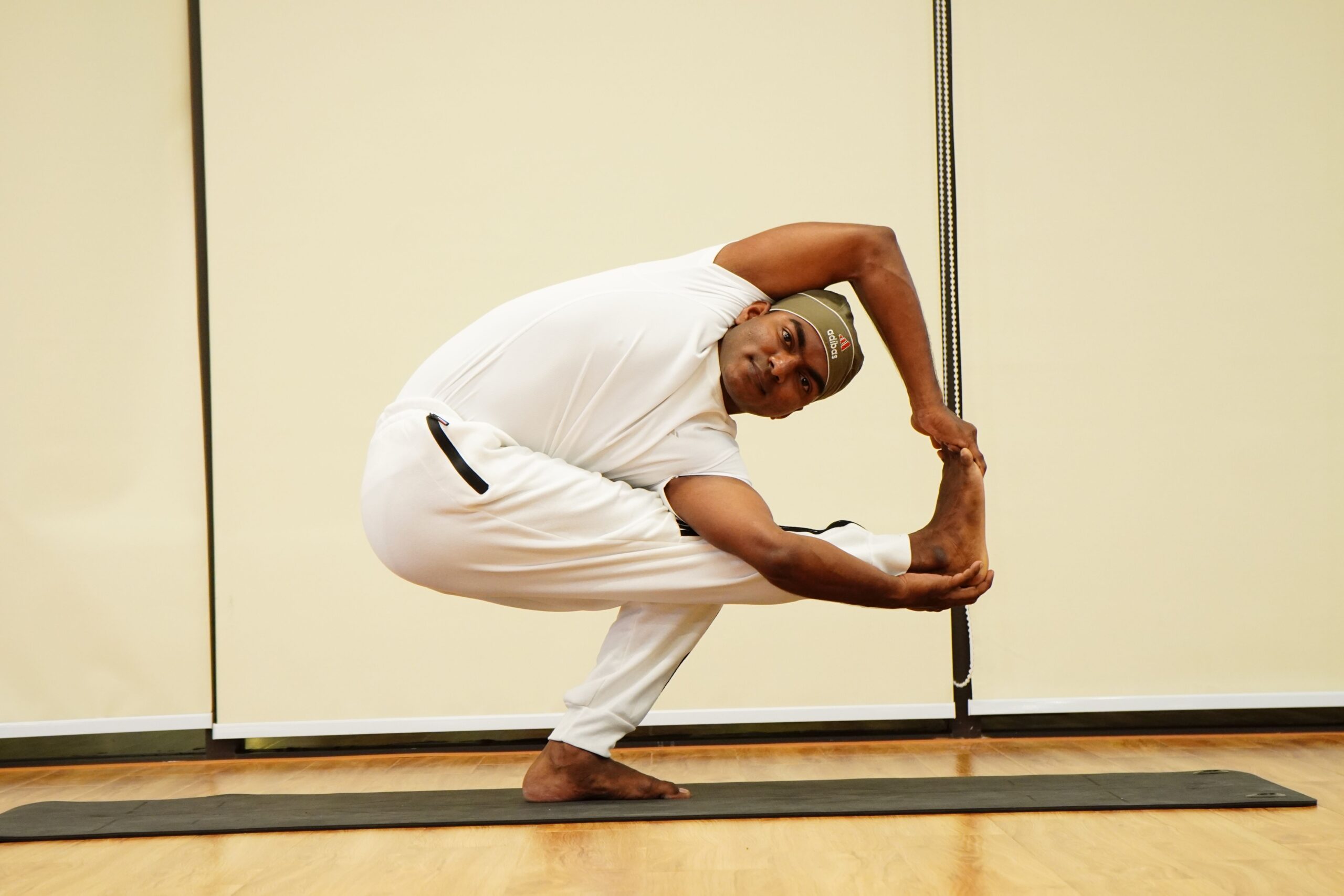
- Gentle stretching
- Proper meals
These practices help prevent chronic overtraining.
The Gut-Muscle Connection
Modern research increasingly links gut health with athletic performance.
Healthy digestion improves:
- Protein absorption
- Vitamin uptake
- Immune defense
- Energy production
Ayurveda has emphasized digestive strength (Agni) for centuries.
According to Ayurvedic Fitness, even the best diet cannot support performance if digestion remains weak.
Inflammation and Athletic Performance
Exercise creates controlled inflammation.
This is beneficial.
However, excessive inflammation slows recovery.
Ayurvedic practices naturally help regulate inflammatory responses through:
- Anti-inflammatory spices
- Proper sleep
- Meditation
- Healthy digestion
- Herbal support
Common Ayurvedic herbs include:
- Turmeric
- Ashwagandha
- Guduchi
- Amalaki
These herbs have attracted scientific interest for their antioxidant and adaptogenic properties.
Breath: The Forgotten Performance Tool
Breathing affects every system involved in exercise.
Poor breathing may increase:
- Fatigue
- Stress hormones
- Muscle tension
- Heart rate
Ayurveda teaches breathing practices known as Pranayama.
Regular practice may improve:
- Oxygen utilization
- Heart rate variability
- Mental focus
- Recovery
Popular breathing techniques include:
- Nadi Shodhana
- Bhramari
- Ujjayi
- Deep diaphragmatic breathing
Circadian Rhythm and Ayurvedic Fitness
Your body follows a biological clock.
Hormones fluctuate throughout the day.
Ayurveda recommends aligning exercise with natural energy cycles.
Morning:
Ideal for:
- Walking
- Yoga
- Moderate strength
Late afternoon:
Best for:
- Intense workouts
- Athletic training
- Resistance exercise
Evening:
Suitable for:
- Stretching
- Relaxation
- Recovery
This closely mirrors modern circadian biology.
Sleep Is the Ultimate Performance Enhancer
Many athletes underestimate sleep.
During deep sleep the body produces:
- Growth hormone
- Tissue repair proteins
- Immune cells
- Memory consolidation
Ayurvedic Fitness promotes better sleep through:
- Consistent bedtime
- Warm herbal drinks
- Oil massage
- Screen reduction
- Meditation
Better sleep equals better performance.
Movement According to Your Dosha
Vata Fitness
Best activities:
- Yoga
- Walking
- Pilates
- Moderate strength training
Avoid:
- Excessive cardio
- Sleep deprivation
Pitta Fitness
Ideal activities:
- Swimming
- Cycling
- Functional training
- Moderate resistance workouts
Avoid:
- Excessive heat
- Constant competition
Kapha Fitness
Best choices:
- HIIT
- Running
- Heavy lifting
- Circuit training
Avoid:
- Sedentary lifestyle
Ayurvedic Nutrition for Fitness
Food is considered medicine.
The goals include:
- Supporting digestion
- Reducing inflammation
- Enhancing recovery
- Building healthy tissues
Excellent foods include:
- Ghee
- Lentils
- Seasonal fruits
- Fresh vegetables
- Whole grains
- Nuts
- Seeds
- Healthy spices
Powerful Ayurvedic Spices for Athletes
Turmeric
Supports:
- Recovery
- Joint health
- Inflammation control
Ginger
Helps:
- Digestion
- Muscle soreness
- Circulation
Cinnamon
Supports:
- Blood sugar balance
- Energy stability
Cumin
Improves digestion and nutrient absorption.
Black Pepper
Enhances absorption of beneficial plant compounds.
also read: Ayurvedic Fitness for Busy Professionals: Stay Fit Naturally in Just 30 Minutes a Day
Adaptogens in Ayurvedic Fitness
Adaptogens help the body respond to physical stress.
Popular Ayurvedic adaptogens include:
Ashwagandha
May support:
- Strength
- Recovery
- Stress reduction
- Muscle growth
Shatavari
Supports:
- Recovery
- Hormonal balance
Guduchi
Known for immune and recovery support.
Amalaki
Rich in antioxidants that help reduce oxidative stress.
Hydration According to Ayurveda
Hydration isn’t only about drinking large amounts of water.
Ayurveda recommends:
- Drinking according to thirst
- Avoiding ice-cold beverages
- Consuming warm water when digestion feels sluggish
- Including electrolyte-rich natural foods
Mental Fitness Matters Too
Performance is deeply influenced by the mind.
Chronic stress raises cortisol.
High cortisol may reduce:
- Recovery
- Muscle growth
- Sleep quality
- Motivation
Ayurvedic Fitness emphasizes:
- Meditation
- Breathwork
- Gratitude
- Mindful eating
- Time in nature
These habits improve both mental and physical performance.
The Role of Yoga in Ayurvedic Fitness
Yoga complements strength training by improving:
- Flexibility
- Balance
- Coordination
- Joint mobility
- Recovery
Yoga also enhances nervous system regulation, making it valuable for athletes and recreational exercisers alike.
Daily Ayurvedic Fitness Routine
An ideal daily routine may include:
Morning
- Wake early
- Drink warm water
- Light stretching
- Breathwork
- Meditation
Breakfast
- Fresh, nourishing meal
Exercise
- Strength or cardio based on constitution
Lunch
- Largest meal of the day
Afternoon
- Hydration
- Walking
Evening
- Gentle stretching
- Light dinner
- Relaxation
Night
- Early sleep
Common Mistakes That Hurt Fitness Progress
Many people unknowingly sabotage results by:
- Skipping recovery
- Eating processed foods
- Ignoring digestion
- Overtraining
- Sleeping too little
- Living under constant stress
Ayurvedic Fitness encourages balance rather than extremes.
Scientific Parallels Between Ayurveda and Modern Exercise Physiology
| Ayurvedic Principle | Modern Scientific Equivalent |
|---|---|
| Agni | Digestive efficiency |
| Ojas | Recovery capacity and resilience |
| Ama | Chronic inflammation and metabolic waste |
| Dosha balance | Personalized physiology |
| Dinacharya | Circadian rhythm |
| Pranayama | Respiratory conditioning |
| Meditation | Nervous system regulation |
| Rasayana | Healthy aging and cellular support |
Benefits of Ayurvedic Fitness
Practicing Ayurvedic Fitness consistently may help:
- Improve endurance
- Enhance muscle recovery
- Increase flexibility
- Support digestive health
- Reduce chronic inflammation
- Improve sleep quality
- Balance hormones
- Strengthen immunity
- Maintain healthy weight
- Promote long-term vitality
- Increase mental clarity
- Improve athletic performance naturally
Who Can Benefit from Ayurvedic Fitness?
Almost everyone can incorporate Ayurvedic Fitness, including:
- Beginners starting a wellness journey
- Professional athletes
- Office workers with sedentary lifestyles
- Older adults seeking healthy aging
- Yoga practitioners
- Strength trainers
- Endurance athletes
- Busy professionals
- Individuals recovering from burnout
- Anyone looking for a sustainable approach to health
The practices can be adapted to different ages, fitness levels, and goals.
How to Get Started with Ayurvedic Fitness
If you’re new to Ayurvedic Fitness, you don’t need to overhaul your entire lifestyle overnight. Start with small, consistent changes that build lasting habits.
- Begin your day with warm water to support digestion.
- Follow a regular sleep and wake schedule.
- Choose whole, seasonal foods over highly processed meals.
- Include 20–40 minutes of movement most days of the week.
- Practice 5–10 minutes of deep breathing or meditation daily.
- Eat mindfully and avoid overeating.
- Allow adequate recovery between intense workouts.
- Stay hydrated throughout the day.
- Listen to your body’s energy instead of pushing through exhaustion.
- Build a routine you can maintain for years, not just weeks.
Remember, Ayurvedic Fitness focuses on sustainable progress rather than quick fixes.
Frequently Asked Questions
Is Ayurvedic Fitness only for people who practice yoga?
No. While yoga is an important part of Ayurveda, Ayurvedic Fitness also includes strength training, walking, running, mobility exercises, nutrition, sleep, recovery, and stress management.
Can Ayurveda help improve sports performance?
Ayurveda may support athletic performance by promoting better recovery, digestion, sleep, stress resilience, and overall physical balance. It should complement—not replace—evidence-based training and, when needed, medical advice.
Is Ayurvedic Fitness good for weight loss?
Yes. By improving digestion, supporting metabolism, encouraging regular movement, and reducing stress-related eating, Ayurvedic Fitness can contribute to healthy and sustainable weight management.
How long does it take to see results?
Some people notice improvements in energy, digestion, and sleep within a few weeks. Changes in strength, endurance, and body composition depend on consistency, nutrition, training, and individual health status.
Conclusion
The future of fitness may not lie in pushing harder—it may lie in training smarter. Ayurvedic Fitness offers a time-tested framework that combines movement, nourishment, recovery, breath, and mental well-being into one integrated system. Rather than chasing short-term results, it encourages habits that support lifelong health, resilience, and performance.
Modern research increasingly recognizes the importance of personalized exercise, gut health, quality sleep, stress management, and recovery—principles that Ayurveda has emphasized for centuries. While Ayurveda should not replace medical care or evidence-based sports training, it can serve as a valuable complementary approach for those seeking sustainable fitness.
Whether your goal is improved athletic performance, better energy, healthy aging, or overall well-being, Ayurvedic Fitness provides a balanced path that honors both ancient wisdom and modern science. By making small, consistent lifestyle changes, you can build a stronger body, a calmer mind, and a healthier future.