


Let’s be honest. Our skin is the over-sharer of our body. It doesn’t just keep our insides in; it blabs every single secret. That late-night pizza? “Hello, morning zit!” The stress of a work deadline? “Let me present these fine lines and dull complexion!” The skipped water day? “Behold, the Sahara Desert on my cheeks!”
We’ve all been there, frantically applying the latest 12-step, scientifically-baffling serum promising unicorn-level radiance, only to be disappointed. It’s like trying to fix a sinking boat by painting the deck. What if the secret to truly luminous, resilient skin isn’t found in a futuristic lab, but in a 5,000-year-old wisdom that whispers: “Dear one, you are a microcos of the universe. Let’s find your balance.”
Enter the Ayurvedic Skin-Care Routine. This isn’t a one-size-fits-all, harsh-acid-chasing trend. It’s a holistic, deeply intelligent dance between internal harmony and external nurturing. An authentic Ayurvedic Skin-Care Routine understands that your breakfast is as important as your face mask. It’s the original “skin fasting” and “clean beauty” movement, just without the Instagram hashtags (though #VataGlow is admittedly catchy).
So, grab a cup of herbal tea (probably turmeric-ginger, if we’re doing this right), and let’s dive into the world of Doshas, golden milk, and self-massage that makes you sigh with pleasure. This is your complete guide to building a personalized Ayurvedic Skin-Care Routine that works from your gut to your glow.
Part 1: The Foundation – What on Earth is Ayurveda & Why Does My Skin Care?
Before we slather ourselves in exotic herbs, let’s get the basics. Ayurveda (pronounced Aa-yur-vay-da) translates to “the science of life.” It originated in India over five millennia ago and is arguably the world’s oldest holistic healing system. Its core philosophy? Health is a state of vibrant balance between your body, mind, spirit, and environment.
Central to this are the three Doshas: Vata (Air & Space), Pitta (Fire & Water), and Kapha (Earth & Water). We all have a unique combination of these three, known as our Prakriti (natural constitution). Think of them as your body’s operating system. Skin issues, in Ayurveda, are a cry for help—a signal that one or more Doshas are out of whack (Vikriti).
- Vata Skin: When balanced, it’s thin, delicate, and quick to show age. Out of balance? It becomes dry, flaky, rough, prone to fine lines, and easily dehydrated. Imagine a delicate silk sari left in a dry, windy attic.
- Pitta Skin: When balanced, it’s fair, warm, glowing, and “luminous.” Out of balance? It’s sensitive, inflamed, prone to redness, rosacea, acne, rashes, and burns easily. Picture a pot of milk boiling over on a hot stove.
- Kapha Skin: When balanced, it’s thick, oily, soft, supple, and ages slowly. Out of balance? It becomes congested, oily, prone to blackheads, whiteheads, cystic acne, and puffiness. Think of a fertile, muddy field after too much rain.
An effective Ayurvedic Skin-Care Routine is first and foremost about identifying your dominant Dosha(s) and its current state. It’s detective work for your dermis! This personalized approach is what sets an Ayurvedic Skin-Care Routine apart from every cookie-cutter regimen on the market.
Part 2: The Internal Ayurvedic Skin-Care Routine: You Are What You Digest (Literally)
Forget “you are what you eat.” Ayurveda says, “You are what you digest.” The internal pillar of an Ayurvedic Skin-Care Routine is built on the concept of Agni (digestive fire). Weak Agni leads to Ama (toxins), which clog the system and inevitably show up as lackluster, problematic skin. So, we stoke the fire and keep the channels clear.
1. Dietary Dharma for Your Dosha:
Your plate is your first skincare product.
- For Vata Imbalance (Dryness): Favor warm, moist, grounding foods. Think cooked oats, steamed veggies, stews, soups, and healthy fats like ghee and avocado. Stay hydrated with warm water and herbal teas. Reduce cold salads, raw veggies, and excessive caffeine.
- For Pitta Imbalance (Inflammation): Embrace cool, sweet, bitter, and astringent foods. Favor cucumbers, sweet fruits, coconut, cilantro, and whole grains like barley and quinoa. Cooling spices like fennel and coriander are great. Reduce spicy, sour, salty foods, tomatoes, and fermented items.
- For Kapha Imbalance (Congestion): Opt for light, warm, dry, and stimulating foods. Think steamed greens, legumes, apples, pears, and plenty of spices like ginger, black pepper, and turmeric. Reduce heavy, oily, sweet, and salty foods like dairy, fried items, and excess nuts.
A unifying principle in any Ayurvedic Skin-Care Routine is the emphasis on sattvic (pure) foods—fresh, organic, and prepared with love. Processed foods? They’re considered tamasic (dulling) and are the arch-nemesis of clear skin.
2. The Magic of Internal Herbs & Potions:
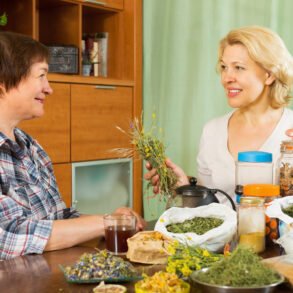
This is where the alchemy happens. Incorporating specific herbs (Rasayanas) is a cornerstone of the internal Ayurvedic Skin-Care Routine.
- Turmeric (Haridra): The golden goddess. A potent anti-inflammatory and antioxidant, it’s brilliant for Pitta-related inflammation and all-around radiance. A nightly warm “Golden Milk” (turmeric, ginger, black pepper, and milk/mylk) is a beloved ritual.
- Amla (Indian Gooseberry): A Vitamin C powerhouse that promotes collagen, fights free radicals, and is considered one of the best rejuvenators. Amla powder in warm water each morning is a classic.
- Neem: The ultimate purifier. It’s bitter, cooling, and blood-cleansing, making it exceptional for Pitta and Kapha-related acne and eruptions. Neem capsules or a dreadful-but-effective shot of neem tea can work wonders.
- Triphala: A three-fruit blend that gently detoxifies, improves digestion (stoking Agni!), and is revered for promoting clarity and vitality. Taken as a warm tea before bed, it’s a gentle daily tonic.
- Aloe Vera Juice: Cool, soothing, and hydrating, it’s a perfect internal coolant for fiery Pitta skin.
Remember, these herbs are powerful. Consulting with an Ayurvedic practitioner before starting is advised, especially for those with health conditions. This personalized internal plan is the engine of your Ayurvedic Skin-Care Routine.
3. Lifestyle & Rituals: The Unsung Heroes
Your skin doesn’t clock out at 6 PM. An internal Ayurvedic Skin-Care Routine extends to how you live.
- Sleep (Nidra): Called the “nourisher” in Ayurveda. Before 10 PM is considered Kapha time—heavy, grounding sleep. Post-10 PM is Pitta time—where your body burns energy. Early to bed is literally a beauty treatment.
- Stress Management: Stress spikes Pitta and Vata, leading to inflammation and breakdown. Daily meditation (Dhyana), gentle yoga, and breathing exercises (Pranayama) are non-negotiable tools. Your skin will thank you for the calm.
- Hydration: Sipping warm or room-temperature water throughout the day is preferred over guzzling icy water, which can dampen Agni. Infusing water with cucumber or mint is a Pitta-pleaser.
Part 3: The External Ayurvedic Skin-Care Routine: Love at First Touch
Now for the fun part—the touch, the smells, the self-massage! The external Ayurvedic Skin-Care Routine is about nurturing your skin’s intelligence, not stripping it into submission. It’s gentle, sensory, and profoundly effective.
The Daily Ritual (Dinacharya): A Step-by-Step Guide
1. Oil Cleansing (Sneha): Forget harsh foams. Here, like is treated with like. Oil dissolves oil, dirt, and sunscreen without disrupting the skin’s acid mantle.
* Vata: Nourishing sesame or almond oil.
* Pitta: Cooling coconut, sunflower, or brahmi oil.
* Kapha: Warming, light oils like jojoba or safflower with a drop of rosemary.
* Method: Gently massage onto dry skin for 1-2 minutes. Steam face with a warm, damp cloth and wipe away. This first step is a revelation in any Ayurvedic Skin-Care Routine.
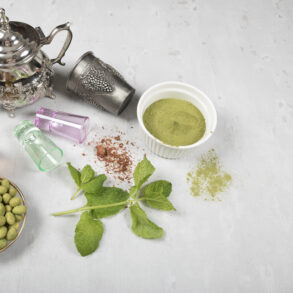
2. Herbal Cleansing (Lepana): A paste or gentle wash made from powdered herbs.
* Vata: A creamy paste of almond meal, oats, and chickpea flour (besan).
* Pitta: A cooling paste of sandalwood, rose, and neem powder.
* Kapha: An invigorating paste of orange peel, neem, and fuller’s earth (multani mitti).
* Method: Mix with water, rosewater, or milk to form a paste. Apply, let sit for a minute, and rinse. It’s a mini-mask every day!
3. Toning (Sthanika): Not with alcohol, but with floral or herbal waters (Arkas).
* Universal Favorite: Rose water (cooling, hydrating).
* Pitta/Kapha: Witch hazel or neem water.
* Method: Spritz or pat on. Simple.
4. Nourishing/Moisturizing (Abhyanga – Facial Style): The star of the show! This is where a facial oil tailored to your Dosha is applied to slightly damp skin.
* Vata: A rich blend with sesame, ashwagandha, and bhringraj.
* Pitta: A light blend with coconut, rose, and sandalwood.
* Kapha: A light, stimulating blend with jojoba, tulsi, and a hint of lemon.
* Method: 3-5 drops, pressed and gently massaged upward. Let it absorb. This step seals in hydration and delivers herbs deep into the skin.
5. Protection (Raksha): Sun protection is non-negotiable. While traditional Ayurveda used hats and shade, modern wisdom says: use a mineral sunscreen! Zinc oxide is naturally calming and protective.
Weekly Treatments: The Spa-Level Indulgence
- Ubtan: The original exfoliating and brightening mask. A mix of chickpea flour, turmeric, sandalwood, and milk/yogurt. It leaves skin impossibly soft and glowing. A true hallmark of a luxurious Ayurvedic Skin-Care Routine.
- Steaming (Swedana): With herbs like mint or lavender for Kapha/Pitta, or calming chamomile for Vata.
- Full-Body Abhyanga: The ultimate self-love ritual. Massaging warm oil (sesame for Vata, etc.) onto the entire body before a shower. It calms the nervous system, improves lymphatic drainage, and makes skin silky. It’s said to reverse aging. We’re in!
Part 4: FAQs & Funny Bones: Your Ayurvedic Skin-Care Routine Queries, Answered
Q1: This sounds like a lot of work. Do I have to do all of this?
A: Absolutely not! Start with ONE thing. Swap your harsh cleanser for an oil cleanse. Add turmeric to your dinner. Sip warm water. An Ayurvedic Skin-Care Routine is about intention, not perfection. It’s a gentle shift, not a rigid rulebook. Even one step is a step toward balance.
Q2: I’m a combination skin type! Is my face having an identity crisis?
A: Welcome to the club! Most of us are dual-Dosha. The key is to identify your primary imbalance. For example, oily T-zone (Kapha) with dry cheeks (Vata) and redness (Pitta)? Focus on the main agitator. You can also zone-treat: a lighter oil on the T-zone, a richer one on cheeks. Your Ayurvedic Skin-Care Routine can be as clever as you are.
Q3: Where do I get all these weird powders and oils?
A: Not so weird! Many are now in health food stores or online. Start with simple, food-grade ingredients from your kitchen: chickpea flour (besan), turmeric, oats, almond meal, coconut oil, sesame oil. The foundational Ayurvedic Skin-Care Routine is surprisingly accessible.
Q4: How long until I see results?
A: Patience, grasshopper. This isn’t a chemical peel. You might feel a difference (softer, calmer) in days. But for significant transformation, give it 4-6 weeks of consistent practice. Remember, we’re undoing years of imbalance. Good skin is grown, not purchased.
Q5: Can I use my regular serums with this?
A: You can, but you might not want to. Once you experience the simplicity and efficacy, those 10-bottle routines start to look…exhausting. If you do mix, apply your treatment serums after toning and before your facial oil. Let your personalized Ayurvedic Skin-Care Routine take the lead, and use actives sparingly.
Q6: My partner says I smell like curry now. Help?
A: Ah, the turmeric side effect. Fear not! High-quality turmeric doesn’t stain, and sandalwood or rose oil are gorgeous counter-scents. Or just lean in: “It’s not curry, darling, it’s my Ayurvedic Skin-Care Routine. Now, pass the papadums.”
Part 5: The Deeper Glow: Beyond the Skin
Ultimately, a true Ayurvedic Skin-Care Routine is a gateway. It teaches us to listen. Is my skin dry because I’m stressed (Vata) or because I ate a bag of salty chips (Pitta aggravating Vata)? It turns skincare into self-care, and self-care into self-awareness.
The ritual of warming the oil, the scent of the herbs, the mindful touch—these actions pull us out of the frantic “fix-it” mindset and into a space of nurturing. Your skin stops being a problem to be solved and becomes a partner to be understood. That’s where the real glow comes from: the quiet confidence of being in tune with yourself.
When this holistic Ayurvedic Skin-Care Routine is embraced, the results are often described not just as “clear skin,” but as “luminous,” “healthy,” “strong,” and “radiant.” It’s a glow that comes from every cell feeling nourished and balanced. It’s the difference between covering up and waking up.
So, begin. Start small. Identify your Dosha. Drink the warm water. Massage your feet with oil before bed. Observe. Laugh when you get it wrong. Celebrate when you get it right. Let this ancient, compassionate science guide you to the skin—and the self—you were always meant to have. Let your personalized Ayurvedic Skin-Care Routine be your daily map back to balance, one glowing, grateful cell at a time.