


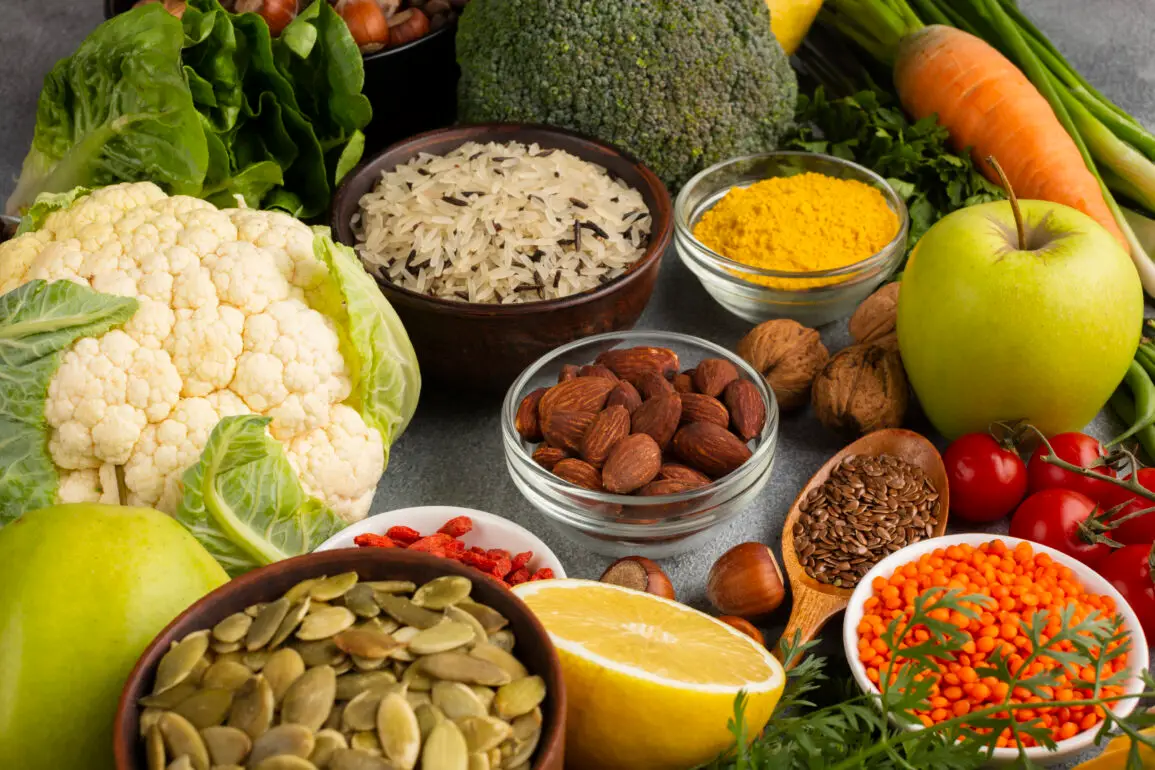
Ayurveda, the ancient science of life, teaches that food is more than fuel—it is medicine. One of the most profound principles of Ayurvedic nutrition is the understanding of the Six Tastes (Shad Rasa). These six tastes form the foundation of a balanced Ayurvedic diet and play a crucial role in maintaining physical, mental, and emotional well-being.
The concept of Healing Through the Six Tastes for natural wellness is central to Ayurvedic dietary wisdom. By incorporating all six tastes into daily meals, individuals can nourish their bodies, balance their doshas, support digestion, prevent disease, and achieve optimal health.
In this comprehensive Ayurvedic guide to everyday nutrition, we will explore the significance of the six tastes, their effects on the body and mind, and practical ways to include them in your daily diet.
Understanding the Ayurvedic Concept of Taste for natural wellness
According to Ayurveda, every food contains one or more tastes that influence the body’s doshas:
- Vata Dosha (Air + Ether)
- Pitta Dosha (Fire + Water)
- Kapha Dosha (Earth + Water)
The six tastes are:
- Sweet (Madhura)
- Sour (Amla)
- Salty (Lavana)
- Pungent (Katu)
- Bitter (Tikta)
- Astringent (Kashaya)
Each taste possesses unique energetic qualities and therapeutic benefits.
When consumed in proper proportions, the six tastes promote:
- Strong digestion
- Balanced doshas
- Enhanced immunity
- Healthy metabolism
- Emotional stability
- Natural detoxification
- Disease prevention
also read: Ayurvedic Gut Reset Therapy
Why the Six Tastes Matter in Ayurvedic Nutrition

Modern diets often overemphasize sweet, salty, and fatty foods while neglecting bitter and astringent tastes.
Ayurveda teaches that this imbalance contributes to:
- Weight gain
- Digestive disorders
- Inflammation
- Hormonal imbalance
- Fatigue
- Mental stress
The Ayurvedic approach encourages consuming all six tastes during meals to satisfy the body’s nutritional and energetic needs.
Benefits include:
- Reduced cravings
- Improved nutrient absorption
- Better digestion
- Enhanced mental clarity
- Stronger immunity
- Balanced energy levels
Sweet Taste (Madhura Rasa)

Elements
- Earth
- Water
Characteristics
Sweet taste is nourishing, grounding, cooling, and strengthening.
Foods with Sweet Taste
- Rice
- Wheat
- Milk
- Dates
- Mangoes
- Sweet potatoes
- Bananas
- Oats
- Almonds
Benefits of Sweet Taste
Nourishes Body Tissues
Sweet foods help build:
- Muscles
- Bones
- Blood
- Reproductive tissues
Promotes Longevity
The sweet taste supports growth, vitality, and longevity.
Calms the Nervous System
Sweet foods naturally soothe anxiety and stress.
Enhances Energy
Provides sustainable energy when consumed moderately.
Excess Sweet Taste
Too much sweet taste can cause:
- Obesity
- Diabetes
- Congestion
- Lethargy
- High cholesterol
Dosha Effects
- Decreases Vata
- Decreases Pitta
- Increases Kapha
Sour Taste (Amla Rasa)
Elements
- Earth
- Fire
Foods with Sour Taste
- Lemon
- Yogurt
- Fermented foods
- Tamarind
- Vinegar
- Pickles
Benefits of Sour Taste
Stimulates Digestion
Sour foods activate digestive enzymes.
Improves Appetite
Enhances hunger and nutrient absorption.
Supports Heart Health
Promotes circulation and vitality.
Refreshes the Mind
Creates alertness and enthusiasm.
Excess Sour Taste
May lead to:
- Acidity
- Skin disorders
- Inflammation
- Heartburn
Dosha Effects
- Decreases Vata
- Increases Pitta
- Increases Kapha
Salty Taste (Lavana Rasa)
Elements
- Water
- Fire
Foods with Salty Taste
- Rock salt
- Sea salt
- Mineral salts
- Sea vegetables
Benefits of Salty Taste
Improves Digestion
Supports digestive secretions.
Maintains Electrolyte Balance
Helps regulate fluid levels.
Softens Tissues
Promotes flexibility and lubrication.
Enhances Flavor
Improves overall meal satisfaction.
Excess Salty Taste

Can contribute to:
- Hypertension
- Water retention
- Premature aging
- Hair loss
Dosha Effects
- Decreases Vata
- Increases Pitta
- Increases Kapha
Pungent Taste (Katu Rasa)
Elements
- Fire
- Air
Foods with Pungent Taste
- Ginger
- Black pepper
- Chili peppers
- Garlic
- Onion
- Mustard
Benefits of Pungent Taste
Boosts Metabolism
Enhances fat burning and digestion.
Clears Congestion
Supports respiratory health.
Detoxifies the Body
Removes toxins through increased circulation.
Improves Mental Alertness
Stimulates focus and concentration.
Excess Pungent Taste
May cause:
- Irritability
- Dryness
- Acid reflux
- Insomnia
Dosha Effects
- Increases Vata
- Increases Pitta
- Decreases Kapha
Bitter Taste (Tikta Rasa)
Elements
- Air
- Ether
Foods with Bitter Taste
- Neem
- Bitter gourd
- Kale
- Spinach
- Turmeric
- Dandelion greens
Benefits of Bitter Taste
Powerful Detoxification
Supports liver cleansing and toxin elimination.
Purifies Blood
Traditionally used for skin and blood health.
Reduces Inflammation
Helps cool excess heat in the body.
Supports Weight Management
Reduces cravings and overeating.
Excess Bitter Taste
Can cause:
- Dryness
- Weakness
- Nutritional depletion
Dosha Effects
- Increases Vata
- Decreases Pitta
- Decreases Kapha
Astringent Taste (Kashaya Rasa)
Elements
- Air
- Earth
Foods with Astringent Taste
- Lentils
- Chickpeas
- Pomegranate
- Green tea
- Cranberries
- Beans
Benefits of Astringent Taste
Promotes Tissue Healing
Supports wound recovery.
Absorbs Excess Moisture
Helps manage diarrhea and excessive secretions.
Supports Weight Loss
Creates a feeling of fullness.
Purifies Blood
Assists natural detoxification.
Excess Astringent Taste
May result in:
- Constipation
- Gas
- Dry skin
- Anxiety
Dosha Effects
- Increases Vata
- Decreases Pitta
- Decreases Kapha
How the Six Tastes Balance the Doshas for natural wellness
Vata Dosha
Vata is dry, cold, and light.
Beneficial Tastes
- Sweet
- Sour
- Salty
Reduce
- Bitter
- Pungent
- Astringent
Ideal Foods
- Warm soups
- Cooked grains
- Dairy
- Healthy oils
Pitta Dosha
Pitta is hot, sharp, and intense.
Beneficial Tastes
- Sweet
- Bitter
- Astringent
Reduce
- Sour
- Salty
- Pungent
Ideal Foods
- Cooling fruits
- Leafy greens
- Coconut
- Cucumbers
Kapha Dosha
Kapha is heavy, moist, and stable.
Beneficial Tastes
- Bitter
- Pungent
- Astringent
Reduce
- Sweet
- Sour
- Salty
Ideal Foods
- Spices
- Beans
- Leafy vegetables
- Light grains
The Role of Agni in Ayurvedic Nutrition for natural wellness
Agni means digestive fire.
Strong Agni leads to:
- Better digestion
- Nutrient absorption
- Strong immunity
- Healthy metabolism
The six tastes work together to strengthen Agni.
Balanced Agni prevents:
- Toxin accumulation (Ama)
- Digestive disorders
- Fatigue
- Chronic disease
Healing Through the Six Tastes for Common Health Concerns

Digestive Health
The six tastes improve:
- Digestion
- Absorption
- Gut health
- Elimination
Helpful Foods
- Ginger
- Lemon
- Bitter greens
- Lentils
Weight Management
A balanced Ayurvedic diet helps regulate appetite naturally.
Key Tastes
- Bitter
- Pungent
- Astringent
These tastes reduce cravings and improve metabolism.
Immunity Enhancement
Immune-supporting foods include:
- Turmeric
- Garlic
- Ginger
- Dates
- Pomegranate
The six tastes collectively strengthen immune resilience.
Mental Wellness
Balanced nutrition affects emotional health.
Sweet Taste
Provides comfort and stability.
Bitter Taste
Promotes clarity.
Astringent Taste
Encourages discipline and focus.
Sample Ayurvedic Meal Incorporating All Six Tastes
Breakfast
- Oatmeal with dates
- Cinnamon
- Almonds
- Herbal tea
Lunch
- Brown rice
- Lentil dal
- Steamed vegetables
- Bitter greens
- Lemon dressing
Dinner
- Vegetable soup
- Quinoa
- Ginger-spiced vegetables
- Pomegranate salad
This meal plan naturally includes all six Ayurvedic tastes.
Seasonal Eating and the Six Tastes

Spring
Focus on:
- Bitter
- Pungent
- Astringent
Helps reduce Kapha accumulation.
Summer
Focus on:
- Sweet
- Bitter
- Astringent
Supports cooling and hydration.
Autumn
Focus on:
- Sweet
- Sour
- Salty
Balances Vata dryness.
Winter
Focus on:
- Sweet
- Sour
- Salty
Provides warmth and nourishment.
Ayurvedic Tips for Practicing the Six Tastes Daily
Eat Fresh Foods
Natural Wellness Fresh foods contain more life force (Prana).
Avoid Processed Foods
Processed foods disturb dosha balance.
Eat Mindfully
Chew thoroughly and avoid distractions.
Follow Seasonal Rhythms
Align meals with nature’s cycles.
Use Ayurvedic Spices
Include:
- Turmeric
- Cumin
- Coriander
- Fennel
- Ginger
Maintain Regular Meal Times
Consistency supports digestive health for Natural Wellness
Common Mistakes When Following an Ayurvedic Diet
Ignoring Individual Constitution
Each person has a unique dosha profile.
Overeating Healthy Foods
Even beneficial foods can create imbalance when consumed excessively.
Skipping Bitter and Astringent Foods
Modern diets often neglect these essential tastes.
Eating Without Hunger
Ayurveda encourages eating when digestion is ready.
Scientific Perspectives on Ayurvedic Nutrition
Modern nutrition Natural Wellness increasingly supports Ayurvedic principles.
Research highlights:
- Diverse plant foods improve gut health.
- Bitter compounds support liver function.
- Fermented foods aid digestion.
- Spices possess anti-inflammatory properties.
- Balanced diets reduce chronic disease risk.
Many Ayurvedic recommendations align with contemporary nutritional science.
Creating a Personalized Six-Taste Meal Plan
To personalize your Ayurvedic nutrition:
- Identify your dosha.
- Assess current imbalances.
- Choose seasonal foods.
- Include all six tastes daily.
- Prioritize digestive health.
- Adjust portions according to appetite.
Consistency yields the best results.