



Building lean muscle is often associated with high-protein diets, intense workouts, and expensive supplements. While these methods can be effective, they frequently overlook one essential aspect of fitness—overall health. Ayurvedic Strength Training offers a holistic alternative by combining ancient Ayurvedic wisdom with modern exercise science to help you gain lean muscle naturally while maintaining balance in your body and mind.
Unlike conventional bodybuilding approaches that focus solely on muscle size, Ayurvedic Strength Training emphasizes strength, endurance, vitality, proper digestion, hormonal balance, and long-term wellness. Instead of pushing the body beyond its limits, Ayurveda teaches us to train according to our unique constitution, nourish tissues through wholesome foods, and recover properly to maximize muscle growth.
In this comprehensive guide, you’ll discover how Ayurveda supports lean muscle development naturally through personalized nutrition, herbs, daily routines, recovery practices, and dosha-specific training methods.
What Is Ayurvedic Strength Training?
Ayurvedic Strength Training is the practice of combining resistance exercise with Ayurvedic principles to improve muscle strength, endurance, flexibility, and vitality.
Rather than viewing muscles in isolation, Ayurveda sees muscle development as part of the body’s entire physiological system.
According to Ayurveda:
- Strong digestion creates healthy tissues.
- Healthy tissues produce stronger muscles.
- Balanced hormones improve recovery.
- Quality sleep enhances muscle repair.
- Calm mental health improves workout performance.
Therefore, Ayurvedic Strength Training isn’t simply lifting weights—it is creating the perfect internal environment for sustainable muscle growth.
The Ayurvedic View of Muscle Tissue (Mamsa Dhatu)
In Ayurveda, muscles are known as Mamsa Dhatu, one of the seven body tissues.
These tissues are formed sequentially:
- Rasa (Plasma)
- Rakta (Blood)
- Mamsa (Muscle)
- Meda (Fat)
- Asthi (Bone)
- Majja (Nervous Tissue)
- Shukra (Reproductive Tissue)
Healthy digestion transforms food into nutrients that nourish each tissue.
If digestion is weak:
- Protein absorption decreases.
- Muscle recovery slows.
- Fat accumulates.
- Strength declines.
This explains why Ayurvedic Strength Training places so much emphasis on digestion before discussing protein intake.
Why Digestion Matters More Than Protein Alone
Modern fitness often focuses on consuming large amounts of protein.
Ayurveda asks a different question:
Can your body digest and absorb it?
Even the highest-quality protein cannot build muscle if digestive fire (Agni) is weak.
Signs of poor Agni include:
- Bloating
- Gas
- Constipation
- Fatigue after eating
- Poor appetite
- Slow recovery
Improving digestion naturally increases nutrient absorption, making every meal more effective for muscle building.
The Three Doshas and Strength Training
Every individual has a dominant dosha that influences their ideal workout style.
Vata Body Type
Characteristics:
- Lean build
- Fast metabolism
- Difficulty gaining weight
- Quick energy loss
Best workouts:
- Moderate weights
- Slow controlled repetitions
- Longer rest periods
- Consistent schedule
Best recovery:
- Warm oil massage
- Early sleep
- Nourishing meals
Pitta Body Type
Characteristics:
- Athletic physique
- Strong metabolism
- Builds muscle quickly
- Highly competitive
Best workouts:
- Moderate intensity
- Avoid excessive heat
- Swimming
- Evening workouts
Recovery:
- Cooling foods
- Hydration
- Relaxation techniques
Kapha Body Type
Characteristics:
- Naturally muscular
- Gains strength easily
- Slower metabolism
- Higher body fat tendency
Best workouts:
- High intensity
- Circuit training
- Heavy lifting
- Minimal rest
Recovery:
- Light meals
- Active recovery
- Morning exercise
Understanding your constitution is one of the greatest advantages of Ayurvedic Strength Training.
read more: Vitamin D Deficiency: Symptoms, Causes, Treatment, and Best Food Sources
Best Time to Train According to Ayurveda
Ayurveda divides the day into dosha periods.
Morning (6–10 AM)
Ideal for:
- Kapha types
- Fat loss
- Strength training
Afternoon (10 AM–2 PM)
Strong digestion
Excellent for:
- Post-workout meals
- Muscle recovery
Evening (6–8 PM)
Better for:
- Yoga
- Stretching
- Mobility work
Training at the right time enhances both energy and recovery.
Ayurvedic Nutrition for Lean Muscle Growth
Food is considered medicine in Ayurveda.
Instead of relying on processed supplements, Ayurvedic Strength Training emphasizes whole foods that nourish muscle tissue.
Best Protein Sources
- Mung beans
- Lentils
- Chickpeas
- Paneer
- Greek yogurt
- Milk (if tolerated)
- Almonds
- Pumpkin seeds
- Sesame seeds
- Organic eggs (if included)
Healthy Carbohydrates
Carbohydrates replenish muscle glycogen.
Best choices:
- Brown rice
- Quinoa
- Sweet potatoes
- Oats
- Millets
- Fruits
Healthy Fats
Healthy fats support hormone production.
Choose:
- Ghee
- Coconut
- Walnuts
- Almonds
- Avocados
- Flax seeds
The Importance of Agni for Muscle Growth
Strong Agni ensures:
- Better digestion
- Improved protein absorption
- Efficient metabolism
- Reduced inflammation
Ways to improve Agni:
- Eat warm meals
- Avoid overeating
- Drink warm water
- Include ginger
- Add cumin
- Use black pepper
- Eat mindfully
Ayurvedic Herbs That Support Strength Naturally
Several herbs have traditionally been used to support energy, recovery, and resilience. While research on some is promising, they should complement—not replace—good nutrition and training, and it’s wise to consult a qualified healthcare professional before using them, especially if you have medical conditions or take medications.
Ashwagandha
Benefits:
- Supports recovery
- Helps manage stress
- May support strength gains alongside resistance training
- Promotes better sleep
Shatavari
Helpful for:
- Recovery
- Hormonal balance
- Endurance
Gokshura
Traditionally used for:
- Physical stamina
- Exercise performance support
Safed Musli
Traditionally valued for:
- Strength
- Energy
- Recovery
Turmeric
Benefits:
- Supports recovery after exercise
- Helps maintain joint health
Importance of Sleep in Ayurvedic Strength Training
Muscles grow during recovery—not during workouts.
Ayurveda recommends:
- Sleep before 10 PM
- 7–9 hours nightly
- Avoid screens before bed
- Light dinner
- Warm milk with turmeric or nutmeg (if suitable)
Good sleep improves:
- Growth hormone release
- Recovery
- Strength
- Energy
- Mental focus
Stress Management for Better Muscle Growth
High stress elevates cortisol, which can interfere with recovery and muscle-building goals over time.
Ayurveda recommends:
- Meditation
- Pranayama
- Yoga Nidra
- Walking in nature
- Abhyanga (oil massage)
Lower stress leads to:
- Better workouts
- Improved digestion
- Better recovery
- More consistent progress
Sample Ayurvedic Strength Training Workout
Day 1
- Squats
- Bench Press
- Rows
- Planks
Day 2
- Walking
- Yoga
- Stretching
Day 3
- Deadlifts
- Shoulder Press
- Pull-Ups
- Farmer Carries
Day 4
Recovery
Day 5
- Lunges
- Incline Press
- Lat Pulldown
- Core Work
Day 6
Mobility
Day 7
Rest
Pre-Workout Ayurvedic Routine
Before training:
- Wake early
- Drink warm water
- Practice deep breathing
- Eat a light snack if needed (such as fruit with nuts)
- Warm up properly
This routine prepares both body and mind.
Post-Workout Recovery
Within 60–90 minutes:
- Eat a balanced meal with protein and carbohydrates
- Hydrate well
- Stretch gently
- Rest
Recovery is central to Ayurvedic Strength Training.
Best Spices for Muscle Health
Daily spices include:
- Ginger
- Turmeric
- Cinnamon
- Cardamom
- Cumin
- Coriander
- Black pepper
- Fennel
These spices support digestion and overall wellness.
Foods That May Slow Muscle Progress
Limit excessive amounts of:
- Highly processed foods
- Sugary beverages
- Deep-fried foods
- Excess alcohol
- Frequent overeating
Choosing mostly whole, minimally processed foods supports consistent training and recovery.
Hydration the Ayurvedic Way
Instead of constantly drinking ice-cold beverages, Ayurveda traditionally favors:
- Warm water
- Herbal teas
- Coconut water (when appropriate)
- Lemon water
Good hydration supports muscle function and recovery.
Yoga to Complement Strength Training
Yoga enhances:
- Mobility
- Recovery
- Balance
- Breathing
- Focus
Useful poses include:
- Downward Dog
- Warrior II
- Chair Pose
- Bridge Pose
- Cobra Pose
- Child’s Pose
Progressive Overload with Ayurvedic Wisdom
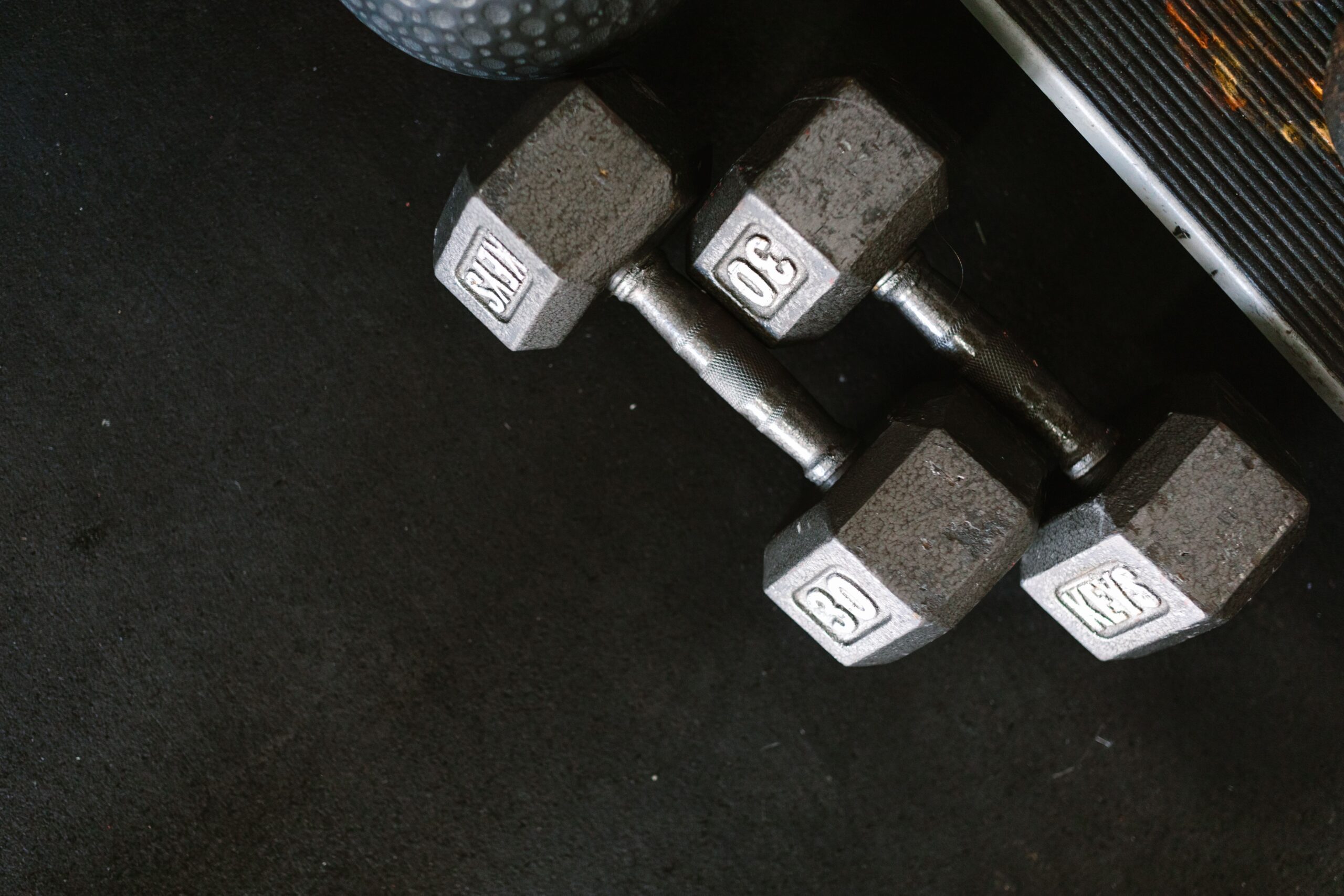
Modern science recommends progressive overload.
Ayurveda agrees with gradual improvement.
Increase gradually:
- Weight
- Repetitions
- Sets
- Training quality
Avoid sudden increases that raise injury risk.
Daily Ayurvedic Routine for Muscle Building
Morning:
- Wake early
- Warm water
- Stretch
- Exercise
- Nutritious breakfast
Afternoon:
- Main balanced meal
- Hydration
- Short walk
Evening:
- Light dinner
- Gentle stretching
- Meditation
- Early sleep
Consistency matters more than perfection.
Common Mistakes in Ayurvedic Strength Training
Avoid:
- Skipping meals
- Poor sleep
- Ignoring digestion
- Overtraining
- Training against your dosha
- Excessive processed supplements
- Chronic stress
- Inconsistent routines
Benefits of Ayurvedic Strength Training
Regular practice may help support:
- Lean muscle development
- Better digestion
- Improved recovery
- Increased energy
- Healthy body composition
- Better posture
- Joint mobility
- Mental focus
- Long-term sustainability
- Overall well-being
Sample One-Day Ayurvedic Muscle-Building Meal Plan
Breakfast
- Oatmeal with almonds
- Dates
- Warm milk (if tolerated)
Mid-Morning
- Seasonal fruit
- Handful of nuts
Lunch
- Brown rice
- Mung dal
- Paneer
- Vegetables
- Ghee
Snack
- Roasted chickpeas
- Herbal tea
Dinner
- Vegetable soup
- Quinoa
- Lentils
Before Bed
- Warm turmeric milk (optional)
Who Can Benefit from Ayurvedic Strength Training?
This approach may be suitable for:
- Beginners
- Athletes
- Busy professionals
- Older adults (with appropriate exercise modifications)
- Yoga practitioners
- People seeking sustainable fitness
- Individuals who prefer natural wellness approaches
Programs should always be adapted to individual health status and fitness level.
Frequently Asked Questions
Is Ayurvedic Strength Training effective for building lean muscle?
Yes. Ayurvedic Strength Training combines progressive resistance exercise with balanced nutrition, recovery, digestion support, and healthy lifestyle habits. Muscle growth still depends on sufficient training stimulus, adequate protein, calories, and recovery.
Can vegetarians build muscle using Ayurveda?
Absolutely. A well-planned vegetarian diet including legumes, dairy (if consumed), soy foods, whole grains, nuts, and seeds can provide sufficient protein for muscle development.
Which herb is most popular for strength?
Ashwagandha is among the most widely studied Ayurvedic herbs for supporting stress management and may contribute to improved strength and recovery when combined with resistance training.
How often should I strength train?
Most people benefit from resistance training 2–4 times per week, depending on experience, recovery, and goals.
Does Ayurveda replace modern fitness?
No. Ayurvedic Strength Training complements evidence-based exercise by emphasizing personalization, digestion, recovery, sleep, stress management, and overall health.
Final Thoughts
Ayurvedic Strength Training demonstrates that building lean muscle is about more than lifting heavier weights—it is about creating a healthy internal environment where your body can adapt, recover, and grow. By combining progressive resistance training with nourishing whole foods, mindful routines, restorative sleep, stress management, and personalized practices based on your constitution, you can pursue strength in a way that supports both performance and long-term wellness.
Rather than chasing rapid transformations, Ayurvedic Strength Training encourages consistent habits that build resilient muscles, sustainable energy, and overall vitality. When modern exercise principles are paired with the timeless wisdom of Ayurveda, the result is a balanced approach to fitness that helps you become not only stronger, but healthier as well.