



Growing older is one of life’s greatest privileges, but how we age makes all the difference. While modern medicine has dramatically increased life expectancy, many people spend their later years battling chronic diseases, low energy, joint pain, digestive problems, and declining mental clarity. Ayurveda offers a different perspective. Rather than merely extending lifespan, it teaches us how to preserve vitality, maintain balance, and enjoy every stage of life.
Ayurveda for Healthy Aging is not about chasing youth or preventing every wrinkle. Instead, it focuses on nourishing the body, calming the mind, strengthening immunity, and preserving the body’s natural intelligence. Through simple daily rituals, mindful eating, proper sleep, herbal support, and seasonal living, Ayurveda helps you age gracefully while maintaining strength, resilience, and inner peace.
In this comprehensive guide, you’ll discover the timeless Ayurvedic principles that promote longevity and vitality, along with practical daily habits you can begin implementing today.
Understanding Healthy Aging Through Ayurveda
Unlike conventional medicine, Ayurveda sees aging as a completely natural phase of life. Every individual passes through three major stages:
- Childhood (Kapha phase)
- Adulthood (Pitta phase)
- Old age (Vata phase)
As we grow older, Vata Dosha naturally increases. Vata governs movement, the nervous system, circulation, creativity, and communication. Excess Vata often causes:
- Dry skin
- Joint stiffness
- Constipation
- Anxiety
- Insomnia
- Weak digestion
- Memory decline
- Muscle loss
- Low energy
The goal of Ayurveda for Healthy Aging is not to eliminate Vata but to keep it balanced through nourishing routines.
The Ayurvedic Definition of Longevity
Ayurveda describes ideal health as the perfect harmony of:
- Balanced doshas
- Strong digestion (Agni)
- Proper tissue nourishment
- Efficient waste removal
- Calm mind
- Peaceful emotions
- Spiritual well-being
True longevity means living with:
- High energy
- Clear thinking
- Strong immunity
- Flexible joints
- Healthy digestion
- Emotional stability
- Purpose in life
Quality matters more than simply adding years.
Why Daily Rituals Matter
Ayurveda emphasizes Dinacharya, or daily routine.
The body loves rhythm.
Consistent habits regulate:
- Hormones
- Digestion
- Sleep cycles
- Metabolism
- Mood
- Energy production
A predictable daily schedule reduces stress and supports healthy aging naturally.
Morning Rituals for Healthy Aging
Wake Before Sunrise
According to Ayurveda, waking during Brahma Muhurta (roughly 90 minutes before sunrise) aligns the body with nature’s rhythms.
Benefits include:
- Mental clarity
- Better digestion
- Increased focus
- Calm nervous system
- Higher productivity
Drink Warm Water
One of the simplest practices in Ayurveda for Healthy Aging is drinking warm water immediately after waking.
Benefits:
- Flushes toxins
- Supports bowel movements
- Stimulates digestion
- Hydrates tissues
- Improves circulation
Add:
- Lemon
- Ginger
- Cumin
- Coriander
according to your constitution.
Tongue Scraping
Overnight toxins accumulate on the tongue.
Removing them:
- Freshens breath
- Improves taste
- Supports digestion
- Reduces bacterial buildup
This takes less than one minute but provides lifelong benefits.
Oil Pulling
Swishing sesame or coconut oil for 10–15 minutes helps:
- Improve oral health
- Reduce harmful bacteria
- Strengthen gums
- Lubricate tissues
Healthy aging begins with oral health.
Daily Self-Massage (Abhyanga)
One of Ayurveda’s greatest anti-aging practices is self-oil massage.
Warm sesame oil nourishes:
- Muscles
- Skin
- Joints
- Nervous system
Benefits include:
- Better circulation
- Improved sleep
- Reduced anxiety
- Flexible joints
- Soft skin
- Reduced Vata imbalance
Even 10 minutes daily creates profound long-term benefits.
Gentle Morning Movement
Exercise should nourish—not exhaust—the body.
Ideal options include:
- Yoga
- Walking
- Tai Chi
- Stretching
- Mobility exercises
Avoid excessive high-intensity workouts if energy is already low.
The goal is sustainable vitality.
Practice Pranayama
Breathing exercises strengthen both body and mind.
Excellent practices include:
- Nadi Shodhana
- Bhramari
- Ujjayi
- Deep diaphragmatic breathing
Benefits:
- Improves oxygen delivery
- Calms stress
- Enhances focus
- Supports heart health
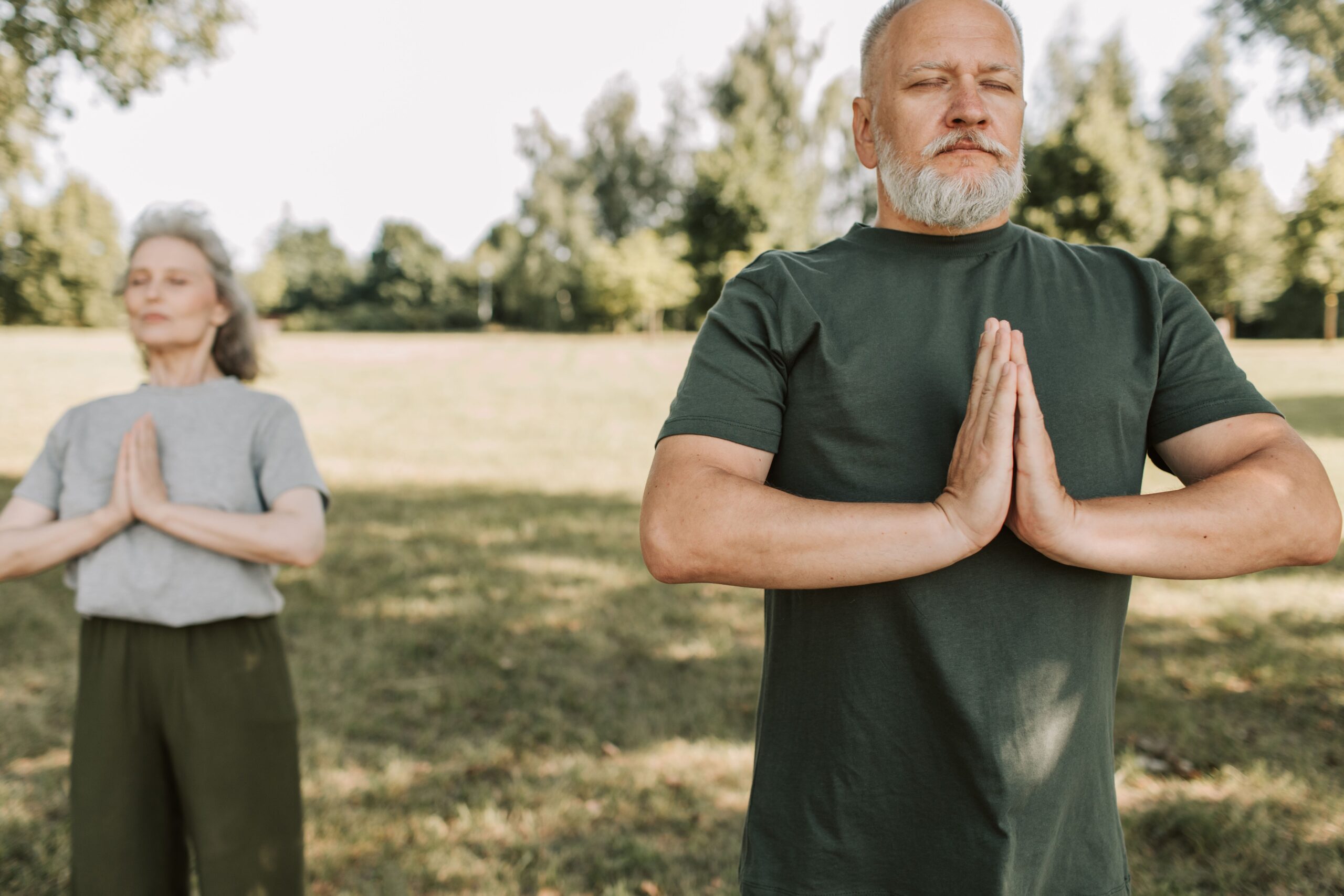
Meditation for Longevity
Chronic stress accelerates aging.
Daily meditation helps:
- Lower cortisol
- Improve emotional resilience
- Sharpen memory
- Enhance sleep
- Reduce inflammation
Even 15 minutes every morning supports graceful aging.
Eat According to Your Digestive Fire
Ayurveda teaches that health depends more on digestion than calories.
Strong digestion creates healthy tissues.
Weak digestion creates toxins known as Ama.
Support Agni by:
- Eating warm meals
- Avoiding overeating
- Eating only when hungry
- Limiting processed foods
- Avoiding ice-cold drinks
Anti-Aging Ayurvedic Foods
Ayurveda for Healthy Aging emphasizes nutrient-dense foods.
Choose:
Healthy fats
- Ghee
- Sesame oil
- Olive oil
- Coconut
These lubricate tissues and calm Vata.
Fresh vegetables
Cooked vegetables digest more easily than raw salads for most older adults.
Excellent choices:
- Carrots
- Pumpkin
- Sweet potato
- Squash
- Spinach
Whole grains
Include:
- Oats
- Barley
- Brown rice
- Millet
- Quinoa
These provide sustained energy.
Protein
Adequate protein preserves muscle mass.
Good options:
- Lentils
- Mung beans
- Chickpeas
- Dairy (if tolerated)
- Eggs
- Fish (depending on dietary preferences)
Fruits
Best anti-aging fruits:
- Pomegranate
- Berries
- Apples
- Pears
- Dates
- Figs
Rich in antioxidants.
The Importance of Rasayana Therapy
Rasayana means rejuvenation.
It focuses on:
- Cellular nourishment
- Tissue repair
- Immune support
- Healthy longevity
Rather than masking symptoms, Rasayana rebuilds vitality from within.
Powerful Ayurvedic Herbs for Healthy Aging
Ashwagandha
Known for:
- Reducing stress
- Supporting muscles
- Improving sleep
- Enhancing strength
Ideal for nervous system balance.
Amalaki (Amla)
Rich in natural vitamin C and antioxidants.
Supports:
- Immunity
- Skin
- Digestion
- Liver
- Vision
One of Ayurveda’s finest longevity herbs.
Guduchi
Benefits include:
- Detoxification
- Immune balance
- Liver health
- Reduced inflammation
Brahmi
Excellent for:
- Memory
- Focus
- Concentration
- Mental calmness
Supports healthy brain aging.
Shatavari
Supports:
- Hormonal balance
- Hydration
- Tissue nourishment
Particularly beneficial for women.
Guggulu
Helps maintain:
- Healthy joints
- Cholesterol balance
- Weight management
read also: Ayurvedic Cellular Nutrition: Feeding Every Cell Through Ancient Wisdom
Healthy Digestion Equals Healthy Aging
Poor digestion accelerates aging.
Signs include:
- Gas
- Bloating
- Fatigue
- Brain fog
- Constipation
Support digestion through:
- Warm foods
- Ginger tea
- Eating slowly
- Mindful chewing
- Regular meal times
Hydration the Ayurvedic Way
Avoid drinking large amounts of cold water.
Instead:
- Sip warm water
- Drink herbal teas
- Consume soups
- Eat water-rich fruits
Proper hydration keeps tissues youthful.
Sleep as Medicine
Ayurveda considers sleep one of the three pillars of health.
Healthy sleep promotes:
- Tissue repair
- Hormonal balance
- Memory
- Immunity
- Longevity
Tips:
- Sleep before 10 PM
- Avoid screens before bed
- Read calming books
- Drink warm herbal milk
- Practice gratitude
Managing Stress Naturally
Stress ages every organ.
Daily stress management may include:
- Meditation
- Nature walks
- Yoga
- Prayer
- Journaling
- Music
- Deep breathing
A calm mind protects the body.
Seasonal Living for Longevity
Nature changes.
Our routines should change too.
Spring
Focus on cleansing.
Summer
Eat cooling foods.
Autumn
Increase nourishing oils.
Winter
Choose warming meals and extra rest.
Seasonal adaptation is central to Ayurveda for Healthy Aging.
Keeping the Mind Young
Mental flexibility supports physical vitality.
Stimulate the brain by:
- Reading
- Learning languages
- Playing music
- Solving puzzles
- Social interaction
Mental activity protects cognitive function.
The Role of Positive Emotions
Ayurveda recognizes emotional health as physical medicine.
Cultivate:
- Gratitude
- Compassion
- Joy
- Forgiveness
- Patience
Negative emotions increase inflammation and stress hormones.
Importance of Healthy Relationships
Human connection promotes longevity.
Strong relationships improve:
- Emotional resilience
- Immune health
- Mental well-being
- Happiness
Spend meaningful time with family and friends.
Gentle Detoxification
Rather than aggressive cleanses, Ayurveda prefers regular, gentle detoxification.
Practices include:
- Warm water
- Herbal teas
- Light meals
- Seasonal fasting (when appropriate)
- Digestive spices
The body detoxifies more effectively when digestion is strong.
Yoga for Healthy Aging
Excellent poses include:
- Mountain Pose
- Tree Pose
- Cat-Cow
- Cobra
- Child’s Pose
- Bridge Pose
- Legs-Up-the-Wall
Benefits:
- Balance
- Flexibility
- Bone strength
- Better circulation
Protecting Joint Health
Joint care becomes increasingly important with age.
Support joints by:
- Daily oil massage
- Healthy fats
- Gentle stretching
- Anti-inflammatory herbs
- Avoiding excessive dryness
Supporting Heart Health
Ayurveda promotes cardiovascular wellness through:
- Balanced diet
- Walking
- Meditation
- Healthy weight
- Proper digestion
Stress reduction is equally important.
Skin Care from the Inside Out
Healthy skin reflects healthy tissues.
Support skin with:
- Hydration
- Ghee
- Healthy fats
- Seasonal fruits
- Oil massage
- Good sleep
Natural glow comes from internal balance.
Healthy Aging for Women
Women benefit from:
- Hormonal support
- Iron-rich foods
- Bone-strengthening exercise
- Stress reduction
- Restorative yoga
Shatavari is traditionally valued for supporting female vitality.
Healthy Aging for Men
Men should prioritize:
- Muscle maintenance
- Heart health
- Stress management
- Adequate protein
- Strength training
- Ashwagandha for resilience
Common Habits That Accelerate Aging
Avoid:
- Chronic stress
- Smoking
- Excess alcohol
- Processed foods
- Poor sleep
- Sedentary lifestyle
- Overworking
- Excessive sugar
- Negative thinking
Reducing these habits can dramatically improve long-term health.
Building an Ayurvedic Daily Routine
A simple schedule may look like this:
Morning
- Wake early
- Warm water
- Tongue scraping
- Oil pulling
- Yoga
- Meditation
- Nourishing breakfast
Afternoon
- Largest meal at lunch
- Short walk
- Hydration
- Focused work
Evening
- Light dinner
- Family time
- Gentle stretching
- Herbal tea
- Gratitude practice
- Early bedtime
Consistency matters more than perfection.
Scientific Perspectives on Ayurvedic Healthy Aging
Many Ayurvedic practices align with modern research on healthy aging. Regular physical activity supports cardiovascular fitness and muscle preservation. Meditation and controlled breathing have been associated with reduced stress and improved emotional well-being. Diets rich in whole foods, healthy fats, colorful fruits, vegetables, and spices provide antioxidants that help protect cells from oxidative stress. Adequate sleep, social connection, and stress management are also recognized as important contributors to healthy aging. While traditional Ayurvedic herbs show promise in research, their effectiveness and safety can vary, so they should be used thoughtfully and ideally under the guidance of a qualified healthcare professional, especially if you have medical conditions or take prescription medications.
Frequently Asked Questions
Is Ayurveda for Healthy Aging suitable for everyone?
Many Ayurvedic lifestyle practices—such as regular routines, mindful eating, yoga, and meditation—can benefit most people. However, herbal supplements and individualized treatments should be tailored to your constitution, age, health status, and medications with guidance from a qualified practitioner.
Which dosha is most important during aging?
Vata naturally becomes more dominant with age, making grounding, nourishing, and warming habits especially helpful.
Can Ayurveda reverse aging?
No system can stop or reverse biological aging. Ayurveda aims to support healthy aging by optimizing digestion, resilience, vitality, mobility, and overall quality of life.
How long does it take to notice benefits?
Many people notice improvements in sleep, digestion, energy, and stress levels within a few weeks of consistently following healthy Ayurvedic routines, though long-term benefits depend on sustained habits.
Are Ayurvedic herbs safe?
Many traditional herbs have a long history of use, but they may interact with medications or be unsuitable for certain health conditions. Always consult a qualified healthcare provider before starting new herbal supplements.
Final Thoughts
Ayurveda for Healthy Aging reminds us that longevity is about far more than adding years to life—it is about adding life to those years. By following nourishing daily rituals, eating in harmony with your digestive fire, practicing mindful movement, prioritizing restorative sleep, and caring for your emotional well-being, you create a strong foundation for lasting vitality.
Graceful aging is built through consistent, intentional choices. Start with one or two simple habits—such as waking at a regular time, enjoying warm, wholesome meals, or practicing a few minutes of meditation each day. Over time, these small actions can help you maintain energy, resilience, and a sense of balance throughout every stage of life.
When practiced consistently and adapted to your individual needs, Ayurveda for Healthy Aging offers a practical, holistic framework for supporting health, longevity, and vitality well into the later years.