


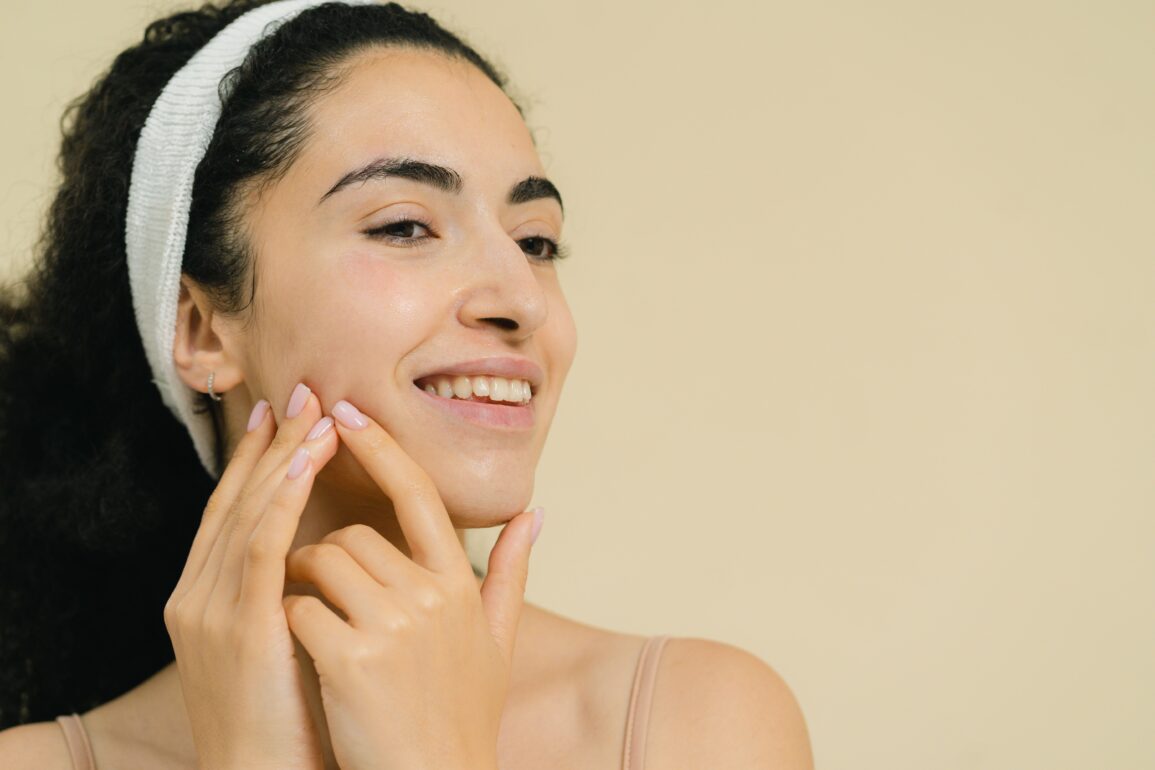
Healthy, glowing skin is more than just a cosmetic goal—it is a reflection of your body’s internal balance. While modern skincare often focuses on creams, serums, and treatments, Ayurveda, India’s ancient system of holistic healing, teaches that beautiful skin begins within. According to Ayurveda, true skin health depends on balanced digestion, proper nutrition, emotional wellbeing, quality sleep, and harmony among the body’s three doshas.
This Ayurvedic Guide to Healthy Skin explores how ancient wisdom can help you achieve naturally radiant skin by healing your body from the inside out. Instead of masking skin concerns, Ayurveda addresses their root causes, promoting lasting wellness rather than temporary fixes.
Whether you’re struggling with acne, dryness, pigmentation, premature aging, or dullness, this guide offers practical Ayurvedic strategies to support healthy skin naturally.
Understanding Skin Through Ayurveda
In Ayurveda, the skin (Twak) is considered a mirror of internal health. Problems like acne, eczema, pigmentation, or premature wrinkles often indicate imbalances elsewhere in the body.
Healthy skin depends on:
- Balanced Doshas
- Strong Agni (Digestive Fire)
- Pure Rakta Dhatu (Healthy Blood)
- Healthy Liver Function
- Proper Hydration
- Good Sleep
- Mental Peace
- Nutritious Diet
This holistic philosophy makes the Ayurvedic Guide to Healthy Skin fundamentally different from conventional skincare approaches.
Why Healthy Skin Starts Inside
Ayurveda teaches that external beauty reflects internal harmony.
Internal factors affecting skin include:
- Poor digestion
- Chronic inflammation
- Toxin accumulation (Ama)
- Stress
- Hormonal imbalance
- Poor circulation
- Nutritional deficiencies
No expensive skincare routine can fully compensate for internal imbalance.
The Three Doshas and Your Skin
Vata Skin
Characteristics:
- Thin skin
- Dryness
- Rough texture
- Fine wrinkles
- Cracks easily
- Sensitive to cold weather
Common problems:
- Premature aging
- Dehydration
- Dull complexion
Best Practices
- Warm oil massage
- Healthy fats
- Warm cooked meals
- Hydration
- Early bedtime
Pitta Skin
Characteristics:
- Soft skin
- Warm complexion
- Sensitive
- Tends to become red easily
Common problems:
- Acne
- Rosacea
- Rashes
- Pigmentation
- Sun sensitivity
Best Practices
- Cooling foods
- Aloe vera
- Cucumber
- Coconut
- Avoid spicy foods
Kapha Skin
Characteristics:
- Thick skin
- Oily
- Smooth texture
- Strong elasticity
Common problems:
- Acne
- Blackheads
- Enlarged pores
- Congestion
Best Practices
- Regular exfoliation
- Exercise
- Light diet
- Herbal cleansing

The Role of Digestion in Skin Health
One of Ayurveda’s most important teachings is that poor digestion eventually appears on the skin.
Weak digestion creates:
- Ama (toxins)
- Poor nutrient absorption
- Blood impurities
- Inflammation
Improving digestion naturally enhances skin clarity.
Tips include:
- Eat fresh food
- Avoid overeating
- Eat mindfully
- Drink warm water
- Include digestive spices
Ama: The Hidden Cause of Skin Problems
Ama is partially digested food that accumulates inside the body.
Signs include:
- Acne
- White coating on tongue
- Bad breath
- Fatigue
- Constipation
- Skin dullness
Removing Ama is central to every Ayurvedic Guide to Healthy Skin.
Foods That Naturally Improve Skin
Ayurveda recommends fresh, seasonal foods rich in life energy.
Excellent skin foods include:
- Pomegranate
- Papaya
- Amla
- Sweet potatoes
- Pumpkin
- Spinach
- Beetroot
- Carrots
- Coconut
- Soaked almonds
- Sesame seeds
- Ghee
- Mung beans
These foods nourish tissues while reducing inflammation.
Foods That Damage Skin
Avoid excessive:
- Fried foods
- Refined sugar
- Processed snacks
- Soft drinks
- Alcohol
- Artificial additives
- Excess dairy (for acne-prone individuals)
- Late-night meals
Such foods increase toxins and imbalance the doshas.
Ayurvedic Herbs for Healthy Skin
Neem
Known for:
- Blood purification
- Acne support
- Antibacterial effects
Turmeric
Benefits:
- Anti-inflammatory
- Brightens complexion
- Reduces pigmentation
- Supports healing
Manjistha
One of Ayurveda’s best herbs for:
- Blood cleansing
- Skin detoxification
- Complexion enhancement
Amla
Rich in natural Vitamin C.
Benefits:
- Collagen support
- Antioxidant protection
- Healthy aging
Guduchi
Supports:
- Immunity
- Detoxification
- Healthy liver
- Clear skin
Aloe Vera
Excellent for:
- Hydration
- Cooling Pitta
- Healing irritated skin

read another article from us: 10 Ayurvedic Blueprint for Metabolic Flexibility: Balance Blood Sugar and Energy Naturally
Healthy Fats for Glowing Skin
Ayurveda emphasizes healthy fats.
Excellent options:
- Ghee
- Coconut
- Flaxseed
- Sesame
- Walnuts
- Avocados
Healthy fats improve skin elasticity naturally.
Hydration According to Ayurveda
Hydration isn’t only about drinking water.
Ayurveda recommends:
- Warm water
- Herbal teas
- Fresh fruits
- Soups
- Coconut water
Avoid excessive iced beverages.
Daily Ayurvedic Skin Routine (Dinacharya)
Morning routine:
- Wake before sunrise
- Tongue scraping
- Warm water
- Oil pulling
- Gentle yoga
- Meditation
- Nutritious breakfast
Skin care:
- Herbal cleanser
- Rose water
- Natural moisturizer
- Sunscreen when needed
Night routine:
- Remove makeup
- Gentle cleansing
- Facial massage
- Early sleep
Abhyanga: Ayurvedic Oil Massage
Daily oil massage nourishes skin while improving circulation.
Benefits include:
- Reduced dryness
- Better elasticity
- Improved lymphatic drainage
- Relaxation
- Delayed aging
Choose oils according to your dosha.
Natural Face Packs
For Dry Skin
Ingredients:
- Honey
- Milk cream
- Sandalwood
For Oily Skin
Ingredients:
- Multani Mitti
- Neem powder
- Rose water
For Sensitive Skin
Ingredients:
- Oatmeal
- Aloe vera
- Cucumber juice
For Glowing Skin
Ingredients:
- Turmeric
- Yogurt
- Gram flour
- Honey
Beauty Sleep in Ayurveda
Nighttime is when the body repairs itself.
Lack of sleep contributes to:
- Dark circles
- Dullness
- Fine lines
- Puffiness
Aim for 7–8 hours of quality sleep.
Stress and Skin
Emotional stress aggravates Vata and Pitta.
Common stress-related issues:
- Acne
- Hair fall
- Dryness
- Premature wrinkles
- Eczema flare-ups
Stress management includes:
- Meditation
- Yoga
- Breathing exercises
- Nature walks
Yoga for Healthy Skin
Beneficial poses:
- Cobra Pose
- Child’s Pose
- Camel Pose
- Forward Bend
- Bridge Pose
- Shoulder Stand (if appropriate)
These improve circulation and reduce stress.
Pranayama for Radiant Skin
Practice:
- Anulom Vilom
- Bhramari
- Sheetali
- Nadi Shodhana
These calm the nervous system while supporting oxygen delivery.
Ayurvedic Skin Care by Season
Summer
Focus on cooling:
- Coconut water
- Aloe vera
- Cucumber
- Mint
Winter
Focus on nourishment:
- Ghee
- Sesame oil
- Warm soups
- Oil massage
Rainy Season
Focus on digestion:
- Ginger tea
- Warm meals
- Avoid heavy foods
Ayurvedic Anti-Aging Principles
Healthy aging depends upon preserving Ojas.
Recommendations:
- Nutritious diet
- Adequate sleep
- Meditation
- Regular exercise
- Healthy digestion
- Rasayana herbs
Common Skin Problems and Ayurvedic Approaches
Acne
Support with:
- Neem
- Turmeric
- Low-sugar diet
- Stress reduction
Dry Skin
Increase:
- Healthy fats
- Oil massage
- Warm foods
Pigmentation
Support:
- Turmeric
- Manjistha
- Sun protection
Wrinkles
Focus on:
- Hydration
- Antioxidants
- Facial massage
- Healthy fats
The Importance of Gut Health
The gut directly influences skin appearance.
Support gut health by:
- Eating fiber-rich foods
- Consuming fermented foods in moderation
- Staying hydrated
- Managing stress
- Maintaining regular bowel movements
A healthy gut supports clearer skin naturally.
Building an Ayurvedic Lifestyle for Long-Term Skin Health
Consistency is key. Small daily habits create lasting results.
Daily habits include:
- Eat fresh, seasonal meals
- Follow regular meal times
- Practice yoga
- Meditate
- Stay hydrated
- Sleep early
- Exercise regularly
- Avoid excessive processed foods
- Spend time outdoors
- Maintain a positive mindset
Frequently Asked Questions
Does Ayurveda really improve skin?
Ayurveda aims to improve skin by addressing internal factors such as digestion, nutrition, stress, and lifestyle. Results often develop gradually with consistent habits.
Which Ayurvedic herb is best for glowing skin?
Commonly used herbs include turmeric, manjistha, neem, amla, aloe vera, and guduchi. The best choice depends on individual needs and should be discussed with a qualified practitioner.
Can Ayurveda help acne?
Ayurvedic approaches often focus on balancing digestion, reducing inflammation, supporting healthy blood, and following a skin-friendly diet alongside appropriate skincare.
How long does it take to see results?
Improvements vary from person to person. Some people notice changes within a few weeks, while deeper skin concerns may require several months of consistent lifestyle changes.
Is diet more important than skincare?
In Ayurveda, diet is considered the foundation of skin health because it nourishes the body from within. External skincare complements—but does not replace—a healthy diet and lifestyle.
Conclusion
The Ayurvedic Guide to Healthy Skin reminds us that glowing skin is not achieved through expensive cosmetics alone. It is the natural result of balanced digestion, nourishing foods, proper hydration, restorative sleep, stress management, and daily self-care. By aligning your lifestyle with Ayurvedic principles, you support your body’s innate ability to heal and maintain vibrant skin from the inside out.
Rather than chasing quick fixes, embrace consistency. Simple practices such as eating fresh seasonal foods, using time-tested herbs wisely, practicing yoga and meditation, performing regular oil massage, and honoring your body’s natural rhythms can transform not only your complexion but also your overall wellbeing. When inner health flourishes, healthy, radiant skin follows naturally.