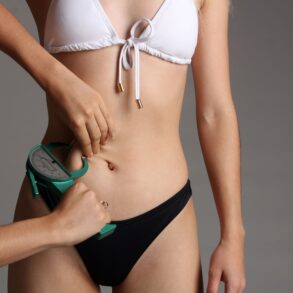



Stretch marks are one of the most common skin concerns people search for help with — and one of the most misunderstood. Whether they appear during pregnancy, puberty, weight change, or muscle growth, stretch marks are a completely natural response of the skin to rapid stretching. This guide breaks down what causes them, how to prevent them where possible, and how time-tested Ayurvedic remedies can support smoother, healthier-looking skin.
What Are Stretch Marks?
Stretch marks, medically known as striae, are streaks or lines that form in the skin when it’s stretched faster than its natural elasticity can accommodate. This causes the middle layer of skin (the dermis) to tear slightly, which can initially appear as reddish, purplish, or dark lines depending on skin tone, before gradually fading to a lighter, silvery shade over time.
How Stretch Marks Form Under the Skin
The dermis contains collagen and elastin fibers that give skin its strength and flexibility. When skin stretches too quickly — such as during a growth spurt or pregnancy — these fibers can rupture. The body responds by producing scar-like tissue in the affected area, which is what gives stretch marks their distinct texture and appearance.
The Role of Collagen and Elastin
Collagen provides structural support, while elastin allows skin to stretch and bounce back. When either of these proteins is weakened — due to hormonal changes, dehydration, or genetics — skin becomes more vulnerable to tearing under tension, making stretch marks more likely to form.
Common Causes of Stretch Marks

Pregnancy
Rapid abdominal growth during pregnancy is one of the leading causes of stretch marks, driven by both physical stretching and hormonal shifts that affect skin elasticity.
Puberty and Growth Spurts
Fast growth during adolescence can outpace the skin’s ability to adapt, commonly leading to stretch marks on the thighs, hips, back, and breasts.

Weight Fluctuation
Both rapid weight gain and rapid weight loss can stretch or loosen skin faster than it can adjust, increasing the likelihood of visible marks.
Muscle Gain
Bodybuilders and athletes who build muscle quickly often develop stretch marks, particularly around the shoulders, arms, and thighs, due to fast tissue expansion.
Hormonal and Genetic Factors
Conditions that affect cortisol levels, along with a family history of stretch marks, can make certain individuals more prone to developing them regardless of lifestyle.
Why Genetics Play a Bigger Role Than Many Expect
Skin elasticity is significantly influenced by genetics. Two people with identical lifestyles and body changes can have very different outcomes simply based on inherited skin structure — which is why prevention isn’t always fully within anyone’s control.
also read: Longevity Nutrition 2026: The Best Foods for Healthy Aging and Cellular Repair
Can Stretch Marks Be Prevented?
While stretch marks cannot always be entirely prevented, especially when genetics and hormones are involved, supporting skin elasticity and hydration can reduce their severity and improve how skin responds to stretching.
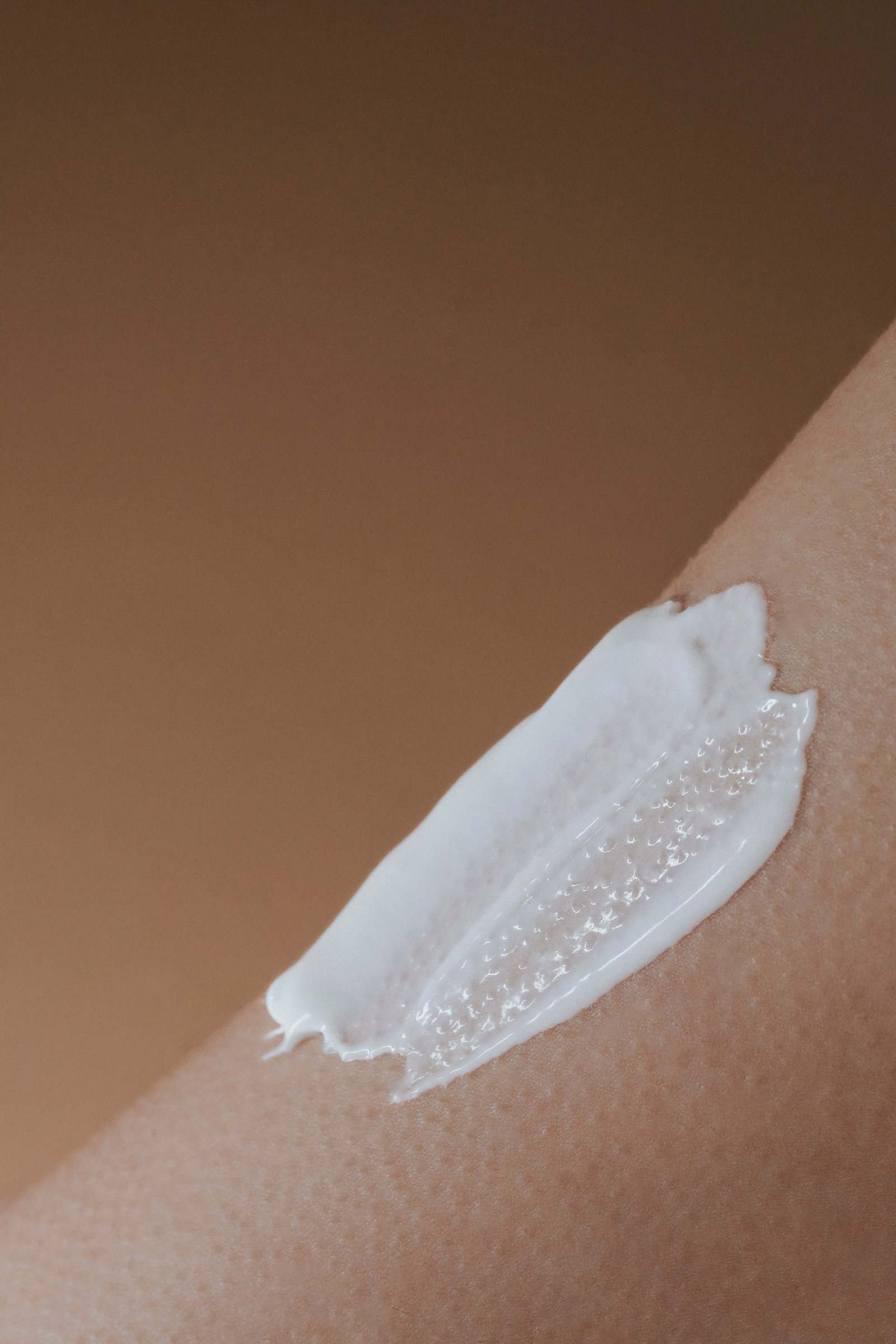
Daily Skin Hydration
Well-moisturized skin is more pliable and better equipped to handle stretching without tearing as easily. Consistent hydration — both topical and internal — is one of the simplest, most effective preventive habits.
Gradual Weight Management
Slower, steadier weight changes give skin more time to adjust naturally, reducing the intensity of stretching compared to rapid fluctuations.
Nutrient-Rich Diet
A diet that supports collagen production — including adequate protein, vitamin C, zinc, and healthy fats — helps maintain the skin’s structural strength from within.
Ayurvedic Remedies for Stretch Marks
Ayurveda approaches stretch marks not as a flaw to erase, but as a sign the skin needs deeper nourishment and balance — particularly of Vata dosha, which governs dryness and tissue elasticity.
Abhyanga: Daily Oil Massage
Warm oil massage is central to Ayurvedic skin care. Massaging affected areas daily with *sesame oil, **almond oil, or *coconut oil improves circulation, deeply hydrates tissue, and helps balance the dryness associated with Vata imbalance.
Best Ayurvedic Oils for Stretch Marks
- Kumkumadi Tailam – traditionally used to improve skin tone and texture
- Bhringraj oil – valued for its skin-nourishing properties
- Coconut oil infused with turmeric – supports skin healing and hydration
Herbal Support for Skin Renewal
- Manjistha (Rubia cordifolia) – traditionally used as a blood purifier to support healthy skin regeneration
- Aloe Vera (Kumari) – cooling and deeply hydrating, ideal for irritated or stretched skin
- Gotu Kola (Centella asiatica) – widely used in Ayurveda to support collagen synthesis and skin repair
- Licorice (Yashtimadhu) – helps even out skin tone over time
A Simple Ayurvedic Paste for Stretch Marks
A traditional topical blend can be made using:
- Turmeric powder
- Sandalwood powder
- Gotu kola powder
- Aloe vera gel as a binding base
Apply to affected areas, leave for 15–20 minutes, and rinse with lukewarm water. Consistency, rather than intensity, is key with Ayurvedic remedies.
Dietary Support From Within
Ayurveda emphasizes that skin health starts with digestion and internal nourishment. Warm, moist, and healthy-fat-rich foods — such as ghee, soups, and hydrating fruits — help maintain the internal balance needed for resilient, elastic skin.
Realistic Expectations: What Remedies Can and Cannot Do
It’s important to set honest expectations. No remedy — Ayurvedic or otherwise — can completely erase stretch marks once they’ve formed, since they involve structural changes deep within the dermis. However, consistent care can:
- Improve skin hydration and texture
- Support the natural fading process from reddish/purple to silvery tones
- Strengthen skin’s resilience against future stretching
- Improve overall skin comfort and appearance
Final Thoughts
Stretch marks are a natural, common part of the human body’s story — not a flaw to be fixed. Whether you’re looking to prevent them or simply support your skin through change, combining good hydration, balanced nutrition, and consistent Ayurvedic practices like abhyanga can meaningfully support your skin’s health and elasticity over time.
This article is for informational purposes only and is not a substitute for professional medical or dermatological advice. Consult a qualified healthcare provider or Ayurvedic practitioner before starting any new skin care regimen.