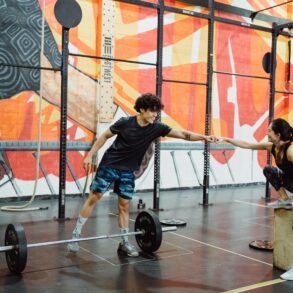


When people think about strength training, they often imagine muscular physiques, defined arms, visible abs, and impressive gym transformations. Although improving physical appearance can be one of the benefits of resistance exercise, it represents only a small part of what strength training can accomplish.
The real value of strength training goes much deeper than appearance. It supports physical independence, strengthens bones, improves metabolic health, protects muscle mass, enhances balance, and contributes to better overall well-being.
In a world where sedentary lifestyles, prolonged screen time, and reduced physical activity have become increasingly common, maintaining muscular strength is more important than ever. Modern lifestyles often involve sitting for extended periods, using elevators instead of stairs, and performing daily activities that require very little physical effort. Over time, this lack of movement can contribute to declining muscle strength, reduced mobility, and poor physical conditioning.
This is where strength training becomes essential.
Strength Training Beyond Appearance represents a broader approach to fitness that focuses on improving how the body functions rather than simply changing how it looks. It encourages people to develop stronger muscles, healthier bones, better movement patterns, and greater physical resilience.
Whether someone is a beginner, an experienced athlete, a working professional, or an older adult, strength training can offer meaningful benefits at almost every stage of life.
The purpose of this guide is to explore why strength training matters beyond appearance, explain its major health benefits, and show how resistance exercise can become a valuable part of a long-term healthy lifestyle.
1. Strength Training Builds a Stronger Foundation for Everyday Life
One of the most important reasons to practice strength training is its impact on everyday activities.
Many people measure fitness through gym performance, running speed, or physical appearance. However, practical strength is equally important because it determines how comfortably and independently people can perform daily tasks.
Consider ordinary activities such as:
- Carrying grocery bags.
- Climbing stairs.
- Lifting luggage.
- Moving furniture.
- Picking up children.
- Getting up from the floor.
- Walking uphill.
- Maintaining balance while moving.
All these activities require muscular strength and coordination.
When muscles are weak, even simple movements can become physically demanding. On the other hand, individuals who develop functional strength often find everyday activities easier and less exhausting.
Strength training improves the body’s ability to generate force, stabilize joints, and control movement. Exercises such as squats, lunges, rows, presses, and deadlifts train multiple muscle groups that contribute to everyday physical performance.
For example, squats strengthen the muscles involved in standing up and sitting down. Rows improve the muscles responsible for pulling movements and supporting upper-body posture. Farmer’s carries develop grip strength, core stability, and the ability to carry objects.
These exercises provide benefits that extend well beyond the gym.
The goal of Strength Training Beyond Appearance is therefore not simply to lift heavier weights. It is to develop a body that performs everyday movements efficiently and confidently.
2. Strength Training Helps Preserve Muscle Mass as You Age
Muscle mass naturally changes throughout life. Without regular physical activity and appropriate nutrition, adults can gradually lose muscle tissue and strength as they get older.
This age-related decline in muscle mass and function is associated with a condition called sarcopenia.
Sarcopenia can affect:
- Walking ability.
- Balance and coordination.
- Physical independence.
- Exercise tolerance.
- Functional movement.
- Recovery from illness or injury.
Although aging cannot be stopped, maintaining muscle strength can help reduce the impact of age-related muscle loss.
Resistance training is one of the most effective lifestyle strategies for maintaining and improving muscle strength throughout adulthood.
When muscles experience resistance during exercise, they receive a stimulus that encourages adaptation. With consistent training, the body can improve muscle protein synthesis, neuromuscular coordination, and the ability to produce force.
Importantly, muscle development is not limited to young adults.
Older individuals can also experience improvements in strength and physical function through appropriately designed resistance exercise.
Why preserving muscle matters
Muscle tissue contributes to much more than physical appearance. It supports movement, helps regulate glucose metabolism, contributes to physical stability, and provides the strength required for independent living.
Maintaining muscle mass becomes especially important with increasing age because reduced strength can make everyday activities more challenging.
A well-designed strength training routine can help adults maintain their physical capabilities and remain active for longer.
3. Strength Training Supports Stronger and Healthier Bones
Bone health is another major reason strength training matters beyond appearance.
Bones are living tissues that constantly undergo a process of remodeling. This process involves removing older bone tissue and replacing it with new tissue.
Mechanical loading plays an important role in maintaining bone health.
When muscles contract and the body experiences appropriate resistance, forces are transferred through the skeleton. These mechanical forces can stimulate bone remodeling and help maintain bone mineral density.
Resistance exercises that load the hips, spine, and legs are particularly valuable components of a bone-health program.
Examples include:
- Squats.
- Step-ups.
- Lunges.
- Resistance-band exercises.
- Weight training.
- Certain weight-bearing movements.
Research suggests that appropriately prescribed resistance and weight-bearing exercise can help support bone mineral density, particularly when performed consistently.
This is important because declining bone density can increase the risk of osteoporosis and fractures.
Strength training and osteoporosis prevention
Osteoporosis is a condition characterized by reduced bone strength and increased fracture risk. It becomes more common with aging, particularly after menopause.
Strength training can be an important part of a comprehensive bone-health strategy.
However, people with diagnosed osteoporosis or a history of fractures should receive individualized exercise guidance. Certain movements, especially loaded spinal flexion or twisting, may be inappropriate depending on their condition.
The key is to select exercises that provide beneficial mechanical loading without creating unnecessary injury risks.
4. Strength Training Improves Metabolic Health
Metabolic health refers to how efficiently the body manages energy, blood glucose, blood fats, and other important physiological processes.
Muscle tissue plays an important role in metabolism because it is a major site of glucose uptake.
When people consume carbohydrates, their digestive system breaks them down into glucose. This glucose enters the bloodstream and is transported into cells to provide energy.
Skeletal muscles help remove glucose from circulation, particularly during and after physical activity.
Strength training improves the ability of muscles to use glucose and can support insulin sensitivity.
Insulin is a hormone that helps regulate blood glucose by facilitating the movement of glucose into cells.
When insulin sensitivity decreases, the body may require more insulin to maintain normal blood glucose levels.
Regular resistance training can help improve this process.
How strength training supports metabolic health
- It increases or preserves metabolically active muscle tissue.
- It improves muscle glucose uptake.
- It can enhance insulin sensitivity.
- It supports healthier body composition.
- It complements other lifestyle strategies for managing blood sugar.
These benefits make strength training particularly valuable for individuals concerned about metabolic health.
It should not be considered a replacement for medical treatment, but it can be an important part of a comprehensive strategy for reducing metabolic risk.

5. Strength Training Supports Healthy Weight Management
Weight management is often associated with calorie restriction and cardiovascular exercise. However, strength training deserves an equally important place in a sustainable fitness strategy.
One reason is its effect on body composition.
Body composition refers to the proportion of fat mass and lean mass in the body.
Two individuals can have the same body weight but very different body compositions. One may have more muscle mass, while the other may have a higher proportion of body fat.
Strength training helps build and preserve muscle tissue, which can improve body composition over time.
Why muscle matters during weight loss
When people lose weight through aggressive calorie restriction without resistance exercise, some of the weight lost may come from muscle tissue.
This is not ideal because maintaining muscle is important for strength, physical function, and metabolic health.
Combining resistance training with adequate protein intake and a moderate calorie deficit can help preserve lean mass during weight loss.
Strength training also increases energy expenditure during exercise and can contribute to a modest increase in resting energy expenditure as muscle mass develops.
However, the effect of additional muscle on daily calorie expenditure should not be exaggerated. Sustainable weight management depends on multiple factors, including food intake, daily movement, sleep, and individual physiology.
The objective should be to improve overall body composition rather than focus exclusively on the number displayed on a weighing scale.
6. Strength Training Improves Joint Stability and Movement Quality
Healthy joints are essential for comfortable movement.
The muscles surrounding joints help stabilize them and control movement. When these muscles are weak, certain activities may become more difficult.
Strength training can improve muscular support around important joints, including:
- Knees.
- Hips.
- Shoulders.
- Ankles.
- Wrists.
- Spine.
For example, strengthening the quadriceps, hamstrings, and gluteal muscles can improve lower-body strength and movement control.
Similarly, strengthening the upper back and shoulder muscles can help improve shoulder stability.
This does not mean that stronger muscles automatically eliminate joint pain or prevent every injury. Joint health also depends on mobility, connective tissue, movement technique, recovery, and underlying medical conditions.
Nevertheless, appropriately programmed resistance training is widely used in physical rehabilitation and exercise therapy.
Strength training for healthier movement
A balanced routine should develop strength across different movement patterns.
Useful exercises include:
- Squats for lower-body strength.
- Hip hinges for posterior-chain development.
- Rows for upper-back strength.
- Presses for upper-body pushing strength.
- Core exercises for trunk stability.
- Single-leg exercises for balance and coordination.
Progressive training can improve the body’s ability to handle physical demands while supporting more controlled movement.
7. Strength Training Contributes to Better Mental Health
Physical fitness and mental well-being are closely connected.
Exercise influences several biological and psychological processes that affect mood, stress regulation, confidence, and emotional health.
Strength training can contribute to improved mental well-being through several mechanisms.
1. Improved mood
Resistance exercise can influence mood-regulating processes and may help reduce symptoms of anxiety and depression in some individuals.
2. Greater self-confidence
Developing physical strength creates measurable progress. Completing a difficult exercise or increasing a training weight can improve confidence and self-efficacy.
3. Stress management
Exercise provides a structured opportunity to focus attention, release tension, and temporarily disconnect from everyday pressures.
4. Improved sense of achievement
Following a consistent training program can create a feeling of accomplishment and encourage healthier lifestyle habits.
5. Better emotional resilience
Working through manageable physical challenges may help people develop patience, discipline, and confidence in their ability to overcome difficulties.
Strength training is not a substitute for professional mental health care. However, it can complement other strategies for supporting emotional well-being.
8. Strength Training Can Improve Posture and Core Stability
Modern lifestyles often involve long hours of sitting, working on computers, and using smartphones.
These activities can contribute to prolonged static positions and reduced movement variety.
Although posture is influenced by multiple factors, muscular strength and endurance play important roles in maintaining comfortable body positions.
Strength training can help develop the muscles responsible for supporting the spine, shoulders, hips, and trunk.
The importance of core strength
The core includes several muscle groups that help stabilize the trunk and transfer force between the upper and lower body.
Important core muscles include:
- Transverse abdominis.
- Rectus abdominis.
- Internal and external obliques.
- Multifidus.
- Diaphragm.
- Pelvic floor muscles.
A strong and coordinated core helps maintain stability during activities such as lifting, walking, running, and carrying objects.
Useful core-strengthening exercises include:
- Planks.
- Side planks.
- Bird dogs.
- Dead bugs.
- Pallof presses.
- Controlled loaded carries.
These exercises train the trunk to resist unwanted movement while the arms and legs perform different activities.
Strength training beyond appearance encourages people to focus on core function rather than simply developing visible abdominal muscles.
9. Strength Training Supports Cardiovascular and Overall Health
Cardiovascular exercise is widely recognized for improving heart and lung fitness. However, resistance training can also contribute to cardiovascular health.
Research has associated regular strength training with improvements in several cardiovascular risk factors, including:
- Blood pressure.
- Blood glucose regulation.
- Body composition.
- Blood lipid profiles.
- Physical fitness.
Resistance training also provides an opportunity to improve overall physical activity levels.
For example, circuit-based strength training can involve repeated exercises with controlled rest periods. This increases the cardiovascular demands of the workout while developing muscular strength and endurance.
However, traditional strength training and aerobic exercise provide overlapping but different benefits.
For comprehensive health, combining both forms of exercise is generally more beneficial than relying exclusively on one.
The World Health Organization recommends that adults perform muscle-strengthening activities involving all major muscle groups on at least two days per week, alongside regular aerobic physical activity.
Individuals with cardiovascular conditions should discuss appropriate exercise intensity and precautions with their healthcare professionals.
10. Strength Training Improves Balance and Reduces Fall Risk
Balance becomes increasingly important as people age.
Falls can cause serious injuries, reduce confidence, and limit independence. Reduced muscular strength, poor coordination, and declining physical function can contribute to fall risk.
Strength training helps develop the muscles required to control body movement and maintain stability.
Exercises involving one leg at a time can be especially useful for developing balance and coordination.
Examples include:
- Supported single-leg stands.
- Step-ups.
- Split squats.
- Reverse lunges.
- Heel raises.
- Controlled single-leg deadlifts.
These movements challenge the muscles responsible for stabilizing the hips, knees, and ankles.
Why lower-body strength matters
The lower body plays a major role in walking, climbing stairs, recovering from a loss of balance, and standing from a seated position.
Strong quadriceps, hamstrings, glutes, and calf muscles contribute to these activities.
Combining resistance training with balance-specific exercises can provide a more complete approach to fall prevention.
Older adults and people with balance difficulties should begin with appropriate support and progress gradually.
11. Strength Training Encourages Healthy Aging and Longevity
Healthy aging is not simply about living longer. It is also about maintaining the physical and mental capabilities required to enjoy life.
A person may live for many years but experience limitations in mobility, strength, and independence.
This is why healthspan has become an important concept in modern wellness.
Healthspan refers to the period of life spent in relatively good health and functional independence.
Strength training can contribute to healthspan by supporting:
- Muscle preservation.
- Bone strength.
- Physical independence.
- Metabolic health.
- Balance and coordination.
- Functional mobility.
- Exercise capacity.
These benefits are particularly important because aging affects multiple body systems simultaneously.
For example, declining muscle strength can make walking more difficult. Reduced activity may then contribute to further muscle loss and lower exercise tolerance.
Regular resistance exercise can help interrupt this cycle.
Strength training for lifelong independence
Imagine two individuals entering their seventies.
One has maintained regular resistance training for years. The other has spent decades avoiding physical activity.
Their abilities may differ considerably when performing everyday activities such as climbing stairs, carrying groceries, or getting up from a chair.
Although genetics, nutrition, health conditions, and lifestyle also influence aging, maintaining physical strength can make a meaningful difference.
The objective is not necessarily to become an athlete. It is to preserve the ability to participate in everyday life with confidence.
also read: Hybrid Fitness Training: Combining Strength, Cardio, and Mobility
12. Strength Training Develops Discipline and Consistency
One of the less discussed benefits of strength training is its ability to encourage discipline.
Building strength requires repeated effort over time.
A single workout rarely produces dramatic changes. Progress develops through consistent training, adequate recovery, and gradual increases in exercise demands.
This process teaches several valuable habits:
Patience: Physical adaptation takes time.
Consistency: Regular effort matters more than occasional intense workouts.
Goal setting: Training provides measurable objectives.
Self-awareness: Individuals learn to understand their physical capabilities and limitations.
Adaptability: Exercise programs can be adjusted according to changing schedules, energy levels, and recovery needs.
These habits can influence other aspects of life.
For example, someone who learns to maintain a consistent workout routine may become more disciplined about sleep, nutrition, and daily movement.
Strength training therefore becomes more than a physical activity. It can become a structured lifestyle practice.
13. Strength Training Helps Improve Physical Performance
Another reason strength training matters beyond appearance is its impact on athletic and recreational performance.
Muscular strength contributes to almost every physical activity.
Whether someone enjoys swimming, cycling, running, hiking, tennis, football, or recreational sports, developing strength can improve physical capabilities.
Benefits for different activities
| Activity | Strength training benefits |
|---|---|
| Running | Supports muscular strength and running economy |
| Cycling | Develops lower-body strength |
| Swimming | Supports force production and body control |
| Hiking | Improves leg strength and load-carrying capacity |
| Football | Supports acceleration and physical performance |
| Tennis | Develops rotational strength and stability |
| Yoga | Supports muscular control and stability |
Strength training can also improve power, which refers to the ability to produce force quickly.
Power is important for activities such as jumping, sprinting, throwing, and rapidly changing direction.
Exercises such as controlled jumps, medicine-ball throws, and explosive movements can develop power when appropriate for an individual’s fitness level.
14. Strength Training Supports Better Blood Sugar Regulation
Blood sugar regulation is an important part of metabolic health.
Muscles play a major role in controlling glucose levels because they use glucose as an energy source.
During muscle contractions, glucose uptake can increase through mechanisms that are partly independent of insulin.
Regular resistance exercise can improve the body’s ability to manage blood glucose.
This is particularly relevant for people at risk of developing type 2 diabetes or those who already have the condition.
How strength training helps
- Improves skeletal muscle glucose uptake.
- Supports insulin sensitivity.
- Helps preserve or increase muscle mass.
- Encourages greater physical activity.
- Complements dietary and medical management strategies.
For individuals with diabetes, exercise planning should consider medication, glucose levels, potential hypoglycemia, and other health conditions.
Strength training can be highly beneficial, but the routine should be adapted to individual needs.
15. Strength Training Improves Functional Independence
Functional independence means being able to complete everyday activities without unnecessary assistance.
It is one of the most meaningful outcomes of maintaining physical fitness.
People often take basic movements for granted when they are young and physically active. However, reduced strength can gradually make these movements more difficult.
For example:
- Standing up from a low chair requires leg strength.
- Carrying shopping bags requires grip and upper-body strength.
- Climbing stairs requires muscular endurance.
- Opening heavy doors requires pushing and pulling strength.
- Walking on uneven surfaces requires coordination and balance.
Strength training prepares the body for these everyday demands.
It also helps individuals maintain confidence in their physical abilities.
This is particularly important for older adults who want to remain independent for as long as possible.
16. The Best Strength Training Exercises for Overall Health
A successful strength training program does not require dozens of complicated exercises.
The most effective approach is to include movements that target major muscle groups and develop different patterns of physical strength.
Here are some valuable exercise categories.
A. Squats
Squats develop the quadriceps, glutes, and other muscles involved in lower-body movement.
Benefits:
- Improve leg strength.
- Support everyday sitting and standing.
- Develop lower-body coordination.
- Improve functional movement capacity.
Beginners can start with bodyweight squats or chair squats before progressing to loaded variations.
B. Deadlifts
Deadlifts strengthen the posterior chain, including the glutes, hamstrings, and back muscles.
Benefits:
- Develop hip-hinge strength.
- Improve lifting capacity.
- Strengthen the posterior chain.
- Support everyday lifting movements.
Beginners should learn the hip-hinge technique before using heavier loads.
C. Push-Ups
Push-ups develop the chest, shoulders, triceps, and core muscles.
Benefits:
- Improve upper-body pushing strength.
- Develop trunk stability.
- Require minimal equipment.
- Offer multiple difficulty levels.
Wall push-ups and incline push-ups are useful beginner variations.
D. Rows
Rows strengthen the upper back, rear shoulders, and arm muscles.
Benefits:
- Improve pulling strength.
- Support shoulder stability.
- Develop upper-back strength.
- Balance pushing exercises.
Resistance bands, dumbbells, and cable machines can all be used for rowing movements.
E. Lunges
Lunges train the legs individually and challenge balance.
Benefits:
- Develop unilateral strength.
- Improve coordination.
- Strengthen the glutes and quadriceps.
- Support everyday walking and stair climbing.
Beginners can use supported reverse lunges.
F. Planks
Planks train core stability by requiring the trunk muscles to resist unwanted movement.
Benefits:
- Develop core endurance.
- Improve trunk control.
- Support overall movement stability.
Short, controlled holds are more useful than sacrificing technique to maintain a longer duration.
G. Farmer’s Carries
Farmer’s carries involve walking while holding weights in both hands.
Benefits:
- Improve grip strength.
- Develop core stability.
- Train the shoulders and upper back.
- Build practical carrying capacity.
They are particularly useful for developing functional strength.
17. How Often Should You Practice Strength Training?
Training frequency depends on experience, recovery capacity, fitness goals, and schedule.
For most healthy adults, training all major muscle groups at least twice per week is a practical starting target.
However, beginners do not need an advanced training split.
A simple full-body routine can provide an effective foundation.
Suggested weekly training structure
| Day | Activity |
|---|---|
| Monday | Full-body strength training |
| Tuesday | Walking or moderate cardio |
| Wednesday | Full-body strength training |
| Thursday | Mobility and active recovery |
| Friday | Full-body strength training |
| Saturday | Walking, cycling, or recreational activity |
| Sunday | Rest or gentle movement |
This schedule can be adjusted according to individual fitness levels.
Beginners may start with two strength sessions per week and gradually increase training frequency.
The important factor is consistency rather than trying to complete the highest possible number of workouts.
18. A Beginner-Friendly Strength Training Routine
Starting a strength training program can feel intimidating, especially for people who have never used gym equipment.
The best approach is to begin with simple movements and manageable resistance.
Here is an example of a beginner-friendly full-body routine.
| Exercise | Sets | Repetitions |
|---|---|---|
| Bodyweight squats | 2 | 10–12 |
| Incline push-ups | 2 | 8–10 |
| Dumbbell rows | 2 | 10–12 |
| Glute bridges | 2 | 12–15 |
| Supported lunges | 2 | 8 each leg |
| Plank | 2 | 15–30 seconds |
Important training guidelines
- Begin with a 5–10-minute warm-up.
- Choose weights that allow controlled movement.
- Maintain proper exercise technique.
- Rest between sets as needed.
- Avoid training through sharp or unusual pain.
- Increase resistance gradually.
- Allow sufficient recovery between demanding sessions.
The routine should feel challenging but manageable.
19. Strength Training and Nutrition: Why They Work Together
Exercise creates the stimulus for physical adaptation, but nutrition provides the materials required for recovery and development.
A strength training program becomes more effective when supported by balanced nutrition.
Protein
Protein provides amino acids that help repair and build muscle tissue.
Useful protein sources include:
- Eggs.
- Milk and yogurt.
- Fish.
- Chicken.
- Paneer.
- Soybeans.
- Lentils.
- Chickpeas.
- Beans.
Protein requirements vary according to age, body weight, training intensity, and health status.
Carbohydrates
Carbohydrates provide energy for exercise and help replenish muscle glycogen.
Useful sources include:
- Oats.
- Rice.
- Whole grains.
- Fruits.
- Potatoes.
- Sweet potatoes.
- Whole-wheat bread.
Healthy fats
Healthy fats support several physiological functions, including hormone production and nutrient absorption.
Sources include nuts, seeds, olive oil, and other unsaturated-fat-rich foods.
Micronutrients
Calcium, vitamin D, magnesium, iron, and other micronutrients contribute to normal physiological function.
A balanced diet that includes different food groups can help support overall health.
Hydration
Adequate fluid intake supports temperature regulation, circulation, and exercise performance.
The most effective nutrition strategy is one that is balanced, sustainable, and appropriate for individual needs.
20. Common Strength Training Mistakes to Avoid
Although strength training offers numerous benefits, poor exercise habits can limit progress and increase injury risk.
Understanding common mistakes can help people develop safer and more effective routines.
1. Focusing Only on Appearance
Training exclusively for visible muscles can cause people to overlook balance, mobility, endurance, and functional strength.
A complete fitness program should support overall physical health.
2. Lifting Too Heavy Too Quickly
Increasing resistance before mastering proper technique can place unnecessary stress on muscles and joints.
Progress gradually.
3. Ignoring Recovery
Muscles require time to recover from demanding exercise.
Insufficient recovery can contribute to fatigue, declining performance, and overuse injuries.
4. Skipping Warm-Ups
Beginning intense exercise without preparation may reduce movement readiness.
A warm-up should include light activity and movements related to the upcoming workout.
5. Neglecting Lower-Body Exercises
Some individuals spend too much time training their arms, chest, and shoulders.
A balanced program should develop the entire body.
6. Avoiding Progressive Overload
Progressive overload involves gradually increasing training demands as the body adapts.
This may include increasing resistance, repetitions, sets, or movement difficulty.
Without an appropriate progression strategy, improvements may eventually slow down.
7. Ignoring Pain Signals
Muscular effort and fatigue are normal during exercise. Sharp pain, significant joint discomfort, or unusual symptoms should not be ignored.
Modify or stop the exercise and seek medical advice when appropriate.
21. Strength Training for Different Age Groups
Strength training can benefit people throughout life, but exercise selection and intensity should reflect individual abilities.
Strength Training in Your 20s and 30s
This stage of life offers an opportunity to establish long-term fitness habits.
Key priorities include:
- Developing foundational strength.
- Learning proper exercise technique.
- Building muscle mass.
- Improving athletic performance.
- Establishing consistent recovery habits.
Developing a balanced exercise routine during early adulthood can provide a useful foundation for future health.
Strength Training in Your 40s and 50s
During middle adulthood, maintaining muscle strength and physical function becomes increasingly important.
Key priorities include:
- Preserving muscle mass.
- Supporting bone health.
- Maintaining mobility.
- Improving metabolic health.
- Managing recovery appropriately.
A combination of resistance training, aerobic activity, and mobility work can support overall fitness.
Strength Training After 60
Older adults can benefit significantly from appropriately designed resistance training.
Key priorities include:
- Maintaining functional strength.
- Improving balance.
- Supporting independence.
- Preserving mobility.
- Reducing age-related physical decline.
Training should be adjusted according to medical history, exercise experience, and current physical capabilities.
22. How to Make Strength Training a Sustainable Lifestyle Habit
The biggest challenge for many people is not understanding the benefits of exercise. It is maintaining consistency.
Busy schedules, work commitments, family responsibilities, and low motivation can interfere with regular training.
The solution is to make strength training practical.
Start small
Begin with two weekly workouts instead of trying to train every day.
Choose enjoyable exercises
A routine is easier to maintain when it includes movements and activities that you enjoy.
Set realistic goals
Instead of focusing only on weight lifted, set goals related to functional performance.
For example:
- Perform ten controlled push-ups.
- Improve squat technique.
- Carry heavier grocery bags comfortably.
- Climb stairs without excessive fatigue.
- Complete a consistent weekly workout schedule.
Track progress
Maintain a simple record of exercises, resistance, repetitions, and sets.
This helps identify improvements over time.
Make exercise convenient
Home workouts, resistance bands, dumbbells, and bodyweight exercises can make strength training accessible even without a gym membership.
Prioritize consistency over perfection
Missing an occasional workout does not mean that progress is lost.
Return to the routine and continue building healthy habits.
23. The Connection Between Strength Training, Sleep, and Recovery
Recovery is an essential part of strength development.
During exercise, muscles experience stress. The body then adapts through physiological processes that occur during recovery.
Sleep plays an important role in this process.
Insufficient sleep can negatively affect exercise performance, recovery, mood, and physical adaptation.
To support recovery:
- Maintain a regular sleep schedule.
- Aim for approximately 7–9 hours of sleep as an adult.
- Eat sufficient protein and overall calories.
- Stay hydrated.
- Avoid excessive training volume.
- Include rest or lighter activity days.
Recovery should not be considered wasted time.
It is an important part of the training process.
24. Why Strength Training Should Be Combined With Cardio and Mobility
Although strength training provides many benefits, it is not the only form of exercise required for good health.
A balanced fitness program should include three major components.
1. Strength training
Develops muscular strength, muscle mass, and functional capacity.
2. Cardiovascular exercise
Supports heart and lung fitness, endurance, and aerobic capacity.
3. Mobility training
Helps maintain comfortable joint movement and movement control.
Combining these activities provides a more complete approach to physical fitness.
For example, someone who performs strength training three times per week can add brisk walking, cycling, or swimming on other days.
Mobility exercises can also be incorporated into warm-ups and recovery sessions.
The objective is to create a routine that improves multiple aspects of health rather than concentrating exclusively on one fitness outcome.
25. Strength Training Is an Investment in Your Future Self
One of the most powerful ways to understand the importance of strength training is to think about the future.
Physical strength influences how people interact with their environment.
It affects their ability to travel, work, participate in recreational activities, play with children, maintain independence, and respond to unexpected physical demands.
Building strength today can help support these capabilities in the future.
Consider strength training an investment rather than a short-term transformation project.
Every consistent workout contributes to a foundation of physical capability.
You may not notice every improvement immediately, but the cumulative benefits can become meaningful over months and years.
The objective is not to chase an unrealistic physical ideal.
It is to develop a body that is strong, capable, resilient, and prepared for the demands of everyday life.
Conclusion: Strength Training Is About Building a Healthier Life
Strength training deserves a place in everyone’s fitness routine because its benefits extend far beyond physical appearance.
It supports muscle preservation, bone health, metabolic function, joint stability, mental well-being, balance, mobility, and long-term independence.
These benefits become particularly important as people age and face the natural physical changes associated with adulthood.
The most valuable outcome of strength training is not necessarily a bigger chest, defined arms, or visible abdominal muscles. It is the ability to move confidently, perform everyday activities, maintain physical independence, and enjoy a healthier lifestyle.
Strength Training Beyond Appearance encourages a more meaningful understanding of fitness. It shifts the focus from temporary physical changes toward lifelong health and functional ability.
You do not need an expensive gym membership, advanced equipment, or an athlete’s training schedule to get started.
Begin with basic exercises, focus on correct technique, maintain a balanced diet, and gradually increase your training demands.
Remember that strength is not built in a single workout. It develops through consistent effort, appropriate recovery, and sustainable habits.
Start training for the body you want to have, but more importantly, train for the life you want to live.
Frequently Asked Questions (FAQs)
1. Why is strength training important beyond appearance?
Strength training supports muscle preservation, bone density, metabolic health, mobility, balance, and physical independence. It helps improve everyday physical function rather than focusing exclusively on appearance.
2. Can strength training improve overall health?
Yes. Regular resistance exercise can improve muscular strength, insulin sensitivity, physical function, and several cardiovascular risk factors. It also supports healthy aging.
3. How many days a week should I practice strength training?
Most adults should aim to train all major muscle groups at least twice per week. Beginners can start with two sessions and gradually progress.
4. Is strength training beneficial after 50?
Yes. Appropriately designed resistance exercise can help adults over 50 maintain muscle mass, support bone health, improve mobility, and preserve independence.
5. Does strength training help with weight management?
Yes. It supports muscle preservation and development, improves body composition, and complements dietary changes and cardiovascular exercise.
6. Can strength training improve mental health?
Strength training may improve mood, self-confidence, and stress management. It can also complement professional treatment for certain mental health conditions.
7. Is strength training better than cardio?
Neither is universally better. Strength training develops muscular strength and supports bone health, while cardiovascular exercise improves aerobic fitness. Combining both provides broader health benefits.
8. Can beginners start strength training at home?
Yes. Bodyweight squats, incline push-ups, glute bridges, lunges, planks, and resistance-band exercises can provide an effective starting routine.
9. Does strength training improve longevity?
Research has associated regular muscle-strengthening activity with lower risks of several adverse health outcomes. Although it cannot guarantee a longer life, it can contribute to better physical function and healthspan.
10. What is the biggest benefit of strength training?
One of its most meaningful benefits is maintaining physical capability and independence. Strong muscles help people perform everyday activities more comfortably throughout life.