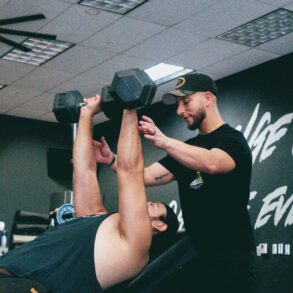



Going to the gym regularly, lifting weights, performing cardio, and challenging your physical limits are important parts of building a stronger body. However, there is another essential element of fitness that often receives less attention: recovery.
Many gym-goers believe that spending more time exercising automatically produces better results. They focus on lifting heavier weights, increasing repetitions, adding extra training sessions, and pushing themselves harder. Although consistent training is necessary for progress, the body also needs sufficient time and resources to recover from physical stress.
This is where understanding Workout Recovery Secrets becomes extremely important.
Workout recovery is not simply about taking a day off from the gym. It involves several interconnected processes, including muscle repair, replenishing energy stores, restoring hydration, supporting the nervous system, improving sleep quality, and maintaining nutritional balance.
When recovery is managed properly, your body becomes better prepared for future training sessions. You may experience improved strength, more consistent performance, better exercise tolerance, and reduced fatigue.
Whether you are a beginner, an intermediate lifter, or an experienced athlete, understanding effective recovery strategies can help you get more value from every workout.
In this comprehensive guide, we will explore the most important Workout Recovery Secrets, including nutrition, sleep, active recovery, hydration, stretching, rest days, and practical habits that support long-term fitness.
1. Understand Why Workout Recovery Matters
Before exploring individual recovery techniques, it is important to understand what happens inside your body during exercise.
Resistance training, intense cardio, and high-volume workouts create physical stress. Your muscles use energy, experience mechanical tension, and undergo temporary changes that require time and resources to recover.
During strength training, muscle fibers experience microscopic structural disruptions. The body responds by activating repair and adaptation processes.
Over time, appropriate training combined with sufficient recovery can help muscles become stronger and better equipped to handle similar physical demands.
However, these adaptations do not happen simply because you exercise harder.
They depend on several factors:
- Adequate protein and overall nutrition.
- Sufficient sleep.
- Appropriate training intensity.
- Proper hydration.
- Rest between demanding sessions.
- Effective stress management.
- Consistent recovery habits.
One of the most important Workout Recovery Secrets is understanding that training and recovery work together.
Exercise provides the stimulus, while recovery allows your body to adapt to that stimulus.
Without sufficient recovery, you may experience persistent soreness, declining performance, reduced motivation, and increased susceptibility to injuries.
The goal should not be to exercise as much as possible. Instead, aim to train consistently while giving your body the support it needs to improve.
2. Prioritize Sleep for Better Muscle Recovery
Sleep is one of the most powerful and accessible recovery tools available to gym-goers.
Unfortunately, many people underestimate its importance. They spend considerable time planning workouts and preparing meals but sacrifice sleep because of work, entertainment, or busy schedules.
This can negatively affect training performance and recovery.
During sleep, your body performs several important functions:
- Supports tissue repair.
- Regulates hormones involved in metabolism and recovery.
- Helps restore physical and mental energy.
- Supports immune system function.
- Consolidates motor skills and movement patterns.
- Helps regulate appetite and energy balance.
Adults should generally aim for seven to nine hours of sleep every night, although individual requirements vary.
How to improve sleep quality
Maintain a consistent sleep schedule
Try to sleep and wake up at approximately the same time every day. A regular schedule helps support your natural circadian rhythm.
Reduce screen exposure before bedtime
Bright screens and stimulating content can make it harder to relax. Consider reducing screen use during the final 30–60 minutes before sleeping.
Create a comfortable sleeping environment
Keep your bedroom dark, quiet, and comfortably cool.
Avoid late caffeine consumption
Caffeine can remain active in your system for several hours. If it interferes with your sleep, avoid consuming it late in the afternoon or evening.
Avoid extremely late, heavy meals
Large meals immediately before bedtime may cause digestive discomfort for some individuals.
Remember that sleeping longer is not the only objective. Sleep quality and consistency also matter.
Among all Workout Recovery Secrets, improving sleep habits can have a significant impact on your overall fitness routine.
3. Eat Enough Protein to Support Muscle Repair
Protein plays an essential role in muscle maintenance, repair, and growth.
During resistance training, muscles experience mechanical stress. Your body requires amino acids from dietary protein to support the processes involved in repairing and building muscle tissue.
If your protein intake is consistently too low, you may struggle to maximize the benefits of your training.
How much protein do you need?
For healthy adults who regularly participate in resistance training, approximately 1.4–2.0 grams of protein per kilogram of body weight per day is a commonly recommended range.
For example:
| Body weight | Daily protein range |
|---|---|
| 50 kg | 70–100 g |
| 60 kg | 84–120 g |
| 70 kg | 98–140 g |
| 80 kg | 112–160 g |
| 90 kg | 126–180 g |
Your ideal intake depends on your training, goals, total calorie intake, and individual circumstances.
Best protein sources for recovery
Animal-based protein:
- Eggs.
- Chicken breast.
- Fish.
- Milk.
- Greek yogurt.
- Cottage cheese.
- Lean meat.
Plant-based protein:
- Lentils.
- Chickpeas.
- Kidney beans.
- Soybeans.
- Tofu.
- Tempeh.
- Peas.
- Nuts and seeds.
People following vegetarian diets can combine different plant protein sources throughout the day to obtain a broad range of essential amino acids.
Distribute protein throughout the day
Instead of consuming almost all your protein in one meal, distribute it across three to five meals.
For many people, approximately 20–40 grams per meal is a practical target, adjusted for body size and daily requirements.
Protein intake after exercise is useful, but there is no need to consume a shake immediately after your final repetition.
Your total daily protein intake matters more than chasing a very narrow post-workout window.
4. Never Ignore Post-Workout Nutrition
What you eat after exercise can influence how effectively you replenish energy and support recovery.
During demanding workouts, your muscles use glycogen, which is stored carbohydrate that serves as an important energy source.
After exercise, consuming carbohydrates helps replenish these energy stores.
Combining carbohydrates with protein also provides nutrients that support muscle repair and recovery.
What should you eat after a workout?
Consider these practical combinations:
| Meal | Recovery benefits |
|---|---|
| Eggs with whole-grain toast | Protein and carbohydrates |
| Chicken with rice | Protein and glycogen replenishment |
| Greek yogurt with fruit | Protein and carbohydrates |
| Paneer with roti | Protein and energy |
| Dal with rice | Plant protein and carbohydrates |
| Milk with banana | Protein and carbohydrates |
The best meal depends on your dietary preferences, training intensity, and nutritional requirements.
Do you need to eat immediately?
Not necessarily.
If you consumed a balanced meal containing protein before your workout, there is generally no reason to rush into eating immediately afterward.
However, if you trained while fasted or have another demanding session within a few hours, eating sooner may be beneficial.
A balanced approach to post-workout nutrition is one of the most practical Workout Recovery Secrets for people who want to improve training consistency.
5. Stay Hydrated Before, During, and After Exercise
Water supports numerous processes involved in physical performance and recovery.
It helps regulate body temperature, transport nutrients, maintain blood volume, and support normal muscle function.
When you sweat during exercise, you lose water and electrolytes. If these losses become excessive, dehydration can negatively affect performance.
Signs that you may need more fluids
- Unusual thirst.
- Darker-than-usual urine.
- Dry mouth.
- Headaches.
- Reduced exercise performance.
- Dizziness.
- Unusual fatigue.
These signs are not specific to dehydration, but they can help you recognize when fluid intake needs attention.
Practical hydration strategies
Before exercise: Begin your workout adequately hydrated. Drink water throughout the day instead of consuming large quantities immediately before training.
During exercise: Drink according to thirst, exercise duration, environmental temperature, and sweat losses.
After exercise: Replace fluids lost through sweating. For longer or particularly sweaty sessions, consider beverages or meals containing sodium and other electrolytes.
Do you need electrolyte drinks?
Not everyone needs commercial sports drinks.
For ordinary workouts lasting around 45–60 minutes in comfortable conditions, water and normal meals are often sufficient.
Electrolyte replacement may be more useful during prolonged exercise, intense training in hot weather, or sessions involving substantial sweating.
Avoid excessive water consumption because drinking too much water can also be dangerous.
Proper hydration is one of the simplest Workout Recovery Secrets that can support both daily health and athletic performance.
6. Use Active Recovery to Reduce Training Fatigue
Rest does not always mean remaining completely inactive.
Active recovery involves performing low-intensity movement between demanding training sessions.
Examples include:
- Walking.
- Easy cycling.
- Swimming at a comfortable pace.
- Gentle yoga.
- Light mobility exercises.
- Relaxed recreational activities.
The purpose is to maintain movement without creating significant additional physical stress.
Benefits of active recovery
Encourages comfortable movement
Light activity helps you avoid remaining inactive throughout the day.
Supports circulation
Gentle movement increases blood flow, helping transport oxygen and nutrients throughout the body.
Maintains mobility
Walking, cycling, and mobility exercises help maintain comfortable joint movement.
Supports mental relaxation
Outdoor walks and gentle exercise may improve mood and reduce perceived stress.
How often should you perform active recovery?
You can include one or two active recovery sessions per week, depending on your training schedule and recovery needs.
For example:
- Monday: Strength training.
- Tuesday: Strength training.
- Wednesday: Light walking and mobility.
- Thursday: Strength training.
- Friday: Strength training.
- Saturday: Easy cycling or swimming.
- Sunday: Rest.
Active recovery should feel easy. If it makes you more tired, reduce the intensity or take complete rest.
7. Take Rest Days Seriously
One common mistake among enthusiastic gym-goers is believing that taking a rest day means losing progress.
In reality, rest days are an important part of an effective fitness program.
Your body needs sufficient time to recover from repeated training stress.
Training the same muscles intensely every day may prevent adequate recovery, particularly when exercise volume is high.
Why rest days matter
Rest days can help:
- Reduce accumulated fatigue.
- Support muscle repair.
- Restore energy levels.
- Maintain motivation.
- Improve training consistency.
- Reduce excessive repetitive stress.
How many rest days do you need?
There is no universal number.
Beginners may benefit from two or three non-training days each week, while experienced individuals may follow more frequent training schedules with carefully managed intensity.
The important factor is balancing workload and recovery.
Signs you may need an additional rest day
- Persistent muscle soreness.
- Reduced strength.
- Unusual tiredness.
- Poor sleep.
- Reduced motivation.
- Difficulty completing normal workouts.
- Repeated aches and discomfort.
Rest days are not wasted days. They are part of the process that makes long-term training sustainable.
8. Stretch After Exercise to Maintain Flexibility
Stretching is frequently included in fitness recovery routines.
Although stretching does not reliably prevent delayed-onset muscle soreness, it can improve flexibility and support comfortable movement when performed consistently.
There are two major types of stretching.
Static stretching
Static stretching involves moving a muscle into a comfortable stretched position and holding it for a period of time.
Examples include:
- Hamstring stretches.
- Quadriceps stretches.
- Calf stretches.
- Chest stretches.
- Shoulder stretches.
Hold each position for approximately 15–30 seconds without bouncing.
Dynamic stretching
Dynamic stretching involves controlled movements through a comfortable range of motion.
Examples include:
- Leg swings.
- Arm circles.
- Walking lunges.
- Hip rotations.
- Controlled torso rotations.
Dynamic stretching is particularly useful during warm-ups.
When should you stretch?
Before exercise, prioritize dynamic movements and activity-specific warm-ups.
After exercise, static stretching can be included if improving flexibility is one of your goals.
Avoid forcing a stretch or pushing through sharp pain.
Stretching should feel controlled and comfortable.
9. Try Foam Rolling for Muscle Comfort
Foam rolling is a popular recovery technique among athletes, fitness enthusiasts, and recreational gym-goers.
It involves using a cylindrical foam roller to apply pressure to different muscle groups.
Research suggests foam rolling may provide small improvements in flexibility and reduce perceived muscle soreness in some people.
However, it should not be considered a replacement for sleep, nutrition, or appropriate training management.
How to foam roll correctly
- Place the foam roller underneath the targeted muscle.
- Support your body using your arms or opposite leg.
- Move slowly across the muscle.
- Pause briefly on areas that feel tight.
- Continue for approximately 30–60 seconds per muscle group.
- Avoid rolling directly over joints or injured areas.
Common areas to foam roll
- Quadriceps.
- Hamstrings.
- Calves.
- Glutes.
- Upper back.
Do not apply excessive pressure or roll over the neck, spine, or injured tissues.
Foam rolling should feel tolerable rather than extremely painful.
10. Manage Training Intensity and Avoid Overtraining
One of the biggest recovery mistakes is training harder than your body can currently tolerate.
More exercise does not always mean more progress.
Your muscles, joints, connective tissues, and nervous system need time to adapt to increasing training demands.
When training stress consistently exceeds your ability to recover, performance may decline.
Understand the difference between fatigue and overtraining
Normal post-workout fatigue is expected.
You may experience temporary muscle soreness, tiredness, or reduced strength following a demanding workout.
However, persistent performance deterioration and fatigue can indicate inadequate recovery or excessive training stress.
Overtraining syndrome is a more serious condition involving prolonged maladaptation to excessive exercise stress. It should not be confused with ordinary soreness after a difficult workout.
Strategies to manage training intensity
Increase workout volume gradually
Avoid suddenly doubling your training sessions or lifting significantly heavier weights.
Use progressive overload intelligently
Increase repetitions, weight, or training volume in manageable steps.
Avoid taking every set to failure
Training close to muscular failure can be effective, but constantly pushing every set to absolute failure may create unnecessary fatigue.
Monitor your performance
Track your repetitions, weights, recovery, and overall energy levels.
Schedule lighter training periods
A deload week with reduced volume or intensity can help manage accumulated fatigue when needed.
Smart training management is among the most valuable Workout Recovery Secrets because it helps prevent unnecessary physical stress.
11. Support Recovery With Healthy Fats and Micronutrients
Protein receives significant attention in fitness discussions, but other nutrients also contribute to normal body function.
Healthy fats, vitamins, and minerals support numerous processes involved in metabolism, immune function, energy production, and tissue maintenance.
Healthy fat sources
Include foods such as:
- Almonds.
- Walnuts.
- Avocados.
- Olive oil.
- Flaxseeds.
- Chia seeds.
- Fatty fish.
Omega-3 fatty acids found in certain fish, walnuts, and seeds are involved in normal inflammatory processes.
Important vitamins and minerals
Vitamin D
Supports bone health, muscle function, and normal immune function.
Sources include sunlight exposure, fortified foods, eggs, and fatty fish.
Magnesium
Contributes to normal muscle and nerve function.
Sources include pumpkin seeds, almonds, spinach, legumes, and whole grains.
Iron
Supports oxygen transport through the blood.
Sources include lentils, beans, spinach, meat, and fortified foods.
Calcium
Supports bone health and muscle contraction.
Sources include milk, yogurt, paneer, calcium-set tofu, and certain leafy vegetables.
Potassium
Helps regulate fluid balance and normal muscle function.
Sources include bananas, potatoes, beans, and vegetables.
A varied diet is usually the best starting point for obtaining these nutrients.
Supplements should not automatically replace food. If you suspect a deficiency, consult a qualified healthcare professional before taking high-dose supplements.
read also: How to Break Through a Gym Plateau and Keep Making Progress
12. Understand Delayed-Onset Muscle Soreness (DOMS)
Delayed-onset muscle soreness, commonly called DOMS, is the discomfort that develops after unfamiliar or particularly demanding exercise.
It often becomes noticeable 12–24 hours after training and may peak between 24 and 72 hours.
DOMS is commonly associated with exercises involving eccentric muscle contractions, where muscles lengthen while producing force.
Examples include:
- Lowering a dumbbell during a biceps curl.
- Descending during a squat.
- Lowering your body during a push-up.
- Running downhill.
- Lowering a barbell during a bench press.
Is muscle soreness necessary for growth?
No.
Muscle soreness does not automatically mean your workout was effective.
You can build muscle and strength without experiencing severe soreness after every training session.
In fact, consistently experiencing extreme soreness may indicate that your training volume is too high or that your body has not adapted to your current workload.
How to manage DOMS
- Prioritize adequate sleep.
- Consume sufficient protein.
- Maintain normal hydration.
- Perform gentle movement.
- Avoid immediately repeating intense training for the same sore muscles.
- Increase training intensity gradually.
Severe pain, significant swelling, unusual weakness, or dark-colored urine after intense exercise requires urgent medical evaluation because these can indicate a serious condition such as rhabdomyolysis.
Understanding DOMS helps gym-goers distinguish normal post-exercise discomfort from warning signs that require medical attention.
13. Use Massage Therapy for Relaxation and Recovery
Massage therapy is another technique that some athletes use to manage muscle discomfort and relaxation.
It involves applying pressure and movement to soft tissues, including muscles and surrounding structures.
Research suggests massage may provide modest benefits for perceived soreness and flexibility after exercise.
However, its effects on actual muscle repair and athletic performance are less certain.
Potential benefits of massage
- Temporary reduction in muscle discomfort.
- Relaxation.
- Improved perceived recovery.
- Temporary improvements in flexibility.
- Reduced feelings of muscular tightness.
Types of massage
Sports massage: Often used by athletes to address muscular discomfort associated with training.
Swedish massage: Uses gentle techniques to encourage relaxation.
Deep tissue massage: Applies more focused pressure to deeper tissue layers.
Self-massage: Uses massage balls or rollers to target specific areas.
You do not need expensive massage sessions to recover effectively.
Massage is an optional tool rather than a fundamental requirement.
Avoid aggressive massage over injuries, unexplained swelling, or painful areas.
14. Reduce Stress to Improve Recovery
Physical recovery is not influenced by exercise alone.
Mental and emotional stress also affect how you feel, sleep, eat, and perform.
When you experience ongoing stress from work, relationships, financial responsibilities, or other pressures, maintaining an effective training routine can become more difficult.
Stress management is therefore an important part of a balanced fitness lifestyle.
Practical stress-management strategies
Practice deep breathing
Spend five minutes breathing slowly and comfortably.
Try meditation
Short mindfulness sessions can help improve relaxation and emotional awareness.
Spend time outdoors
Walking in natural surroundings can support mental well-being.
Maintain social connections
Spending time with supportive friends and family can help reduce feelings of isolation.
Avoid excessive training pressure
Your fitness journey should support your overall well-being rather than become another source of constant stress.
A balanced lifestyle allows you to approach exercise with better consistency and motivation.
15. Use a Proper Warm-Up Before Every Workout
Recovery begins before the workout itself.
A suitable warm-up prepares your body for the physical demands of exercise.
It gradually increases body temperature, improves movement readiness, and helps you practice the movement patterns you are about to perform.
Components of an effective warm-up
1. Light cardio
Spend approximately three to five minutes walking, cycling, or using an elliptical machine.
2. Dynamic mobility
Perform movements such as arm circles, leg swings, and hip rotations.
3. Movement-specific preparation
If you are performing squats, begin with bodyweight squats and progressively increase the load.
4. Gradual intensity progression
Avoid jumping directly into your heaviest working set.
Example warm-up for a strength workout
| Activity | Duration |
|---|---|
| Light treadmill walking | 3 minutes |
| Arm and shoulder circles | 1 minute |
| Hip mobility | 1 minute |
| Bodyweight squats | 1 minute |
| Light exercise-specific sets | 3–5 minutes |
The warm-up should prepare you without creating significant fatigue.
A proper warm-up helps you perform movements comfortably and supports a more sustainable training routine.
16. Replenish Glycogen With Quality Carbohydrates
Carbohydrates are an important energy source, particularly during moderate- to high-intensity exercise.
When you perform demanding workouts, your body uses muscle glycogen to help fuel physical activity.
If you train frequently or complete multiple demanding sessions within a short period, replenishing carbohydrate stores becomes particularly important.
Best carbohydrate sources
Consider including:
- Oats.
- Brown rice.
- Whole-wheat roti.
- Bananas.
- Potatoes.
- Sweet potatoes.
- Whole-grain bread.
- Fruits.
- Beans and lentils.
Why carbohydrates matter for gym recovery
Restore energy stores
Carbohydrates help replenish glycogen after demanding training.
Support training performance
Adequate carbohydrate intake can help maintain workout quality, especially during high-volume exercise.
Support overall nutrition
Carbohydrate-containing foods often provide fiber, vitamins, and minerals.
You do not need to eliminate carbohydrates to improve body composition.
Instead, adjust your carbohydrate intake according to your activity level, calorie requirements, and training goals.

17. Consider Creatine for Strength and Performance
Creatine monohydrate is one of the most researched sports supplements.
It helps increase the availability of phosphocreatine in muscles, supporting rapid energy production during short, high-intensity activities.
Regular creatine supplementation can improve performance in activities such as resistance training and repeated sprint exercise.
It may also support greater training adaptations over time.
Common creatine guidelines
A commonly used approach is:
- Take 3–5 grams of creatine monohydrate daily.
- Maintain consistent daily use.
- Take it with or without food.
- Stay adequately hydrated.
A loading phase is optional, not necessary.
Some people experience an initial increase in body weight due to greater water retention inside muscles.
Is creatine a recovery supplement?
Creatine is primarily supported for improving high-intensity exercise capacity and strength-related training outcomes.
It is not a magic solution for muscle soreness or insufficient recovery.
Healthy adults generally tolerate recommended doses well, but people with kidney disease, relevant medical conditions, or medication-related concerns should seek medical advice before using it.
Supplements should support a good training and nutrition program rather than replace one.
18. Build a Consistent Recovery Routine
The most effective recovery strategies are the ones you can follow regularly.
You do not need an expensive recovery system or a complicated collection of supplements.
Instead, build a routine around the basic habits that support your body’s needs.
Example daily recovery routine
Daily workout recovery schedule
- 7:00 AM – Start your dayDrink water, eat a balanced breakfast, and spend a few minutes moving comfortably.
- 9:00 AM – Balanced nutritionInclude protein, carbohydrates, fruits, and vegetables.
- 1:00 PM – LunchEat a balanced meal with adequate protein and energy.
- 5:00 PM – WorkoutComplete your planned strength or cardio session with an appropriate warm-up.
- 6:00 PM – Post-workout recoveryRehydrate and eat a meal or snack containing protein and carbohydrates.
- 8:00 PM – RelaxationEnjoy a balanced dinner and avoid unnecessary late-night stimulation.
- 10:30 PM – SleepAim for a consistent bedtime that allows seven to nine hours of sleep.
Example schedule only. Adjust the timings to your work, lifestyle, and training schedule.
A routine like this helps make recovery a natural part of your everyday lifestyle.
19. Avoid These Common Workout Recovery Mistakes
Even people who train consistently can make mistakes that interfere with recovery.
Recognizing these habits can help you improve your results.
Mistake 1: Training the same muscles intensely every day
Muscles need sufficient time to adapt to demanding training.
Better approach: Organize your workout schedule to allow adequate recovery between challenging sessions for the same muscle groups.
Mistake 2: Ignoring protein intake
Insufficient protein can make it harder to meet your muscle maintenance and growth requirements.
Better approach: Include protein-rich foods in your daily meals.
Mistake 3: Sleeping too little
Poor sleep can affect physical performance, recovery, and motivation.
Better approach: Make sleep a priority instead of treating it as optional.
Mistake 4: Drinking insufficient water
Inadequate hydration can affect exercise performance, particularly during hot weather.
Better approach: Maintain consistent hydration throughout the day.
Mistake 5: Depending entirely on supplements
Supplements cannot compensate for insufficient calories, poor nutrition, or inadequate sleep.
Better approach: Build your recovery foundation around food, rest, and training management.
Mistake 6: Ignoring persistent pain
Normal muscle soreness is different from sharp, persistent, or worsening pain.
Better approach: Stop movements that cause concerning pain and seek appropriate medical or physiotherapy advice.
Mistake 7: Increasing workout intensity too quickly
Sudden increases in training volume can create excessive physical stress.
Better approach: Progress gradually and monitor your response.
Mistake 8: Treating rest as laziness
Skipping recovery days can make it difficult to maintain long-term training consistency.
Better approach: Plan rest and lighter activity as part of your fitness program.
20. How Workout Recovery Changes With Your Fitness Goals
Recovery requirements vary depending on what you want to achieve.
A person training for muscle growth may have different nutritional and training needs from someone focusing on endurance or weight management.
Recovery for muscle growth
If your primary goal is building muscle:
- Consume adequate daily protein.
- Eat enough calories to support your training goals.
- Follow a progressive resistance-training program.
- Sleep consistently.
- Allow muscles sufficient recovery time.
- Monitor training volume.
Recovery for fat loss
If your goal is reducing body fat:
- Maintain a moderate calorie deficit.
- Consume sufficient protein.
- Continue resistance training.
- Avoid excessively aggressive dieting.
- Maintain adequate sleep.
- Include enjoyable physical activities.
Extreme calorie restriction may compromise training performance and make recovery more difficult.
Recovery for strength development
If your goal is increasing strength:
- Prioritize quality sleep.
- Manage heavy training sessions.
- Use appropriate rest periods between sets.
- Maintain adequate energy intake.
- Include lighter training periods when necessary.
- Monitor performance over time.
Recovery for endurance training
If you regularly perform running, cycling, or swimming:
- Replenish carbohydrates.
- Maintain adequate fluid and electrolyte intake.
- Include easy training sessions.
- Avoid excessive increases in weekly training volume.
- Pay attention to signs of accumulated fatigue.
The best recovery plan is the one that matches your specific training demands.
21. The Importance of Recovery for Long-Term Fitness
Many people approach fitness with short-term expectations.
They want visible muscle growth, rapid fat loss, improved strength, or better endurance within a few weeks.
However, sustainable fitness requires a longer perspective.
Your body changes through repeated cycles of training, recovery, and adaptation.
A single intense workout will not transform your physique. Similarly, one recovery day will not determine your long-term progress.
What matters is the consistency of your habits over months and years.
Recovery supports long-term progress by helping you:
- Maintain regular exercise.
- Manage training-related fatigue.
- Improve movement quality.
- Support muscle development.
- Maintain physical performance.
- Reduce unnecessary training stress.
- Preserve motivation.
Recovery is especially important as training experience increases.
As your workouts become more demanding, your recovery habits should become more organized.
Instead of constantly chasing higher workout intensity, focus on improving the quality of your entire fitness routine.
22. Practical Workout Recovery Secrets for Busy People
Not everyone has the time or resources to follow an elaborate recovery program.
Many gym-goers balance work, family responsibilities, education, and personal commitments.
Fortunately, effective recovery does not require hours of additional effort.
A few consistent habits can make a meaningful difference.
Follow these simple strategies
1. Prepare meals in advance
Cook protein-rich foods and prepare convenient carbohydrate sources so that healthy meals are easier to access.
2. Keep water accessible
Carry a reusable water bottle and drink regularly.
3. Maintain a realistic training schedule
Choose a workout routine that fits your lifestyle rather than following an unrealistic program.
4. Take short walking breaks
If you spend most of your day sitting, take regular movement breaks.
5. Maintain a bedtime routine
Avoid allowing late-night activities to interfere with sleep.
6. Avoid unnecessary workout volume
A focused 45-minute workout can be more productive than a poorly structured two-hour session.
7. Monitor your progress
Track energy levels, strength, soreness, and sleep quality.
These simple habits make recovery easier to maintain even with a demanding schedule.
23. How to Track Your Recovery Progress
One useful way to improve recovery is to monitor how your body responds to training.
You do not need expensive technology to get started.
A simple notebook or fitness application can help you identify patterns.
Important recovery indicators
| Indicator | What to monitor |
|---|---|
| Sleep | Duration and quality |
| Muscle soreness | Severity and duration |
| Strength | Changes in lifting performance |
| Energy | Daily fatigue levels |
| Motivation | Willingness to train |
| Hydration | Fluid intake and thirst |
| Training volume | Weekly sets and sessions |
Use a simple recovery score
You can rate your daily recovery using a scale of 1–5.
- 1: Very poor recovery.
- 2: Below average recovery.
- 3: Normal recovery.
- 4: Good recovery.
- 5: Excellent recovery.
This is a personal tracking method rather than a scientifically validated diagnostic score.
If you repeatedly record low recovery scores, consider reducing training stress, improving sleep, reviewing nutrition, or seeking professional advice if symptoms persist.
Tracking recovery can help you make informed adjustments instead of blindly following a workout plan.
24. Build a Weekly Workout and Recovery Plan
A balanced weekly schedule can help you organize exercise and recovery without overcomplicating your fitness journey.
Here is an example of a beginner-to-intermediate schedule.
7-day fitness and recovery plan
Monday
Upper-body strength training
Recovery: Protein-rich meals and sleep
Tuesday
Lower-body strength training
Recovery: Hydration and gentle mobility
Wednesday
Walking and active recovery
Recovery: Light movement and relaxation
Thursday
Upper-body strength training
Recovery: Balanced nutrition and sleep
Friday
Lower-body strength training
Recovery: Adequate rest and hydration
Saturday
Light cardio or recreational activity
Recovery: Gentle stretching
Sunday
Rest day
Recovery: Relaxation and preparation for the week
Adjust the schedule to your experience, goals, and recovery capacity. Avoid training through persistent pain.
This plan is an example, not a universal prescription. Beginners may need fewer training days, while experienced gym-goers may use different training splits.
The objective is to create a routine that provides enough training stimulus without overwhelming your ability to recover.
25. Create Your Personal Workout Recovery Checklist
Consistency is the foundation of effective recovery.
Use this simple checklist to evaluate your daily habits.
Daily recovery checklist
0/9 completedI slept for approximately 7–9 hours.I consumed enough protein throughout the day.I ate balanced meals with adequate carbohydrates.I maintained proper hydration.I followed my planned training intensity.I performed appropriate warm-up activities.I allowed adequate recovery between demanding sessions.I managed daily stress and avoided unnecessary fatigue.I paid attention to unusual pain or persistent soreness.
Reset checklist
You do not need to achieve perfection every day. Use this checklist to identify habits that deserve more attention.
Frequently Asked Questions About Workout Recovery Secrets
1. What are the most important workout recovery secrets?
The most important workout recovery secrets include getting adequate sleep, eating enough protein, maintaining hydration, consuming balanced meals, managing training intensity, performing active recovery, and taking appropriate rest days.
These habits support muscle repair, energy restoration, and long-term fitness progress.
2. How long do muscles need to recover after a workout?
Recovery time depends on workout intensity, exercise volume, training experience, nutrition, and sleep.
Many people allow approximately 48 hours before performing another demanding session for the same muscle groups. However, this is not a strict rule. Some workouts require less recovery, while particularly demanding sessions may require more.
3. Does sleeping help muscles grow?
Yes. Sleep supports important physiological processes involved in muscle repair, hormonal regulation, and training adaptation.
Consistently sleeping seven to nine hours per night can support better recovery for many adults.
4. Should I work out when my muscles are sore?
Mild soreness does not always prevent exercise.
You may perform light activity or train other muscle groups if your movement and performance are normal.
However, avoid intense exercise involving severely sore muscles, particularly when your range of motion or movement technique is affected.
5. What should I eat for faster workout recovery?
Include protein-rich foods such as eggs, milk, yogurt, chicken, fish, paneer, tofu, and lentils.
Combine them with carbohydrate sources such as rice, oats, potatoes, whole grains, and fruits.
A balanced diet provides the nutrients required to support recovery.
6. Is walking good for muscle recovery?
Yes. Comfortable walking is an accessible form of active recovery.
It encourages movement without creating the same physical demands as intense exercise.
7. Can I recover without supplements?
Absolutely.
Supplements are not essential for effective recovery.
Adequate food, sleep, hydration, and appropriate training management provide the foundation for most people’s recovery needs.
8. Is stretching necessary after every workout?
Stretching is not mandatory after every workout.
It can be useful for improving flexibility and maintaining comfortable movement, but it does not reliably prevent muscle soreness.
9. What happens if I do not take rest days?
Without sufficient recovery, accumulated fatigue may affect performance, motivation, and exercise tolerance.
Regularly training beyond your recovery capacity can increase the risk of overuse problems and poor training outcomes.
10. What is the fastest way to recover after an intense gym session?
There is no single technique that guarantees instant recovery.
Prioritize adequate sleep, balanced nutrition, protein intake, hydration, and sufficient time before repeating demanding exercise.
Gentle movement may also help manage temporary muscle discomfort.
Conclusion: Make Recovery Your Secret Advantage for Better Fitness
Building a stronger, healthier, and more athletic body requires more than simply spending hours in the gym.
Your training results depend on how effectively you balance exercise with recovery.
The most effective Workout Recovery Secrets are often surprisingly simple: sleep consistently, consume adequate protein, eat balanced meals, stay hydrated, manage training intensity, stretch when appropriate, and allow your body enough time to recover.
You do not need to follow every fitness trend or purchase expensive recovery products.
Instead, focus on habits that support your individual needs and fit naturally into your lifestyle.
Remember that muscle growth, strength development, and improved endurance happen through consistent training combined with appropriate recovery.
Listen to your body, track your progress, and make gradual improvements.
When recovery becomes an essential part of your fitness strategy rather than an afterthought, you can build a more sustainable approach to exercise and long-term health.
Train intelligently. Recover consistently. Build strength sustainably.
Your next fitness breakthrough may not come from doing more workouts. It may come from recovering better between them.