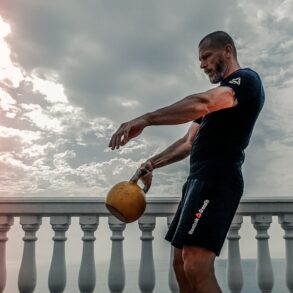



Building muscle is one of the most popular fitness goals among gym enthusiasts, beginners, and athletes. Whether someone wants a stronger body, better physical performance, improved appearance, or greater confidence, strength training offers numerous benefits. However, achieving meaningful fitness results requires more than lifting heavy weights or spending several hours at the gym.
The modern approach to fitness is changing. Instead of focusing exclusively on muscle size, more people are recognizing the importance of building strength while protecting their long-term health. This is where Smart Gym Training becomes essential.
Smart Gym Training combines effective resistance exercises, progressive overload, proper recovery, balanced nutrition, cardiovascular activity, and sustainable workout habits. Its purpose is not simply to build bigger muscles but to develop a stronger, healthier, and more capable body.
Traditional gym routines sometimes encourage people to train harder without considering recovery, mobility, joint health, or overall physical well-being. Although intense workouts can produce short-term improvements, consistently ignoring these factors may lead to fatigue, injuries, and reduced performance.
A smarter approach focuses on training quality rather than unnecessary workout volume. It encourages individuals to understand their bodies, select appropriate exercises, maintain proper technique, and gradually increase training intensity.
Another important advantage of Smart Gym Training is its long-term approach. Muscle development is not an overnight process. It requires consistency, patience, adequate protein intake, quality sleep, and a well-designed exercise routine.
In this comprehensive guide, we will explore how to build muscle effectively while supporting long-term health. You will discover the science behind muscle growth, essential strength exercises, workout planning strategies, recovery techniques, nutrition principles, and practical habits that make fitness sustainable.
Whether you are a beginner or an experienced gym enthusiast, adopting Smart Gym Training principles can help you achieve better results without compromising your overall well-being.
1. Understanding the Concept of Smart Gym Training
Smart Gym Training is an approach to exercise that combines scientific training principles with practical fitness strategies.
Instead of measuring success only through the amount of weight lifted or the number of hours spent exercising, this approach considers several important factors:
- Muscle development
- Strength progression
- Cardiovascular fitness
- Joint health
- Mobility and flexibility
- Recovery quality
- Nutritional balance
- Long-term consistency
The central idea is simple: train effectively, recover properly, and make gradual improvements.
Why Is Smart Gym Training Important?
Many people enter the gym with unrealistic expectations. They believe that training every day, lifting heavier weights, and performing hundreds of repetitions will automatically produce faster results.
However, muscle development depends on several interconnected processes.
When you perform resistance exercises, your muscles experience mechanical tension. This stimulates biological processes that contribute to muscle protein synthesis and muscle growth.
However, training is only one part of the process. Your body also needs adequate nutrients and recovery time to adapt to exercise.
Smart Gym Training considers the entire process rather than focusing on individual workouts.
Traditional Training vs Smart Gym Training
| Traditional Training Approach | Smart Gym Training Approach |
|---|---|
| Focuses mainly on lifting heavy | Focuses on proper technique and progressive overload |
| Prioritizes workout intensity | Balances intensity and recovery |
| Often ignores mobility | Includes mobility and flexibility |
| Uses random exercises | Follows structured workout programming |
| Focuses only on appearance | Supports overall physical health |
| Encourages excessive training | Promotes sustainable exercise habits |
| May overlook nutrition | Prioritizes balanced nutrition |
| Measures progress only through weight | Tracks multiple fitness improvements |
The goal is not to make workouts easier. It is to make them more effective, purposeful, and sustainable.
2. Understanding the Science Behind Muscle Growth
Before developing an effective workout routine, it is important to understand how muscles grow.
Muscle growth, scientifically known as hypertrophy, occurs when muscle fibers adapt to repeated resistance-training demands.
When you perform exercises such as squats, bench presses, rows, or shoulder presses, your muscles produce force against external resistance.
This process creates mechanical tension and activates cellular signaling pathways involved in muscle adaptation.
The Three Important Factors Behind Muscle Growth
1. Mechanical Tension
Mechanical tension occurs when muscles generate force against resistance.
It is one of the most important factors contributing to muscle hypertrophy.
Exercises performed with controlled movement and appropriate resistance create meaningful tension throughout the muscles.
For example:
- Bench presses stimulate the chest, shoulders, and triceps.
- Squats activate the quadriceps, glutes, and other supporting muscles.
- Rows develop the back and biceps.
- Shoulder presses strengthen the shoulders and triceps.
2. Progressive Overload
Progressive overload means gradually increasing the demands placed on your muscles.
This can involve:
- Increasing resistance.
- Performing additional repetitions.
- Completing more sets.
- Improving exercise technique.
- Increasing movement range.
- Maintaining better control during repetitions.
Progressive overload encourages the body to adapt to increasing physical demands.
However, progression should be gradual. Increasing weights too quickly can compromise technique and increase injury risk.
3. Recovery and Adaptation
Muscle growth does not happen exclusively during workouts.
Resistance training stimulates adaptation, while recovery allows the body to repair and rebuild muscle tissue.
Important recovery factors include:
- Adequate sleep.
- Sufficient protein intake.
- Appropriate calorie consumption.
- Rest days.
- Hydration.
- Managing training intensity.
Smart Gym Training combines these three factors to create an effective environment for muscle development.
3. Start With Clear and Realistic Fitness Goals
One of the biggest mistakes people make is starting a workout routine without identifying what they actually want to achieve.
Different fitness goals require different training approaches.
Someone interested in muscle growth may need a different program from someone preparing for endurance sports or improving general physical fitness.
Before starting, identify your primary objective.
Common Gym Training Goals
Muscle Hypertrophy
If your primary objective is building muscle, focus on resistance training, appropriate weekly training volume, progressive overload, and sufficient nutrition.
Strength Development
Strength training focuses on improving your ability to produce force.
It generally includes compound exercises, structured loading, and consistent technique.
Fat Loss
If you want to reduce body fat, combine resistance training with cardiovascular activity, balanced nutrition, and an appropriate calorie deficit.
General Health and Fitness
For overall wellness, combine strength training, cardiovascular exercise, mobility work, and everyday physical activity.
Set Measurable Goals
Instead of saying, “I want to become stronger,” create measurable objectives.
For example:
- Improve squat performance over 12 weeks.
- Perform more controlled push-ups.
- Increase weekly walking activity.
- Develop a consistent three-day gym routine.
- Improve exercise technique.
- Build muscle while maintaining cardiovascular fitness.
Realistic goals encourage consistency and make progress easier to evaluate.
4. Prioritize Compound Exercises for Maximum Results
Compound exercises are movements that involve multiple joints and muscle groups.
They are particularly valuable because they allow you to develop strength efficiently while training several muscles simultaneously.
A well-designed Smart Gym Training program should include compound movements as its foundation.
1. Squats
Squats are among the most effective lower-body exercises.
They primarily target:
- Quadriceps
- Gluteal muscles
- Adductors
- Core stabilizing muscles
Squats help develop lower-body strength and improve the ability to perform everyday movements such as standing, sitting, and climbing stairs.
How to perform squats:
- Stand with your feet approximately shoulder-width apart.
- Keep your chest lifted and spine in a comfortable neutral position.
- Bend your hips and knees.
- Lower your body under control.
- Keep your feet stable.
- Push through your feet to return to standing.
Start with bodyweight squats before progressing to additional resistance.
2. Bench Press
The bench press develops upper-body pushing strength.
It primarily targets the chest, triceps, and anterior deltoids.
It is useful for developing upper-body muscle mass and improving pushing performance.
Maintain controlled movement and avoid bouncing the bar against your chest.
3. Deadlifts
Deadlifts strengthen the posterior chain, including the glutes, hamstrings, and spinal erectors.
They also require significant coordination and core stabilization.
Proper technique is essential because poor lifting mechanics can place unnecessary stress on the lower back.
Beginners should learn the hip-hinge movement before attempting heavier deadlifts.
4. Pull-Ups
Pull-ups are excellent for developing upper-body pulling strength.
They primarily activate:
- Latissimus dorsi
- Biceps
- Upper-back muscles
- Forearm muscles
Assisted pull-ups are a useful starting option for beginners.
5. Overhead Shoulder Press
The overhead press strengthens the shoulders and triceps.
It also requires the core to stabilize the body during movement.
Start with manageable resistance and avoid excessive lower-back arching.
Why Compound Exercises Matter
Compound exercises provide several advantages:
- Train multiple muscle groups efficiently.
- Improve functional strength.
- Develop coordination.
- Support progressive overload.
- Help build overall muscle mass.
- Make workout programming more time-efficient.
For most healthy adults, combining compound movements with targeted isolation exercises creates a balanced strength-training routine.
also read: Strength Training for Longevity: How to Stay Strong and Independent as You Age
5. Include Isolation Exercises for Balanced Muscle Development
Although compound movements are extremely valuable, isolation exercises also play an important role in muscle development.
Isolation exercises primarily target a particular muscle group or movement pattern.
They allow individuals to add training volume to muscles that may not receive enough direct stimulation from compound movements.
Important Isolation Exercises
Bicep Curls
Bicep curls develop the elbow flexors, particularly the biceps brachii.
They can be performed using dumbbells, barbells, or cables.
Triceps Pushdowns
This exercise targets the triceps muscles and helps develop upper-arm strength.
Lateral Raises
Lateral raises primarily target the middle deltoids, contributing to shoulder development.
Leg Curls
Leg curls directly train the hamstrings through knee flexion.
Leg Extensions
Leg extensions isolate the quadriceps and can complement compound lower-body movements.
Calf Raises
Calf raises strengthen the calf muscles and contribute to lower-leg development.
How to Combine Compound and Isolation Exercises
A balanced workout might include:
| Exercise | Main Muscle Group |
|---|---|
| Bench Press | Chest |
| Incline Dumbbell Press | Upper Chest |
| Shoulder Press | Shoulders |
| Lateral Raises | Side Deltoids |
| Triceps Pushdowns | Triceps |
This combination allows you to train major muscle groups while adding targeted exercises for additional development.
6. Use Progressive Overload Without Overtraining
Progressive overload is one of the foundations of effective muscle development.
However, many gym enthusiasts misunderstand this principle.
They believe they must increase their lifting weight during every workout.
In reality, progression can happen in several ways.
Practical Methods of Progressive Overload
Increase Repetitions
If you can perform 8 controlled repetitions with a particular weight, gradually work toward 10 or 12 repetitions.
Increase Resistance
Once you can consistently complete the upper end of your target repetition range with good technique, consider increasing the weight slightly.
Improve Technique
Performing exercises with better control and a comfortable range of motion is meaningful progress.
Increase Training Volume
Adding an additional set may be useful when your current training volume is insufficient and recovery is adequate.
Improve Consistency
Completing planned workouts consistently is also an important form of long-term progress.
What Is Overtraining?
Overtraining syndrome refers to a prolonged state of maladaptation caused by excessive training stress without sufficient recovery.
It is different from ordinary muscle soreness or temporary fatigue.
Possible warning signs include:
- Persistent performance decline.
- Ongoing fatigue.
- Poor sleep.
- Mood changes.
- Loss of motivation.
- Repeated injuries or illnesses.
If these symptoms persist, reducing training demands and seeking professional guidance may be appropriate.
The Smart Approach
Follow these principles:
- Increase training demands gradually.
- Avoid testing maximum strength too frequently.
- Maintain proper technique.
- Include sufficient rest.
- Adjust training volume when recovery becomes difficult.
The purpose of progressive overload is continuous adaptation, not constant exhaustion.
7. Build a Balanced Weekly Gym Workout Routine
A structured workout schedule helps you distribute training volume across different muscle groups.
It also makes it easier to balance strength training, cardiovascular activity, and recovery.
The ideal routine depends on your experience, schedule, recovery capacity, and goals.
Here is an example of a balanced five-day training schedule.
Monday: Upper Body Strength
- Bench Press – 3 sets
- Lat Pulldown – 3 sets
- Shoulder Press – 3 sets
- Seated Cable Rows – 3 sets
- Bicep Curls – 2 sets
- Triceps Pushdowns – 2 sets
Tuesday: Lower Body Strength
- Squats – 3 sets
- Romanian Deadlifts – 3 sets
- Leg Press – 3 sets
- Leg Curls – 2 sets
- Calf Raises – 3 sets
- Planks – 3 sets
Wednesday: Active Recovery
- 20–30 minutes of comfortable walking.
- Light mobility exercises.
- Gentle stretching.
- Recovery-focused movement.
Thursday: Upper Body Hypertrophy
- Incline Dumbbell Press – 3 sets
- Chest-Supported Rows – 3 sets
- Lateral Raises – 3 sets
- Assisted Pull-Ups – 3 sets
- Hammer Curls – 2 sets
- Overhead Triceps Extensions – 2 sets
Friday: Lower Body and Core
- Goblet Squats – 3 sets
- Hip Thrusts – 3 sets
- Bulgarian Split Squats – 2 sets
- Leg Curls – 3 sets
- Calf Raises – 3 sets
- Dead Bugs – 3 sets
Saturday: Cardiovascular Fitness
- Cycling.
- Brisk walking.
- Swimming.
- Light jogging.
Choose an activity appropriate for your current fitness level.
Sunday: Rest
Allow your body to recover before beginning another training week.
Important: This is an example rather than a mandatory schedule. Beginners may benefit more from three full-body sessions per week. The number of weekly training days should match individual needs and recovery capacity.
8. Understand the Importance of Training Frequency
Training frequency refers to how often you exercise a particular muscle group.
It is an important consideration when designing an effective gym routine.
For muscle growth, many individuals find that training each major muscle group approximately twice per week is a practical approach.
However, frequency alone does not determine results.
Total weekly training volume, exercise quality, effort, and recovery are also important.
How Often Should You Train?
A general structure could look like this:
| Experience Level | Suggested Weekly Schedule |
|---|---|
| Beginner | 2–3 strength sessions |
| Intermediate | 3–4 strength sessions |
| Advanced | 4–6 sessions, depending on programming |
These are flexible examples rather than strict requirements.
Why Is Frequency Important?
Training muscle groups regularly provides repeated opportunities for adaptation.
It also allows weekly training volume to be distributed across multiple sessions.
For example, performing 12 weekly chest sets across two workouts may feel more manageable than performing all 12 sets in one session.
Avoid Excessive Training Frequency
Training the same muscle group intensely every day is generally unnecessary for muscle growth.
Muscles need time to recover between demanding sessions.
A balanced schedule should consider:
- Training intensity.
- Weekly volume.
- Exercise selection.
- Sleep quality.
- Nutrition.
- Individual recovery.
9. Nutrition: The Foundation of Muscle Growth and Long-Term Health
Exercise provides the stimulus for muscle development, but nutrition supplies the resources required for adaptation.
Without adequate nutrition, even an excellent workout routine may produce disappointing results.
A Smart Gym Training strategy should include a balanced eating pattern that supports muscle growth and overall health.
1. Prioritize Protein
Protein provides amino acids that the body uses to repair and build muscle tissue.
For many healthy adults who perform regular resistance training, approximately 1.4–2.0 grams of protein per kilogram of body weight per day is a commonly recommended range.
Individual requirements may vary.
Good protein sources include:
- Eggs.
- Milk.
- Greek yogurt.
- Paneer.
- Chicken.
- Fish.
- Soybeans.
- Tofu.
- Lentils.
- Chickpeas.
- Beans.
For example, an individual weighing 70 kilograms might consider approximately 98–140 grams of protein per day, depending on training goals and individual circumstances.
Spreading protein intake across meals can make it easier to meet daily requirements.

2. Include Healthy Carbohydrates
Carbohydrates provide energy for resistance training and other physical activities.
They help support workout performance, particularly during demanding or high-volume training sessions.
Useful carbohydrate sources include:
- Oats.
- Brown rice.
- Whole-wheat roti.
- Sweet potatoes.
- Bananas.
- Fruits.
- Quinoa.
- Whole grains.
Avoid unnecessarily eliminating carbohydrates from your diet.
3. Consume Healthy Fats
Dietary fats support several important biological functions, including hormone production and the absorption of fat-soluble vitamins.
Include sources such as:
- Almonds.
- Walnuts.
- Peanuts.
- Seeds.
- Olive oil.
- Fatty fish.
- Avocados.
The goal is to maintain a balanced intake rather than eliminate fats.
4. Eat Vegetables and Fruits
Fruits and vegetables provide vitamins, minerals, fiber, and beneficial plant compounds.
They support overall nutritional quality and digestive health.
Include a variety of colorful vegetables and fruits throughout the day.
5. Maintain Appropriate Calorie Intake
Building muscle requires sufficient energy.
People aiming to maximize muscle growth may benefit from a modest calorie surplus.
Those prioritizing fat loss may use a moderate calorie deficit while maintaining resistance training and adequate protein intake.
However, extremely restrictive diets can compromise workout performance, recovery, and muscle retention.
A balanced nutritional strategy is more sustainable.
10. Understand the Role of Hydration in Gym Performance
Water plays an important role in temperature regulation, circulation, digestion, and physical performance.
During exercise, your body loses water through sweating.
If fluid losses become excessive, dehydration may negatively affect exercise performance and increase the risk of heat-related problems.
How to Maintain Proper Hydration
- Drink water regularly throughout the day.
- Have fluids before exercise.
- Drink during longer or particularly sweaty workouts.
- Replace fluids after exercise.
- Adjust intake according to weather and activity levels.
Individuals exercising in hot environments may need additional attention to fluid and electrolyte replacement.
Signs You May Need More Fluids
Possible signs include:
- Increased thirst.
- Darker urine.
- Dry mouth.
- Headaches.
- Dizziness.
- Reduced exercise performance.
Hydration needs vary depending on body size, climate, exercise duration, and sweat rate.
Do not force excessive water consumption.
11. Recovery: The Secret Behind Sustainable Muscle Development
Recovery is one of the most important components of a successful fitness program.
Many people spend considerable time planning workouts but give little attention to what happens after training.
However, the body needs adequate recovery to adapt to exercise.
Why Is Recovery Important?
During resistance training, muscles experience mechanical stress.
Afterward, the body activates processes that repair and remodel muscle tissue.
Proper recovery supports:
- Muscle development.
- Strength progression.
- Exercise performance.
- Nervous system function.
- Joint health.
- Training consistency.
1. Prioritize Sleep
Sleep plays a major role in physical recovery.
During sleep, the body regulates numerous processes involved in tissue repair, metabolism, and hormonal function.
Most adults should aim for approximately 7–9 hours of sleep each night.
Helpful sleep habits include:
- Maintaining consistent sleeping hours.
- Reducing late-night screen exposure.
- Keeping your bedroom comfortable.
- Avoiding excessive caffeine late in the day.
- Creating a relaxing bedtime routine.
2. Include Rest Days
Rest days allow you to recover from demanding workouts.
They do not necessarily require complete inactivity.
Walking, gentle cycling, and mobility work can support general movement without adding significant training stress.
3. Manage Training Volume
More exercise is not always better.
If your workout performance is consistently declining, you experience persistent soreness, or you struggle to recover between sessions, consider reducing training volume or intensity.
4. Avoid Ignoring Pain
Ordinary muscle soreness is different from sharp or persistent joint pain.
Do not force yourself through movements that cause significant pain.
Modify the exercise and seek professional assessment when necessary.
12. Combine Strength Training With Cardiovascular Exercise
Building muscle is important, but cardiovascular fitness is equally valuable for long-term health.
Resistance training and cardiovascular exercise improve different aspects of physical fitness.
Combining them creates a more complete fitness routine.
Benefits of Cardiovascular Exercise
Regular cardiovascular activity can support:
- Heart health.
- Blood pressure management.
- Aerobic endurance.
- Metabolic health.
- Exercise capacity.
- Mental well-being.
Best Cardio Exercises for Gym Enthusiasts
Walking
Walking is accessible, low-impact, and easy to incorporate into daily routines.
Cycling
Cycling develops cardiovascular endurance while providing a relatively low-impact exercise option.
Swimming
Swimming works multiple muscle groups and provides cardiovascular benefits.
Jogging
Jogging can improve aerobic fitness, although beginners should increase running volume gradually.
Rowing
Rowing machines provide a full-body cardiovascular workout involving the upper body, lower body, and core.
How Much Cardio Should You Do?
General adult physical activity guidelines recommend:
- 150–300 minutes of moderate-intensity aerobic activity weekly, or
- 75–150 minutes of vigorous-intensity aerobic activity weekly.
Adults should also perform muscle-strengthening activities involving major muscle groups on at least two days each week.
These recommendations can be adjusted according to individual ability and health conditions.
Does Cardio Reduce Muscle Growth?
Cardiovascular exercise does not automatically prevent muscle growth.
However, excessive endurance training combined with inadequate nutrition and insufficient recovery may interfere with strength and hypertrophy goals.
The solution is to balance training demands.
For most recreational gym enthusiasts, moderate cardiovascular activity can coexist with effective muscle-building programs.
13. Improve Mobility and Flexibility for Long-Term Fitness
Mobility and flexibility are often overlooked in muscle-building programs.
However, maintaining comfortable joint movement and muscular flexibility can improve exercise quality and everyday movement.
Mobility refers to the ability to move a joint through its available range of motion with control.
Flexibility refers to the ability of muscles and other soft tissues to lengthen.
Both are useful components of a well-rounded fitness routine.
Important Mobility Exercises
Hip Flexor Stretch
Helps improve comfort and movement around the hips.
Thoracic Rotations
Encourage movement through the upper back.
Ankle Mobility Drills
Can improve ankle movement during squats and other lower-body exercises.
Shoulder Circles
Help prepare the shoulders for upper-body training.
Cat-Cow Movement
Encourages controlled movement through the spine.
When Should You Perform Mobility Exercises?
You can include mobility exercises:
- Before strength training.
- During warm-ups.
- On active recovery days.
- After workouts.
- During short movement breaks.
Dynamic movements are generally useful before exercise, while comfortable static stretching can be included afterward or during separate flexibility sessions.
Remember that mobility exercises should not cause sharp pain.
14. Protect Joint Health While Building Muscle
Long-term joint health is an important consideration for anyone who wants to remain physically active throughout life.
Although resistance training can improve muscular strength and support joint function, poor exercise technique and inappropriate training loads can increase injury risk.
Smart Strategies for Joint-Friendly Training
1. Maintain Proper Technique
Good technique helps distribute mechanical forces appropriately.
Learn correct movement patterns before increasing resistance.
2. Avoid Ego Lifting
Lifting heavier weights than you can control may compromise exercise quality.
Choose resistance that allows you to perform the movement safely.
3. Warm Up Properly
Begin with light cardiovascular activity and exercise-specific warm-up sets.
4. Use a Comfortable Range of Motion
Exercises should be performed through a range of motion that is appropriate for your mobility and physical condition.
5. Strengthen Supporting Muscles
A balanced workout should develop major muscle groups rather than focusing exclusively on visible muscles.
6. Progress Gradually
Avoid sudden increases in training volume, frequency, or resistance.
Why Joint Health Matters With Age
As people get older, maintaining muscular strength and physical function becomes increasingly important.
Resistance training can help preserve muscle mass and strength, supporting activities such as walking, lifting objects, climbing stairs, and maintaining independence.
The goal is to remain active and capable throughout different stages of life.
15. Smart Gym Training for Different Age Groups
Fitness needs change throughout life.
A workout routine that works well for a 20-year-old may require modifications for someone in their 50s or 60s.
However, age alone should not determine what exercises someone can perform.
Fitness experience, physical capacity, medical history, and individual goals are also important.
Training in Your 20s
This stage can be an excellent opportunity to establish strong exercise habits.
Focus on:
- Learning fundamental movement patterns.
- Developing balanced strength.
- Building cardiovascular fitness.
- Improving mobility.
- Establishing consistent nutrition habits.
Avoid chasing rapid muscle growth through excessive training.
Training in Your 30s
Busy schedules and professional responsibilities may make consistency challenging.
Focus on:
- Efficient workout programming.
- Progressive strength development.
- Adequate protein.
- Quality sleep.
- Stress management.
- Regular physical activity.
Shorter, structured workouts can be effective when performed consistently.
Training in Your 40s
Maintaining strength, cardiovascular fitness, and mobility becomes increasingly important.
Focus on:
- Regular resistance training.
- Balanced cardiovascular activity.
- Proper recovery.
- Joint-friendly exercise modifications.
- Consistent sleep.
Training in Your 50s and Beyond
Strength training can remain valuable throughout older adulthood.
It may help preserve muscle strength, balance, mobility, and functional independence.
Useful exercises may include:
- Supported squats.
- Seated rows.
- Step-ups.
- Resistance-band exercises.
- Wall push-ups.
- Controlled dumbbell movements.
People with medical conditions, balance problems, or significant joint limitations should seek individualized exercise guidance.
16. The Importance of Functional Fitness
Functional fitness focuses on improving physical abilities that support everyday activities.
Rather than training muscles only for appearance, it emphasizes movements that help people perform real-life tasks.
These include:
- Squatting.
- Bending.
- Reaching.
- Pushing.
- Pulling.
- Carrying.
- Walking.
- Balancing.
Why Functional Training Matters
Functional training can improve movement coordination, muscular strength, and physical confidence.
It can also help individuals develop the physical capacity needed for everyday activities.
Useful Functional Exercises
Farmer’s Carries
Improve grip strength and train the muscles responsible for stabilizing the trunk.
Step-Ups
Develop lower-body strength and coordination.
Goblet Squats
Strengthen the lower body while encouraging an upright torso position.
Single-Arm Rows
Develop pulling strength while challenging trunk stability.
Dead Bugs
Train core control and coordination.
Suitcase Carries
Challenge grip strength and resistance to sideways trunk movement.
Incorporating functional movements into Smart Gym Training creates a more complete approach to fitness.
17. Monitor Your Fitness Progress With the Right Metrics
Many gym enthusiasts measure progress exclusively through body weight.
However, body weight cannot explain every change occurring in your body.
You may gain muscle, lose fat, and experience improvements in physical performance without seeing dramatic changes on the weighing scale.
A better strategy is to monitor multiple indicators.
Important Fitness Progress Metrics
Strength Improvements
Track how your performance changes in major exercises.
Workout Consistency
Record how frequently you complete your planned sessions.
Body Measurements
Track measurements such as waist, chest, arms, and thighs under consistent conditions.
Progress Photographs
Photographs can help you evaluate visual changes over time.
Cardiovascular Performance
Monitor improvements in walking, cycling, or running capacity.
Recovery Quality
Pay attention to sleep, fatigue, soreness, and workout readiness.
Use a Workout Journal
A training journal can include:
| Tracking Category | What to Record |
|---|---|
| Exercise | Name of the movement |
| Weight | Resistance used |
| Repetitions | Number of completed repetitions |
| Sets | Number of working sets |
| Technique | Notes on movement quality |
| Recovery | Energy and soreness |
| Progress | Improvements over time |
Tracking makes Smart Gym Training more systematic and helps you make informed adjustments.
18. Common Gym Training Mistakes That Slow Muscle Growth
Even individuals who exercise regularly can make mistakes that interfere with progress.
Understanding these mistakes can help you improve workout quality and maintain long-term health.
Mistake 1: Lifting Too Heavy
Using excessive resistance can compromise movement technique.
Solution: Choose manageable weights and prioritize controlled repetitions.
Mistake 2: Ignoring Warm-Ups
Starting intense exercise without preparation may make movements feel uncomfortable.
Solution: Perform light activity and exercise-specific warm-up sets.
Mistake 3: Training Without a Plan
Random workouts make it difficult to monitor training volume and progression.
Solution: Follow a structured weekly routine.
Mistake 4: Neglecting Protein Intake
Insufficient protein may make it harder to support muscle development.
Solution: Include protein-rich foods throughout the day.
Mistake 5: Ignoring Sleep
Poor sleep can negatively affect recovery and exercise performance.
Solution: Establish a consistent sleep schedule.
Mistake 6: Avoiding Cardiovascular Exercise
Focusing exclusively on weightlifting may leave cardiovascular fitness underdeveloped.
Solution: Include appropriate aerobic activity.
Mistake 7: Skipping Rest Days
Excessive training without sufficient recovery can increase fatigue.
Solution: Plan rest and lighter training days.
Mistake 8: Comparing Your Progress With Others
People differ in genetics, training history, lifestyle, and recovery capacity.
Solution: Measure your progress against your previous performance.
Mistake 9: Changing Workout Programs Too Frequently
Constantly switching exercises can make it difficult to measure improvement.
Solution: Follow a program long enough to evaluate its effectiveness.
Mistake 10: Expecting Immediate Results
Muscle development requires consistent effort over time.
Solution: Focus on sustainable habits rather than short-term transformations.
19. Smart Gym Training for Beginners
Starting a gym routine can feel overwhelming, particularly when you encounter complicated workout programs and unfamiliar equipment.
The best approach is to begin with basic exercises and gradually develop your strength.
Step 1: Learn Fundamental Movements
Start by learning:
- Squatting.
- Hip hinging.
- Pushing.
- Pulling.
- Carrying.
- Bracing your core.
These movements form the foundation of many strength exercises.
Step 2: Start With Full-Body Workouts
Beginners can often make excellent progress with two or three full-body strength sessions each week.
An example workout:
| Exercise | Sets | Repetitions |
|---|---|---|
| Goblet Squat | 2–3 | 8–12 |
| Machine Chest Press | 2–3 | 8–12 |
| Lat Pulldown | 2–3 | 8–12 |
| Romanian Deadlift | 2 | 8–10 |
| Dumbbell Shoulder Press | 2 | 8–12 |
| Plank | 2–3 | 20–40 seconds |
Choose appropriate resistance and adjust the exercises to your ability.
Step 3: Focus on Technique
Do not rush to increase weights.
Learn to perform each exercise with stable positioning and controlled movement.
Step 4: Build Consistency
Completing three manageable workouts every week is often more valuable than attempting six intense workouts and abandoning the routine.
Step 5: Track Improvements
Record weights, repetitions, and exercise performance.
Gradually increase training demands when you can perform your current routine comfortably and consistently.
20. The Role of Mental Health in Long-Term Fitness
Physical fitness and mental well-being are closely connected.
Regular exercise can support psychological health, improve mood, and help people manage everyday stress.
However, maintaining a healthy relationship with exercise is just as important as following a workout program.
How Exercise Supports Mental Well-Being
Regular physical activity may contribute to:
- Improved mood.
- Reduced stress.
- Better sleep quality.
- Increased self-confidence.
- Improved cognitive function.
- Greater daily energy.
Avoid Turning Fitness Into an Obsession
Exercise should improve your quality of life rather than control it.
Unhealthy exercise patterns may include:
- Feeling guilty about every missed workout.
- Exercising despite injury or illness.
- Ignoring social and professional responsibilities.
- Becoming excessively focused on appearance.
- Feeling compelled to train even when exhausted.
A sustainable fitness routine should leave room for work, family, recreation, and rest.
Develop a Positive Fitness Mindset
Focus on what your body can do rather than judging it exclusively by appearance.
Celebrate improvements in strength, stamina, mobility, and confidence.
Remember that fitness is a long-term investment.
21. Supplements: Are They Necessary for Muscle Growth?
Supplements are widely marketed to gym enthusiasts, but they are not essential for everyone.
A balanced diet should remain the foundation of muscle development.
Certain supplements may offer benefits when used appropriately.
1. Whey Protein
Whey protein provides a convenient source of high-quality protein.
It can help individuals meet daily protein requirements when food intake alone is insufficient.
However, it is not inherently superior to a well-planned diet that provides adequate protein.
2. Creatine Monohydrate
Creatine monohydrate is one of the most extensively researched sports supplements.
It can improve performance during repeated high-intensity exercise and support gains in strength and lean body mass when combined with resistance training.
A commonly studied maintenance intake is 3–5 grams daily.
People with existing medical conditions or concerns about supplementation should consult a healthcare professional before using it.
3. Vitamin D
Vitamin D is important for bone health and normal muscle function.
Supplementation may be useful for people with inadequate vitamin D levels, but unnecessary supplementation should be avoided.
4. Electrolytes
Electrolyte products may be useful during prolonged exercise or activities involving substantial sweating.
They are not necessary for every short gym session.
Important Supplement Guidelines
- Choose reputable manufacturers.
- Avoid products making unrealistic claims.
- Check ingredients and quality testing.
- Do not use supplements as substitutes for balanced nutrition.
- Consult a qualified professional when necessary.
The foundation of Smart Gym Training remains consistent exercise, proper nutrition, and adequate recovery.
22. How to Maintain Long-Term Fitness Motivation
Motivation naturally changes over time.
Some days you may feel excited to exercise, while on other days you may struggle to begin.
This is normal.
Successful fitness routines depend more on consistent habits than constant motivation.
1. Create a Realistic Schedule
Choose workout times that fit your daily responsibilities.
A routine that works with your lifestyle is easier to maintain.
2. Keep Workouts Enjoyable
Experiment with different exercises and activities.
You do not need to perform the same routine indefinitely.
3. Celebrate Small Achievements
Recognize improvements such as:
- Completing your first full-body workout.
- Increasing your walking distance.
- Improving your squat technique.
- Performing additional repetitions.
- Maintaining a consistent exercise schedule.
4. Find an Accountability Partner
Training with a friend or working with a qualified trainer can improve consistency.
5. Focus on Long-Term Benefits
Think beyond muscle size.
Regular training can support independence, physical confidence, functional ability, and overall health.
6. Accept Occasional Setbacks
Missing a workout does not mean your progress has disappeared.
Return to your routine without unnecessary guilt.
23. Create a Sustainable 12-Week Smart Gym Training Plan
A structured 12-week plan can help individuals develop consistent exercise habits and gradually improve strength.
The following example is suitable as a general framework for healthy beginners and intermediate gym enthusiasts, with appropriate adjustments.
Phase 1: Foundation (Weeks 1–4)
Primary Goal: Learn movement patterns and establish consistency.
Focus on:
- Three full-body workouts weekly.
- Light to moderate resistance.
- Proper technique.
- Basic compound movements.
- Regular walking.
- Adequate sleep.
Example exercises:
- Goblet Squats.
- Machine Chest Press.
- Lat Pulldowns.
- Dumbbell Rows.
- Glute Bridges.
- Planks.
Avoid training to complete muscular failure during every set.
Phase 2: Strength and Muscle Development (Weeks 5–8)
Primary Goal: Gradually increase training demands.
Focus on:
- Three to four weekly strength sessions.
- Progressive overload.
- Consistent protein intake.
- Balanced cardiovascular exercise.
- Improved movement control.
You can gradually increase repetitions or resistance when your technique remains consistent.
Phase 3: Performance and Consistency (Weeks 9–12)
Primary Goal: Consolidate progress and improve workout quality.
Focus on:
- Maintaining structured workouts.
- Tracking strength improvements.
- Adjusting exercise volume.
- Improving cardiovascular endurance.
- Maintaining recovery habits.
At the end of 12 weeks, review your performance and decide what adjustments are appropriate for the next training cycle.
Example 12-Week Progress Tracking
| Fitness Indicator | Starting Point | 12-Week Review |
|---|---|---|
| Squat Performance | Record baseline | Compare improvements |
| Push-Up Ability | Record repetitions | Evaluate progress |
| Walking Endurance | Record duration | Compare capacity |
| Workout Consistency | Record weekly sessions | Review adherence |
| Sleep | Track average hours | Evaluate routine |
| Recovery | Record fatigue | Assess changes |
Your goal should be measurable improvement rather than achieving an arbitrary transformation.
24. How Smart Gym Training Supports Healthy Aging
One of the most important reasons to develop a consistent strength-training habit is its potential contribution to healthy aging.
As people grow older, they naturally experience changes in muscle mass, strength, bone health, and physical capacity.
Age-related muscle loss, known as sarcopenia, can contribute to reduced mobility and functional independence.
Regular resistance training can help counteract declines in muscle strength and physical function.
Benefits of Strength Training for Older Adults
Maintaining Muscle Mass
Resistance exercise stimulates muscle adaptation and helps preserve muscular strength.
Supporting Bone Health
Appropriate weight-bearing and resistance exercises can support bone health.
Improving Functional Ability
Stronger muscles help with activities such as standing, walking, lifting, and climbing stairs.
Supporting Balance
Strength and balance exercises can improve physical stability.
Maintaining Independence
Physical strength helps people remain capable of managing everyday activities.
Why Start Early?
Developing healthy exercise habits earlier in life creates a foundation for long-term physical well-being.
However, it is never too late to begin an appropriately designed exercise program.
Older adults who are new to strength training should start gradually and consider professional guidance, especially if they have existing health conditions or mobility limitations.
25. Build Your Own Smart Gym Training Strategy
The most effective training program is one that matches your individual needs.
There is no universal workout routine that works perfectly for everyone.
Your training strategy should consider your goals, fitness experience, schedule, recovery capacity, and available equipment.
A Simple Framework
Use the following structure to develop your own program:
Step 1: Identify Your Main Goal
Decide whether muscle growth, strength, fat loss, cardiovascular fitness, or general health is your primary objective.
Step 2: Select Fundamental Exercises
Include appropriate movements for the major muscle groups.
Step 3: Establish Weekly Training Frequency
Choose a schedule that you can maintain consistently.
Step 4: Set Training Volume
Start with manageable weekly sets and increase gradually when necessary.
Step 5: Prioritize Nutrition
Maintain adequate protein, balanced carbohydrates, healthy fats, and sufficient calories.
Step 6: Schedule Recovery
Include rest days and prioritize sleep.
Step 7: Monitor Performance
Record workout results and evaluate improvements.
Step 8: Adjust When Necessary
Modify the program if your goals, schedule, physical condition, or recovery needs change.
This systematic approach makes training more manageable and reduces the temptation to follow every new fitness trend.
26. The Future of Smart Gym Training: Personalized and Sustainable Fitness
The fitness industry is increasingly moving toward personalized training.
Wearable devices, fitness applications, digital workout tracking, and artificial intelligence are making it easier for individuals to monitor their physical activity.
These technologies can provide useful information about workout consistency, heart rate, sleep duration, and exercise performance.
1. Wearable Fitness Technology
Smartwatches and fitness trackers can help monitor daily activity and cardiovascular information.
They can encourage people to remain active and recognize changes in activity patterns.
However, wearable measurements are estimates and should not replace professional medical assessments.
2. Personalized Workout Programs
Training programs can be adapted according to individual goals, experience, equipment, and schedule.
Personalization makes it easier to create realistic exercise plans.
3. Data-Driven Progress Tracking
Recording repetitions, weights, workout duration, and recovery patterns helps individuals make informed decisions.
4. Recovery-Focused Training
More fitness enthusiasts are recognizing that recovery is essential for sustainable performance.
Instead of maximizing workout intensity every day, future training strategies are likely to emphasize appropriate training loads and individual recovery requirements.
5. Health-Focused Muscle Development
The future of fitness is not simply about achieving a particular appearance.
It is about developing strength, maintaining mobility, supporting cardiovascular health, and improving quality of life.
Smart Gym Training represents this broader approach to physical well-being.
27. Practical Daily Habits to Support Muscle Growth and Long-Term Health
Your progress depends on more than the time you spend inside the gym.
Daily lifestyle habits influence energy levels, physical recovery, nutritional quality, and long-term consistency.
Here are some practical habits worth developing.
| Daily Habit | Potential Benefit |
|---|---|
| Eat protein-rich meals | Supports muscle maintenance and growth |
| Drink sufficient water | Supports hydration |
| Walk regularly | Improves daily physical activity |
| Perform planned workouts | Develops strength |
| Eat vegetables and fruits | Improves dietary quality |
| Sleep 7–9 hours | Supports recovery |
| Take movement breaks | Reduces prolonged sitting |
| Practice mobility exercises | Supports comfortable movement |
| Manage stress | Supports overall well-being |
| Track fitness progress | Encourages consistency |
These habits may appear simple, but their combined impact can be meaningful over time.
The most successful fitness strategies are often built around small actions repeated consistently.
28. Frequently Asked Questions About Smart Gym Training
1. What Is Smart Gym Training?
Smart Gym Training is a structured approach to fitness that combines resistance training, progressive overload, balanced nutrition, cardiovascular exercise, mobility, and recovery.
Its primary purpose is to build muscle and strength while supporting long-term physical health.
2. Can I Build Muscle Without Training Every Day?
Yes. Training every day is not necessary for muscle growth.
Many people achieve excellent results with three to four weekly strength-training sessions.
The appropriate frequency depends on your experience, goals, and recovery capacity.
3. How Many Days a Week Should I Go to the Gym?
Beginners can start with two or three strength-training sessions weekly.
Intermediate and advanced individuals may train three to six days, depending on their workout structure and recovery.
Consistency matters more than simply increasing the number of gym visits.
4. Is Cardio Necessary for Building Muscle?
Cardio is not essential for muscle hypertrophy itself, but it supports cardiovascular health and physical endurance.
Combining moderate cardiovascular exercise with resistance training creates a more balanced fitness program.
5. How Much Protein Do I Need to Build Muscle?
Many healthy adults performing regular resistance training benefit from approximately 1.4–2.0 grams of protein per kilogram of body weight daily.
Individual requirements vary according to training goals, energy intake, and health circumstances.
6. Can Beginners Follow Smart Gym Training?
Absolutely.
Beginners can start with basic compound exercises, manageable resistance, and two or three weekly workouts.
Learning proper technique and developing consistent habits should be the initial priorities.
7. Does Lifting Heavy Weights Damage Joints?
Lifting weights does not automatically damage joints.
Appropriate resistance training can improve muscular strength and support physical function.
However, excessive loads, poor technique, and ignoring pain can increase injury risk.
8. Is It Possible to Build Muscle After 40?
Yes.
Adults can develop muscle and strength after 40 through appropriately designed resistance training, adequate nutrition, and proper recovery.
9. How Important Is Sleep for Muscle Growth?
Sleep is essential for recovery, physical performance, and overall health.
Most adults should aim for approximately 7–9 hours each night.
10. How Long Does It Take to See Muscle Growth?
The timeline varies according to genetics, training experience, nutrition, exercise consistency, and recovery.
Beginners may notice improvements in strength within the first several weeks, while visible muscle development generally requires sustained training over months.
11. Should I Take Supplements for Muscle Growth?
Supplements are optional.
A balanced diet should provide most nutritional requirements. Protein powder or creatine may be useful in specific circumstances, but neither replaces effective training and proper nutrition.
12. What Is the Best Workout for Long-Term Health?
A balanced program combining resistance training, cardiovascular activity, mobility exercises, and everyday movement is a strong foundation for long-term health.
Conclusion: Build Muscle Today for a Stronger and Healthier Tomorrow
Building muscle should not come at the expense of your overall health.
The most effective fitness approach is one that develops strength, improves physical performance, supports cardiovascular fitness, and creates sustainable habits.
Smart Gym Training provides a practical framework for achieving these objectives.
By combining compound exercises, targeted isolation movements, progressive overload, balanced nutrition, adequate protein, quality sleep, and appropriate recovery, you can create a workout routine that supports both muscle development and long-term well-being.
Remember that successful fitness is not about lifting the heaviest weights, spending endless hours in the gym, or following extreme workout routines.
It is about understanding your body, training with purpose, and making gradual improvements.
Start with manageable workouts. Focus on proper technique. Eat nutritious foods. Prioritize recovery. Monitor your progress and make adjustments when necessary.
Most importantly, remain consistent.
Your fitness journey should prepare your body not only for today’s challenges but also for the demands of tomorrow.
A stronger body can support greater physical confidence, improved functional ability, and a more active lifestyle.
Train smarter, recover better, and build a healthier future with Smart Gym Training.