


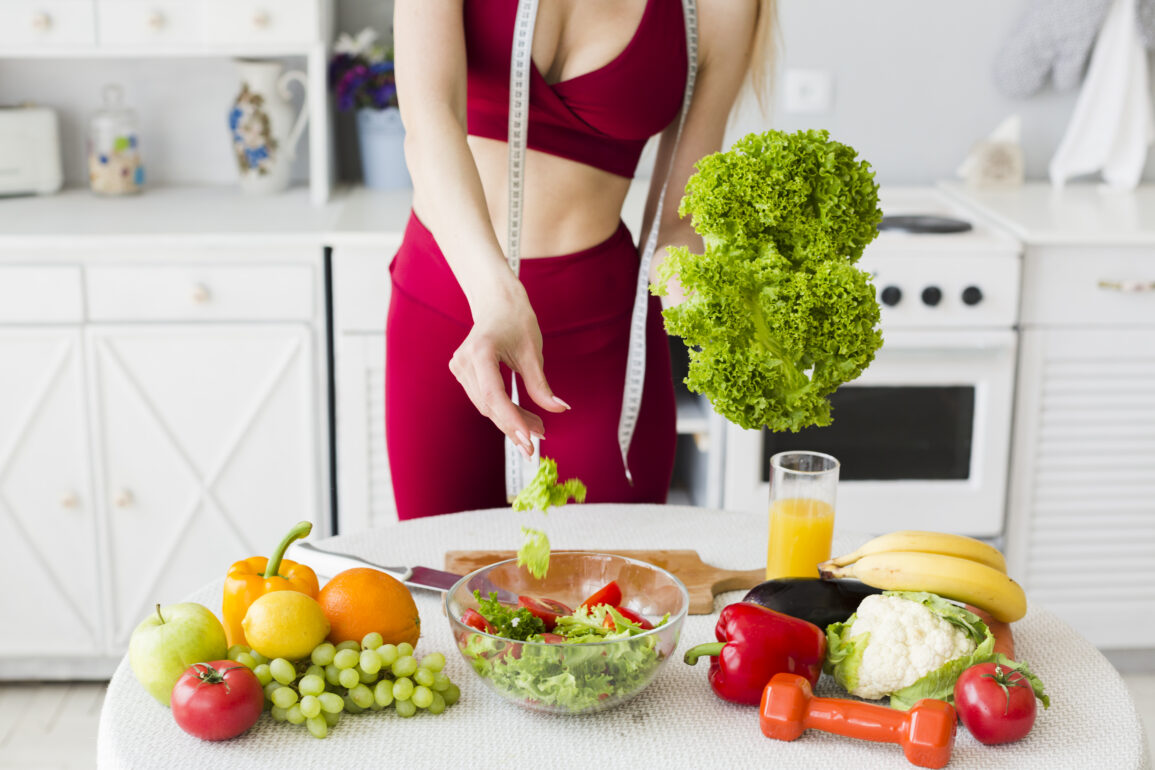
Losing weight does not mean you have to stop eating or follow an extremely restrictive diet. Choosing nutritious, filling foods can help you control hunger, reduce overall calorie intake, and maintain a healthy lifestyle.
The best foods for weight loss are generally rich in protein, fiber, healthy fats, vitamins, and minerals. These nutrients can help you stay satisfied for longer and make it easier to maintain a calorie deficit.
In this article, we will explore 25 healthy foods for weight loss that you can add to your daily diet.
1. Eggs
Eggs are one of the best high-protein foods for weight loss. They contain high-quality protein, healthy fats, vitamins, and minerals.
Eating eggs for breakfast may help you stay full for longer and reduce unnecessary snacking throughout the day.
You can enjoy boiled eggs, scrambled eggs, vegetable omelets, or poached eggs.
2. Oats
Oats are an excellent source of soluble fiber, particularly beta-glucan.
Fiber slows digestion and helps you feel satisfied after eating. Starting your morning with oatmeal can be a healthy choice when trying to manage your weight.
Avoid adding large amounts of sugar. Instead, add fruits, nuts, seeds, or cinnamon for extra flavor.
3. Greek Yogurt
Greek yogurt contains protein that can help control hunger and support muscle maintenance.
Choose plain, unsweetened Greek yogurt whenever possible because flavored varieties may contain significant amounts of added sugar.
Add berries, chia seeds, or a small amount of fruit for a nutritious snack.
4. Apples
Apples are low in calories and contain dietary fiber and water.
Eating whole apples rather than drinking apple juice can help you feel fuller because whole fruits retain their fiber.
Apples are also convenient snacks that can easily be included in a healthy diet.
5. Leafy Green Vegetables
Leafy greens such as spinach, kale, lettuce, and Swiss chard are low in calories and contain important vitamins, minerals, and fiber.
You can add leafy vegetables to salads, soups, sandwiches, smoothies, and cooked meals.
Eating more vegetables can increase the volume of your meals without dramatically increasing calorie intake.
6. Salmon
Salmon is rich in protein and omega-3 fatty acids.
Protein can increase feelings of fullness and help maintain muscle mass while losing weight.
Grilled or baked salmon served with vegetables can be a nutritious meal.
7. Chicken Breast
Skinless chicken breast is a popular source of lean protein.
Protein requires more energy to digest than carbohydrates or fats and can help you feel satisfied after meals.
Choose grilled, baked, boiled, or air-fried chicken instead of heavily fried chicken.
8. Lentils
Lentils are affordable, nutritious, and rich in plant-based protein and dietary fiber.
The combination of protein and fiber makes lentils a filling food that can be included in a weight-loss diet.
You can add lentils to soups, salads, curries, and vegetable dishes.
9. Beans
Kidney beans, black beans, chickpeas, and other legumes contain protein, fiber, and complex carbohydrates.
Beans digest slowly and may help you stay satisfied between meals.
Use beans in salads, soups, curries, wraps, and healthy homemade meals.
10. Avocados
Avocados contain monounsaturated fats, fiber, potassium, and several important nutrients.
Healthy fats can help improve meal satisfaction.
However, avocados are relatively high in calories, so portion control is important when your goal is weight loss.
11. Berries
Strawberries, blueberries, raspberries, and blackberries are excellent fruits to include in a healthy diet.
They contain fiber, vitamins, antioxidants, and water while generally being lower in calories than many processed snacks.
Add berries to yogurt, oatmeal, smoothies, or healthy desserts.
12. Broccoli
Broccoli is a nutrient-rich vegetable containing fiber, vitamins, minerals, and beneficial plant compounds.
Because broccoli is low in calories and provides significant volume, it can help make meals more satisfying.
Try steamed, roasted, grilled, or stir-fried broccoli.
13. Chia Seeds
Chia seeds contain fiber, healthy fats, and some protein.
When mixed with liquid, chia seeds absorb water and develop a gel-like consistency.
You can add chia seeds to yogurt, oatmeal, smoothies, or homemade chia pudding.
Because seeds are calorie-dense, moderate portions are recommended.
14. Almonds
Almonds provide healthy fats, protein, fiber, vitamin E, and magnesium.
A small serving can be a convenient and satisfying snack.
However, nuts contain many calories, so avoid eating large portions directly from the package.
15. Cottage Cheese
Cottage cheese is high in protein and can be relatively low in calories depending on the variety you choose.
Protein-rich foods can support fullness and muscle maintenance.
Combine cottage cheese with fruits, vegetables, herbs, or whole-grain crackers.
16. Sweet Potatoes
Sweet potatoes contain fiber, complex carbohydrates, potassium, and several vitamins.
They can provide long-lasting energy and make meals more satisfying.
Choose baked, boiled, or roasted sweet potatoes instead of deep-fried versions.
17. Quinoa
Quinoa provides carbohydrates, fiber, and complete plant-based protein.
It can be used as an alternative to refined grains.
Add quinoa to vegetable bowls, salads, soups, and protein-rich meals.
18. Grapefruit
Grapefruit contains water, fiber, vitamin C, and relatively few calories.
Whole grapefruit can be included as part of a balanced diet.
However, grapefruit can interact with certain medications. People taking prescription medicines should ask a healthcare professional whether grapefruit is safe for them.
19. Green Tea
Green tea is a low-calorie beverage when consumed without added sugar.
It contains caffeine and plant compounds known as catechins.
Although drinking green tea alone will not cause significant weight loss, replacing sugary beverages with unsweetened green tea may help reduce calorie intake.
20. Cucumbers
Cucumbers contain a high percentage of water and are low in calories.
They can add volume and freshness to meals without contributing many calories.
Add cucumber to salads, sandwiches, yogurt-based dishes, or eat sliced cucumber as a snack.
21. Brown Rice
Brown rice is a whole grain that contains more fiber than highly refined white rice.
Fiber can support digestive health and improve meal satisfaction.
Portion size remains important because brown rice still provides a significant amount of carbohydrates and calories.
22. Oranges
Oranges contain vitamin C, water, and dietary fiber.
Eating whole oranges is generally more filling than drinking orange juice because juice contains less fiber and can be consumed quickly.
Whole fruits can be useful replacements for processed desserts and sugary snacks.
23. Cauliflower
Cauliflower is a low-calorie vegetable that can be used in many different meals.
You can roast cauliflower, add it to curries, prepare cauliflower soup, or use cauliflower rice as a lower-calorie alternative to traditional rice.
Its versatility makes it an excellent vegetable for people trying to increase their vegetable intake.
24. Tuna
Tuna is a convenient source of protein.
Choose tuna packed in water when you want to limit additional calories from oil.
You can add tuna to salads, sandwiches, wraps, and vegetable bowls.
Because some types of tuna contain more mercury than others, it is important to follow local dietary recommendations regarding seafood consumption.
25. Watermelon
Watermelon contains a large amount of water and can be a refreshing alternative to high-calorie desserts.
It also provides vitamin C and other beneficial nutrients.
Although watermelon can be included in a weight-loss diet, portion control and your overall daily calorie intake remain important.
How to Add These Weight-Loss Foods to Your Diet
Knowing the best foods for weight loss is only the beginning. Your overall eating habits determine whether you successfully manage your weight.
Focus on building balanced meals that contain vegetables, protein, whole grains or other fiber-rich carbohydrates, and appropriate portions of healthy fats.
Drink enough water, limit sugary beverages, reduce highly processed foods, and pay attention to portion sizes.
You should also combine healthy eating habits with regular physical activity and adequate sleep.
Remember that no individual food can magically burn fat. Sustainable weight loss usually happens when you consistently consume fewer calories than your body uses while maintaining a balanced and nutritious diet.
Final Thoughts
Adding these 25 healthy foods for weight loss to your diet can help you create nutritious and satisfying meals.
Foods such as eggs, oats, vegetables, fruits, lean proteins, legumes, whole grains, nuts, and seeds provide important nutrients that can support a healthy lifestyle.
Instead of following extreme diets or completely eliminating major food groups, focus on making gradual improvements to your eating habits.
Choose nutritious foods, control your portions, stay physically active, and maintain consistent habits.
If you have a medical condition, take prescription medication, are pregnant, or need significant weight loss, consult a qualified healthcare professional or registered dietitian before making major dietary changes.