

Athletic performance is not built only during training. It is built in the hours and days between workouts, when the body repairs tissues, restores energy, settles the nervous system, and prepares for the next challenge. This is why recovery has become just as important as strength, endurance, mobility, and conditioning.
Modern athletes often rely on stretching, massage, compression, cold exposure, supplements, protein, and carefully planned rest days. While these approaches can be useful, Ayurveda offers another perspective: recovery should support the entire body rather than focusing only on the muscles that were trained.
Ayurveda, the traditional Indian system of health and wellness, emphasizes balance among the body, mind, digestion, daily routine, sleep, activity, and environment. For athletes, this holistic approach can provide practical ideas for creating a sustainable recovery routine.
The most effective Ayurvedic recovery techniques are not necessarily complicated. They can include appropriate rest, oil massage, gentle movement, breathing exercises, nourishing foods, adequate hydration, consistent sleep, mindful routines, and attention to individual needs.
Importantly, Ayurvedic practices should complement—not replace—evidence-based sports medicine, physiotherapy, nutrition, and medical care when these are needed.
In this guide, we explore powerful Ayurvedic recovery techniques that athletes can incorporate into a balanced training lifestyle.
Why Recovery Matters So Much for Athletes
Training creates stress.
Whether you are lifting weights, running long distances, practicing martial arts, cycling, swimming, playing football, or participating in competitive sports, physical activity challenges the body’s muscles, connective tissues, energy systems, and nervous system.
Training is the stimulus. Recovery is when adaptation takes place.
Without sufficient recovery, athletes may experience:
- Persistent muscle soreness
- Reduced training performance
- Low motivation
- Poor sleep
- Reduced mobility
- Increased fatigue
- Difficulty concentrating
- Slower progress
- Greater risk of overuse problems
This is why recovery should be treated as part of training rather than something athletes do only when they are exhausted.
Ayurveda approaches this idea through balance. Too little activity can reduce conditioning, while excessive activity without adequate restoration can create physical and mental strain.
The goal of Ayurvedic recovery techniques is therefore not simply to make soreness disappear. The broader goal is to create conditions that support restoration, resilience, energy, and sustainable performance.
1. Understand Your Individual Constitution
One of the most important principles in Ayurveda is individuality.
Ayurveda traditionally describes three doshas—Vata, Pitta, and Kapha—which represent different functional tendencies in the body and mind.
Athletes do not all respond to training in the same way. One person may naturally enjoy intense workouts and recover quickly from short sessions, while another may need more gradual progression and longer recovery periods.
Ayurvedic thinking encourages athletes to observe these differences.
Vata tendencies
Vata is traditionally associated with movement, variability, lightness, and nervous-system activity.
Athletes with stronger Vata characteristics may benefit from:
- Consistent routines
- Adequate sleep
- Warm foods
- Gentle oil massage
- Regular meals
- Moderate training volume
- Relaxation practices
Pitta tendencies
Pitta is traditionally associated with transformation, intensity, and heat.
Athletes with strong Pitta characteristics may benefit from:
- Avoiding excessive training intensity
- Adequate hydration
- Cooling environments when appropriate
- Sufficient rest
- Balanced nutrition
- Relaxation after intense sessions
Kapha tendencies
Kapha is traditionally associated with stability, structure, strength, and endurance.
Athletes with stronger Kapha characteristics may benefit from:
- Regular movement
- Dynamic recovery
- Mobility work
- Avoiding excessive inactivity
- Light but nourishing meals when appropriate
- Maintaining training consistency
These concepts should not be treated as medical diagnoses. Instead, athletes can use them as a traditional framework for thinking about individual recovery preferences.
2. Abhyanga: Ayurvedic Oil Massage
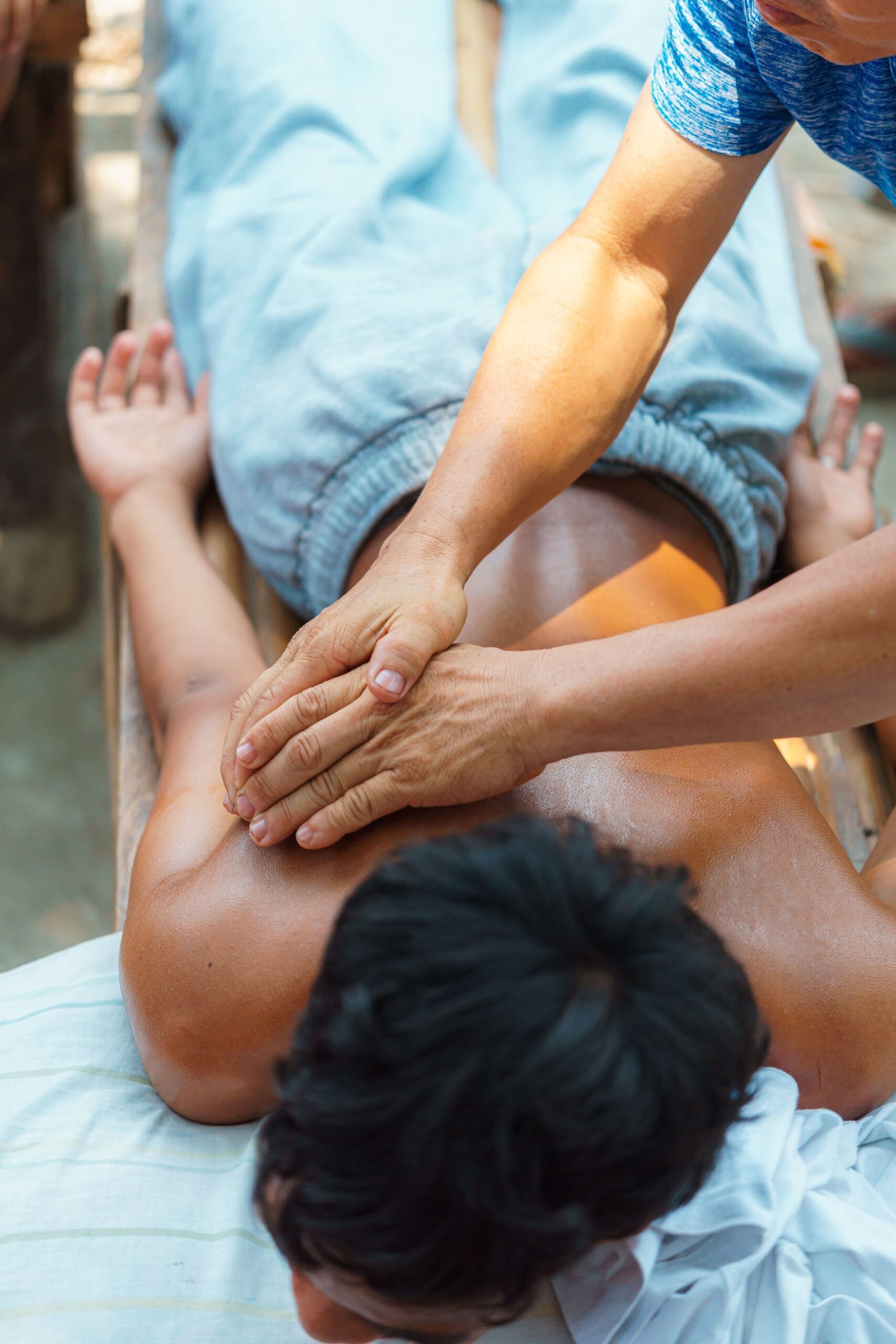
One of the best-known Ayurvedic recovery techniques is Abhyanga, traditionally described as self-massage with warm oil.
For athletes, massage can be incorporated into a broader recovery routine to encourage relaxation and body awareness.
Traditional Ayurvedic practice commonly uses oils such as sesame or coconut oil depending on individual needs and traditional considerations.
A simple routine may involve applying a small amount of comfortably warm oil to the body and gently massaging the limbs using long strokes and circular movements around joints.
Why athletes may enjoy Abhyanga
A massage routine can provide:
- Relaxation
- A calming pre-sleep ritual
- Greater awareness of areas of muscular tension
- A sense of physical recovery
- Support for a consistent wellness routine
The psychological component is important. Athletes spend much of their time pushing their bodies. Recovery routines create an intentional transition from performance mode to restoration mode.
However, massage should not be performed aggressively over an acute injury, significant swelling, unexplained pain, or areas where a healthcare professional has advised against massage.
3. Prioritize Sleep as Your Ultimate Recovery Tool
No collection of Ayurvedic recovery techniques is complete without discussing sleep.
Sleep is one of the most important recovery behaviors available to athletes.
During quality sleep, the body undergoes numerous physiological processes associated with restoration, memory, immune function, hormonal regulation, and tissue maintenance.
Athletes who train hard but consistently sleep poorly may struggle to maintain performance.
Ayurvedic philosophy has traditionally placed considerable emphasis on regular daily rhythms. This aligns with a practical athletic principle: consistency matters.
Build a recovery-focused sleep routine
Try to:
- Go to bed and wake up at consistent times.
- Reduce unnecessary screen exposure before bed.
- Keep the bedroom comfortable and dark.
- Avoid very heavy meals immediately before sleeping.
- Give yourself enough time for sleep.
- Use calming breathing exercises before bed.
- Finish stimulating training sufficiently early when possible.
A warm shower or a relaxing oil massage may also become part of an evening routine.
Rather than searching for one magical recovery technique, athletes should build a predictable environment that makes good sleep easier.
4. Use Gentle Movement on Recovery Days
A recovery day does not always have to mean complete inactivity.
Gentle movement may help athletes maintain mobility and create a psychological break from intense training.
Examples include:
- Walking
- Gentle yoga
- Mobility exercises
- Light cycling
- Easy swimming
- Breath-focused movement
- Gentle stretching
The important distinction is intensity.
A recovery session should not secretly become another demanding workout.
The purpose is to move comfortably, maintain mobility, and encourage relaxation.
Ayurveda emphasizes adapting activity to one’s capacity. This can be especially useful for athletes who have a tendency to train hard every day.
Sometimes the strongest recovery decision is knowing when not to push harder.
5. Ayurvedic Yoga for Athletic Recovery
Yoga and Ayurveda have historically developed alongside one another, although they are distinct traditions.
For athletes, yoga can be incorporated into recovery as a tool for mobility, breathing, balance, and relaxation.
A recovery-oriented yoga session may include:
- Cat-Cow movement
- Child’s Pose
- Gentle spinal rotations
- Hip mobility
- Hamstring stretches
- Calf stretches
- Gentle twists
- Supported forward folds
- Relaxation poses
The goal is not to achieve extreme flexibility.
Athletes often need functional mobility rather than maximum flexibility. A runner, weightlifter, gymnast, swimmer, and football player may all have very different mobility requirements.
Therefore, yoga should be adapted to the athlete’s sport, body, training load, and current condition.
6. Pranayama: Train the Breath for Recovery
Breathing is another important component of Ayurvedic recovery techniques.
Athletes naturally pay attention to breathing during exercise. But breathing can also be used during recovery to encourage relaxation.
Simple, comfortable breathing practices may help shift attention away from performance and toward calmness.
For example, an athlete might sit comfortably and practice slow, relaxed nasal breathing for several minutes.
The objective is not to force breath retention or perform advanced techniques without proper instruction.
A simple recovery breathing session could look like this:
- Sit or lie comfortably.
- Relax the shoulders.
- Breathe gently through the nose if comfortable.
- Allow the exhalation to become relaxed and unforced.
- Continue for several minutes.
- Finish with a few moments of quiet observation.
Breathing practices can be particularly useful after stressful competitions when the body remains physically tired but mentally alert.
7. Eat to Rebuild, Not Simply to Feel Full
Nutrition is central to athletic recovery.
Training creates nutritional demands. Athletes need sufficient energy and appropriate amounts of protein, carbohydrates, fats, vitamins, minerals, and fluids.
Ayurvedic nutrition emphasizes digestibility and individualized eating patterns.
This does not mean athletes should abandon sports nutrition principles. Instead, Ayurvedic concepts can encourage athletes to pay attention to food quality, digestion, regularity, and individual tolerance.
Recovery meals can include combinations of:
- Whole grains
- Rice
- Oats
- Potatoes
- Vegetables
- Fruits
- Lentils
- Beans
- Dairy or suitable alternatives
- Eggs
- Fish
- Lean meats
- Nuts and seeds
Protein is especially important for athletes because dietary protein provides amino acids required for muscle protein synthesis.
A practical recovery meal might combine a protein source with carbohydrates and vegetables.
For example:
Rice + dal + vegetables + yogurt
or
Oats + milk or suitable alternative + fruit + nuts
or
Potatoes + vegetables + eggs
The ideal choice depends on the athlete’s nutritional requirements, sport, training schedule, preferences, and dietary restrictions.
8. Support Digestion
Ayurveda places significant emphasis on digestion.
For athletes, this idea is particularly relevant because eating large quantities of food is not useful if meals consistently cause digestive discomfort.
Athletes should pay attention to:
- Bloating
- Excessive fullness
- Reflux
- Gas
- Irregular bowel movements
- Food intolerance
- Poor appetite after intense training
Eating slowly and allowing adequate time for meals may help.
Athletes can also experiment with meal timing around training to identify what feels comfortable.
A very large meal immediately before high-intensity exercise may be uncomfortable for some people, while inadequate food intake can leave an athlete under-fueled.
Therefore, recovery nutrition should be individualized.
9. Hydration Is a Core Recovery Practice
Hydration is one of the simplest but most frequently overlooked Ayurvedic recovery techniques when traditional wellness practices are adapted for modern athletes.
Fluid requirements vary depending on:
- Body size
- Temperature
- Humidity
- Training intensity
- Training duration
- Sweat rate
- Clothing
- Sport
- Individual physiology
Athletes who train in hot environments may have substantially higher fluid and electrolyte requirements.
Water is appropriate for many normal training situations, while longer or particularly sweaty sessions may require electrolyte replacement.
Traditional Ayurvedic practices sometimes include warm water and herbal beverages, but athletes should not assume that a particular temperature or herbal drink can replace appropriate hydration.
For serious endurance training or competition, hydration should be planned according to established sports nutrition principles.
10. Use Warm Herbal Beverages Mindfully
Herbal beverages have long been part of traditional wellness practices.
Athletes may enjoy caffeine-free beverages such as ginger or other commonly used culinary herbs as part of a relaxing routine.
However, “natural” does not automatically mean “safe for everyone.”
Some herbs can interact with medications or affect health conditions. Athletes competing under anti-doping regulations should also be cautious about supplements and herbal products because contamination or undeclared ingredients can create problems.
Therefore, herbal products should be chosen carefully, particularly for competitive athletes.
The best Ayurvedic recovery techniques are those that are both traditional and sensible within a modern sports-health framework.
11. Turmeric and the Athletic Recovery Conversation
Turmeric is one of the most widely recognized Ayurvedic spices.
Its major bioactive compound, curcumin, has been researched for its potential relationship with inflammation and exercise-related recovery.
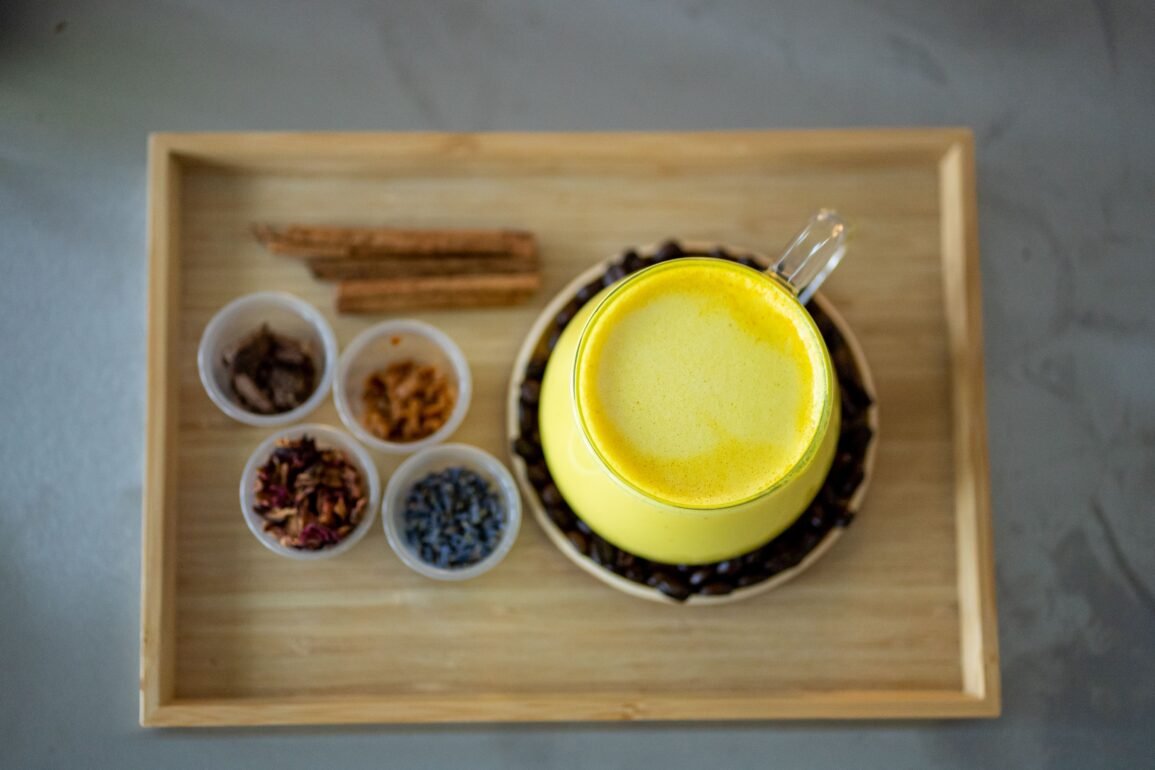
Turmeric can easily be included as a culinary spice in foods such as:
- Vegetable dishes
- Lentils
- Soups
- Rice
- Curries
- Eggs
- Warm milk-based beverages
However, culinary turmeric and concentrated curcumin supplements are not the same thing.
High-dose supplements can have stronger effects and may interact with medications or cause side effects in some people.
Athletes should therefore avoid assuming that more is better.
A balanced diet containing a variety of herbs and spices can be a sensible approach, while concentrated supplements should be discussed with an appropriately qualified healthcare or nutrition professional.
12. Ginger for a Recovery-Friendly Diet
Ginger is another traditional ingredient frequently associated with Ayurvedic wellness.
It can be used in cooking or prepared as a simple beverage.
For athletes, ginger can be part of a varied diet rather than being treated as a miracle recovery product.
A warm ginger beverage may also provide a comforting post-training ritual.
However, individuals with particular medical conditions or those taking medications should consult a healthcare professional before using concentrated ginger products regularly.
13. Manage Training Load
Perhaps the most powerful recovery strategy is not an herb, massage technique, or supplement.
It is intelligent training.
Athletes need a balance between:
Training stress + recovery capacity = adaptation
When training stress consistently exceeds recovery capacity, performance may decline.
Smart programming can include:
- Hard training days
- Easier sessions
- Rest days
- Deload periods
- Mobility work
- Technique sessions
- Competition preparation
- Gradual progression
This principle fits naturally with the broader Ayurvedic emphasis on balance.
You cannot out-supplement chronic overtraining.
If an athlete is exhausted because they are training too much and sleeping too little, adding another recovery product may not solve the underlying problem.
Sometimes the most effective Ayurvedic recovery technique is simply reducing unnecessary stress.
14. Practice Abhyanga After Hard Training
For athletes who enjoy oil massage, Abhyanga can become a weekly recovery ritual.
A simple approach is:
- Choose an appropriate body oil.
- Warm it gently—not excessively.
- Apply a small amount.
- Massage the limbs gently.
- Use circular movements around comfortable areas.
- Allow a short period for relaxation.
- Shower afterward if desired.
Avoid slipping hazards and keep oil away from surfaces where it could create accidents.
Do not massage over open wounds, acute injuries, unexplained swelling, or areas requiring medical evaluation.
The goal is relaxation and self-care—not aggressive manipulation.
15. Recovery Through Consistent Daily Routine
Athletes often focus on individual recovery tools while overlooking routine.
A consistent daily rhythm can make recovery easier.
An athlete’s routine might include:
Morning
- Wake at a consistent time
- Hydrate
- Gentle mobility
- Nutritious breakfast
- Training according to the program
Afternoon
- Balanced meal
- Hydration
- Short movement breaks
- Appropriate post-training nutrition
Evening
- Light stretching or walking
- Relaxing breathing
- Dinner
- Reduced stimulation
- Sleep routine
Consistency helps turn recovery into a behavior rather than an emergency response.
read also: The Ayurvedic Fitness Blueprint: Build Strength, Stamina, and Lasting Energy Naturally
16. Use Meditation to Recover Mentally
Physical recovery receives most of the attention in sports.
Mental recovery deserves equal consideration.
Competition can create:
- Pressure
- Anxiety
- Frustration
- Self-criticism
- Performance worries
- Difficulty switching off
Meditation can provide a structured opportunity to step away from performance demands.
An athlete can begin with just five minutes.
Sit comfortably and observe the breath. When thoughts arise, notice them without judging them and return attention to breathing.
The goal is not to eliminate thoughts.
The goal is to practice disengaging from constant mental stimulation.
This can be particularly valuable before sleep or after demanding competitions.
17. Protect Your Nervous System From Constant Stimulation
Modern athletes often face more stimulation than athletes of previous generations.
Training is only one stressor.
Athletes may also spend hours:
- Looking at screens
- Checking social media
- Watching performance videos
- Responding to messages
- Traveling
- Studying
- Working
- Following competition statistics
Recovery requires downtime.
Creating periods without notifications, screens, and performance-related content can help an athlete mentally separate from training.
This is a simple but powerful interpretation of Ayurvedic balance.
Recovery is not just what you add.
It is also what you remove.
18. Create a Post-Competition Recovery Ritual
Competition days can be physically and emotionally demanding.
Instead of finishing an event and immediately returning to normal life, athletes can create a structured recovery ritual.
For example:
Immediately after competition
- Cool down appropriately
- Rehydrate
- Consume suitable nutrition
- Change into comfortable clothing
Later
- Shower
- Eat a balanced meal
- Perform gentle mobility if appropriate
- Reduce stimulation
- Reflect briefly on the event
That night
- Relax
- Avoid excessive analysis
- Prioritize sleep
The goal is to signal to the body and mind that the performance phase is over.
19. Listen to Early Warning Signals
Athletes often become skilled at ignoring discomfort.
Mental toughness is valuable, but ignoring every warning signal is not the same as being resilient.
Pay attention to persistent changes such as:
- Unusual fatigue
- Declining performance
- Persistent pain
- Repeated sleep disruption
- Loss of motivation
- Unexpected changes in appetite
- Persistent muscle soreness
- Reduced coordination
These signs may indicate that training, nutrition, sleep, stress, or medical factors need attention.
Ayurvedic recovery techniques should support awareness—not encourage athletes to push through problems that require professional evaluation.
20. Don’t Confuse Soreness With Progress
A common athletic misconception is that extreme soreness means a workout was effective.
It does not.
Muscle soreness can occur after unfamiliar or demanding exercise, but more soreness does not automatically mean greater adaptation.
Athletes should measure progress through meaningful indicators such as:
- Strength
- Speed
- Endurance
- Technique
- Mobility
- Training consistency
- Performance
- Recovery quality
Recovery should make future training possible.
If every workout leaves an athlete unable to train effectively for several days, the program may need adjustment.
21. Ayurvedic Recovery Techniques for Strength Athletes
Strength athletes place significant demands on muscles, connective tissues, and the nervous system.
A strength-focused recovery strategy can include:
- Adequate protein
- Sufficient calories
- Carbohydrate availability
- Hydration
- Sleep
- Mobility
- Gentle recovery sessions
- Massage
- Stress management
Ayurvedic practices such as oil massage, breathing exercises, mindful eating, and regular routines can complement these fundamentals.
The priority should remain adequate recovery from the actual training load.
22. Ayurvedic Recovery Techniques for Runners
Running athletes often deal with repetitive loading.
Recovery strategies may include:
- Gradual training progression
- Adequate carbohydrate intake
- Protein-rich meals
- Hydration
- Mobility
- Appropriate strength training
- Rest days
- Sleep
- Gentle walking
- Relaxation practices
A warm oil massage may be enjoyable for general relaxation, while persistent running-related pain should be evaluated rather than repeatedly massaged.
23. Ayurvedic Recovery Techniques for Endurance Athletes
Cyclists, swimmers, triathletes, and endurance runners may spend hours training.
For these athletes, recovery nutrition and hydration become particularly important.
A recovery strategy should consider:
- Replacing fluids
- Replacing electrolytes when necessary
- Consuming carbohydrates
- Consuming adequate protein
- Getting enough total calories
- Prioritizing sleep
- Managing training volume
Traditional beverages and spices can be included in the diet, but they should not replace the fundamental nutritional requirements of endurance training.
24. Build a Weekly Ayurvedic Recovery Plan
A simple weekly recovery framework might look like this:
Monday
Strength training + nutritious meals + early bedtime.
Tuesday
Sport-specific training + hydration + gentle evening stretching.
Wednesday
Moderate training + mobility + relaxation breathing.
Thursday
High-intensity session + appropriate post-training nutrition.
Friday
Lower-intensity movement + oil massage + early sleep.
Saturday
Long training session + structured nutrition and hydration.
Sunday
Active recovery + walking + gentle yoga + mental relaxation.
This schedule should be adapted to the athlete’s actual training program.
The key idea is that recovery is distributed throughout the week rather than saved for one day.
25. Common Mistakes Athletes Make With Recovery
Even athletes who care about recovery can make mistakes.
Mistake 1: Relying on supplements
Supplements cannot compensate for inadequate sleep, insufficient calories, or poor training structure.
Mistake 2: Training hard every day
More training is not always better.
Mistake 3: Ignoring hydration
Even mild dehydration can affect how an athlete feels and performs, particularly during demanding exercise and heat exposure.
Mistake 4: Skipping carbohydrates
Carbohydrates can be an important fuel source for many sports.
Mistake 5: Avoiding rest
Rest is part of training.
Mistake 6: Using herbs without checking safety
Traditional does not automatically mean risk-free.
Mistake 7: Treating massage as injury treatment
Persistent or severe pain deserves appropriate medical assessment.
Mistake 8: Changing everything at once
Introduce new recovery practices gradually so you can understand what actually helps.
26. A Simple Daily Ayurvedic Recovery Routine for Athletes
Athletes who want to start with Ayurvedic recovery techniques do not need to overhaul their entire lifestyle.
Start with a simple routine.
Morning
Drink fluids after waking and eat a balanced breakfast that suits your training needs.
Perform five to ten minutes of gentle mobility if appropriate.
Before training
Prepare properly with an appropriate warm-up and adequate fuel.
After training
Cool down according to your sport, rehydrate, and consume appropriate nutrition.
Evening
Take a relaxing shower, practice gentle stretching or breathing, and reduce unnecessary stimulation.
Before bed
Use a calming routine such as reading, breathing, meditation, or gentle self-massage.
Weekly
Include at least one genuinely easier period and review your training load, sleep, nutrition, and energy levels.
This approach makes recovery practical rather than complicated.
27. How to Combine Ayurveda With Modern Sports Science
The best approach does not require choosing between traditional wisdom and modern sports science.
Athletes can combine both.
For example:
Modern sports nutrition: adequate protein and carbohydrates
Ayurvedic principle: individualized, digestible, nourishing meals
Sports recovery: planned rest days
Ayurvedic principle: balance between activity and restoration
Sports psychology: stress management
Ayurvedic practice: meditation and breathing
Physical recovery: massage
Ayurvedic practice: Abhyanga
Sleep science: consistent sleep schedule
Ayurvedic principle: regular daily rhythm
This integrated approach is more practical than treating Ayurveda as a replacement for sports medicine.
28. When Athletes Should Seek Professional Help
Ayurvedic recovery techniques are wellness practices, not substitutes for diagnosis or emergency treatment.
Athletes should seek qualified medical or sports-health support for issues such as:
- Severe or persistent pain
- Significant swelling
- Suspected fractures
- Chest pain
- Fainting
- Severe shortness of breath
- Repeated injuries
- Persistent unexplained fatigue
- Major changes in performance
- Symptoms that continue despite rest
A sports physician, physiotherapist, registered dietitian, or other qualified professional can help determine whether a problem is related to training, nutrition, biomechanics, recovery, or another factor.
If an athlete chooses to use Ayurvedic herbs or supplements, discussing them with a qualified healthcare professional is especially important when medications or medical conditions are involved.
29. The 10 Most Powerful Ayurvedic Recovery Techniques for Athletes
For athletes who want a quick summary, these are ten valuable practices to consider:
1. Abhyanga
Use gentle oil self-massage as a relaxation ritual.
2. Consistent sleep
Make sleep a non-negotiable part of training.
3. Gentle yoga
Use mobility-focused movement on easier days.
4. Pranayama
Practice comfortable, calming breathing.
5. Mindful nutrition
Choose nourishing foods that support training and digestion.
6. Hydration
Replace fluids appropriately based on training and environmental conditions.
7. Training balance
Alternate demanding sessions with appropriate recovery.
8. Meditation
Give the mind time away from performance pressure.
9. Routine
Create consistent daily habits around food, sleep, movement, and relaxation.
10. Self-awareness
Pay attention to early signs of excessive fatigue or poor recovery.
These Ayurvedic recovery techniques become most valuable when they are used consistently rather than occasionally.
30. Final Thoughts: Recovery Is Part of Performance
Athletes often think about becoming stronger, faster, leaner, or more powerful.
But elite performance also requires knowing when to recover.
Ayurveda provides a traditional framework that encourages athletes to look beyond the workout itself. Food, sleep, digestion, breathing, mental state, daily routine, movement, and rest all influence the ability to continue training.
The most useful Ayurvedic recovery techniques are not necessarily complicated.
A good night’s sleep may be more valuable than an expensive recovery gadget.
A balanced meal may be more important than a fashionable supplement.
A gentle walk may be more appropriate than another intense workout.
A few minutes of relaxed breathing may help more than constantly thinking about performance.
And learning to recognize when your body needs rest may be one of the most important skills an athlete can develop.
Ayurvedic recovery techniques such as Abhyanga, gentle yoga, breathing practices, mindful nutrition, meditation, and consistent routines can complement modern athletic recovery strategies.
The key is balance.
Train with purpose. Eat appropriately. Hydrate. Sleep well. Manage stress. Recover deliberately. And use professional medical or sports-science guidance whenever an injury, illness, persistent pain, or unusual fatigue requires it.
Ultimately, the strongest athlete is not necessarily the person who trains the hardest every day.
It is often the person who understands how to train hard, recover intelligently, and return stronger.
That is the deeper lesson behind Ayurvedic recovery techniques: performance and recovery are not opposites. They are two parts of the same process.
Frequently Asked Questions
What are Ayurvedic recovery techniques?
Ayurvedic recovery techniques are traditional wellness practices inspired by Ayurveda that can be incorporated into an athlete’s recovery routine. Examples include oil massage, gentle yoga, breathing exercises, meditation, mindful nutrition, regular sleep, and balanced daily routines.
Which Ayurvedic recovery technique is best for athletes?
There is no single best technique for everyone. Sleep, appropriate nutrition, hydration, and sensible training load should come first. Practices such as Abhyanga, yoga, meditation, and breathing exercises can then complement an individualized recovery plan.
Can athletes use Ayurvedic massage after training?
Gentle oil massage may be used as a relaxation practice. However, athletes should avoid massaging acute injuries, significant swelling, open wounds, or areas that require medical evaluation.
Can Ayurveda improve athletic performance?
Ayurveda is traditionally focused on health and balance rather than athletic performance alone. Certain practices may complement a modern training program by supporting healthy routines, relaxation, nutrition, sleep, and recovery.
Are Ayurvedic herbs safe for athletes?
Not necessarily. Herbs and supplements can interact with medications and may have side effects. Competitive athletes should also consider contamination and anti-doping risks. Professional guidance is recommended before using concentrated herbal products.
How often should athletes practice Ayurvedic recovery techniques?
Simple practices such as sleep routines, hydration, mindful eating, and breathing can be performed regularly. Massage, yoga, and other practices can be incorporated according to individual needs and training schedules.
Can Ayurvedic recovery techniques replace physiotherapy?
No. Ayurvedic practices should not replace physiotherapy, sports medicine, medical diagnosis, or injury rehabilitation when these are required.
What is the most important recovery habit for athletes?
Adequate sleep is one of the most important foundations of athletic recovery. It should be supported by appropriate nutrition, hydration, training management, and stress control.
Conclusion
The modern athlete has access to more recovery tools than ever before, but effective recovery does not have to be complicated.
By combining evidence-based sports nutrition and training principles with traditional Ayurvedic recovery techniques, athletes can create a more holistic approach to restoration.
Start with the fundamentals: sleep enough, eat appropriately, hydrate, manage training load, and listen to your body.
Then add practices such as Abhyanga, gentle yoga, pranayama, meditation, and mindful routines according to your individual preferences.
Recovery is not time away from becoming a better athlete.
Recovery is part of becoming a better athlete.