

Health is entering a new era. Instead of focusing only on treating illness after symptoms appear, more people are becoming interested in prevention, early detection, personalized nutrition, metabolic health, sleep quality, healthy aging, mental wellness, and everyday habits that support long-term wellbeing.
The health trends 2026 is bringing together are not simply about new supplements, fitness gadgets, or popular diets. They reflect a broader shift in how people think about health. People are increasingly asking how they can identify risks earlier, maintain energy, preserve cognitive function, improve sleep, and remain active and independent as they age.
At the same time, advances in technology, medical research, nutrition science, wearable devices, and personalized healthcare are changing the tools available to individuals and healthcare professionals.
Understanding the major health trends 2026 can help you separate meaningful developments from short-lived wellness hype. Some trends are supported by growing scientific evidence, while others are still developing and require more research.
This guide explores the biggest health trends 2026, why they matter, and how they may influence the way people approach everyday health.
What Are the Biggest Health Trends 2026?
The major health trends 2026 include preventive healthcare, personalized health monitoring, metabolic health, personalized nutrition, healthy aging, sleep optimization, strength training, gut health, mental wellness, digital health, immune resilience, and more practical approaches to everyday wellness.
Rather than viewing these areas separately, modern health increasingly recognizes that they are interconnected.
For example, poor sleep can affect appetite, mood, concentration, and physical performance. Physical inactivity can influence metabolic health and cardiovascular risk. Nutrition affects energy availability, digestive health, and overall nutrient intake.
This interconnected approach is one of the defining characteristics of the health trends 2026 landscape.
1. Preventive Health Is Becoming a Bigger Priority
One of the most important health trends 2026 is the growing emphasis on prevention.
Traditional healthcare has often focused heavily on diagnosing and treating diseases. Preventive health takes a different approach by emphasizing risk reduction, early detection, healthy behaviors, screening, vaccination, and regular monitoring.
Prevention does not mean that every disease can be avoided. Genetics, environmental exposures, aging, and other factors can influence health. However, many important health risks are also affected by lifestyle and early medical intervention.
Preventive health can include:
- Regular health checkups
- Appropriate screening tests
- Blood pressure monitoring
- Blood glucose assessment
- Cholesterol testing
- Vaccination
- Physical activity
- Healthy nutrition
- Adequate sleep
- Stress management
- Avoiding tobacco
- Maintaining a healthy weight
The biggest shift is that health is increasingly viewed as something to actively maintain rather than something to address only after a problem develops.
For individuals, this means developing a long-term relationship with healthcare instead of waiting for obvious symptoms.
2. Personalized Healthcare Is Expanding
Another major development among the health trends 2026 is personalization.
People differ in genetics, lifestyle, age, environment, activity levels, nutritional needs, sleep patterns, and medical history. As a result, a single health strategy may not work equally well for everyone.
Personalized healthcare aims to use individual information to make prevention, diagnosis, and treatment more specific to the individual.
This can involve:
- Medical history
- Family history
- Laboratory measurements
- Genetic information
- Lifestyle data
- Wearable-device information
- Dietary patterns
- Physical activity
- Sleep data
- Clinical risk factors
Personalization should not mean following every health metric available. More data is not automatically better.
The useful question is whether a particular measurement can provide actionable information.
For example, monitoring blood pressure may be meaningful for someone at risk of hypertension. Tracking sleep may help someone identify inconsistent sleep schedules. A healthcare professional may use laboratory results to evaluate specific health risks.
The future of health trends 2026 is therefore likely to involve more individualized approaches while still relying on established medical principles.
3. Metabolic Health Takes Center Stage
Metabolic health has become one of the strongest themes in the modern wellness conversation.
The term generally relates to factors such as blood glucose regulation, blood pressure, blood lipids, waist circumference, and other markers associated with cardiometabolic health.
Why is metabolic health receiving so much attention?
Because metabolic problems can develop gradually. Someone may feel relatively normal while underlying risk factors are changing.
This has made metabolic health an important part of the health trends 2026 discussion.
Practical habits that support metabolic health include:
Eat a nutrient-rich diet
Emphasize vegetables, fruits, legumes, whole grains, nuts, seeds, and appropriate protein sources while limiting excessive intake of highly processed foods.
Move regularly
Physical activity helps support glucose regulation, cardiovascular health, muscle function, and overall fitness.
Build muscle
Muscle tissue plays an important role in glucose metabolism and physical function.
Prioritize sleep
Insufficient or irregular sleep can affect appetite, mood, energy, and metabolic processes.
Maintain a healthy body composition
Body composition is influenced by nutrition, activity, genetics, age, and other factors. A sustainable approach is generally more useful than extreme dieting.
Metabolic health is therefore not about chasing one perfect number. It is about supporting multiple aspects of long-term health.
4. Personalized Nutrition Continues to Grow
Nutrition is another major area within the health trends 2026 landscape.
People are becoming increasingly interested in nutrition plans that fit their individual needs instead of following generalized diet rules.
Personalized nutrition may consider:
- Age
- Activity level
- Food preferences
- Cultural eating patterns
- Dietary restrictions
- Health conditions
- Energy requirements
- Nutrient intake
- Body composition
- Personal goals
However, personalization should not become an excuse to ignore basic nutritional principles.
Most people can benefit from emphasizing minimally processed foods, vegetables, fruits, legumes, whole grains, nuts, seeds, and suitable sources of protein.
The growing interest in personalized nutrition also reflects a broader realization: a healthy diet does not have to look identical for everyone.
A Mediterranean-style eating pattern, traditional Indian dietary pattern, plant-forward diet, or another balanced approach can potentially support health when appropriately designed.
The goal is not to find a magical food.
The goal is to create a sustainable nutritional pattern.
read full article: The New Era of Preventive Health: Trends, Research, and Better Habits
5. Healthy Aging and Healthspan Become More Important
Longevity is one of the most visible health trends 2026.
But the conversation is changing.
Instead of focusing only on lifespan — how long a person lives — increasing attention is being placed on healthspan, meaning the years spent in relatively good health and functional independence.
Healthy aging involves maintaining:
- Muscle strength
- Bone health
- Cardiovascular health
- Cognitive function
- Mobility
- Balance
- Social connection
- Emotional wellbeing
- Metabolic health
- Independence
This approach changes the goal of aging.
The objective is not simply to increase the number of years lived. It is also to preserve physical and cognitive function for as long as possible.
Strength training, regular walking, adequate protein, nutrient-rich foods, sleep, social engagement, and preventive healthcare all have roles in healthy aging.
The health trends 2026 conversation is therefore moving toward a more practical definition of longevity: staying capable, active, and independent.
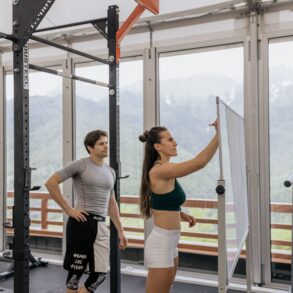
6. Strength Training Is No Longer Just About Muscle
Strength training has traditionally been associated with bodybuilding and athletic performance.
That perception is changing.
Today, strength training is increasingly recognized as a fundamental component of healthy aging and functional fitness.
Resistance exercise can help support:
- Muscle mass
- Strength
- Bone health
- Mobility
- Balance
- Physical independence
- Exercise capacity
- Functional performance
Muscle becomes particularly important as people age because gradual loss of muscle and strength can affect mobility and independence.
This makes strength training one of the practical health trends 2026 that can be relevant across different age groups.
You do not necessarily need a commercial gym.
Depending on your health status and fitness level, training can involve:
- Bodyweight exercises
- Resistance bands
- Dumbbells
- Machines
- Free weights
- Functional movements
Beginners should prioritize technique and gradual progression rather than immediately attempting heavy loads.
7. Sleep Health Becomes a Health Priority
Sleep is moving from the category of “nice to have” to a central part of health.
This is another important theme among the health trends 2026.
Sleep affects many aspects of everyday life, including alertness, mood, learning, memory, physical recovery, and appetite regulation.
Modern lifestyles can make quality sleep difficult.
Late-night screen use, irregular schedules, work demands, stress, travel, caffeine consumption, and environmental disturbances can all influence sleep.
Basic sleep-supporting habits include:
- Maintaining a relatively consistent sleep schedule
- Creating a dark, quiet sleeping environment
- Limiting stimulating activities close to bedtime
- Getting regular daytime physical activity
- Managing caffeine intake
- Establishing a relaxing evening routine
- Getting appropriate daytime light exposure
Wearable devices can provide estimates of sleep duration and patterns, but they should not be treated as perfect diagnostic tools.
If someone experiences persistent insomnia, loud snoring, breathing interruptions during sleep, or significant daytime sleepiness, professional medical evaluation may be appropriate.
8. Circadian Health Gains Attention
Closely connected to sleep is circadian health.
The circadian rhythm is the body’s approximately 24-hour biological timing system that influences sleep-wake patterns and other physiological processes.
Modern life can disrupt these rhythms.
People may work at night, stay indoors during the day, consume food at inconsistent times, or expose themselves to bright artificial light late in the evening.
This has made circadian health another growing area within health trends 2026.
Simple strategies may include:
- Getting outdoor light during the day
- Keeping sleep and wake times relatively consistent
- Maintaining regular meal patterns
- Staying physically active
- Reducing unnecessary bright light exposure at night
- Creating a predictable evening routine
Circadian health demonstrates an important principle: health is influenced not only by what we do, but also by when we do it.
9. Gut Health Remains a Major Wellness Topic
Gut health continues to attract attention in health trends 2026.
The digestive system plays important roles in nutrient absorption, digestion, immune function, and interactions with the gut microbiome.
The gut microbiome consists of microorganisms living within the digestive tract. Research continues to investigate how these organisms interact with diet, immunity, metabolism, and other aspects of health.
For everyday nutrition, dietary fiber remains an important focus.
Fiber-rich foods include:
- Beans
- Lentils
- Vegetables
- Fruits
- Whole grains
- Nuts
- Seeds
Increasing fiber gradually and drinking adequate fluids can help reduce digestive discomfort for some people.
Fermented foods such as yogurt and certain traditional fermented foods are also receiving attention.
However, the microbiome is complex. Claims that a single probiotic or supplement can solve every digestive problem should be approached cautiously.
Gut health is better viewed as part of an overall dietary pattern.
10. The Gut-Brain Connection Gains More Attention
The relationship between digestion and brain health is another emerging theme.
The gut and brain communicate through multiple biological pathways, including neural, immune, endocrine, and metabolic mechanisms.
This has led to growing interest in the gut-brain connection.
Nutrition, sleep, stress, physical activity, and digestive health can interact in complicated ways.
This does not mean that every mood problem originates in the gut.
Mental health conditions can have many causes, and appropriate medical or psychological care remains important.
Nevertheless, the gut-brain connection is becoming an interesting area of research and represents another dimension of health trends 2026.
11. Digital Health Is Becoming More Personalized
Digital health tools are transforming how people interact with health information.
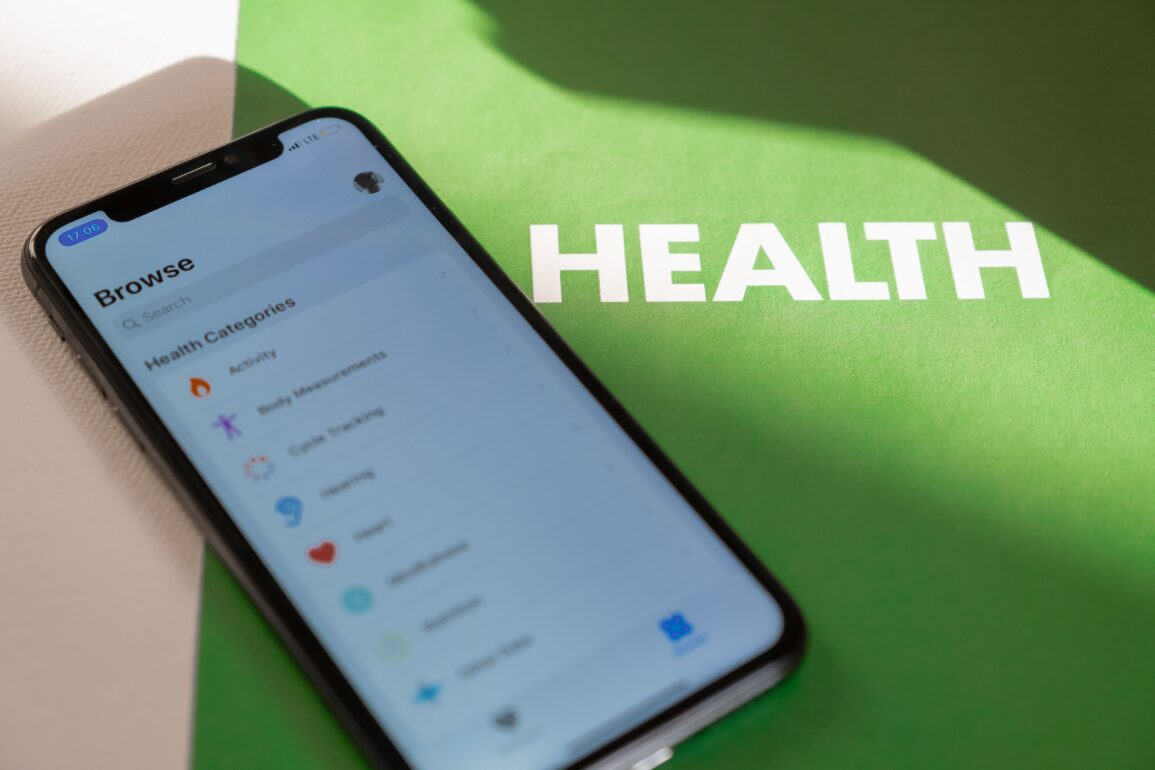
Smartwatches, fitness trackers, mobile applications, connected devices, and digital healthcare platforms can provide information about:
- Steps
- Physical activity
- Heart rate
- Sleep estimates
- Exercise
- Some cardiovascular measurements
- Nutrition
- Medication reminders
These technologies can encourage awareness and behavior change.
However, health tracking can become counterproductive if people become obsessed with daily fluctuations.
A single day’s sleep score or step count does not define someone’s health.
The most useful approach is to look for patterns over time.
Digital tools are therefore most valuable when they help people make reasonable decisions rather than creating unnecessary anxiety.
12. Artificial Intelligence Is Changing Healthcare
Artificial intelligence is one of the most visible technological health trends 2026.
AI is increasingly being explored for applications such as medical imaging, clinical decision support, administrative tasks, research, drug development, and health information management.
For consumers, AI-powered health tools may also become more common.
However, AI-generated health information should not automatically be treated as medical advice.
Healthcare involves uncertainty, individual context, clinical examination, and professional judgment.
AI can potentially help organize information, but it should not replace qualified healthcare professionals when diagnosis or treatment decisions are required.
The important trend is not simply “AI in healthcare.”
It is the gradual integration of technology into healthcare workflows.
13. Mental Wellness Becomes Part of Whole-Body Health
Mental health is increasingly being considered an essential component of overall wellbeing.
This is another defining aspect of health trends 2026.
Stress, loneliness, burnout, poor sleep, inactivity, and unhealthy routines can interact with physical health.
Mental wellness strategies may include:
- Regular physical activity
- Social connection
- Adequate sleep
- Relaxation practices
- Time outdoors
- Healthy boundaries
- Mindfulness
- Professional support when needed
Mental wellness should not be reduced to motivational quotes or productivity hacks.
Persistent anxiety, depression, severe stress, or other mental health symptoms deserve appropriate professional attention.
The broader trend is toward recognizing that physical and mental health cannot always be separated neatly.

14. Stress Management Moves Toward Practical Habits
Stress is unavoidable, but chronic unmanaged stress can affect wellbeing.
The modern approach is increasingly focused on practical stress-management strategies rather than promising instant relaxation.
Helpful habits may include:
Breathing exercises
Slow, controlled breathing can be incorporated into relaxation routines.
Physical activity
Walking, strength training, yoga, cycling, swimming, and other activities can provide physical and psychological benefits.
Social connection
Positive relationships can provide emotional support.
Time management
Creating realistic schedules can reduce unnecessary overload.
Nature exposure
Spending time outdoors can provide a break from highly stimulating environments.
Sleep
Adequate sleep supports emotional regulation and daily functioning.
Stress management is therefore becoming integrated into everyday health rather than treated as a separate topic.
15. Immune Resilience Is More Important Than “Immune Boosting”
The phrase “immune boosting” is widely used in wellness marketing, but the immune system is extremely complex.
You cannot simply switch immunity to maximum.
Instead, modern discussions increasingly focus on immune resilience.
That means supporting normal immune function through foundational health habits such as:
- Adequate nutrition
- Regular physical activity
- Sufficient sleep
- Vaccination where appropriate
- Good hygiene
- Avoiding tobacco
- Managing chronic health conditions
- Maintaining healthy relationships with healthcare providers
No single food can guarantee protection from infection.
The health trends 2026 landscape is increasingly moving toward a broader understanding of immune health rather than relying on miracle products.
16. Nutrition Quality Matters More Than Extreme Dieting
Extreme diets continue to attract attention, but sustainable nutrition remains central to long-term health.
Instead of obsessing over eliminating one food group, people are increasingly interested in overall dietary quality.
A nutrient-dense eating pattern can include:
- Colorful vegetables
- Fruits
- Whole grains
- Legumes
- Nuts
- Seeds
- Healthy sources of protein
- Appropriate unsaturated fats
The best diet for an individual depends on many factors.
Cultural preferences matter too.
For people in India, for example, healthy eating does not require abandoning traditional foods. Dishes based on lentils, vegetables, whole grains, spices, fermented foods, nuts, seeds, and other minimally processed ingredients can be incorporated into balanced eating patterns.
The key is the overall pattern rather than one “superfood.”
17. Ultra-Processed Food Gets More Scrutiny
The role of highly processed foods is another major nutrition discussion.
Not every processed food is unhealthy. Processing can improve safety, shelf life, convenience, and accessibility.
However, diets dominated by highly processed foods can make it easier to consume excessive calories, added sugars, sodium, or other ingredients while providing less dietary fiber and nutritional variety.
The practical response does not have to be “never eat processed food.”
Instead, people can focus on adding more minimally processed foods to everyday meals.
For example:
- Add vegetables to lunch and dinner.
- Choose fruit for snacks more often.
- Include beans or lentils regularly.
- Select whole grains when practical.
- Include suitable protein sources.
- Drink water regularly.
- Reserve highly processed snack foods for occasional use rather than making them dietary staples.
This realistic approach fits the broader direction of health trends 2026.
18. Walking Is Getting the Recognition It Deserves
Walking is one of the simplest forms of physical activity, yet it remains highly relevant.
You do not need an extreme exercise program to become more active.
Walking can help people increase daily movement and can be adapted to different fitness levels.
Examples include:
- Walking after meals
- Taking stairs when appropriate
- Walking during phone calls
- Short movement breaks
- Weekend walks
- Walking to nearby destinations
For people who are currently inactive, increasing movement gradually may be more realistic than starting an intense exercise program.
The broader lesson is important: small amounts of movement can contribute to an active lifestyle.
19. Recovery Becomes Part of Fitness
Fitness culture has traditionally emphasized training harder.
The modern approach increasingly recognizes recovery as an important part of performance and wellbeing.
Recovery includes:
- Sleep
- Rest days
- Adequate nutrition
- Hydration
- Mobility work
- Stress management
- Appropriate training volume
More exercise is not always better.
The body needs time to adapt to physical stress.
This is especially relevant for people balancing exercise with demanding jobs, family responsibilities, and limited sleep.
A sustainable fitness program should include both stimulus and recovery.
20. Biomarkers and Health Tracking Are Becoming More Common
People are becoming increasingly interested in biomarkers.
Examples can include:
- Blood pressure
- Blood glucose
- Lipid levels
- Resting heart rate
- Body composition
- Certain laboratory markers
The growing availability of testing has made health information more accessible.
But more testing is not necessarily better.
Testing should ideally answer a useful question.
A health marker can also vary because of temporary factors such as illness, hydration, exercise, sleep, medication, or timing.
Therefore, health data should be interpreted within context rather than treated as an isolated score.
This is one of the most important lessons from the health trends 2026 movement: data is useful when it improves decisions.
21. Healthspan Becomes More Important Than Appearance
Another important cultural shift is the growing emphasis on function.
Instead of focusing exclusively on weight, body shape, or appearance, healthspan asks different questions:
Can you climb stairs comfortably?
Can you carry groceries?
Can you get up from the floor?
Can you walk for an extended period?
Can you maintain social activities?
Can you preserve cognitive independence?
Can you recover from everyday physical demands?
These functional questions are highly relevant to aging.
This represents a broader shift from appearance-focused wellness toward capability-focused health.
22. Healthy Habits Are Becoming More Sustainable
One of the most useful health trends 2026 is a move away from all-or-nothing thinking.
You do not need a perfect diet.
You do not need to exercise every day.
You do not need to eliminate every unhealthy food.
You do not need to track every biological measurement.
Health is influenced by patterns repeated over months and years.
A person who consistently walks, eats a generally nutritious diet, sleeps adequately, avoids tobacco, manages stress, and receives appropriate preventive healthcare may gain more from those habits than someone who follows an extreme routine for two weeks and then stops.
Consistency is a powerful health strategy.
23. What About Supplements?
Supplements remain a major part of the wellness industry.
Some supplements have legitimate medical uses when deficiencies or specific conditions are present.
However, supplements should not automatically be viewed as replacements for healthy eating or medical care.
Potential concerns include:
- Incorrect dosing
- Interactions with medications
- Contamination
- Unnecessary supplementation
- Misleading marketing
- Taking multiple products with overlapping ingredients
A balanced diet should generally provide many essential nutrients.
People considering supplements for a specific health concern should discuss them with an appropriate healthcare professional, particularly when taking medications or managing a medical condition.
The future of wellness is unlikely to be about taking the largest number of supplements.
It is more likely to emphasize targeted, evidence-informed use.
24. Women’s Health Receives Greater Attention
Women’s health continues to expand as an important area of healthcare and research.
Topics receiving increased attention include:
- Menstrual health
- Pregnancy and postpartum health
- Menopause
- Bone health
- Cardiovascular health
- Metabolic health
- Mental health
- Hormonal changes across the lifespan
Women’s health cannot be reduced to hormones alone.
Nutrition, exercise, sleep, cardiovascular risk factors, mental wellbeing, preventive care, and reproductive health can all matter at different stages of life.
Personalized medical care is particularly important because health needs can change significantly across the lifespan.
25. Men’s Health Is Becoming More Comprehensive
Men’s health is also moving beyond a narrow focus on physical performance.
Modern men’s health discussions increasingly include:
- Cardiovascular health
- Metabolic health
- Mental wellbeing
- Sleep
- Strength
- Nutrition
- Preventive screening
- Healthy aging
Men may sometimes delay medical care until symptoms become difficult to ignore.
Routine preventive healthcare can help identify certain risks earlier.
The broader health trends 2026 movement is therefore encouraging people to view healthcare as an ongoing process rather than an emergency service.
26. Health Literacy Is Becoming a Superpower
With more health information available than ever before, knowing how to evaluate information has become increasingly important.
A viral health claim is not necessarily a reliable health claim.
Before accepting a wellness statement, ask:
Who made the claim?
What evidence supports it?
Was the evidence from humans?
Was the study large enough?
Was it randomized or observational?
Has the finding been replicated?
Does the claim exaggerate the results?
Is someone selling a product based on the claim?
These questions can help consumers distinguish emerging science from marketing.
Health literacy may become one of the most important skills associated with health trends 2026.
27. The Rise of Evidence-Informed Wellness
Evidence-informed wellness sits between two extremes.
On one side is ignoring scientific research entirely.
On the other side is treating every preliminary scientific finding as established fact.
A more balanced approach recognizes that science develops gradually.
Some findings are well established.
Others are promising but preliminary.
Some popular wellness claims may eventually be supported, while others may fail to withstand rigorous research.
This is why people should remain curious without becoming overly confident about emerging health trends.
28. How to Use the Health Trends 2026 in Everyday Life
You do not need to adopt every new health trend.
Instead, start with foundational habits.
Step 1: Improve your sleep
Aim for a consistent schedule and create a comfortable sleeping environment.
Step 2: Move more
Add walking and regular physical activity to your routine.
Step 3: Build strength
Include resistance exercise appropriate to your fitness level.
Step 4: Improve food quality
Increase vegetables, fruits, legumes, whole grains, nuts, seeds, and appropriate protein sources.
Step 5: Monitor important health markers
Follow appropriate medical screening and routine checkups.
Step 6: Reduce harmful exposures
Avoid tobacco and limit other behaviors that can negatively affect health.
Step 7: Protect mental wellbeing
Maintain relationships, manage stress, and seek professional support when necessary.
Step 8: Use technology wisely
Use wearables and apps as tools rather than treating every metric as a medical diagnosis.
Step 9: Think long term
Choose habits you can maintain for years.
29. Health Trends 2026: What to Avoid
Not every popular wellness trend deserves your attention.
Be cautious of claims promising:
- Instant weight loss
- Guaranteed disease prevention
- Permanent detoxification
- Miraculous anti-aging
- Guaranteed hormone balancing
- One-food cures
- Extreme fasting without appropriate guidance
- Supplement-based solutions for every problem
- “Secret” medical discoveries unsupported by credible evidence
Extraordinary health claims require strong evidence.
If a product promises to solve many unrelated health problems simultaneously, skepticism is appropriate.
30. The Future of Health Is More Preventive, Personalized, and Practical
The biggest lesson from health trends 2026 is that modern health is becoming more proactive.
People are increasingly interested in understanding their health before serious problems emerge.
They are looking beyond weight alone and considering metabolic health, muscle, sleep, cognitive function, mental wellness, nutrition, and healthy aging.
Technology is providing new tools.
Research is improving our understanding of disease and prevention.
But the fundamentals remain remarkably consistent.
Eat nutritious foods.
Move regularly.
Build and maintain strength.
Sleep adequately.
Manage stress.
Avoid tobacco.
Maintain meaningful relationships.
Use preventive healthcare.
Pay attention to important health changes.
And make sustainable choices rather than chasing every new trend.
Final Thoughts
The health trends 2026 landscape is defined by a shift from reactive healthcare toward prevention, personalization, resilience, and long-term healthspan.
Personalized nutrition, metabolic health, sleep optimization, strength training, gut health, digital health, artificial intelligence, mental wellness, preventive screening, and healthy aging are all contributing to a broader understanding of what it means to be healthy.
But the most important trend may be the simplest one: building sustainable habits.
The future of health is unlikely to depend on one miracle supplement, one revolutionary diet, or one expensive wearable.
Instead, better health will continue to come from combining evidence-based healthcare with consistent everyday behaviors.
Use technology when it helps.
Follow emerging research without accepting every claim as fact.
Work with qualified healthcare professionals when medical decisions are involved.
And focus on the habits that can support your health not just for the next few weeks, but for decades.
That is the real promise behind the health trends 2026: moving toward a smarter, more preventive, personalized, and sustainable approach to lifelong wellbeing.