


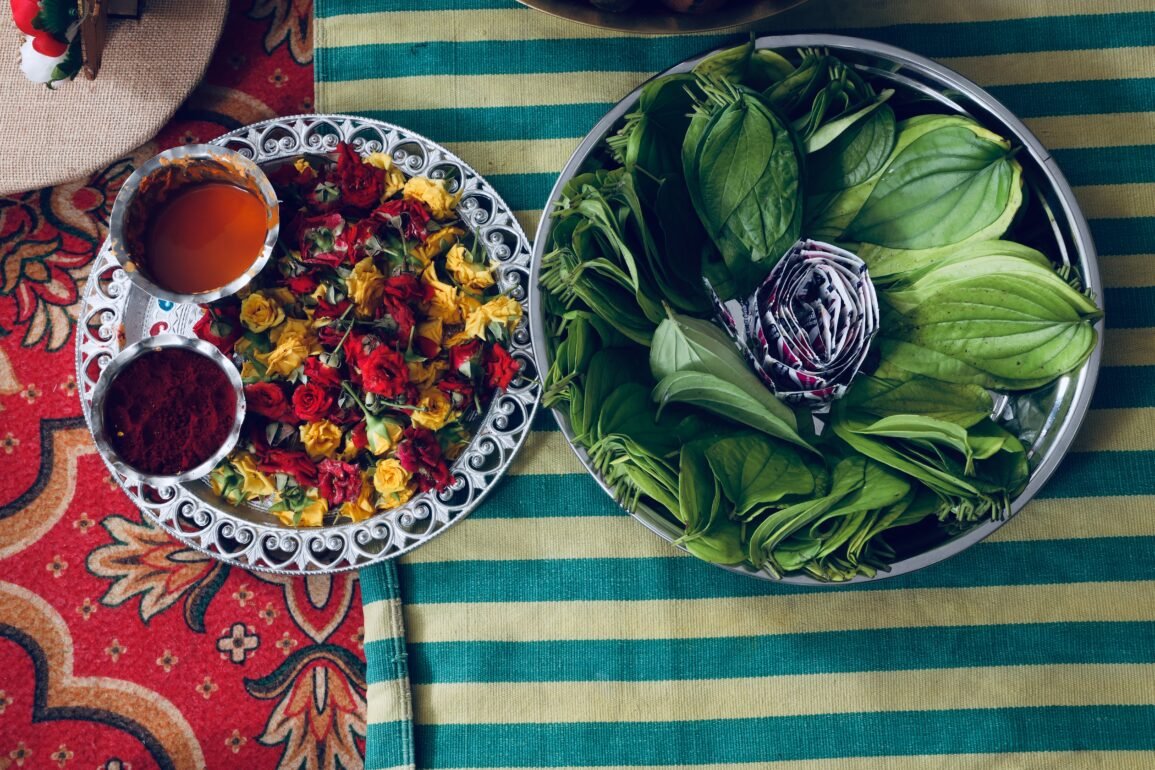
In 2026, the search for better energy, stronger immunity, improved digestion, and healthy aging is moving increasingly toward traditional foods and plant-based wellness practices. Among the biggest areas of interest are Ayurvedic superfoods—nutrient-rich foods and traditional herbs that have long been incorporated into Indian wellness traditions.
Modern wellness trends may give new names to these ingredients, but many of them have been part of Indian kitchens and Ayurvedic traditions for centuries. Amla, turmeric, ginger, tulsi, dates, almonds, sesame, moringa, and other nutrient-dense foods are increasingly being explored as practical additions to everyday diets.
The renewed interest is understandable. People are looking beyond quick fixes and are becoming more interested in food quality, digestive health, sustainable energy, plant-based nutrition, and healthy aging.
However, there is an important distinction between a nutritious traditional food and a miracle cure. No single food can guarantee immunity, prevent disease, or dramatically extend lifespan. The greatest benefits generally come from an overall healthy lifestyle that includes balanced nutrition, physical activity, adequate sleep, stress management, and appropriate medical care.
That makes the concept of Ayurvedic superfoods particularly interesting. Instead of treating one ingredient as a magic solution, Ayurveda traditionally emphasizes food quality, digestion, individual constitution, seasonality, preparation, and moderation.
This guide explores some of the most popular Ayurvedic superfoods gaining attention in 2026 and explains how they can fit into a balanced modern lifestyle.
What Are Ayurvedic Superfoods?
The phrase “superfood” is a modern nutrition and marketing term rather than a classical Ayurvedic category.
In practical terms, Ayurvedic superfoods can describe nutrient-dense foods and traditional plant ingredients that are valued in Ayurveda and that can contribute useful nutrients, phytochemicals, antioxidants, healthy fats, fiber, or other beneficial compounds to the diet.
Examples include:
- Amla
- Turmeric
- Ginger
- Tulsi
- Moringa
- Dates
- Almonds
- Walnuts
- Sesame seeds
- Flaxseeds
- Ghee
- Green leafy vegetables
- Lentils and other pulses
- Millets
- Pomegranate
Some ingredients, such as amla and turmeric, are particularly associated with traditional Ayurvedic use. Others are simply nutrient-dense foods that fit naturally into an Ayurvedic-inspired dietary pattern.
The modern popularity of these ingredients is also influenced by growing interest in plant-based nutrition, functional foods, gut health, antioxidants, and longevity.
For example, amla has recently received renewed attention as a traditional fruit with substantial nutritional value and a long history in Ayurveda.
The key is to think of these foods as contributors to overall wellness, not substitutes for medical treatment.
Why Ayurvedic Superfoods Are Trending in 2026
Several wellness trends are driving interest in traditional Indian foods.
1. People Want Food-Based Wellness
Many consumers are increasingly interested in obtaining nutrients from whole foods rather than relying entirely on supplements.
Instead of asking only, “Which supplement should I take?”, people are asking:
- What should I eat every day?
- How can I improve my energy naturally?
- Which foods support healthy aging?
- How can I improve my diet?
- Which traditional foods are worth adding to my meals?
This shift naturally brings foods such as amla, turmeric, millets, nuts, seeds, and legumes into the conversation.
2. Longevity Has Become a Major Wellness Goal
Healthy aging is no longer viewed simply as something to worry about later in life.
People in their 20s, 30s, and 40s are increasingly interested in maintaining metabolic health, muscle strength, cognitive function, cardiovascular health, and energy as they age.
Current nutrition discussions emphasize overall dietary patterns rather than a single “longevity food.” Nutrient-dense foods containing fiber, healthy fats, antioxidants, vitamins, and minerals can contribute to a healthy dietary pattern.
3. Traditional Indian Ingredients Are Going Global
Ingredients once considered ordinary kitchen staples are increasingly appearing in international wellness products.
Turmeric lattes, amla powders, moringa blends, herbal teas, seed mixes, millet products, and Ayurvedic-inspired functional foods have become increasingly visible in global wellness culture.
This creates an opportunity to rediscover traditional foods without unnecessarily exoticizing them.
4. Stress and Energy Are Major Concerns
Modern lifestyles often involve long working hours, irregular meals, insufficient physical activity, excessive screen exposure, and chronic stress.
That has increased interest in ingredients traditionally associated with vitality and resilience.
Ashwagandha is a prominent example. It is widely promoted for stress, sleep, and performance, although modern evidence remains limited for many claimed uses and product quality and safety matter.
1. Amla: The Classic Ayurvedic Superfood
Amla, also known as Indian gooseberry or Phyllanthus emblica, is one of the most recognizable Ayurvedic superfoods.
Small, green, and naturally tart, amla has a long history in Indian food traditions and Ayurveda.
It is especially interesting nutritionally because it contains vitamin C and various antioxidant compounds.
Why Amla Is Trending
Amla is increasingly marketed as a “vitamin C superfruit,” but its traditional importance goes much deeper than modern marketing.
It is traditionally associated with rejuvenation and is used in numerous Ayurvedic preparations. Contemporary nutrition discussions are also interested in its antioxidant properties.
Potential Nutritional Advantages
Amla can contribute:
- Vitamin C
- Polyphenols
- Antioxidant compounds
- Fiber
- Plant-based micronutrients
How to Use Amla
You can enjoy amla as:
- Fresh fruit when available
- Amla chutney
- Amla pickle in moderation
- Unsweetened amla powder
- Amla incorporated into traditional preparations
If using commercial amla products, check the ingredient list because some preparations contain significant added sugar.
Important Reminder
Amla is a nutritious food, but it should not be promoted as a guaranteed treatment for infections, diabetes, cancer, or other medical conditions.
2. Turmeric: The Golden Ayurvedic Favorite
Turmeric is arguably one of the world’s most recognizable Indian spices.
Its bright yellow color comes largely from curcuminoids, including curcumin.
Turmeric has a long history in Indian culinary and traditional practices and remains one of the most popular Ayurvedic superfoods in 2026.
Why Turmeric Is So Popular
Modern research has extensively investigated curcumin and turmeric because of their antioxidant and anti-inflammatory properties.
This has contributed to the enormous popularity of turmeric supplements and functional beverages.
However, there is an important distinction between turmeric used as a culinary spice and concentrated curcumin supplements.
Research findings from a particular extract, formulation, or dose cannot automatically be applied to every turmeric powder or supplement.
Simple Ways to Add Turmeric
Try turmeric in:
- Dal
- Vegetable curries
- Soups
- Khichdi
- Golden milk
- Rice dishes
- Roasted vegetables
Combining turmeric with black pepper and a source of dietary fat is a traditional and popular preparation strategy, although the absorption and effects of different curcumin formulations can vary considerably.
The Everyday Advantage
You do not necessarily need a high-dose supplement to enjoy turmeric.
Using a reasonable amount in everyday cooking can make meals more flavorful while adding plant compounds to your diet.
3. Ashwagandha: The 2026 Adaptogenic Superstar
Ashwagandha has perhaps experienced one of the biggest transformations from traditional Ayurvedic herb to global wellness ingredient.
The botanical name is Withania somnifera.
It is frequently described as an adaptogen and is marketed for stress management, sleep, exercise performance, and general vitality.
Research has investigated several of these areas, but the evidence varies by outcome, extract, dose, and population.
Recent clinical and medical reviews continue to emphasize that evidence remains limited for many claims and that safety deserves attention.
Why It Is Trending
People are increasingly interested in managing:
- Everyday stress
- Mental fatigue
- Sleep quality
- Exercise recovery
- Work-related pressure
This makes ashwagandha particularly attractive to modern wellness audiences.
But Is Ashwagandha for Everyone?
No.
This is one of the most important points about Ayurvedic superfoods and herbs.
Ashwagandha is not simply another food to consume without consideration. Concentrated supplements can interact with medications and may not be appropriate for everyone.
There have also been reports of rare liver injury, and pregnancy is a situation in which ashwagandha should be avoided unless specifically advised by an appropriate healthcare professional.
Therefore, people considering concentrated ashwagandha supplements should speak with a qualified healthcare professional, particularly if they take medication or have an existing medical condition.
4. Moringa: The Nutrient-Dense Green
Moringa leaves have become increasingly popular in modern nutrition.
Often called the “drumstick tree,” Moringa oleifera has long been consumed in various parts of India.
Moringa leaves can provide:
- Plant protein
- Fiber
- Vitamins
- Minerals
- Polyphenols
- Antioxidant compounds
Why Moringa Is Trending
Moringa fits several major 2026 wellness trends:
- Plant-based nutrition
- Sustainable food
- Green powders
- Functional foods
- Nutrient density
Moringa powder is now commonly added to smoothies, soups, dals, and savory dishes.
Best Way to Use It
Instead of treating moringa powder as a magical supplement, consider it a convenient plant ingredient.
Add a small amount to:
- Dal
- Vegetable soups
- Chutneys
- Smoothies
- Savory porridges
Fresh moringa leaves can also be incorporated into traditional meals.
read also: How Ayurveda Naturally Supports Better Sleep and Brain Health
5. Ginger: The Everyday Digestive Spice
Ginger is one of the simplest Ayurvedic superfoods to include in your diet.
Fresh ginger contains bioactive compounds such as gingerols and has traditionally been used to support digestion and comfort.
It is also one of the most practical ingredients because it requires no complicated preparation.
Ginger and Digestion
Ayurvedic traditions have long valued ginger in food and beverages.
Modern research has also investigated ginger for nausea and other digestive-related applications.
How to Use Ginger
Try:
- Fresh ginger tea
- Ginger in dal
- Ginger chutney
- Vegetable stir-fries
- Soups
- Curries
- Warm lemon-ginger beverages
Fresh ginger is especially useful during colder months when warm meals and beverages are naturally appealing.
6. Tulsi: The Sacred Herb With Modern Appeal
Tulsi, or holy basil, has a special place in Indian culture and traditional wellness practices.
It is commonly consumed as an herbal tea.
Tulsi contains a variety of plant compounds and is being investigated for antioxidant and other biological activities.
Why Tulsi Is Trending
Modern consumers are searching for caffeine-free beverages and simple rituals that can help them slow down.
Tulsi tea fits naturally into this lifestyle.
Instead of thinking about tulsi as a cure, consider it a flavorful herbal beverage that can become part of a calming routine.
Easy Tulsi Ritual
A simple evening routine could include:
- Prepare tulsi tea.
- Sit away from screens.
- Take slow breaths.
- Drink mindfully.
- Prepare for bedtime.
The benefit may come not only from the herb but also from the healthy ritual surrounding it.
7. Dates: Natural Energy From a Traditional Food
Dates are another excellent addition to the modern list of Ayurvedic superfoods.
They are naturally sweet and provide carbohydrates, fiber, potassium, and other nutrients.
Because carbohydrates are an important source of readily available energy, dates can be useful around physical activity.
Dates for Active People
Consider having dates:
- Before exercise
- With nuts as a snack
- Chopped into porridge
- Added to homemade energy bites
- Combined with yogurt
However, “natural sugar” is still sugar.
People managing blood glucose should consider portion sizes and their overall carbohydrate intake.
8. Almonds: A Traditional Source of Healthy Fats
Almonds have long been incorporated into Indian dietary traditions.
They provide:
- Protein
- Fiber
- Healthy unsaturated fats
- Vitamin E
- Magnesium
- Other micronutrients
Why Almonds Matter for Longevity
Healthy aging depends on overall dietary quality.
Nuts can provide a convenient combination of healthy fats, protein, fiber, and micronutrients.
A small serving of almonds can therefore make a much more useful snack than highly processed foods containing refined carbohydrates and excessive added sugar.
Traditional Preparation
Some people soak almonds overnight and remove the skins before eating them.
While this can change texture and improve palatability, soaking is not necessary for everyone.
The bigger nutritional priority is simply including nutrient-dense nuts as part of an otherwise balanced diet.
9. Walnuts: Brain-Friendly Healthy Fats
Walnuts deserve attention because they provide plant-based omega-3 fatty acid ALA along with healthy fats, fiber, and polyphenols.
They are particularly useful for people trying to improve the overall quality of their diet.
Easy Ways to Eat Walnuts
Add them to:
- Oatmeal
- Fruit bowls
- Salads
- Homemade trail mixes
- Yogurt
- Chia puddings
A small serving is generally enough because nuts are calorie-dense.
10. Flaxseeds: Tiny Seeds With Big Nutritional Value
Flaxseeds are another popular functional food.
They contain:
- Alpha-linolenic acid
- Fiber
- Lignans
- Protein
- Minerals
Their high fiber content makes them especially interesting for digestive and metabolic health.
Ground or Whole?
Ground flaxseed is generally easier to incorporate into meals and allows the body to access its nutrients more readily than whole seeds that may pass through the digestive tract relatively intact.
Add ground flaxseed to:
- Oatmeal
- Smoothies
- Yogurt
- Rotis
- Homemade energy bites
Drink adequate fluids when substantially increasing fiber intake.

11. Sesame Seeds: Traditional and Nutrient Dense
Sesame is deeply rooted in Indian food culture.
Sesame seeds contain:
- Healthy fats
- Protein
- Fiber
- Calcium
- Magnesium
- Plant compounds
Sesame can be used in chutneys, laddoos, vegetable dishes, dressings, and traditional preparations.
Sesame and Healthy Aging
Healthy fats and minerals are valuable components of a nutrient-dense dietary pattern.
Rather than consuming large amounts of sesame-based sweets, however, focus on balanced portions and preparations with less added sugar.
12. Millets: The Ancient Grains Making a Modern Comeback
Millets are among the most exciting foods in the modern Indian nutrition conversation.
Examples include:
- Ragi
- Bajra
- Jowar
- Foxtail millet
- Little millet
- Barnyard millet
Millets can provide carbohydrates, fiber, minerals, and plant-based nutrients.
Why Millets Are Trending
Millets fit several modern priorities:
- Whole-food nutrition
- Dietary diversity
- Higher-fiber eating
- Traditional Indian grains
- Agricultural sustainability
They can be used in:
- Rotis
- Dosas
- Porridge
- Upma
- Khichdi
- Idli
- Salads
Instead of replacing every grain with millet, use them to diversify your diet.
13. Pomegranate: A Powerful Fruit for Everyday Nutrition
Pomegranate is rich in polyphenols and provides fiber and micronutrients.
It is frequently included in discussions around antioxidants and healthy aging.
The seeds can be added to:
- Salads
- Yogurt
- Fruit bowls
- Chaats
- Breakfast dishes
Whole pomegranate is generally preferable to heavily sweetened packaged juice because whole fruit provides fiber and requires slower consumption.
14. Green Leafy Vegetables: The Overlooked Superfoods
The term “superfood” can sometimes make people forget the basics.
Spinach, fenugreek leaves, amaranth, drumstick leaves, mustard greens, and other leafy vegetables can provide substantial amounts of vitamins, minerals, fiber, and plant compounds.
They may not look as glamorous as a premium herbal powder, but they are among the most practical foods for a healthy diet.
Make Greens a Daily Habit
Add greens to:
- Dal
- Sabzi
- Soups
- Khichdi
- Omelets
- Parathas
- Smoothies
The goal is consistency rather than perfection.
15. Lentils and Pulses: Ayurvedic Superfoods for Sustainable Energy
Protein is essential for maintaining muscle mass, enzymes, hormones, and countless other biological processes.
Indian cuisine offers an enormous variety of plant protein sources.
These include:
- Moong dal
- Masoor dal
- Toor dal
- Chana
- Rajma
- Black gram
- Chickpeas
- Peas
Combining legumes with grains can create satisfying meals that provide carbohydrates, protein, fiber, and micronutrients.
For people interested in healthy aging, adequate protein becomes particularly important because preserving muscle is a major part of maintaining strength and independence later in life.
How Ayurvedic Superfoods Can Support Energy
Energy is not created by one magical ingredient.
Your body needs adequate calories, carbohydrates, protein, fats, vitamins, minerals, hydration, and sleep.
That means the best approach is to build balanced meals.
An Energy-Supporting Ayurvedic-Inspired Meal Could Include:
Breakfast:
Millet porridge + almonds + walnuts + fruit
Lunch:
Rice or millet + dal + vegetables + leafy greens
Snack:
Dates + nuts
Dinner:
Khichdi + vegetables + yogurt, depending on individual tolerance
Beverage:
Ginger or tulsi herbal tea
The objective is not to consume every superfood every day.
Instead, rotate nutrient-rich foods across the week.
Ayurvedic Superfoods and Immunity
The immune system is complex.
It depends on:
- Adequate nutrition
- Sleep
- Physical activity
- Stress management
- Vaccination where appropriate
- Good hygiene
- Healthy body weight
- Management of underlying medical conditions
No food can guarantee that you will not become sick.
However, nutrient-rich foods can help provide the raw materials needed for normal immune function.
Foods such as amla, citrus fruits, leafy greens, nuts, seeds, legumes, turmeric, ginger, and other colorful plant foods can contribute to a varied diet.
The strongest strategy is dietary diversity rather than relying on a single “immune booster.”
Ayurvedic Superfoods for Healthy Aging
Longevity is not simply about living longer.
It is about maintaining physical and mental function for as long as possible.
This means protecting:
- Muscle
- Bone
- Heart health
- Brain health
- Metabolic health
- Digestive health
- Mobility
- Emotional well-being
A diet rich in vegetables, fruits, legumes, whole grains, nuts, seeds, and minimally processed foods can support many of these goals.
This is why Ayurvedic superfoods should be considered within a broader lifestyle framework.
Amla alone cannot create longevity.
Turmeric alone cannot create longevity.
Ashwagandha alone cannot create longevity.
A healthy pattern repeated for years is far more important.
The Ayurvedic Concept of Food Quality
One of the most interesting aspects of Ayurveda is that food is not evaluated only by its nutrient content.
Traditional Ayurvedic approaches also consider:
- Digestion
- Season
- Individual constitution
- Food combinations
- Preparation
- Quantity
- Timing
- Freshness
While modern nutrition and Ayurveda use different frameworks, there is a useful practical lesson here:
The best food is not necessarily the one with the most impressive marketing claim. It is the food that fits into a sustainable, balanced eating pattern.
For example, a homemade lentil dish may provide more practical nutritional value to someone’s lifestyle than an expensive “superfood” powder that they rarely use.
How to Build a Daily Ayurvedic Superfood Routine
You do not need a complicated routine.
Try this simple structure.
Morning
Start the day with hydration and a balanced breakfast.
Options include:
- Millet porridge
- Vegetable upma
- Idli with sambar
- Oats with nuts and seeds
- Fruit with yogurt and seeds
Midday
Build lunch around:
Protein + whole grain + vegetables + healthy fat
For example:
Dal + rice + leafy vegetables + salad.
Afternoon
Choose a nutrient-dense snack:
- Fruit
- Nuts
- Seeds
- Dates in moderation
- Roasted chickpeas
Evening
A warm herbal beverage such as ginger or tulsi tea can become a relaxing ritual.
Dinner
Keep the meal balanced and choose foods that suit your personal digestion and lifestyle.
Khichdi, dal, vegetables, millet preparations, or other traditional meals can work well.
7 Mistakes to Avoid With Ayurvedic Superfoods
1. Thinking More Is Better
Taking large amounts of herbs or supplements does not automatically increase their benefits.
Concentrated products can behave differently from culinary ingredients.
2. Replacing Medical Treatment
Food can support general health but should not replace treatment prescribed for a medical condition.
3. Buying Products Based Only on Marketing
Look at:
- Ingredient lists
- Dosage information
- Quality testing
- Manufacturer reputation
- Added sugar
- Unnecessary additives
4. Ignoring Individual Differences
A food that feels excellent for one person may not suit another.
Digestive tolerance, allergies, medications, pregnancy, and existing health conditions all matter.
5. Turning Everything Into a Supplement
Amla as fruit and amla extract are not the same thing.
Turmeric as a spice and high-dose curcumin are not the same thing.
Ashwagandha root powder and standardized extracts are not interchangeable.
This distinction is extremely important.
6. Forgetting Protein
A diet filled with fruits and herbs can still be inadequate if protein intake is poor.
Include legumes, dairy or alternatives, eggs if consumed, nuts, seeds, or other appropriate protein sources.
7. Ignoring Sleep and Exercise
No superfood can compensate for consistently poor sleep and inactivity.
Are Ayurvedic Superfoods Safe?
Safety depends on the specific ingredient and how it is consumed.
Whole foods such as fruits, vegetables, nuts, seeds, grains, and legumes are generally straightforward components of a balanced diet for most people.
Concentrated herbal supplements require more caution.
Ashwagandha provides a good example. Although it is widely promoted online, medical sources note that evidence is still limited for many uses and that potential adverse effects and interactions need to be considered.
A 2026 prospective study also examined the safety and tolerability of a standardized ashwagandha root extract in healthy adults, illustrating the continuing effort to understand specific preparations rather than treating all ashwagandha products as identical.
If you are pregnant, breastfeeding, taking prescription medication, preparing for surgery, or managing a chronic medical condition, discuss concentrated herbal products with a qualified healthcare professional before use.
Whole Food vs Supplement: Which Is Better?
For most people, whole foods should be the foundation.
Consider this comparison:
| Whole Food | Concentrated Supplement |
|---|---|
| Usually lower dose | Often much higher dose |
| Provides multiple nutrients | May isolate selected compounds |
| Part of a meal | Often taken separately |
| Usually easier to incorporate | Requires more safety consideration |
| Supports dietary diversity | Can be useful for specific purposes |
Supplements can have a role, but “natural” does not automatically mean “risk-free.”
The safest strategy is to build your everyday nutrition around whole foods and use supplements selectively and appropriately.
A 7-Day Ayurvedic Superfood Meal Inspiration
Day 1
Breakfast: Oats with almonds, walnuts, and fruit
Lunch: Dal, rice, spinach, salad
Snack: Amla and fruit
Dinner: Vegetable khichdi
Day 2
Breakfast: Ragi dosa with sambar
Lunch: Millet roti, dal, vegetables
Snack: Dates and almonds
Dinner: Vegetable soup with lentils
Day 3
Breakfast: Vegetable upma
Lunch: Rajma, rice, salad
Snack: Pomegranate
Dinner: Moong dal khichdi
Day 4
Breakfast: Millet porridge with seeds
Lunch: Chickpea curry with roti and greens
Snack: Walnuts and fruit
Dinner: Vegetable dal
Day 5
Breakfast: Idli and sambar
Lunch: Jowar roti with vegetables and dal
Snack: Amla preparation with minimal added sugar
Dinner: Khichdi and vegetables
Day 6
Breakfast: Yogurt with fruit, flaxseed, and nuts
Lunch: Toor dal, rice, leafy vegetables
Snack: Dates and walnuts
Dinner: Millet vegetable bowl
Day 7
Breakfast: Ragi porridge with nuts
Lunch: Chickpeas, millet, vegetables
Snack: Pomegranate or seasonal fruit
Dinner: Light dal and vegetable meal
This is only an example. Dietary needs vary considerably between individuals.
The Future of Ayurvedic Superfoods in 2026 and Beyond
The future of Ayurvedic superfoods is likely to involve a combination of traditional knowledge and modern nutrition science.
Consumers increasingly want:
- Transparent ingredient sourcing
- Scientific evidence
- Sustainable farming
- Minimal processing
- Clean labels
- Traditional ingredients
- Convenient preparation
- Personalized nutrition
This could create an interesting evolution in the Ayurvedic food industry.
Instead of simply labeling every herb a “miracle superfood,” responsible brands and educators can focus on what an ingredient actually contains, how it has traditionally been used, what research shows, and where evidence remains uncertain.
That approach is much more useful for consumers.
Final Thoughts
The popularity of Ayurvedic superfoods in 2026 reflects a broader movement toward traditional foods, plant-based nutrition, functional ingredients, and healthy aging.
Amla, turmeric, ginger, tulsi, moringa, almonds, walnuts, sesame, flaxseeds, dates, millets, pomegranate, leafy vegetables, and legumes can all play valuable roles in a diverse diet.
But the biggest lesson is simple:
There is no single superfood that can replace a healthy lifestyle.
Real wellness comes from the combination of nutritious food, adequate protein, regular movement, quality sleep, stress management, hydration, social connection, and appropriate healthcare.
Use traditional foods as part of your everyday meals rather than searching for a miracle ingredient.
Choose variety over hype.
Choose whole foods over unnecessary processing.
Choose evidence over exaggerated claims.
And most importantly, choose sustainable habits that you can continue for years.
That is where the real power of Ayurvedic superfoods lies—not in one magical ingredient, but in creating a balanced relationship with food, routine, and long-term wellness.
Quick Takeaway
If you want to incorporate Ayurvedic superfoods into your lifestyle, start with five simple habits:
- Add more colorful fruits and vegetables.
- Include legumes or another quality protein source with meals.
- Eat nuts and seeds regularly in sensible portions.
- Use traditional spices such as turmeric and ginger in everyday cooking.
- Treat concentrated herbal supplements with caution and seek professional advice when appropriate.
The goal is not to create a complicated wellness routine.
The goal is to make nutritious choices so natural that they become part of everyday life.
Ayurvedic superfoods can be a valuable part of that journey when they are used thoughtfully, realistically, and as part of an overall balanced lifestyle.