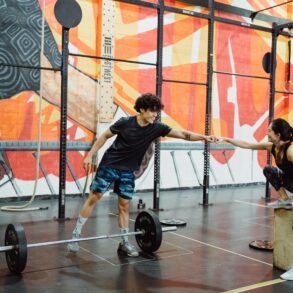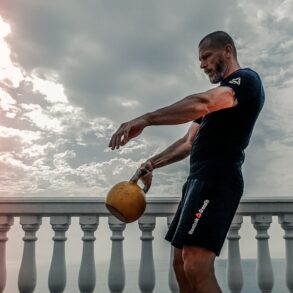



Hybrid Fitness Training is becoming one of the most effective approaches to building a balanced, strong, energetic, and physically capable body. Instead of focusing exclusively on weightlifting, running, or flexibility exercises, hybrid fitness combines multiple training methods into one structured fitness routine.
Modern fitness is no longer just about lifting heavier weights, running faster, or developing visible muscles. People increasingly want complete physical fitness that supports strength, cardiovascular endurance, flexibility, mobility, and long-term health.
This is where Hybrid Fitness Training makes a difference.
By combining strength training, cardiovascular exercise, and mobility work, individuals can develop a more versatile body that performs well in the gym and everyday life. Whether your goal is building muscle, improving stamina, losing body fat, increasing flexibility, or supporting healthy aging, this training approach offers a practical way to work toward multiple fitness goals.
Unlike traditional workout routines that prioritize one fitness component, hybrid training focuses on developing several physical abilities together. It encourages a balanced approach in which muscles become stronger, the heart and lungs become more efficient, and joints maintain their ability to move comfortably.
In this comprehensive guide, we will explore how Hybrid Fitness Training works, its benefits, the science behind combining different exercises, and how to create an effective weekly workout routine.
What Is Hybrid Fitness Training?
Hybrid Fitness Training is a workout approach that combines two or more different fitness disciplines into one organized training program. Most commonly, it integrates:
- Strength training for muscular development and physical power.
- Cardiovascular training for heart health and endurance.
- Mobility training for joint movement, flexibility, and functional performance.
The objective is to develop a well-rounded level of fitness rather than specializing in only one physical ability.
For example, someone following a traditional bodybuilding routine may spend most of their workout time lifting weights. A runner may prioritize distance, speed, and endurance. Someone practicing yoga may focus primarily on flexibility, balance, and controlled movement.
However, a person following Hybrid Fitness Training may combine all three approaches throughout the week.
A typical routine could include:
- Monday: Upper-body strength training.
- Tuesday: Moderate-intensity cardio and mobility.
- Wednesday: Lower-body strength training.
- Thursday: Interval cardio and flexibility exercises.
- Friday: Full-body strength training.
- Saturday: Low-intensity endurance and mobility.
- Sunday: Rest and recovery.
This approach helps develop multiple fitness qualities while providing opportunities for recovery.
Why Is Hybrid Training Becoming Popular?
Many people want more than a single fitness outcome. They want to build muscle without losing endurance, improve cardiovascular health without sacrificing strength, and increase flexibility without spending every day performing separate mobility routines.
Hybrid Fitness Training addresses these goals through a balanced exercise strategy.
Its popularity is also connected to changing fitness priorities. People are becoming more interested in functional strength, healthy aging, injury prevention, athletic performance, and overall physical independence.
Rather than training only to improve appearance, hybrid fitness encourages people to build a body that can perform different physical tasks efficiently.
The Three Essential Components of Hybrid Fitness Training
The foundation of successful Hybrid Fitness Training consists of three major components: strength, cardio, and mobility.
Each component develops a different aspect of physical fitness. When combined intelligently, they create a more complete training system.
1. Strength Training: Building Muscle and Physical Power
Strength training is an essential part of Hybrid Fitness Training because it develops muscular strength, improves physical performance, and supports healthy body composition.
It involves working against resistance to challenge muscles. Resistance can come from free weights, machines, resistance bands, or bodyweight exercises.
Benefits of Strength Training
Muscle development: Resistance exercise stimulates muscle protein synthesis and supports muscle growth when combined with appropriate nutrition and recovery.
Stronger bones: Weight-bearing and resistance exercises can help maintain bone density and support skeletal health.
Improved metabolism: Maintaining or increasing muscle mass contributes to daily energy expenditure and helps support healthy body composition.
Better functional performance: Strong muscles make everyday activities such as climbing stairs, carrying groceries, lifting objects, and getting up from the floor easier.
Healthy aging: Regular resistance training helps reduce age-related muscle loss and supports physical independence.
Best Strength Exercises for Hybrid Fitness
A good hybrid program should prioritize compound movements because they engage multiple muscle groups and develop coordinated strength.
Some effective exercises include:
- Squats
- Deadlifts
- Bench presses
- Pull-ups
- Push-ups
- Lunges
- Overhead presses
- Bent-over rows
- Hip thrusts
- Farmer’s carries
These movements help develop upper-body strength, lower-body power, core stability, and functional movement patterns.
read full article: Muscle Health Blueprint: The Everyday Habits That Help Preserve Strength
How Often Should You Strength Train?
Most people can begin with two or three strength-training sessions per week, depending on their experience, recovery capacity, and overall training schedule.
Beginners should prioritize proper technique before increasing resistance.
A practical starting point is:
- 2–3 sets per exercise.
- 8–12 repetitions for many muscle-building exercises.
- 60–120 seconds of rest between sets, adjusted to exercise intensity.
- Gradual increases in resistance when technique remains consistent.
The ideal repetition range depends on the exercise and training objective. Muscle strength and growth can occur across a range of loads when sets provide sufficient effort.
The main objective is progressive overload: gradually increasing training demands over time without compromising technique or recovery.
2. Cardiovascular Training: Improving Endurance and Heart Health
Man Running on Treadmill in Modern Gym Environment
Cardiovascular exercise is the second major pillar of Hybrid Fitness Training.
It improves the body’s ability to deliver and use oxygen during physical activity. Regular cardio challenges the heart, lungs, and circulatory system, helping improve aerobic capacity and endurance.
Strength training develops muscular performance, while cardiovascular exercise improves the body’s ability to sustain physical activity.
Combining these two training methods creates a more versatile fitness foundation.
Benefits of Cardiovascular Exercise
Supports heart health: Regular aerobic activity can improve cardiovascular fitness and help manage blood pressure.
Improves stamina: Cardio makes activities such as walking, running, cycling, and climbing stairs easier over time.
Supports weight management: Cardiovascular exercise increases energy expenditure and can contribute to fat loss when combined with appropriate nutrition.
Improves metabolic health: Consistent aerobic exercise supports insulin sensitivity and glucose regulation.
Supports mental well-being: Physical activity can improve mood, reduce stress, and support better sleep.
Best Cardio Exercises for Hybrid Fitness
There are several ways to incorporate cardiovascular exercise into a hybrid routine.
Running: Develops aerobic endurance and challenges the cardiovascular system.
Cycling: Provides an effective cardio workout with relatively low impact compared with running.
Swimming: Combines cardiovascular conditioning with whole-body movement.
Rowing: Engages the upper body, lower body, and cardiovascular system.
Brisk walking: Offers an accessible, low-impact way to increase daily physical activity.
Jump rope: Develops coordination, rhythm, and cardiovascular endurance.
Elliptical training: Provides a lower-impact cardio option for many individuals.
The best option is the activity you can perform consistently while managing its impact on your joints and recovery.
Steady-State Cardio vs. High-Intensity Interval Training
Two important approaches to cardiovascular exercise are steady-state cardio and high-intensity interval training.
Steady-state cardio
Steady-state cardio involves maintaining a relatively consistent intensity over a longer period.
Examples include:
- 30 minutes of brisk walking.
- 25 minutes of moderate cycling.
- 40 minutes of comfortable swimming.
- 30 minutes of easy jogging.
This method develops aerobic endurance and can be easier to recover from than frequent high-intensity sessions.
High-intensity interval training (HIIT)
HIIT alternates short periods of challenging exercise with recovery intervals.
For example:
- 30 seconds of fast cycling.
- 90 seconds of easy cycling.
- Repeat for 6–8 rounds.
HIIT can improve cardiovascular fitness efficiently, but it places greater demands on the body.
It should be introduced gradually, particularly for beginners.
How Much Cardio Should You Include?
A useful general health target for adults is at least 150 minutes of moderate-intensity aerobic activity or 75 minutes of vigorous-intensity activity per week, or an equivalent combination.
You can distribute this activity across several days.
For example:
- Monday: 20-minute brisk walk.
- Tuesday: 30-minute cycling session.
- Wednesday: 15-minute easy cardio.
- Thursday: 25-minute interval session.
- Friday: 20-minute brisk walk.
- Saturday: 40-minute outdoor walk.
These activities can be adjusted around strength sessions and individual recovery needs.
3. Mobility Training: Improving Movement and Joint Function
Mobility is often overlooked in conventional gym routines, but it is a critical part of Hybrid Fitness Training.
Mobility refers to the ability to move a joint through its available range of motion with control.
Although mobility and flexibility are related, they are not identical.
Flexibility generally refers to the ability of muscles and other soft tissues to lengthen. Mobility includes flexibility, joint movement, strength, and neuromuscular control.
For example, someone may be able to passively stretch their hamstrings but struggle to perform a controlled leg raise. This suggests that flexibility and active mobility are different physical qualities.
Benefits of Mobility Training
Improves movement quality: Mobility exercises help develop better control through available joint ranges.
Supports exercise technique: Adequate mobility can help individuals perform squats, lunges, overhead presses, and other movements with appropriate positioning.
Reduces movement restrictions: Regular practice can improve comfort and confidence during daily activities.
Supports athletic performance: Controlled movement through appropriate ranges can help athletes perform dynamic activities more effectively.
Encourages healthy aging: Maintaining joint movement and balance supports everyday independence.
Best Mobility Exercises for Hybrid Fitness
Include exercises that target the major joints and movement patterns.
Hip mobility
- 90/90 hip switches.
- World’s greatest stretch.
- Hip circles.
- Deep squat holds.
Shoulder mobility
- Shoulder circles.
- Wall slides.
- Band pull-aparts.
- Controlled arm raises.
Spinal mobility
- Cat-cow stretches.
- Thoracic rotations.
- Child’s pose.
- Open-book rotations.
Ankle mobility
- Knee-to-wall ankle mobilizations.
- Controlled ankle circles.
- Calf raises.
- Supported deep squats.
How Often Should You Practice Mobility?
Mobility work can be performed several times per week, even in short sessions.
A simple routine lasting 10–15 minutes may include:
- Cat-cow movements: 10 repetitions.
- Hip circles: 10 repetitions per side.
- World’s greatest stretch: 5 repetitions per side.
- Thoracic rotations: 8 repetitions per side.
- Ankle mobilizations: 10 repetitions per side.
- Shoulder wall slides: 10 repetitions.
Move slowly and stay within a comfortable range. Avoid forcing a joint into painful positions.
Mobility should complement your primary workouts rather than create unnecessary fatigue.
Why Combining Strength, Cardio, and Mobility Produces Better Fitness
The real advantage of Hybrid Fitness Training comes from combining different physical abilities instead of developing them independently.
Each training method contributes something different to overall performance.
| Training type | Primary benefit | Physical development |
|---|---|---|
| Strength training | Muscular strength | Muscle, power, bone health |
| Cardiovascular training | Endurance | Heart and lung fitness |
| Mobility training | Movement quality | Joint control and range of motion |
When these elements work together, they create several important advantages.
1. Develops Complete Physical Fitness
A person may have impressive muscular strength but struggle with endurance. Another person may run long distances but lack sufficient muscular strength.
Hybrid training helps address these gaps.
By combining resistance exercises, cardio sessions, and mobility routines, individuals can develop a balanced fitness profile.
This is particularly useful for people who want to perform different physical activities without becoming dependent on one type of exercise.
2. Supports Healthy Body Composition
Strength training helps maintain and build muscle, while cardiovascular exercise increases energy expenditure.
Together, they can support improvements in body composition.
Mobility exercises also help individuals maintain comfortable movement patterns, making it easier to participate in regular physical activity.
However, successful fat loss still depends on overall energy balance, nutritional quality, sleep, and consistency.
3. Improves Everyday Functional Performance
Fitness should help people outside the gym.
Think about everyday activities such as:
- Carrying heavy shopping bags.
- Walking long distances.
- Climbing stairs.
- Playing sports.
- Lifting objects from the floor.
- Maintaining balance.
- Reaching overhead shelves.
These activities require different physical abilities.
Strength provides the force needed to lift objects, cardiovascular endurance helps sustain activity, and mobility supports comfortable movement.
Hybrid Fitness Training develops these abilities through a coordinated workout approach.
4. Creates a More Sustainable Workout Routine
Repeating the same exercise every day can become monotonous.
Hybrid training introduces variety through different activities and movement patterns.
One day may focus on resistance training, another on cycling, and another on mobility.
This variation can make exercise more enjoyable and help people maintain long-term consistency.
However, variety should not mean constantly changing exercises without a plan. A structured routine is still essential for measurable progress.
The Science Behind Hybrid Fitness Training
Understanding the science behind hybrid training can help individuals make better decisions about workout frequency, exercise selection, and recovery.
The human body adapts to different physical demands through several biological processes.
How Strength Training Changes the Body
Resistance training creates mechanical tension in muscles and stimulates adaptations that support muscle growth and strength development.
Repeated training can improve:
- Muscle fiber recruitment.
- Neuromuscular coordination.
- Muscle protein synthesis.
- Muscular endurance.
- Tendon and connective tissue capacity.
Over time, these adaptations make muscles better equipped to handle resistance.
Adequate protein intake, sufficient energy, and recovery are necessary to support these changes.
How Cardio Improves Aerobic Capacity
Cardiovascular exercise stimulates adaptations in the heart, blood vessels, and skeletal muscles.
Regular aerobic training can improve:
- Cardiac efficiency.
- Oxygen delivery.
- Mitochondrial function.
- Capillary development.
- Aerobic energy production.
Mitochondria are structures inside cells that help produce energy. Endurance training can increase mitochondrial content and improve the ability of muscles to use oxygen.
These adaptations help individuals sustain physical activity for longer periods.
How Mobility Supports Movement Efficiency
Mobility training improves the ability to control movement through available joint ranges.
This involves muscles, tendons, joints, the nervous system, and coordination.
For example, improving ankle mobility may help someone achieve a more comfortable squat position, while better shoulder mobility may support overhead movements.
Mobility does not automatically prevent injuries, but maintaining appropriate movement capacity and control can support effective exercise technique.
Understanding the Interference Effect
One important consideration in hybrid fitness is the interference effect.
This refers to the possibility that high volumes of endurance training may interfere with certain strength and muscle-building adaptations.
However, this does not mean strength and cardio cannot be combined.
Research on concurrent training suggests that most people can successfully improve both strength and cardiovascular fitness when their training is programmed appropriately.
To manage potential interference:
- Avoid performing exhausting cardio immediately before demanding strength sessions.
- Separate intense endurance and strength workouts when possible.
- Prioritize the training component that matches your main goal.
- Manage total weekly exercise volume.
- Consume sufficient calories and protein.
- Include adequate recovery days.
For people pursuing general fitness, a balanced combination of strength, cardio, and mobility is usually more important than maximizing every performance variable simultaneously.
How to Create an Effective Hybrid Fitness Training Program
An effective Hybrid Fitness Training program should be structured around your current fitness level, available time, goals, and recovery capacity.
There is no universal routine that works perfectly for everyone.
However, the following principles can help you develop a practical training plan.
Step 1: Identify Your Primary Fitness Goal
Before designing your routine, decide what you want to improve.
Your goals may include:
- Building muscle.
- Improving cardiovascular endurance.
- Losing excess body fat.
- Increasing strength.
- Improving flexibility.
- Developing athletic performance.
- Maintaining long-term health.
You can work toward multiple goals, but selecting one primary priority helps determine how much time and effort to allocate to each training component.
For example, someone primarily interested in muscle growth may perform three or four resistance sessions and two moderate cardio sessions weekly.
Someone preparing for an endurance event may prioritize cardiovascular training while maintaining two strength sessions.
Step 2: Assess Your Current Fitness Level
Beginners should avoid starting with an advanced training schedule.
Assess your current ability through simple activities.
Strength assessment: Can you perform controlled bodyweight squats, push-ups, and lunges?
Cardio assessment: Can you walk continuously for 20–30 minutes at a comfortable pace?
Mobility assessment: Can you comfortably raise your arms overhead, rotate your upper body, and perform a supported squat?
These are not medical tests or formal fitness assessments. They simply help identify areas that may need attention.
If you experience pain, dizziness, unusual breathlessness, or other concerning symptoms during exercise, stop and seek appropriate professional advice.
Step 3: Balance the Three Training Components
A useful starting distribution for a general fitness routine could be:
- 40–50% strength training.
- 25–35% cardiovascular training.
- 15–20% mobility and movement preparation.
These percentages are flexible planning guidelines rather than scientifically established requirements.
The actual balance should depend on your goals and total weekly training time.
Step 4: Choose Complementary Exercises
Select exercises that support one another.
For strength, use compound movements such as squats, rows, presses, and deadlifts.
For cardio, choose activities such as cycling, swimming, walking, and running.
For mobility, include hip openers, thoracic rotations, shoulder movements, and ankle exercises.
Avoid selecting too many demanding exercises that target the same muscle groups on consecutive days.
Step 5: Establish a Weekly Schedule
A weekly schedule provides structure and makes progress easier to monitor.
Here is an example of a balanced six-day routine.
Sample Weekly Hybrid Fitness Training Schedule
7-day hybrid workout plan
Example for an intermediate exerciser. Adjust the volume to your experience and recovery.
Monday — Upper-body strength
Bench press, rows, shoulder press, pull-ups and 10 minutes of mobility.
Strength
Tuesday — Cardio endurance
30–40 minutes of moderate cycling, brisk walking or jogging.
Cardio
Wednesday — Lower-body strength
Squats, deadlifts, lunges, calf raises and hip mobility.
Strength
Thursday — Cardio and mobility
20–30 minutes of easy cardio followed by 15 minutes of mobility.
Mixed
Friday — Full-body strength
Push-ups, rows, goblet squats, hip hinges and farmer’s carries.
Strength
Saturday — Aerobic conditioning
30–45 minutes of swimming, cycling, walking or comfortable running.
Cardio
Sunday — Recovery day
Rest, gentle walking or comfortable stretching if desired.
Recovery
This routine distributes demanding sessions throughout the week and includes opportunities for recovery.
Beginners can start with three or four training days instead of six. They can also combine shorter cardio and mobility sessions with their strength workouts.
Hybrid Fitness Training for Different Fitness Goals
One of the biggest advantages of Hybrid Fitness Training is its flexibility.
You can modify the program according to your individual objectives.
1. Hybrid Training for Muscle Growth
If building muscle is your primary goal, resistance training should receive the greatest emphasis.
Your routine should include:
- Three or four weekly strength sessions.
- Progressive overload.
- Moderate cardiovascular activity.
- Regular mobility exercises.
- Sufficient protein and calories.
- Consistent sleep and recovery.
Avoid excessive high-intensity cardio if it compromises your ability to recover from strength workouts.
However, moderate cardio does not need to be avoided. It can complement a muscle-building program when total training demands are managed appropriately.
2. Hybrid Training for Fat Loss
For fat loss, combine resistance training with regular cardiovascular activity.
Strength training helps preserve muscle mass during weight reduction, while cardio increases energy expenditure.
A practical routine could include:
- Three strength sessions.
- Two or three cardio sessions.
- Daily walking.
- Short mobility sessions.
- A sustainable calorie deficit.
Nutrition is particularly important.
Prioritize protein-rich foods, vegetables, fruits, whole grains, and appropriate portions.
Avoid extreme calorie restriction because it can negatively affect training performance, recovery, and overall well-being.

3. Hybrid Training for Athletic Performance
Athletes need strength, endurance, coordination, and movement control.
A hybrid program can include:
- Heavy resistance exercises.
- Sprint or interval training.
- Sport-specific conditioning.
- Balance exercises.
- Dynamic mobility.
- Explosive movements.
The training should reflect the demands of the sport.
For example, a football player may prioritize lower-body strength, acceleration, repeated sprint ability, and hip mobility.
A recreational tennis player may focus on rotational strength, lateral movement, cardiovascular conditioning, and shoulder mobility.
4. Hybrid Training for Healthy Aging
Maintaining physical fitness becomes increasingly important with age.
Muscle mass, bone health, balance, cardiovascular capacity, and joint movement all contribute to independence.
A well-designed Hybrid Fitness Training program can support these qualities.
Older adults may benefit from:
- Two or three resistance sessions weekly.
- Regular walking or cycling.
- Balance exercises.
- Gentle mobility routines.
- Controlled functional movements.
- Adequate recovery.
Exercises should be adapted to individual ability, medical history, and movement limitations.
The goal is not necessarily to lift the heaviest weights or complete the longest cardio sessions. It is to maintain the physical abilities needed for an active and independent life.
Nutrition Strategies to Support Hybrid Fitness Training
Training provides the stimulus for physical adaptation, but nutrition supplies the resources needed to recover and improve.
Because hybrid training involves several forms of physical activity, nutritional planning should support muscle repair, energy production, and overall health.
1. Prioritize Protein Intake
Protein provides amino acids required for muscle repair and growth.
Good protein sources include:
- Eggs.
- Milk and yogurt.
- Paneer.
- Fish.
- Chicken.
- Soybeans.
- Lentils.
- Chickpeas.
- Beans.
- Tofu.
For many healthy adults who exercise regularly, approximately 1.4–2.0 grams of protein per kilogram of body weight per day can be a useful target, depending on training demands and individual circumstances.
For example, an individual weighing 70 kg may aim for approximately 98–140 grams of protein daily.
Distributing protein across meals can help support muscle protein synthesis.
2. Eat Enough Carbohydrates
Carbohydrates are an important energy source, particularly during moderate- and high-intensity exercise.
Useful options include:
- Oats.
- Rice.
- Whole-wheat roti.
- Potatoes.
- Sweet potatoes.
- Bananas.
- Fruits.
- Whole grains.
Eating sufficient carbohydrates can support training performance and replenish muscle glycogen.
3. Include Healthy Fats
Healthy fats support normal hormone production, cell function, and the absorption of fat-soluble vitamins.
Include foods such as:
- Almonds.
- Walnuts.
- Peanuts.
- Seeds.
- Olive oil.
- Avocados.
- Fatty fish.
Avoid unnecessarily eliminating dietary fats.
4. Stay Hydrated
Hydration is essential for maintaining normal physical performance.
Drink water regularly throughout the day, with additional fluids depending on exercise intensity, temperature, humidity, and sweating.
During longer or particularly sweaty workouts, electrolyte replacement may be useful.
5. Eat a Variety of Micronutrient-Rich Foods
Vitamins and minerals support numerous processes involved in energy metabolism, muscle function, bone health, and recovery.
Include:
- Green leafy vegetables.
- Seasonal fruits.
- Dairy or fortified alternatives.
- Nuts and seeds.
- Whole grains.
- Pulses.
- A variety of colorful vegetables.
A balanced diet is generally preferable to relying on unnecessary supplements.
Recovery: The Missing Element of Hybrid Fitness Training
Recovery is just as important as exercise in a successful Hybrid Fitness Training program.
When you combine resistance training, cardio, and mobility, your body experiences different types of physical stress. Without adequate recovery, fatigue can accumulate and affect workout quality.
Recovery allows your muscles, nervous system, and cardiovascular system to adapt to training demands.
1. Get Enough Sleep
Sleep plays an important role in muscle recovery, hormonal regulation, immune function, and mental performance.
Most adults should aim for 7–9 hours of sleep each night.
To improve sleep quality:
- Maintain a consistent sleeping schedule.
- Avoid excessive caffeine late in the day.
- Keep your bedroom comfortable and dark.
- Reduce screen exposure before bedtime.
- Avoid unnecessarily intense workouts close to bedtime if they interfere with sleep.
Consistent sleep habits can support better training performance.
2. Schedule Rest Days
Training every day at maximum intensity is unnecessary.
Rest days allow the body to recover from accumulated training stress.
Depending on your program, you may need one or two lower-intensity or complete rest days per week.
On recovery days, you can choose:
- Gentle walking.
- Comfortable stretching.
- Light mobility exercises.
- Relaxation activities.
- Complete rest.
The right choice depends on how your body feels and how demanding your previous workouts were.
3. Use Active Recovery
Active recovery involves performing low-intensity physical activities between demanding sessions.
Examples include walking, easy cycling, and gentle swimming.
These activities can help maintain movement without adding substantial training stress.
However, active recovery should remain genuinely easy. Turning every recovery session into another challenging workout defeats its purpose.
4. Monitor Signs of Excessive Training Stress
Pay attention to changes in your physical performance and general well-being.
Potential warning signs include:
- Persistent muscle soreness.
- Declining workout performance.
- Unusual fatigue.
- Difficulty sleeping.
- Reduced motivation.
- Persistent joint discomfort.
- Increased irritability.
These symptoms do not automatically indicate overtraining, but they may suggest that your exercise demands exceed your current recovery capacity.
Reduce training intensity or volume when necessary.
If symptoms persist or become concerning, seek professional advice.
Common Hybrid Fitness Training Mistakes to Avoid
Although combining strength, cardio, and mobility offers several advantages, poor programming can limit progress.
Here are some common mistakes to avoid.
Mistake 1: Doing Too Much Cardio and Neglecting Strength
Some people focus heavily on running, cycling, or other cardio activities while performing little resistance training.
Although cardiovascular exercise is valuable, neglecting strength work can make it harder to develop and maintain muscular strength.
Solution: Include at least two weekly sessions of muscle-strengthening activity, targeting the major muscle groups.
Mistake 2: Lifting Weights Without Building Endurance
The opposite mistake is focusing entirely on resistance training.
Muscular strength is important, but cardiovascular fitness also contributes to overall health and physical performance.
Solution: Include regular aerobic activity, even if it consists of short walking or cycling sessions.
Mistake 3: Ignoring Mobility
Many gym-goers move directly from warm-up sets to heavy exercises without preparing their joints and muscles for the movements involved.
Over time, poor movement preparation may contribute to uncomfortable or restricted movement.
Solution: Spend 5–10 minutes performing appropriate dynamic mobility exercises before demanding workouts.
Mistake 4: Performing High-Intensity Training Every Day
HIIT, heavy lifting, and intense endurance workouts can all create substantial physical demands.
Combining too many high-intensity sessions can increase fatigue and reduce performance.
Solution: Alternate demanding workouts with moderate or low-intensity sessions.
Mistake 5: Following an Unstructured Workout Routine
Randomly selecting exercises without tracking progress makes it difficult to evaluate results.
A successful training program needs consistency and measurable progression.
Solution: Establish a weekly schedule and track exercise performance, training volume, cardio duration, and recovery.
Mistake 6: Neglecting Nutrition
A demanding training schedule requires appropriate energy and nutrients.
Eating too little may affect muscle recovery, workout performance, and general health.
Solution: Eat balanced meals containing protein, carbohydrates, healthy fats, vitamins, and minerals.
Mistake 7: Expecting Immediate Results
Physical adaptations take time.
Muscle growth, improved aerobic capacity, and better movement control develop through repeated training.
Solution: Focus on consistent habits instead of expecting dramatic changes within a few weeks.
Hybrid Fitness Training for Beginners
Beginners should approach Hybrid Fitness Training gradually.
The biggest priority is developing proper exercise technique and establishing a sustainable routine.
You do not need expensive equipment or advanced exercises to get started.
Beginner Weekly Workout Plan
| Day | Workout |
|---|---|
| Monday | Full-body strength |
| Tuesday | 20-minute brisk walk |
| Wednesday | Mobility and light activity |
| Thursday | Full-body strength |
| Friday | 20–25 minutes of cycling or walking |
| Saturday | Gentle mobility and balance |
| Sunday | Rest |
Beginner Strength Exercises
Start with basic movements:
- Bodyweight squats.
- Wall push-ups.
- Glute bridges.
- Supported lunges.
- Resistance-band rows.
- Bird dogs.
Perform one or two sets initially, using controlled movements and comfortable repetitions.
Gradually increase the number of sets or resistance as your fitness improves.
Beginner Cardio Exercises
Choose low-impact activities such as:
- Brisk walking.
- Stationary cycling.
- Swimming.
- Elliptical training.
Start with 10–20 minutes and gradually increase your duration.
Beginner Mobility Routine
Practice:
- Cat-cow movements.
- Shoulder circles.
- Hip circles.
- Ankle rotations.
- Gentle thoracic rotations.
Five to ten minutes of comfortable mobility work can be a useful starting point.
The most important principle is consistency. Building a routine that you can maintain is more valuable than starting with an unnecessarily difficult program.
Advanced Hybrid Fitness Training Strategies
Once you develop a consistent fitness foundation, you can introduce more advanced methods.
1. Combine Strength and Cardio in One Session
Some people have limited time and prefer combining different workout components.
For example:
Workout structure:
- 5 minutes of dynamic warm-up.
- 25 minutes of resistance training.
- 15 minutes of moderate cardio.
- 10 minutes of mobility.
This approach can be effective when total exercise volume is managed appropriately.
If strength development is your priority, perform resistance training before cardio when both are completed in the same session.
2. Use Supersets
Supersets involve performing two exercises consecutively with little or no rest between them.
For example:
- Dumbbell bench press.
- Seated cable row.
Rest after completing both exercises.
Supersets can save time and increase workout density.
However, they should not compromise exercise technique or reduce performance on important strength movements.
3. Introduce Functional Training
Functional training focuses on movements that develop strength, balance, coordination, and control.
Useful exercises include:
- Farmer’s carries.
- Step-ups.
- Kettlebell deadlifts.
- Medicine ball throws.
- Single-leg balance exercises.
- Walking lunges.
These exercises can complement traditional resistance training and improve movement versatility.
4. Use Progressive Cardio Training
Instead of performing the same cardio session every week, gradually develop endurance.
For example:
- Week 1: 20 minutes of cycling.
- Week 2: 25 minutes of cycling.
- Week 3: 30 minutes of cycling.
- Week 4: 30 minutes with slightly greater intensity if appropriate.
Progression should be gradual, and not every week needs to become more difficult.
5. Include Movement-Based Mobility
Advanced mobility training should involve active control rather than relying exclusively on passive stretching.
Examples include:
- Controlled articular rotations.
- Deep squat holds.
- Active leg raises.
- Shoulder controlled rotations.
- Single-leg stability movements.
These exercises develop coordination and control throughout available ranges of motion.
How to Track Your Hybrid Fitness Training Progress
Tracking your progress helps you understand whether your program is working.
Instead of relying only on body weight or appearance, evaluate multiple aspects of fitness.
Track Strength Improvements
Record:
- Weight lifted.
- Number of repetitions.
- Number of sets.
- Exercise technique.
- Rest periods.
For example, if you initially perform 8 controlled repetitions of a squat with a particular weight and later perform 10 with the same weight, your performance has improved.
Monitor Cardiovascular Endurance
You can track:
- Walking distance.
- Running time.
- Cycling duration.
- Average exercise intensity.
- Heart-rate response, if measured reliably.
For example, completing the same walking route at a more comfortable effort may indicate improved aerobic fitness.
Measure Mobility Progress
Observe whether you can perform movements more comfortably and with better control.
You may track:
- Comfortable squat depth.
- Shoulder movement.
- Hip rotation.
- Ankle mobility.
- Balance.
Do not force movements simply to achieve a particular range.
Monitor Overall Health and Recovery
Other useful indicators include:
- Sleep quality.
- Daily energy levels.
- Workout consistency.
- Muscle soreness.
- Resting heart rate trends.
- General exercise tolerance.
Looking at several indicators gives a more complete understanding of your fitness development.
The Role of Technology in Hybrid Fitness Training
Modern fitness technology makes it easier to monitor training and organize workouts.
Wearable devices, fitness applications, and smart equipment can provide useful information.
Smartwatches and Fitness Trackers
These devices may help monitor:
- Daily steps.
- Heart rate.
- Exercise duration.
- Estimated calorie expenditure.
- Sleep patterns.
- Training intensity.
Remember that calorie estimates and some wearable measurements are not perfectly accurate. Use them as general indicators rather than absolute measurements.
Fitness Applications
Workout applications can help organize:
- Strength-training routines.
- Cardio schedules.
- Mobility sessions.
- Exercise logs.
- Training progression.
A simple spreadsheet or notebook can also work effectively.
Online Fitness Coaching
Qualified trainers can help individuals select suitable exercises, improve technique, and adjust workout schedules.
Professional guidance is particularly useful for people with previous injuries, specific medical conditions, or specialized athletic goals.
How Hybrid Fitness Training Supports Long-Term Health
The benefits of Hybrid Fitness Training extend beyond appearance and gym performance.
A balanced exercise routine can contribute to several aspects of long-term health.
Cardiovascular Health
Aerobic exercise helps improve cardiovascular fitness and supports healthy blood pressure and metabolic function.
Musculoskeletal Health
Resistance training helps preserve muscle strength, while appropriate weight-bearing activity supports bone health.
Metabolic Health
Regular exercise can improve insulin sensitivity and support healthy blood glucose regulation.
Mental Well-Being
Physical activity can improve mood, reduce stress, and support cognitive health.
Healthy Aging
Combining strength, endurance, mobility, and balance exercises helps maintain the physical abilities required for independence.
The most important benefit is that regular exercise supports a more active lifestyle across different stages of life.
How to Maintain Consistency With Hybrid Fitness Training
Consistency is one of the most important factors in achieving long-term fitness results.
Even the best workout plan will not deliver meaningful benefits if it is difficult to follow.
Here are practical ways to make hybrid training part of your lifestyle.
1. Create a realistic schedule: Choose workout days that fit your professional and personal responsibilities.
2. Keep workouts manageable: You do not need two-hour gym sessions. A well-planned 30–60-minute workout can cover several fitness components.
3. Set measurable goals: Instead of saying you want to become fitter, set targets such as completing three strength sessions weekly or walking for 30 minutes without excessive fatigue.
4. Enjoy your exercise choices: Choose activities you genuinely enjoy, whether that means swimming, cycling, weightlifting, or outdoor walking.
5. Avoid comparing your progress: Your fitness level, recovery capacity, and physical goals are different from those of other people.
6. Review your routine regularly: Evaluate your progress every four to six weeks and make adjustments when necessary.
7. Make recovery a priority: Remember that rest, nutrition, and sleep are essential parts of a successful fitness routine.
Frequently Asked Questions About Hybrid Fitness Training
1. What is Hybrid Fitness Training?
Hybrid Fitness Training is an exercise approach that combines strength training, cardiovascular exercise, and mobility work. It aims to improve muscular strength, endurance, flexibility, movement quality, and overall physical performance.
2. Can I build muscle and improve cardio simultaneously?
Yes. You can improve muscle strength and cardiovascular endurance through a properly structured training program. Balance workout intensity, volume, nutrition, and recovery to support both adaptations.
3. How many days a week should I do hybrid training?
Most beginners can start with three or four training days per week. Intermediate individuals may train five or six days, depending on their goals and recovery capacity. Include adequate rest and avoid making every session high-intensity.
4. Is hybrid training better than traditional gym training?
Neither approach is automatically better. Traditional gym training may be more suitable for someone focusing exclusively on muscle development or strength. Hybrid training is particularly useful for individuals seeking improvements in several areas of physical fitness.
5. Can beginners follow hybrid fitness workouts?
Yes. Beginners can start with bodyweight exercises, brisk walking, light resistance training, and simple mobility routines. Gradually increase exercise duration and intensity as fitness improves.
6. Does hybrid training help with weight loss?
Yes. Combining resistance training and cardio can support weight management. Strength training helps preserve muscle, while cardiovascular exercise increases energy expenditure. A sustainable calorie deficit and balanced nutrition remain important for fat loss.
7. Should I do cardio before or after strength training?
If building strength or muscle is your primary goal, perform strength training first when combining both activities in one session. If endurance is your main priority, you may perform cardio first. Another option is to separate the sessions by several hours or different days.
8. Is mobility training necessary for hybrid fitness?
Mobility training is an important component because it develops joint movement and movement control. It can support exercise technique, functional performance, and comfortable everyday movement.
9. How long does it take to see results from hybrid training?
Some improvements in exercise coordination and stamina may become noticeable within a few weeks. More substantial changes in muscular strength, endurance, and body composition generally require several months of consistent training. Results vary between individuals.
10. Can I do hybrid training at home?
Absolutely. You can combine bodyweight strength exercises, walking, stair climbing, resistance bands, and mobility exercises without needing a fully equipped gym.
11. Can hybrid fitness training improve athletic performance?
Yes. Combining strength, cardiovascular endurance, and mobility can improve several physical qualities needed for sports. However, athletes should also include sport-specific conditioning and technical practice.
12. Do I need supplements for hybrid training?
No. Supplements are not essential for most people. A balanced diet containing sufficient protein, carbohydrates, healthy fats, vitamins, and minerals can support training and recovery. Supplements should address specific nutritional needs rather than replace healthy eating.
Conclusion: Build a Stronger, Fitter, and More Capable Body
Hybrid Fitness Training offers a balanced approach to physical fitness by combining the most valuable elements of strength training, cardiovascular exercise, and mobility work.
Instead of concentrating on a single fitness outcome, it encourages the development of a versatile body capable of handling different physical challenges.
Strength training develops muscles and physical power. Cardiovascular exercise improves endurance and supports heart health. Mobility training promotes controlled joint movement and functional performance.
Together, these components create a practical foundation for improving physical fitness and supporting long-term health.
The key to success is not performing every exercise at maximum intensity. It is developing a structured routine that matches your fitness level, nutritional needs, recovery capacity, and personal goals.
Start with manageable workouts, prioritize proper exercise technique, increase training demands gradually, and remain consistent.
Whether you are a beginner starting your fitness journey, an experienced gym-goer looking for a more balanced routine, or someone interested in maintaining strength and independence as you age, Hybrid Fitness Training can help you build a stronger, healthier, and more capable body.
Remember that complete fitness is not simply about how much weight you lift or how fast you run. It is about developing the strength, endurance, mobility, and confidence to enjoy an active life.