


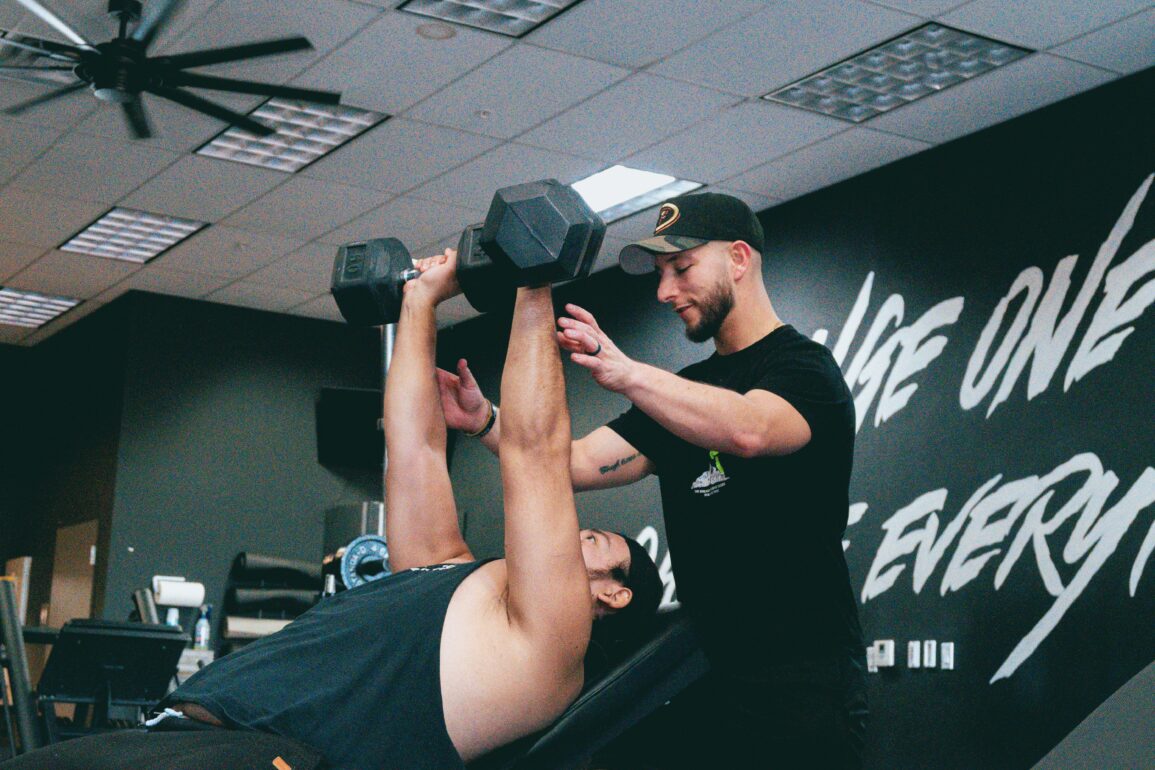
Making progress at the gym is exciting. During the first few weeks of a new workout routine, you may notice improvements in strength, endurance, muscle definition, and overall fitness. Exercises that once felt difficult gradually become easier, and you start feeling more confident with your training.
However, there often comes a point when progress begins to slow down or stops completely. You continue following your workout routine, lifting weights, performing cardio, and maintaining your fitness habits, but the results no longer seem to change.
This frustrating stage is commonly known as a gym plateau.
A gym plateau occurs when your body stops responding to your current training routine with noticeable improvements. You might struggle to increase your lifting weights, experience little muscle growth, stop improving your endurance, or notice that your body composition has remained unchanged for several weeks.
Although hitting a plateau can feel discouraging, it does not mean that your fitness journey has reached its limit. In most cases, it simply means your current approach needs adjustment.
Learning how to break through a gym plateau requires understanding how your body adapts to exercise, identifying mistakes in your routine, and introducing new strategies that encourage continued progress.
The good news is that you do not necessarily need a completely different workout program. Small, intelligent changes in training intensity, exercise selection, nutrition, recovery, and consistency can help you restart your progress.
In this comprehensive guide, we will explore the reasons behind gym plateaus and discuss practical ways to overcome them while supporting long-term fitness, strength, and muscle development.
1. Understanding What a Gym Plateau Really Means
Before learning how to break through a gym plateau, it is important to understand what happens when your progress slows down.
Your body is highly adaptable. When you begin exercising regularly, your muscles, nervous system, cardiovascular system, and metabolism gradually adjust to the physical demands placed on them.
Initially, even small amounts of exercise can produce noticeable improvements because your body is responding to a new stimulus.
For example:
- You may increase your bench press strength.
- Your running endurance may improve.
- Your muscles may become more developed.
- Your recovery between workouts may become faster.
- Your overall exercise performance may increase.
Over time, however, the same training routine may become less challenging.
When your body becomes comfortable with a particular workout, it may no longer receive enough new stimulus to produce significant adaptations.
This is one of the most common reasons people experience a gym plateau.
Common Signs of a Gym Plateau
Recognizing the warning signs can help you make adjustments before frustration affects your motivation.
Some common indicators include:
- Strength stops increasing: You repeatedly lift the same weights without noticeable improvement.
- Muscle growth slows: Your measurements and muscle development remain relatively unchanged.
- Workout performance declines: Exercises feel unusually difficult despite following the same routine.
- Endurance stops improving: You struggle to increase your running distance, speed, or cardio duration.
- Motivation decreases: Repeating the same exercises begins to feel mentally exhausting.
- Recovery becomes difficult: You experience persistent soreness or fatigue.
- Body composition remains unchanged: Your weight, measurements, or visual progress remain stable despite consistent habits.
It is important to remember that daily performance naturally fluctuates. One difficult workout does not automatically indicate a plateau.
Look at your progress across several weeks rather than judging your results from individual sessions.
2. Identify the Real Reason Behind Your Gym Plateau
One of the biggest mistakes people make is changing their entire workout routine without identifying why progress has stopped.
A plateau can have several causes, and understanding the underlying problem helps you choose the right solution.
Lack of Progressive Overload
Progressive overload is one of the most important principles of strength and muscle development.
It involves gradually increasing the demands placed on your muscles so they have a reason to adapt.
If you continue performing the same exercises with identical weights, repetitions, and sets for months, your body may eventually become accustomed to the routine.
Poor Recovery
Exercise creates a training stimulus, but recovery allows your body to adapt to that stimulus.
Insufficient sleep, inadequate nutrition, excessive training volume, and insufficient rest days can interfere with recovery.
Repetitive Training
Performing the same exercises in the same order with the same intensity can eventually limit your progress.
Although consistency is essential, your routine should also evolve as your fitness improves.
Inadequate Nutrition
Your muscles require sufficient energy, protein, carbohydrates, fats, vitamins, and minerals to support exercise performance and recovery.
If your diet does not meet your body’s requirements, progress may become difficult.
Unrealistic Expectations
Muscle growth and strength development are not always linear.
Beginners often experience rapid improvements, while experienced lifters may need more time to achieve smaller performance gains.
Understanding these factors is the first step toward discovering how to break through a gym plateau effectively.
3. Apply Progressive Overload to Restart Progress
If there is one training principle that deserves special attention, it is progressive overload.
Progressive overload encourages your body to adapt by gradually increasing the challenge of your workouts.
However, increasing weight is not the only way to apply this principle.
You can introduce progressive overload through several methods.
Increase the Weight Gradually
If you can comfortably perform your target repetitions with proper technique, consider increasing the resistance slightly.
For example:
- Week 1: Bench press – 40 kg for 8 repetitions.
- Week 2: Bench press – 40 kg for 9 repetitions.
- Week 3: Bench press – 40 kg for 10 repetitions.
- Week 4: Bench press – 42.5 kg for 8 repetitions.
This approach allows you to improve performance without making unnecessarily large jumps.
Increase Repetitions
If increasing weight is difficult, try performing additional repetitions with the same resistance.
For example, if you currently perform three sets of eight repetitions, gradually work toward three sets of ten.
Once you reach the upper end of your target repetition range with good technique, increase the weight slightly.
Increase Training Volume Carefully
Training volume generally refers to the amount of work performed during your workouts.
You can increase it by adding a set to selected exercises or including an additional exercise when appropriate.
However, more volume is not automatically better.
Excessive training volume can increase fatigue and interfere with recovery.
Improve Exercise Technique
Sometimes progress comes from performing an exercise more effectively rather than lifting heavier weights.
Focus on:
- Controlled movement.
- Consistent range of motion.
- Stable body positioning.
- Proper breathing.
- Appropriate muscle engagement.
Better technique can improve training quality and reduce unnecessary injury risk.
Key takeaway: Progressive overload should be gradual, measurable, and appropriate for your recovery capacity.
read full article: What Your Body Needs After Training: The Complete Guide to Post-Workout Recovery
4. Change Your Workout Routine Strategically
Repeating the same workout routine for an extended period may contribute to a plateau.
Your body adapts to repeated training demands, so introducing carefully selected variations can help provide a fresh stimulus.
However, changing every exercise every week is not a good strategy.
You need enough consistency to measure progress.
Change Your Exercise Variations
Consider introducing alternative exercises that target similar muscle groups.
For example:
| Current Exercise | Alternative Exercise |
|---|---|
| Barbell bench press | Dumbbell bench press |
| Back squat | Front squat |
| Conventional deadlift | Romanian deadlift |
| Barbell row | Chest-supported row |
| Standard shoulder press | Dumbbell shoulder press |
| Lat pulldown | Assisted pull-up |
These alternatives can introduce different movement demands and help address weaknesses.
Adjust Your Workout Structure
If you have been following a body-part split for several months, you might benefit from trying an upper-body/lower-body routine or a full-body training structure.
The best approach depends on your schedule, training experience, goals, and recovery capacity.
Avoid Constant Program Switching
A workout routine needs enough time to produce measurable results.
Rather than changing everything immediately, make targeted adjustments and evaluate your performance over several weeks.
5. Improve Your Training Intensity
Training intensity is another important factor when learning how to break through a gym plateau.
Some people perform their workouts without creating enough challenge to encourage continued adaptation.
Others train too intensely during every session, leaving insufficient energy for recovery.
Finding the right balance is essential.
Understand Repetitions in Reserve
Repetitions in reserve, commonly called RIR, refers to how many additional repetitions you believe you could perform before reaching muscular failure.
For example:
- 4 RIR: You could perform approximately four more repetitions.
- 2 RIR: You could perform approximately two more repetitions.
- 1 RIR: You could perform approximately one more repetition.
- 0 RIR: You cannot complete another repetition with proper technique.
Many muscle-building sets can be performed relatively close to muscular failure without requiring every set to reach complete failure.
For most people, training with approximately one to three repetitions in reserve on suitable exercises provides a useful balance between stimulus and fatigue.
Focus on Quality Repetitions
Avoid sacrificing technique to lift heavier weights.
Poorly controlled repetitions can shift the workload away from the intended muscles and increase unnecessary stress.
Instead, focus on controlled execution and consistent technique.
Use Intensity Techniques Selectively
Advanced techniques include:
- Drop sets.
- Supersets.
- Rest-pause training.
- Tempo training.
- Mechanical drop sets.
These methods can make workouts more challenging, but they are not essential for breaking a plateau.
Use them selectively rather than adding every technique to every workout.
6. Give Your Muscles Enough Recovery Time
One of the most overlooked reasons for a gym plateau is inadequate recovery.
Many gym enthusiasts believe that more training automatically produces better results.
However, your muscles need sufficient time and resources to recover from demanding workouts.
During recovery, your body repairs exercise-related tissue damage, replenishes energy stores, and adapts to training demands.
Without adequate recovery, your performance may gradually decline.
Schedule Rest Days
Rest days are an important part of an effective training program.
Depending on your workout intensity and experience, you may benefit from one or more rest or low-intensity activity days each week.
Rest does not necessarily mean remaining inactive.
Walking, gentle stretching, and comfortable mobility exercises can support general movement without creating excessive fatigue.
Avoid Training the Same Muscles Too Frequently
Training frequency should reflect your workout volume and recovery capacity.
For example, if you perform an intense chest workout on Monday, your next demanding chest session should allow enough recovery time.
Many training programs distribute muscle-group training across the week to balance stimulus and recovery.
Consider a Deload Week
A deload is a planned period of reduced training stress.
During a deload, you might:
- Reduce the weight you lift.
- Perform fewer working sets.
- Avoid training close to failure.
- Focus on movement quality.
- Prioritize sleep and nutrition.
A deload can be useful when accumulated fatigue interferes with performance.
It is not mandatory every few weeks. Its timing should depend on your training demands and recovery.
7. Prioritize Protein for Muscle Recovery and Growth
Nutrition plays a major role in muscle development and workout performance.
If you are training consistently but not consuming enough protein, your muscles may not receive the nutritional support needed for optimal adaptation.
Protein provides amino acids that help repair and build muscle tissue.
How Much Protein Do You Need?
For many healthy adults who regularly perform resistance training, approximately 1.4–2.0 grams of protein per kilogram of body weight per day is a useful evidence-based range.
For example:
A person weighing 70 kg may aim for approximately 98–140 grams of protein daily.
Individual requirements vary depending on training goals, dietary intake, body composition, and health circumstances.
Include Different Protein Sources
You do not need to depend on a single food to meet your protein requirements.
Useful options include:
Animal-based protein:
- Eggs.
- Chicken.
- Fish.
- Milk.
- Greek yogurt.
- Cottage cheese.
Plant-based protein:
- Lentils.
- Chickpeas.
- Kidney beans.
- Soybeans.
- Tofu.
- Tempeh.
- Peanuts.
Combining different plant-based protein sources throughout the day can help provide a broad range of essential amino acids.
Distribute Protein Throughout the Day
Instead of consuming almost all your protein in one meal, distribute it across several meals.
For example:
- Breakfast: Eggs and milk.
- Lunch: Lentils, rice, and yogurt.
- Evening: Greek yogurt or roasted chickpeas.
- Dinner: Chicken, tofu, or paneer with vegetables.
Consistent protein intake supports your overall muscle-building strategy.
8. Eat Enough Calories to Support Your Fitness Goals
Your calorie intake influences energy availability, workout performance, and body composition.
If you consistently consume fewer calories than your body requires, you may experience reduced training performance and slower muscle development.
Understand Your Calorie Requirements
Your calorie requirements depend on:
- Age.
- Body weight.
- Height.
- Daily activity.
- Exercise frequency.
- Fitness goals.
If your primary goal is muscle growth, a modest calorie surplus may support progress.
If your goal is fat loss, a moderate calorie deficit may be more appropriate.
Avoid Extreme Dieting
Very restrictive diets can make it difficult to maintain training intensity and recover properly.
You may experience:
- Reduced workout energy.
- Increased hunger.
- Poor recovery.
- Lower training performance.
- Difficulty maintaining muscle mass.
A sustainable nutrition plan is generally more useful than an aggressive short-term diet.
Monitor Your Results
Track your body weight, waist measurements, gym performance, and energy levels.
Remember that body weight naturally fluctuates because of water retention, glycogen storage, digestion, and other factors.
Evaluate trends over time rather than reacting to individual measurements.
9. Do Not Ignore Carbohydrates
Carbohydrates are an important energy source, particularly during demanding strength and endurance training.
When carbohydrate intake is insufficient for your activity level, you may notice reduced energy during workouts.
Choose Nutritious Carbohydrate Sources
Consider including:
- Oats.
- Brown rice.
- Whole-wheat roti.
- Bananas.
- Potatoes.
- Sweet potatoes.
- Fruits.
- Whole grains.
These foods provide energy and, depending on the source, additional fiber, vitamins, and minerals.
Eat Around Your Training Schedule
A balanced meal containing carbohydrates and protein before training can support exercise performance.
After training, a meal containing both nutrients helps replenish energy stores and supports recovery.
You do not need an expensive supplement or a complicated meal-timing strategy.
Consistent daily nutrition matters more than perfect timing.
10. Improve Your Sleep Quality
Sleep is one of the most powerful recovery tools available to anyone who trains regularly.
During sleep, your body performs important physiological processes involved in tissue repair, hormonal regulation, immune function, and memory.
Insufficient sleep can negatively affect workout performance, motivation, concentration, and recovery.
Aim for Seven to Nine Hours
Most adults should aim for at least seven hours of sleep per night, with many benefiting from seven to nine hours.
Your individual requirements may vary.
Build a Consistent Sleep Routine
Try these habits:
- Go to bed at a consistent time.
- Wake up at approximately the same time daily.
- Reduce excessive screen exposure before bedtime.
- Keep your bedroom comfortable and quiet.
- Avoid large meals immediately before sleeping if they disturb your rest.
- Limit caffeine later in the day.
Recognize the Impact of Poor Sleep
If your workouts repeatedly feel harder than usual, your recovery is declining, or your motivation has disappeared, evaluate your sleep habits.
Sometimes the most effective way to restart progress is to improve recovery rather than increase workout intensity.
11. Use Periodization to Keep Your Training Effective
Periodization involves organizing training into different phases with planned changes in intensity, volume, and exercise demands.
Instead of following the same workout structure indefinitely, you create a progression strategy.
What Are Training Phases?
A simple training structure may include:
Phase 1: Foundation
Focus on exercise technique, movement quality, and building a consistent routine.
Phase 2: Hypertrophy
Emphasize muscle development through appropriate training volume and resistance.
Phase 3: Strength
Use heavier loads and lower repetition ranges where appropriate, while maintaining proper technique.
Phase 4: Recovery
Reduce accumulated training fatigue and prepare for the next phase.
These phases can be adjusted according to your fitness goals.
Why Periodization Helps
Periodization provides structure to your training.
It helps you:
- Organize progressive overload.
- Manage workout fatigue.
- Avoid unnecessary training repetition.
- Track performance.
- Balance different fitness qualities.
A planned training program can be particularly useful for intermediate and advanced gym-goers.
12. Strengthen Weak Muscle Groups
Sometimes your progress slows because one muscle group or movement pattern is weaker than the others.
For example, your bench press might stop improving because your triceps or upper back strength is limiting performance.
Similarly, squat progression may be affected by weaknesses in your quadriceps, glutes, core, or mobility.
Identify Your Weak Points
Review your major exercises.
Ask yourself:
- Which exercises consistently feel difficult?
- Where does my technique break down?
- Which muscle groups receive insufficient attention?
- Am I neglecting unilateral exercises?
- Do I have movement limitations?
Include Supporting Exercises
If your goal is improving the bench press, useful supporting movements may include:
- Triceps extensions.
- Dumbbell presses.
- Chest-supported rows.
- Push-ups.
For squat development, consider:
- Split squats.
- Leg presses.
- Romanian deadlifts.
- Core-strengthening exercises.
Supporting exercises should complement your main training rather than create excessive fatigue.
13. Improve Mobility and Exercise Technique
Mobility limitations can affect how effectively you perform certain movements.
For example, limited ankle mobility may affect squat depth, while restricted shoulder mobility may make some pressing movements uncomfortable.
Improving movement quality can help you train more effectively.
Add Mobility Work
Consider including:
- Hip mobility drills.
- Ankle mobility exercises.
- Thoracic spine rotations.
- Shoulder mobility movements.
- Dynamic warm-ups.
Warm Up Before Training
A good warm-up prepares your body for the upcoming workout.
Start with a few minutes of light activity, followed by dynamic movements related to your planned exercises.
Before heavy lifts, perform progressively heavier warm-up sets.
Avoid turning your warm-up into an exhausting workout.
Focus on Proper Technique
Do not chase heavier weights at the expense of safe movement.
If an exercise consistently causes pain, stop or modify it and consider consulting a qualified fitness professional or healthcare provider.
14. Combine Strength Training With Cardiovascular Exercise
Strength training is essential for developing muscular strength, but cardiovascular exercise also contributes to overall fitness.
Combining resistance training with cardio can improve cardiovascular endurance, work capacity, and general health.
Choose Suitable Cardio Activities
You can include:
- Walking.
- Cycling.
- Swimming.
- Jogging.
- Rowing.
- Stair climbing.
Avoid Excessive Cardio
If muscle growth and strength are your primary goals, excessive endurance training may interfere with recovery, particularly when combined with high resistance-training demands and inadequate nutrition.
This does not mean you should avoid cardio.
Instead, adjust its volume and intensity according to your goals.
Use Low-Intensity Cardio
Walking and comfortable cycling can be useful ways to increase physical activity without placing excessive demands on your recovery.
A balanced fitness routine should support both strength and cardiovascular health.
15. Track Your Workout Performance
One of the easiest ways to understand a gym plateau is to maintain a workout log.
Without tracking, it becomes difficult to know whether your training performance is improving.
What Should You Track?
Record:
- Exercise names.
- Weight lifted.
- Number of sets.
- Repetitions completed.
- Rest periods.
- Perceived difficulty.
- Workout duration.
You can also track body measurements and general recovery.
Example of a Workout Progression Log
| Week | Bench Press | Squat | Lat Pulldown |
|---|---|---|---|
| Week 1 | 40 kg × 8 | 50 kg × 8 | 35 kg × 10 |
| Week 2 | 40 kg × 9 | 50 kg × 9 | 35 kg × 11 |
| Week 3 | 40 kg × 10 | 55 kg × 8 | 40 kg × 10 |
| Week 4 | 42.5 kg × 8 | 55 kg × 9 | 40 kg × 11 |
Illustrative example only. Adjust weights and repetitions to your ability.
A workout log helps you identify patterns, recognize improvements, and make informed changes.
It also prevents you from increasing training intensity without a clear reason.
16. Set Realistic Fitness Goals
Unrealistic expectations can make normal training fluctuations feel like failure.
Many people expect to increase their strength or muscle size every week.
However, progress becomes less predictable as training experience increases.
Use SMART Fitness Goals
SMART goals are:
- Specific.
- Measurable.
- Achievable.
- Relevant.
- Time-bound.
For example, instead of saying, “I want to become stronger,” create a goal such as:
“I want to improve my squat from 60 kg to 65 kg while maintaining proper technique over the next eight weeks.”
This provides a clear direction.
Focus on More Than Appearance
Fitness progress includes several factors:
- Improved strength.
- Better endurance.
- Increased mobility.
- Improved exercise technique.
- Better workout consistency.
- Greater confidence.
- Improved everyday physical ability.
Even if your appearance changes slowly, improvements in performance can indicate meaningful progress.
17. Use Exercise Variation Without Losing Consistency
Exercise variation can help make training more interesting and expose your muscles to different movement patterns.
However, too much variation can make it difficult to measure progress.
A balanced strategy involves keeping your main exercises relatively consistent while occasionally changing supporting exercises.
For example:
Chest workout:
- Barbell bench press.
- Incline dumbbell press.
- Cable fly.
- Push-ups.
After several training weeks, you may replace cable flyes with another suitable chest exercise while keeping the main bench press movement.
This gives you variety without losing the ability to measure performance.
18. Manage Stress Outside the Gym
Your fitness progress is influenced by more than what happens during exercise.
Work pressure, poor sleep, emotional stress, and insufficient recovery can affect your ability to train consistently.
When stress remains high, maintaining workout intensity and recovering effectively may become more difficult.
Build Healthy Stress-Management Habits
Try incorporating:
- Daily walking.
- Relaxation exercises.
- Meditation.
- Breathing exercises.
- Time outdoors.
- Consistent sleep.
- Enjoyable recreational activities.
Avoid Treating Every Workout as a Competition
Your body does not need maximum intensity every day.
Some sessions should focus on technique, controlled movement, and manageable effort.
Learning when to push and when to recover is an important part of sustainable fitness.
19. Avoid Common Mistakes That Make Gym Plateaus Worse
When people become frustrated with slow progress, they sometimes make unnecessary changes that create additional problems.
Understanding these mistakes can help you avoid them.
Mistake 1: Increasing Weight Too Quickly
Lifting heavier weights without sufficient preparation can compromise technique.
Increase resistance gradually.
Mistake 2: Training Every Set to Failure
Constantly reaching muscular failure can create excessive fatigue.
Use challenging but manageable training intensities.
Mistake 3: Ignoring Nutrition
You cannot expect optimal performance if your diet consistently fails to provide enough energy and nutrients.
Mistake 4: Skipping Rest Days
Training more frequently does not automatically produce better results.
Recovery is part of training.
Mistake 5: Changing Exercises Too Often
Constantly switching exercises makes it difficult to measure improvements.
Maintain a structured program.
Mistake 6: Comparing Yourself With Others
Every individual has different genetics, training experience, lifestyle demands, and recovery capacity.
Focus on your own performance.
Mistake 7: Expecting Immediate Results
Muscle development and strength improvements take time.
Consistency is more valuable than short-term enthusiasm.
20. A Practical Weekly Workout Structure to Restart Progress
If you are struggling with a gym plateau, a structured weekly routine can help organize training and recovery.
Below is an example of a balanced five-day resistance-training schedule.
Monday: Upper Body Strength
- Bench press: 3 sets × 6–8 repetitions.
- Lat pulldown: 3 sets × 8–10 repetitions.
- Dumbbell shoulder press: 3 sets × 8–10 repetitions.
- Seated cable row: 3 sets × 10 repetitions.
- Triceps pushdown: 2 sets × 12 repetitions.
- Dumbbell curls: 2 sets × 12 repetitions.
Tuesday: Lower Body Strength
- Squats: 3 sets × 6–8 repetitions.
- Romanian deadlifts: 3 sets × 8–10 repetitions.
- Leg press: 3 sets × 10 repetitions.
- Leg curls: 2 sets × 12 repetitions.
- Calf raises: 3 sets × 12–15 repetitions.
- Plank: 3 sets.
Wednesday: Active Recovery
- 20–30 minutes of comfortable walking.
- Gentle stretching.
- Mobility exercises.
- Recovery-focused activities.
Thursday: Upper Body Hypertrophy
- Incline dumbbell press: 3 sets × 10 repetitions.
- Chest-supported row: 3 sets × 10 repetitions.
- Lateral raises: 3 sets × 12 repetitions.
- Cable fly: 2 sets × 12 repetitions.
- Biceps curls: 3 sets × 10–12 repetitions.
- Triceps extensions: 3 sets × 10–12 repetitions.
Friday: Lower Body and Core
- Goblet squats: 3 sets × 10 repetitions.
- Hip thrusts: 3 sets × 10 repetitions.
- Walking lunges: 2 sets × 10 repetitions per leg.
- Leg curls: 3 sets × 12 repetitions.
- Hanging knee raises: 3 sets.
- Side plank: 2 sets per side.
Saturday: Optional Cardiovascular Training
– 20–30 minutes of moderate cycling, walking, swimming, or another suitable activity.
Sunday: Complete Rest
Prioritize sleep, nutrition, hydration, and recovery.
This is an illustrative intermediate-style routine, not a universal prescription. Adjust training volume, exercise selection, and frequency to your experience and recovery needs. Beginners may benefit from a simpler three-day full-body program.
21. How to Break Through a Gym Plateau in Different Fitness Goals
Not every plateau requires the same solution.
Your strategy should depend on the type of progress you want to achieve.
Breaking Through a Muscle-Building Plateau
If your primary goal is hypertrophy, focus on:
- Sufficient weekly training volume.
- Progressive overload.
- Appropriate protein intake.
- Adequate calories.
- Consistent sleep.
- Effective exercise technique.
Make sure you train each major muscle group with an appropriate combination of exercises and resistance.
Breaking Through a Strength Plateau
If your goal is increasing maximum strength, consider:
- Practicing your main lifts regularly.
- Using appropriate heavier training sets.
- Improving movement technique.
- Strengthening weak points.
- Managing fatigue.
- Following a structured progression plan.
Strength development requires patience and careful programming.
Breaking Through a Fat-Loss Plateau
If your goal is losing body fat, examine your overall energy balance.
Consider:
- Tracking food intake accurately for a limited period.
- Reviewing portion sizes.
- Increasing daily walking.
- Maintaining resistance training.
- Consuming sufficient protein.
- Monitoring weekly weight trends.
Remember that water retention and changes in body composition can temporarily hide progress on the weighing scale.
Breaking Through an Endurance Plateau
If your cardiovascular performance has stopped improving, consider:
- Gradually increasing training duration.
- Improving pacing.
- Adding carefully planned intervals.
- Maintaining sufficient recovery.
- Including appropriate strength training.
Avoid increasing intensity and duration simultaneously without considering your current fitness level.
22. The Importance of Hydration for Workout Performance
Water supports numerous physiological functions, including temperature regulation, circulation, and normal muscle function.
Inadequate hydration can negatively affect exercise performance, especially during demanding workouts or hot weather.
How to Stay Hydrated
- Drink water regularly throughout the day.
- Drink before training.
- Take water breaks during longer sessions.
- Replace fluids after exercise.
- Pay attention to thirst and sweat losses.
For prolonged exercise in hot conditions, electrolyte replacement may sometimes be useful.
However, most ordinary gym sessions do not require expensive sports drinks.
23. Supplements: Are They Necessary to Break a Plateau?
Supplements can support certain fitness goals, but they are not a replacement for proper training, nutrition, and recovery.
Many people assume that a plateau can be solved by purchasing a new pre-workout, protein powder, or muscle-building supplement.
This is rarely the first step to take.
Protein Powder
Protein powder can be a convenient way to increase daily protein intake if your regular diet does not provide enough.
It is not essential if you already consume sufficient protein through food.
Creatine Monohydrate
Creatine monohydrate is one of the most researched sports supplements.
It can improve performance in repeated high-intensity activities and support strength and muscle development when combined with resistance training.
Healthy adults who choose to use it commonly take 3–5 grams daily.
People with medical conditions, kidney concerns, or relevant medication use should seek professional advice before supplementation.
Caffeine
Caffeine may temporarily improve alertness and exercise performance.
However, excessive intake can cause unwanted effects and interfere with sleep.
Avoid using stimulants to compensate for inadequate recovery.
Important: Supplements are optional. Establish a consistent workout routine and balanced diet before considering them.
24. How Long Does It Take to Break Through a Gym Plateau?
There is no universal timeline for overcoming a gym plateau.
Some people notice improvements within a few weeks after correcting training mistakes.
Others require longer periods of adjustment.
The timeline depends on several factors:
- Training experience.
- Nutrition quality.
- Sleep duration.
- Recovery capacity.
- Exercise selection.
- Previous workout volume.
- Fitness goals.
- Consistency.
A beginner may experience relatively quick improvements after starting a structured program.
An experienced lifter may need several weeks or months to achieve a meaningful increase in strength.
The most important thing is to identify the limiting factor and make appropriate changes.
Avoid changing multiple variables simultaneously unless necessary. Otherwise, it becomes difficult to understand which adjustment is responsible for the improvement.
25. A 30-Day Strategy to Restart Your Gym Progress
If your workouts have felt repetitive and your progress has slowed, a simple 30-day reset can help you reorganize your fitness routine.
The objective is not to train harder every day. It is to train more intelligently.
Week 1: Evaluate Your Current Training
- Record your current workout routine.
- Review your lifting weights and repetitions.
- Identify exercises where progress has stopped.
- Evaluate your sleep and nutrition.
- Check whether you are recovering between workouts.
Week 2: Improve Your Training Structure
- Introduce a progressive overload strategy.
- Correct exercise technique.
- Adjust unnecessary training volume.
- Add suitable supporting exercises.
- Schedule sufficient recovery.
Week 3: Improve Nutrition and Recovery
- Review daily protein intake.
- Consume sufficient carbohydrates.
- Maintain appropriate hydration.
- Aim for 7–9 hours of sleep.
- Include active recovery where appropriate.
Week 4: Measure and Adjust
- Compare workout performance.
- Review exercise progression.
- Evaluate energy and recovery.
- Track body measurements if relevant.
- Make small adjustments for the next training phase.
After 30 days, evaluate your results and decide which strategies should remain part of your long-term routine.
Remember that a 30-day reset is a starting point, not a guarantee that every plateau will disappear within a month.
26. The Role of Consistency in Long-Term Fitness Progress
Consistency is one of the most important factors in achieving lasting fitness improvements.
You do not need to perform perfect workouts every day.
You need a sustainable routine that you can maintain over time.
Some workouts will feel excellent, while others may feel challenging because of sleep, stress, nutrition, or other lifestyle factors.
The goal is to remain committed without ignoring your body’s recovery needs.
Build Habits Instead of Depending on Motivation
Motivation naturally fluctuates.
Developing regular habits makes it easier to maintain your training schedule even when enthusiasm decreases.
Try to:
- Follow a realistic weekly workout schedule.
- Prepare meals in advance.
- Keep a workout log.
- Establish consistent sleep habits.
- Set achievable goals.
- Celebrate small improvements.
Focus on Long-Term Development
Fitness is not a short-term competition.
Your objective should be to become stronger, healthier, and more physically capable over time.
A sustainable routine is more valuable than an aggressive workout program that you cannot maintain.
27. When Should You Consider Professional Guidance?
Sometimes a plateau is related to issues that require more than a simple workout adjustment.
If you experience persistent fatigue, unusual weakness, unexplained performance decline, recurring injuries, or pain, consider consulting an appropriate healthcare professional.
A qualified strength and conditioning coach or personal trainer can also assess your exercise technique, programming, and training progression.
Professional guidance may help you identify problems that are difficult to recognize independently.
If you have an underlying medical condition, your exercise and nutrition plan should be adapted to your individual needs.
Conclusion: Keep Moving Forward and Make Every Workout Count
Hitting a gym plateau can be frustrating, particularly when you have invested time and effort into your fitness journey.
However, a plateau does not mean that your body has stopped responding to exercise permanently.
It often indicates that your current training strategy needs to evolve.
Learning how to break through a gym plateau involves understanding progressive overload, improving workout intensity, managing recovery, eating sufficient nutrients, prioritizing sleep, and tracking your performance.
Instead of constantly changing your workout routine or lifting heavier weights without a plan, focus on identifying the specific factors limiting your progress.
Introduce gradual improvements, maintain proper exercise technique, and give your body enough time to adapt.
Remember that fitness progress is not always visible every week. Improvements in strength, endurance, movement quality, and recovery are also meaningful signs of development.
The most successful gym enthusiasts are not necessarily those who train the hardest every day. They are the people who understand how to balance effort, consistency, nutrition, and recovery.
Stay patient, follow a structured plan, and continue challenging yourself intelligently.
Your next fitness breakthrough may come from training smarter rather than simply training harder.
Frequently Asked Questions (FAQs)
1. What is the fastest way to break through a gym plateau?
The most effective starting point is identifying why your progress has slowed. Review your progressive overload, workout structure, nutrition, sleep, and recovery. Make targeted changes instead of randomly increasing workout intensity.
2. Why am I not gaining muscle despite working out regularly?
Common reasons include insufficient protein, inadequate calorie intake, poor recovery, inconsistent progressive overload, and inappropriate training volume. Review your complete training and nutrition routine.
3. Should I change my workout routine if I hit a plateau?
Not necessarily. You may only need to adjust your repetitions, resistance, training volume, exercise technique, or recovery schedule. Change exercises strategically when there is a clear reason.
4. Can overtraining cause a gym plateau?
Yes. Excessive training combined with insufficient recovery can contribute to fatigue, reduced performance, and difficulty progressing. Adjust your workload and prioritize adequate recovery.
5. How important is sleep for muscle growth?
Sleep supports recovery, muscle adaptation, and normal physiological function. Most adults should aim for at least seven hours of sleep each night.
6. Does progressive overload really help break a gym plateau?
Yes. Progressive overload helps your muscles adapt to gradually increasing training demands. You can apply it by increasing resistance, repetitions, sets, or improving exercise execution.
7. Should I take supplements to overcome a gym plateau?
Supplements are not necessary for everyone. Focus first on balanced nutrition, sufficient protein, appropriate training, and recovery. Certain supplements, such as creatine monohydrate, may offer additional benefits.
8. Can cardio help overcome a gym plateau?
Cardio can improve cardiovascular fitness and work capacity. It may also support fat-loss goals. However, balance cardio with resistance training and adequate recovery.
9. How often should I increase my lifting weights?
Increase weights when you can complete your planned repetitions with proper technique and sufficient control. The timing depends on your experience, exercise, and training program.
10. Is taking a break from the gym helpful during a plateau?
A short period of reduced training or a planned deload may help if accumulated fatigue is affecting your performance. Complete rest may be appropriate when you are ill or injured.