


Your immune system works every day to protect your body from environmental challenges, infections, stress, and other health threats. Yet immunity is not something that can be strengthened through a single food, supplement, herb, or quick remedy. It is influenced by sleep, nutrition, physical activity, stress, digestion, hygiene, environment, and overall lifestyle.
Ayurveda offers a traditional framework for supporting health by encouraging balance between the body, mind, environment, daily routine, and seasonal changes. Instead of following exactly the same wellness routine throughout the year, Ayurveda emphasizes adapting food and lifestyle habits according to seasonal conditions.
This Ayurvedic immunity boosting guide explores practical ways to support your body’s natural defenses throughout the year. It combines traditional Ayurvedic concepts with sensible modern wellness practices, helping you create a sustainable seasonal routine rather than relying on extreme detoxes or miracle remedies.
Whether you want to improve your daily wellness, support healthy digestion, maintain energy, or build better seasonal habits, the principles in this Ayurvedic immunity boosting guide can provide a useful foundation.
Important note: Ayurvedic herbs and traditional practices should not be viewed as replacements for vaccination, medical treatment, prescribed medicines, nutritious food, adequate sleep, or professional healthcare. If you have a medical condition, take medication, are pregnant or breastfeeding, or plan to use concentrated herbal products, consult an appropriately qualified healthcare professional.
What Is Immunity According to Ayurveda?
Ayurveda traditionally describes the body’s resilience using concepts such as Ojas, which is associated with vitality, strength, nourishment, and resistance to physical and mental stress.
In Ayurvedic philosophy, overall wellbeing depends on maintaining balance among several interconnected systems and processes. Digestion, nutrition, sleep, emotional wellbeing, activity, and daily routine are not treated as completely separate areas.
This holistic perspective is particularly relevant when thinking about immunity.
Instead of asking:
“Which herb can boost my immunity?”
an Ayurvedic approach encourages questions such as:
- Am I sleeping sufficiently?
- Is my diet nourishing and balanced?
- Is my digestion comfortable?
- Am I exercising appropriately?
- Am I managing chronic stress?
- Am I maintaining good hygiene?
- Am I adapting my lifestyle to the season?
- Am I giving my body enough time to recover?
This broader perspective is one of the most useful lessons in an Ayurvedic immunity boosting guide.
Why Seasonal Changes Matter
The human body constantly interacts with its environment. Temperature, humidity, daylight, food availability, activity levels, sleep patterns, and exposure to environmental irritants can all change throughout the year.
Ayurveda traditionally divides the year into seasonal periods and recommends adjusting lifestyle and diet accordingly.
For example:
- Hot weather may increase the need for hydration and lighter foods.
- Cold weather may make warming, nourishing meals more appealing.
- Humid weather may require greater attention to food hygiene and digestion.
- Transitional periods can be useful times to simplify routines and prioritize sleep.
The goal is not to dramatically change your lifestyle every few weeks.
Instead, the goal is to make small adjustments that help your body respond comfortably to changing conditions.
That is the foundation of an effective Ayurvedic immunity boosting guide.
The Five Foundations of Ayurvedic Immune Wellness
Before discussing individual seasons, it is important to understand the foundations that remain relevant throughout the year.
1. Nourishing Nutrition
A healthy diet provides the energy and nutrients required for normal physiological functions.
An Ayurvedic-inspired diet generally emphasizes fresh, appropriately prepared foods rather than relying heavily on highly processed meals.
Your everyday plate can include:
- Vegetables
- Seasonal fruits
- Whole grains
- Legumes
- Nuts and seeds
- Appropriate sources of protein
- Healthy fats
- Herbs and spices
- Adequate fluids
Eating a wide variety of foods is more useful than obsessing over one “superfood.”
Foods such as citrus fruits, berries, leafy vegetables, carrots, pumpkin, beans, lentils, nuts, seeds, and whole grains can contribute valuable nutrients to a balanced diet.
2. Healthy Digestion
Ayurveda places significant importance on digestion.
Traditional Ayurvedic terminology uses the word Agni to describe digestive fire and metabolic processes. While this concept does not directly correspond to a single modern physiological mechanism, the broader lifestyle message has practical value: eating regularly, choosing nutritious foods, avoiding excessive overeating, and paying attention to digestive comfort can support overall wellbeing.
Useful habits include:
- Eating slowly
- Chewing food thoroughly
- Avoiding frequent overeating
- Choosing foods that agree with you
- Maintaining regular meal patterns
- Limiting excessive ultra-processed foods
- Staying adequately hydrated
- Getting regular physical activity
A healthy digestive routine should be viewed as part of overall wellness rather than as a magical immunity treatment.
3. Quality Sleep
Sleep is one of the most important foundations of immune health.
During sleep, the body performs numerous restorative functions. Consistently inadequate sleep can negatively affect immune function, mood, metabolism, concentration, and physical performance.
A practical Ayurvedic-inspired sleep routine can include:
- Going to bed at a consistent time
- Reducing bright screens before bedtime
- Keeping the bedroom comfortable and dark
- Avoiding heavy meals immediately before sleep
- Practicing relaxation techniques
- Avoiding excessive caffeine late in the day
A beautiful morning routine cannot compensate for chronically poor sleep.
That is why every effective Ayurvedic immunity boosting guide should treat sleep as a priority rather than an optional wellness habit.
4. Appropriate Exercise
Movement supports cardiovascular health, metabolic health, strength, mood, and overall resilience.
Ayurveda traditionally emphasizes exercising according to individual capacity rather than constantly pushing the body to exhaustion.
Modern wellness principles support a similar idea.
Your routine can include:
- Walking
- Strength training
- Yoga
- Cycling
- Swimming
- Mobility exercises
- Recreational sports
- Breathing and relaxation practices
The best exercise routine is one that you can perform consistently without creating excessive fatigue or injury.
5. Stress Management
Chronic psychological stress can affect sleep, appetite, energy, mood, and many physiological processes.
Ayurvedic wellness traditions include practices intended to encourage calmness and mental balance.
Modern versions can include:
- Meditation
- Deep breathing
- Yoga
- Time outdoors
- Journaling
- Social connection
- Mindful eating
- Digital breaks
- Relaxing evening routines
Supporting immunity is not only about adding foods and herbs.
Sometimes it is also about removing unnecessary stress.
Ayurvedic Immunity Boosting Guide for Spring
Spring represents a transition from colder conditions toward warmer weather. In many Ayurvedic traditions, this period is associated with changes in Kapha-related qualities.
Rather than attempting aggressive cleansing programs, focus on simple habits.
Eat Lighter, Fresh Foods
Spring can be an excellent time to emphasize:
- Fresh vegetables
- Leafy greens
- Seasonal fruits
- Lentils
- Light soups
- Whole grains
- Fresh herbs
- Moderate amounts of healthy fats
Reduce excessive consumption of very heavy, sugary, fried, and highly processed foods.
Increase Movement
Spring can be an excellent time to increase outdoor activity.
Try:
- Morning walks
- Brisk walking
- Yoga
- Cycling
- Strength training
- Outdoor sports
Start gradually if you have been inactive during winter.
Maintain Good Hygiene
Seasonal transitions may coincide with increased exposure to different environmental allergens and infectious illnesses.
Basic measures remain important:
- Wash hands regularly
- Avoid touching your face unnecessarily
- Keep frequently touched surfaces clean
- Stay home when sick
- Follow appropriate medical advice
Traditional wellness practices should complement—not replace—basic public-health measures.
Ayurvedic Immunity Boosting Guide for Summer
Summer introduces a completely different set of challenges.
Heat can increase fluid loss and make intense exercise more difficult.
Hydration therefore becomes a major priority.
Stay Hydrated
Drink adequate fluids throughout the day.
Depending on your activity and environment, useful choices may include:
- Water
- Unsweetened beverages
- Water-rich fruits
- Light soups
- Homemade beverages with appropriate ingredients
Avoid relying heavily on sugary drinks.
If you are exercising intensely or sweating heavily, your fluid and electrolyte needs may increase.
Choose Cooling and Hydrating Foods
Summer meals can emphasize:
- Cucumbers
- Watermelon
- Melons
- Seasonal fruits
- Leafy vegetables
- Light grains
- Yogurt or fermented foods if tolerated
- Coconut water where appropriate
Extremely spicy, greasy, and heavy meals may feel uncomfortable during very hot weather.
Adjust Exercise Timing
Avoid intense outdoor exercise during the hottest part of the day.
Instead:
- Exercise early in the morning
- Choose indoor workouts during peak heat
- Reduce intensity during heat waves
- Take adequate breaks
- Hydrate before and after exercise
Your goal should be sustainable fitness—not proving how much heat your body can tolerate.
Ayurvedic Immunity Boosting Guide for Monsoon
The monsoon season brings increased humidity and changes in environmental conditions.
Food hygiene becomes particularly important.
Prioritize Freshly Prepared Food
During humid weather, improperly stored foods may spoil more quickly.
Follow basic food-safety practices:
- Wash produce appropriately
- Cook food thoroughly
- Refrigerate perishable foods promptly
- Avoid foods that appear spoiled
- Keep kitchen surfaces clean
- Drink safe water
These practical measures are far more important than relying on an herbal remedy to “kill” infections.
Support Digestive Comfort
If humid weather affects your appetite or digestion, choose simpler meals.
Consider:
- Warm soups
- Cooked vegetables
- Rice
- Lentils
- Lightly spiced meals
- Easily digestible foods
Ginger, cumin, coriander, turmeric, and other culinary spices can add flavor while contributing useful plant compounds to your diet.
However, culinary use and concentrated herbal supplementation are not the same thing.
Ayurvedic Immunity Boosting Guide for Autumn
Autumn can bring cooler temperatures, changing weather, and dry environmental conditions in many regions.
This is a good time to prioritize nourishment and consistency.
Focus on Warm Meals
You may enjoy:
- Vegetable soups
- Stews
- Khichdi
- Cooked grains
- Lentil dishes
- Root vegetables
- Warm herbal beverages
The goal is to maintain balanced nutrition rather than dramatically changing your calorie intake.
Protect Your Sleep
As daylight changes, try to maintain consistent sleep and wake times.
A regular nighttime routine may include:
- Finish dinner at a comfortable time.
- Reduce stimulating activities before bed.
- Dim lights in the evening.
- Practice gentle stretching.
- Spend a few minutes breathing slowly.
- Go to bed at a consistent time.
Consistency is often more valuable than complexity.
Ayurvedic Immunity Boosting Guide for Winter
Winter traditionally receives significant attention in Ayurvedic seasonal routines because colder weather may encourage greater appetite and a desire for warming foods.
Choose Nourishing Foods
Winter meals can include:
- Lentils
- Beans
- Whole grains
- Root vegetables
- Nuts
- Seeds
- Seasonal vegetables
- Healthy fats
- Warm soups
- Spiced vegetable dishes
Your nutritional needs will vary based on your age, activity, body size, health status, and environment.
Stay Physically Active
Cold weather can encourage people to become less active.
Maintain movement through:
- Indoor strength training
- Yoga
- Walking
- Mobility exercises
- Dancing
- Indoor cycling
- Outdoor activities when conditions are comfortable
Regular activity supports general health and can also contribute to better sleep and mood.
Ayurvedic Herbs Commonly Associated With Wellness
Herbs are one of the most popular aspects of Ayurveda.
However, this is an area where caution is essential.
An herb being traditional does not automatically mean it is suitable for everyone or that it can prevent or cure infections.
Turmeric
Turmeric contains curcumin and other compounds that have been studied for their biological activity.
Turmeric can easily be included in cooking through:
- Curries
- Soups
- Lentils
- Vegetables
- Rice dishes
Food-based use is generally different from concentrated curcumin supplements.
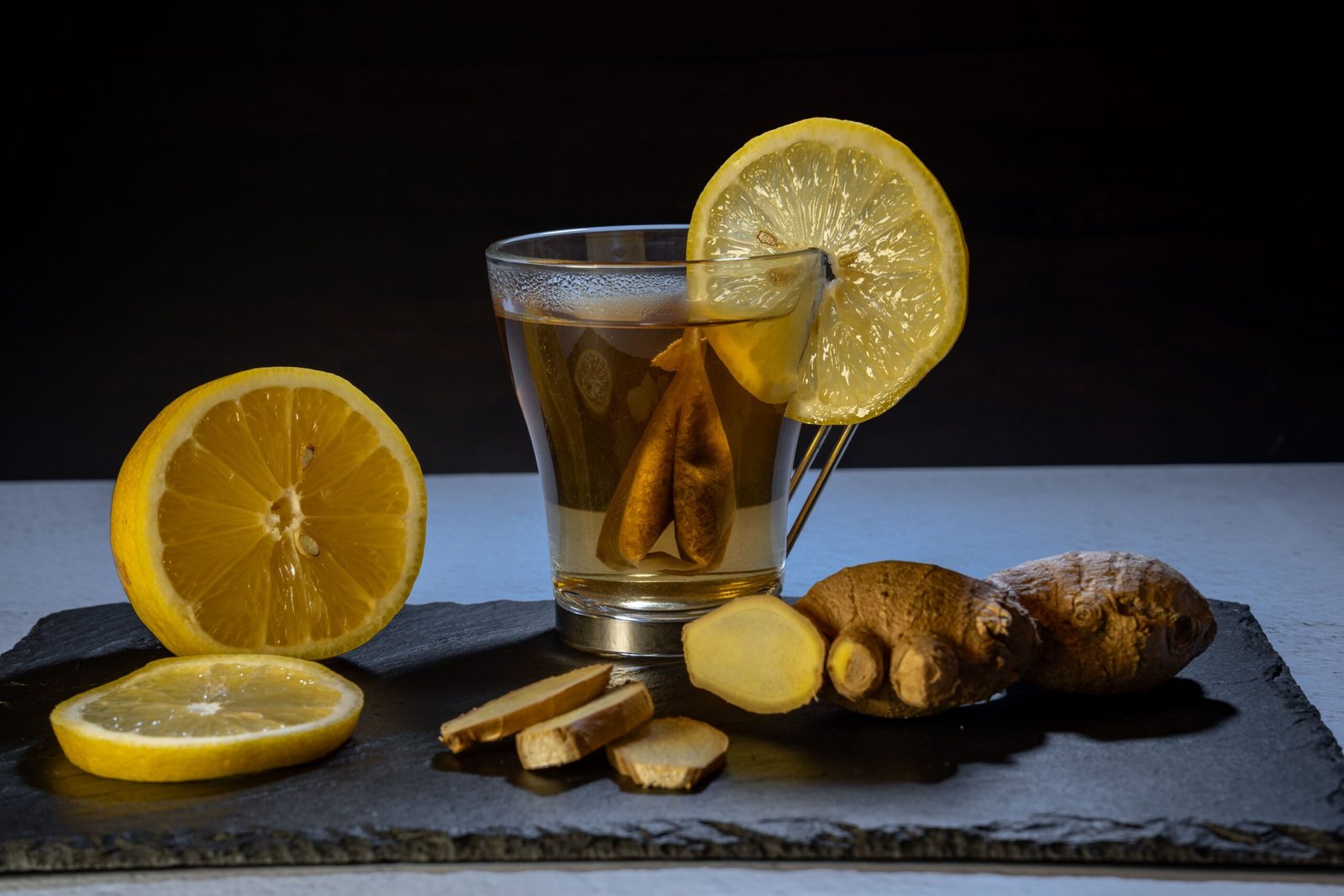
Ginger
Ginger is a traditional culinary ingredient used widely across South Asian food cultures.
It can be added to:
- Tea
- Soups
- Stir-fries
- Lentils
- Vegetable dishes
Ginger is particularly useful as a flavorful ingredient in a balanced diet.
Tulsi
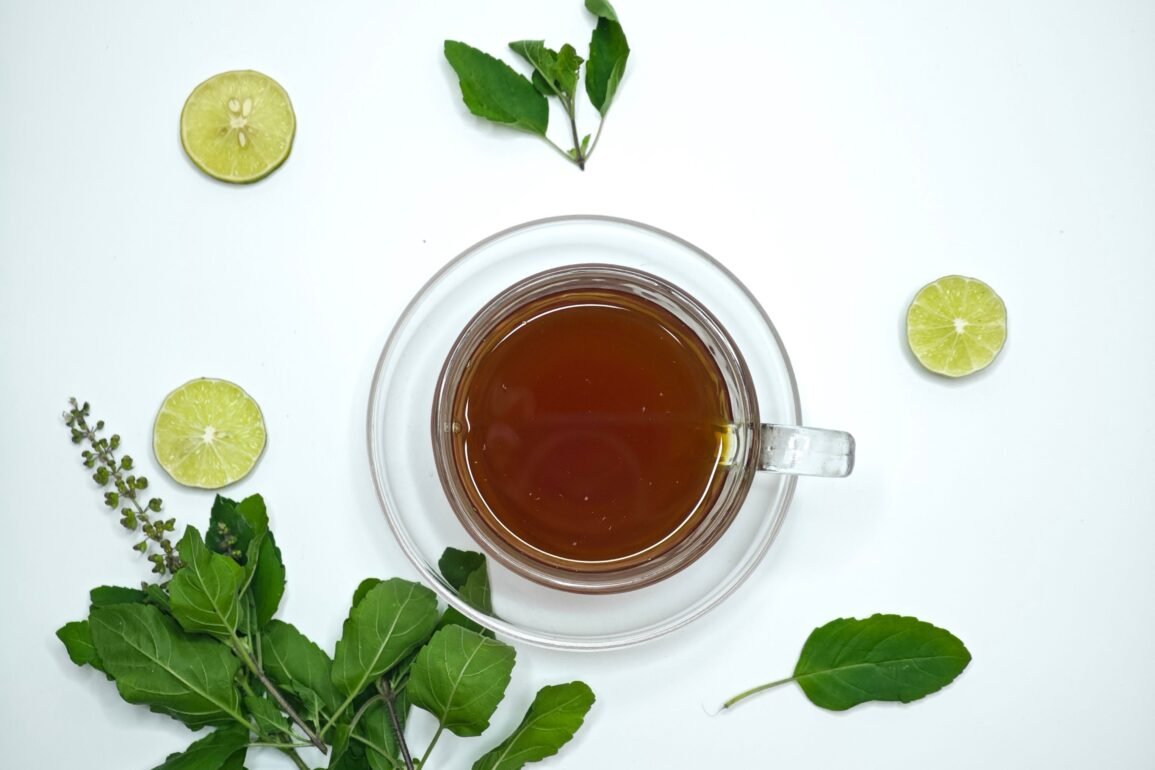
Tulsi, also known as holy basil, has a long history of use in Ayurvedic traditions.
Many people consume tulsi as tea.
However, concentrated extracts may interact with medications or may not be appropriate for everyone. Consult a healthcare professional before using medicinal doses.
Amla
Amla, or Indian gooseberry, is traditionally valued in Ayurveda and is a source of vitamin C.
It can be incorporated into the diet in suitable forms.
However, no single fruit should be expected to dramatically transform immune function.
Ashwagandha
Ashwagandha is traditionally used in Ayurveda for several purposes, particularly around stress and vitality.
It should not be casually treated as an immunity supplement.
Certain people—including those taking particular medications or with certain health conditions—may need to avoid or carefully evaluate it.
Always check with a qualified healthcare professional before using concentrated herbal preparations.
The Role of Spices in an Ayurvedic Immunity Boosting Guide
One of the easiest ways to incorporate Ayurvedic principles into modern life is through culinary spices.
Common choices include:
- Turmeric
- Ginger
- Cumin
- Coriander
- Cinnamon
- Black pepper
- Cardamom
- Fennel
These ingredients can make healthy foods more enjoyable while contributing plant compounds to your diet.
A simple principle is:
Use spices to improve food, not to replace food.
Your immune system needs a broad range of nutrients. No spice can compensate for an overall poor diet.
Ayurvedic Morning Routine for Immune Wellness
A consistent morning routine can help establish healthy habits.
Try this simple sequence:
Step 1: Wake at a Consistent Time
Consistency can support your sleep-wake rhythm.
Step 2: Hydrate
Drink water according to your needs.
Step 3: Practice Oral Hygiene
Brush your teeth and maintain appropriate oral care.
Step 4: Move Your Body
Spend 10–30 minutes walking, stretching, practicing yoga, or exercising.
Step 5: Practice Breathing
Spend a few minutes with slow, comfortable breathing.
Step 6: Eat a Balanced Breakfast if Needed
Choose nutritious foods that fit your appetite and daily routine.
Step 7: Get Morning Light
Spending time in natural daylight can support healthy circadian rhythms.
This straightforward routine can become one of the most sustainable elements of an Ayurvedic immunity boosting guide.
Ayurvedic Evening Routine for Better Recovery
Your evening routine is equally important.
Try:
- Finish demanding work earlier when possible.
- Reduce unnecessary screen exposure.
- Eat a balanced dinner.
- Take a gentle walk.
- Practice relaxation.
- Prepare for the next day.
- Maintain a consistent bedtime.
Recovery is when many of the benefits of healthy daytime habits are consolidated.
Ayurvedic Nutrition: Build Your Plate
Rather than following complicated dietary rules, start with balance.
A simple meal structure can include:
Protein: lentils, beans, dairy or suitable alternatives, eggs, fish, poultry, or other appropriate sources.
Vegetables: include several colors throughout the week.
Whole grains: rice, oats, millet, whole wheat, quinoa, or other suitable grains.
Healthy fats: nuts, seeds, appropriate oils, avocado, or other suitable sources.
Fruit: choose a variety of seasonal options.
Flavor: herbs and spices.
This approach is much more sustainable than searching for a single “immunity-boosting food.”
Golden Milk: Tradition Meets Modern Wellness
Golden milk, often made using turmeric and milk or a milk alternative, is one of the most popular Ayurvedic-inspired beverages.
A simple version may contain:
- Milk or a suitable alternative
- Turmeric
- Ginger
- Cinnamon
- A small amount of black pepper
- Optional sweetener
Remember that golden milk is a nutritious beverage—not a cure for infection.
It can be enjoyed as part of a balanced lifestyle.
Ayurvedic Self-Care Practices
Ayurvedic traditions include various self-care practices.
Some can be incorporated into modern wellness routines safely when appropriate.
Examples include:
- Gentle self-massage
- Warm baths
- Yoga
- Meditation
- Breath awareness
- Mindful eating
- Time in nature
- Regular sleep
However, practices involving herbs, oils, nasal preparations, fasting, or intensive cleansing require more careful consideration.
“Natural” does not automatically mean “risk-free.”
How Stress Can Affect Your Wellness
Stress is unavoidable.
The goal is not to eliminate every stressful experience but to improve how you respond to stress.
Chronic stress can contribute to poor sleep, emotional exhaustion, unhealthy eating habits, and reduced motivation to exercise.
A practical daily stress-management routine might take only 15 minutes.
Try:
5 minutes: slow breathing
5 minutes: gentle stretching
5 minutes: quiet reflection or meditation
This small practice can be easier to maintain than an elaborate wellness program.
Ayurveda and Modern Immune Health
Ayurvedic practices should be understood as complementary wellness strategies.
Modern immune health depends on numerous factors, including:
- Vaccination where recommended
- Adequate nutrition
- Sleep
- Physical activity
- Healthy weight management
- Hygiene
- Stress management
- Appropriate medical care
- Avoiding tobacco
- Limiting excessive alcohol
- Managing chronic health conditions
Ayurveda can potentially contribute lifestyle practices that support some of these broader goals.
The most useful approach is integration rather than competition between traditional and modern healthcare.
Common Mistakes People Make When Trying to Improve Immunity
Mistake 1: Taking Too Many Supplements
More supplements do not necessarily mean better health.
High doses of certain nutrients and herbs can create risks.
Mistake 2: Ignoring Sleep
People often spend money on supplements while sleeping five hours per night.
Fixing your sleep routine may be a much more valuable starting point.
Mistake 3: Looking for Instant Results
Immune resilience is not built overnight.
Healthy habits accumulate.
Mistake 4: Extreme Detoxes
Aggressive fasting, laxative-based cleanses, and restrictive diets can create nutritional problems.
A healthy body already has organs responsible for eliminating metabolic waste.
Mistake 5: Treating Herbs Like Medicines Without Guidance
Herbal products can have pharmacological effects.
They can potentially interact with medicines and may not be appropriate for certain individuals.
A 7-Day Ayurvedic Wellness Routine
Here is a simple weekly framework.
Day 1: Nutrition Reset
Eat mostly minimally processed foods and increase vegetable intake.
Day 2: Movement
Complete a 30-minute walk or suitable workout.
Day 3: Sleep Focus
Create a relaxing evening routine and prioritize adequate sleep.
Day 4: Stress Management
Practice meditation or slow breathing.
Day 5: Hydration
Pay attention to fluid intake and reduce sugary beverages.
Day 6: Outdoor Wellness
Spend time outdoors while following appropriate sun and weather precautions.
Day 7: Recovery
Choose gentle movement, nutritious meals, relaxation, and sufficient sleep.
Repeat the cycle while adapting it to your needs.
also read: Powerful Ayurvedic Recovery Techniques Every Athlete Should Know
A Seasonal Ayurvedic Immunity Checklist
Use this checklist whenever a new season begins.
Nutrition
- Am I eating enough vegetables?
- Am I consuming varied protein sources?
- Am I eating seasonal fruits?
- Am I limiting excessive processed foods?
Hydration
- Am I drinking enough fluids?
- Do I need additional fluids because of heat or exercise?
Sleep
- Is my bedtime consistent?
- Am I getting enough sleep?
Exercise
- Am I moving regularly?
- Does my exercise intensity match my fitness level and the weather?
Stress
- Do I have a daily relaxation practice?
- Am I taking breaks from work and screens?
Hygiene
- Am I washing my hands regularly?
- Am I practicing appropriate food safety?
Medical Care
- Am I keeping up with recommended preventive healthcare?
- Have I discussed supplements or herbs with a professional when necessary?
The Ayurvedic Immunity Boosting Guide for Busy Professionals
You do not need several hours every day to follow Ayurvedic-inspired wellness principles.
A busy professional can simplify the routine.
Morning
- Wake at a consistent time
- Drink water
- Move for 10–20 minutes
- Eat a balanced meal if hungry
During Work
- Take movement breaks
- Stay hydrated
- Eat a nutritious lunch
- Avoid excessive snacking
Evening
- Finish work at a reasonable time
- Take a short walk
- Eat a balanced dinner
- Reduce screen stimulation
- Sleep consistently
The secret is not complexity.
It is consistency.
Ayurvedic Immunity Boosting Guide for Families
Family wellness becomes easier when healthy habits are shared.
Instead of preparing completely different meals for every person, build family meals around:
- Vegetables
- Whole grains
- Protein
- Fruits
- Healthy fats
- Herbs and spices
Encourage children to participate in food preparation.
Make physical activity enjoyable rather than punitive.
Create family sleep routines.
Teach basic hygiene.
Most importantly, avoid telling children that one herb or food can “make them immune.”
Healthy immunity develops through many interconnected factors.
Ayurvedic Immunity Boosting Guide for Older Adults
Older adults may have different nutritional, medication, and healthcare needs.
Before introducing herbal supplements, it is especially important to check for possible interactions with existing medications.
Focus first on:
- Adequate protein
- Nutrient-dense foods
- Hydration
- Appropriate exercise
- Strength training when suitable
- Balance exercises
- Good sleep
- Social connection
- Preventive healthcare
Personalization is essential.
What About Immunity Drinks?
The popularity of immunity drinks has increased dramatically.
Some contain combinations of:
- Ginger
- Turmeric
- Lemon
- Honey
- Amla
- Tulsi
- Other herbs
These drinks can sometimes be enjoyable additions to a balanced diet.
But marketing claims should be viewed critically.
A drink cannot replace:
- Sleep
- Balanced nutrition
- Exercise
- Vaccination
- Medical treatment
- Hygiene
Think of these beverages as food or traditional wellness beverages rather than magical immune shields.
Can Ayurveda Prevent Seasonal Infections?
It is important to maintain realistic expectations.
There is no Ayurvedic routine that can guarantee prevention of every infection.
Traditional practices may support general wellbeing, but they should not be promoted as substitutes for evidence-based prevention and treatment.
If you develop concerning symptoms—especially severe breathing difficulty, persistent high fever, dehydration, chest pain, confusion, or rapidly worsening illness—seek appropriate medical attention.
The purpose of this Ayurvedic immunity boosting guide is to support healthy lifestyle habits, not to encourage self-treatment of serious disease.
How to Personalize Your Ayurvedic Routine
Ayurveda traditionally emphasizes individual differences.
Instead of copying someone else’s routine exactly, consider:
Your Age
Children, adults, and older adults have different nutritional and activity needs.
Your Activity Level
An athlete may require substantially more energy and protein than someone with a sedentary lifestyle.
Your Climate
Someone living in a hot, humid region may need different hydration and exercise strategies than someone living in a cold climate.
Your Digestive Comfort
Foods that feel comfortable for one person may cause discomfort for another.
Your Health Status
Existing conditions and medications can significantly change which herbs or dietary practices are appropriate.
Personalization should therefore be practical and medically responsible.
The Power of Consistency
One of the most important lessons in any wellness system is that small habits repeated consistently can be more valuable than occasional extreme efforts.
Drinking water once does not transform your health.
Eating vegetables once does not transform your health.
Meditating once does not eliminate stress.
Sleeping well once does not repair chronic sleep deprivation.
But repeating these habits over months and years can contribute to a healthier lifestyle.
This is why the most effective Ayurvedic immunity boosting guide is not about a miracle recipe.
It is about creating a lifestyle that supports your body’s normal functions.
A Simple Daily Ayurvedic Immunity Routine
Here is a practical template you can adapt to your lifestyle.
Morning
Wake at a consistent time.
Drink water.
Practice oral hygiene.
Get natural daylight.
Perform gentle movement or exercise.
Eat a nutritious meal according to your appetite.
Afternoon
Eat a balanced lunch.
Take short movement breaks.
Stay hydrated.
Use spices and herbs as part of normal cooking.
Manage stress before it accumulates.
Evening
Take a gentle walk.
Eat a balanced dinner.
Reduce excessive screen exposure.
Practice relaxation.
Prepare for sleep.
Night
Sleep sufficiently and maintain a consistent schedule.
This routine is simple, sustainable, and adaptable to different seasons.
Frequently Asked Questions
What is the best Ayurvedic immunity boosting guide for beginners?
The best approach is to start with fundamentals: nutritious food, adequate sleep, regular exercise, stress management, hydration, hygiene, and seasonal adjustments. Add traditional practices gradually rather than changing everything at once.
Which Ayurvedic herb is best for immunity?
There is no universally “best” Ayurvedic herb for everyone. Herbs such as turmeric, ginger, tulsi, and amla are traditionally used in different ways, but their suitability depends on the person, dose, preparation, health conditions, and medications.
Can Ayurvedic herbs replace vaccines?
No. Ayurvedic herbs should not be considered replacements for recommended vaccines or medical treatment.
Can I follow Ayurvedic routines throughout the year?
Yes. Many basic principles—healthy nutrition, sleep, exercise, stress management, and hygiene—are useful year-round. Seasonal adjustments can then be made according to climate and individual needs.
Is Ayurvedic detox necessary for immunity?
No extreme detox is required to maintain normal immune function. Focus on nutritious food, hydration, sleep, movement, and healthy daily habits.
Can children follow an Ayurvedic immunity routine?
Children can benefit from healthy lifestyle habits such as nutritious meals, adequate sleep, physical activity, and hygiene. However, herbal products and supplements should only be considered with appropriate professional guidance.
Is turmeric enough to boost immunity?
No single ingredient can guarantee stronger immunity. Turmeric can be a nutritious culinary spice, but overall health depends on many factors.
How long does it take to improve immune health?
There is no universal timeline. Healthy lifestyle improvements can benefit general health over time, but immune function is complex and cannot be reduced to a simple before-and-after measurement.
Final Thoughts: Build Resilience, Not Just Immunity
The biggest lesson from this Ayurvedic immunity boosting guide is simple: immune wellness is not built around one magical ingredient.
It is built through hundreds of small decisions.
Choose nourishing foods.
Sleep consistently.
Move your body.
Manage stress.
Stay hydrated.
Maintain good hygiene.
Spend time outdoors.
Adapt your routine to the season.
Use herbs thoughtfully.
And seek professional medical care when you need it.
Ayurveda provides a traditional framework that encourages people to pay attention to daily habits, digestion, rest, environment, and seasonal changes. When combined responsibly with modern healthcare and evidence-based preventive practices, these principles can become part of a balanced approach to long-term wellbeing.
The goal should not be to make your immune system “superhuman.”
The goal is to create the conditions that support your body, mind, and overall health every day.
Start with one habit.
Make it consistent.
Then build from there.
That is the real power of an Ayurvedic immunity boosting guide—not a quick fix, but a sustainable lifestyle designed around balance, nourishment, recovery, and seasonal awareness.