


Introduction
In today’s fast-paced world, stress, anxiety, emotional imbalance, and mental exhaustion have become increasingly common. Many people are searching for natural and sustainable ways to achieve inner peace without relying solely on medications or temporary solutions. Ayurveda, the ancient Indian system of medicine, offers a comprehensive approach to mental, emotional, and spiritual well-being through Ayurvedic Therapy for Inner Peace.
Ayurveda views true health as a harmonious balance between the body, mind, and spirit. Unlike conventional approaches that often focus on symptom management, Ayurvedic therapies aim to identify and address the root causes of emotional disturbances and mental stress. Through personalized treatments, herbal remedies, dietary adjustments, meditation, yoga, and detoxification techniques, Ayurveda helps individuals cultivate lasting inner peace and mental clarity.
This comprehensive guide explores the principles, benefits, treatments, and lifestyle practices associated with Ayurvedic Therapy for Inner Peace.
Understanding Inner Peace in Ayurveda
Inner peace is more than the absence of stress or anxiety. According to Ayurveda, inner peace is a state of equilibrium where the mind remains calm, focused, and resilient regardless of external circumstances.
Ayurvedic philosophy recognizes three fundamental energies known as Doshas:
Vata Dosha
- Associated with movement and creativity
- Governs the nervous system
- Imbalance may cause anxiety, fear, and insomnia
Pitta Dosha
- Associated with transformation and metabolism
- Governs intelligence and determination
- Imbalance may cause anger, irritability, and frustration
Kapha Dosha
- Associated with stability and nourishment
- Governs emotional grounding
- Imbalance may cause depression, lethargy, and attachment
Ayurvedic Therapy for Inner Peace focuses on restoring balance among these doshas, thereby promoting emotional stability and mental wellness.
The Connection Between Mind and Body in Ayurveda
Ayurveda emphasizes that the mind and body are deeply interconnected. Emotional disturbances can manifest as physical symptoms, while physical imbalances can affect mental health.
Common signs of imbalance include:
- Chronic stress
- Anxiety disorders
- Depression
- Fatigue
- Digestive issues
- Sleep disturbances
- Mood swings
- Lack of concentration
Ayurvedic treatments address both physical and psychological aspects simultaneously, creating a holistic healing experience.
Key Benefits of Ayurvedic Therapy for Inner Peace
1. Reduces Stress Naturally
Stress is one of the leading causes of mental and physical health issues. Ayurvedic therapies help regulate stress hormones and calm the nervous system naturally.
Benefits include:
- Reduced cortisol levels
- Enhanced relaxation
- Improved emotional resilience
- Better stress management
2. Promotes Emotional Balance
Ayurvedic treatments help stabilize emotions and improve mental clarity.
Individuals often experience:
- Reduced anxiety
- Greater emotional stability
- Improved mood
- Enhanced self-awareness
3. Improves Sleep Quality
Quality sleep is essential for mental well-being.
Ayurvedic Therapy for Inner Peace can help:
- Reduce insomnia
- Improve sleep cycles
- Encourage deeper rest
- Enhance mental recovery
4. Enhances Mental Clarity
A balanced mind supports better decision-making and concentration.
Benefits include:
- Increased focus
- Better memory
- Improved productivity
- Enhanced creativity
5. Supports Spiritual Growth
Ayurveda recognizes spiritual wellness as an important aspect of overall health.
Practices encourage:
- Mindfulness
- Meditation
- Self-reflection
- Inner awareness
Popular Ayurvedic Therapies for Inner Peace
Shirodhara Therapy
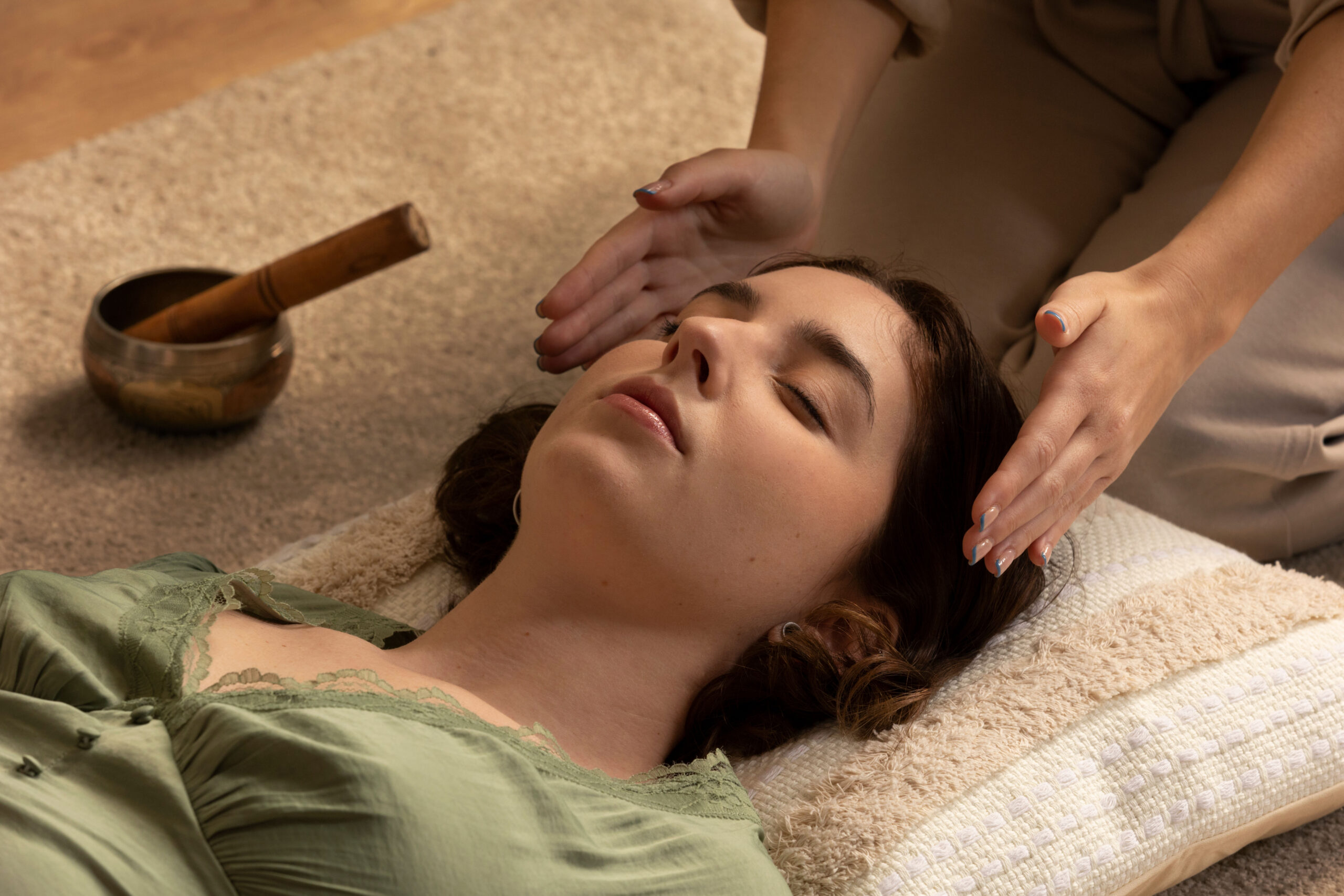
Shirodhara is one of the most renowned Ayurvedic therapies for mental relaxation.
Procedure
A continuous stream of warm herbal oil is gently poured onto the forehead, particularly the third-eye region.
Benefits
- Deep relaxation
- Reduced anxiety
- Better sleep
- Improved concentration
- Emotional balance
Many individuals describe Shirodhara as a profoundly calming and transformative experience.
Abhyanga Massage
Abhyanga is a therapeutic full-body massage using warm herbal oils.
Benefits
- Calms the nervous system
- Relieves stress
- Improves circulation
- Promotes emotional well-being
- Enhances relaxation
Regular Abhyanga helps maintain long-term mental and physical balance.
Nasya Therapy
Nasya involves administering medicated oils through the nasal passages.
Benefits
- Clears mental fog
- Improves focus
- Relieves stress
- Enhances breathing
- Supports emotional health
Ayurveda considers the nose the gateway to the brain, making Nasya highly beneficial for mental wellness.
Panchakarma Detoxification
Panchakarma is Ayurveda’s comprehensive detoxification and rejuvenation program.
Components
- Vamana
- Virechana
- Basti
- Nasya
- Raktamokshana
Benefits
- Removes toxins
- Restores dosha balance
- Enhances mental clarity
- Supports emotional healing
Panchakarma is often recommended for chronic stress and burnout.
Ayurvedic Herbs That Support Inner Peace
Ashwagandha
Ashwagandha is one of Ayurveda’s most powerful adaptogenic herbs.
Benefits:
- Reduces stress
- Supports adrenal health
- Improves sleep
- Enhances resilience
Brahmi
Brahmi is widely used to support brain function and emotional balance.
Benefits:
- Enhances memory
- Improves concentration
- Reduces anxiety
- Supports cognitive health
Jatamansi
Jatamansi is known for its calming and grounding effects.
Benefits:
- Relieves anxiety
- Improves sleep
- Supports emotional stability
- Promotes relaxation
Tulsi
Tulsi, or Holy Basil, is considered sacred in Ayurveda.
Benefits:
- Supports stress management
- Enhances immunity
- Promotes mental clarity
- Encourages emotional well-being
Ayurvedic Diet for Inner Peace
Nutrition plays a crucial role in emotional health.
Foods That Promote Calmness
- Warm cooked vegetables
- Fresh fruits
- Whole grains
- Herbal teas
- Ghee
- Almonds
- Dates
Foods to Avoid
- Excess caffeine
- Processed foods
- Refined sugar
- Artificial additives
- Excessively spicy foods
A balanced Ayurvedic diet nourishes both the body and mind.
Meditation in Ayurvedic Therapy
Meditation is an essential component of Ayurvedic healing.
Benefits include:
- Reduced stress
- Better emotional control
- Enhanced mindfulness
- Increased self-awareness
Practicing meditation daily for even 15 to 20 minutes can significantly improve mental well-being.
Yoga for Inner Peace
Ayurveda and Yoga work together to create holistic wellness.
Recommended poses include:
- Child’s Pose
- Lotus Pose
- Corpse Pose
- Cat-Cow Stretch
- Seated Forward Bend
Yoga helps release physical tension while calming the mind.
Daily Ayurvedic Routine for Mental Wellness
Morning
- Wake before sunrise
- Drink warm water
- Practice meditation
- Perform gentle yoga
Afternoon
- Eat a balanced lunch
- Take mindful breaks
- Stay hydrated
Evening
- Enjoy a light dinner
- Reduce screen time
- Practice deep breathing
- Sleep early
Consistency is key to achieving long-term inner peace.
How Ayurveda Addresses Anxiety and Depression
Ayurvedic Therapy for Inner Peace takes a personalized approach to emotional disorders.
Treatment may include:
- Herbal formulations
- Lifestyle modifications
- Meditation
- Yoga therapy
- Detoxification programs
- Dietary recommendations
This holistic strategy helps address underlying causes rather than simply masking symptoms.
Scientific Perspective on Ayurvedic Mental Wellness Practices
Research suggests that many Ayurvedic practices may support mental health by:
- Lowering stress hormones
- Improving sleep quality
- Enhancing relaxation responses
- Supporting nervous system function
Studies on Ashwagandha, meditation, yoga, and Ayurvedic massage continue to show promising results for stress reduction and emotional well-being.
Who Can Benefit from Ayurvedic Therapy for Inner Peace?
This therapy may benefit individuals experiencing:
- Chronic stress
- Anxiety
- Burnout
- Sleep disturbances
- Emotional imbalance
- Mental fatigue
- Workplace pressure
- Relationship stress
People of all ages can incorporate Ayurvedic principles into their daily lives.
Choosing the Right Ayurvedic Practitioner
When seeking Ayurvedic Therapy for Inner Peace, consider:
- Professional qualifications
- Clinical experience
- Personalized treatment plans
- Comprehensive assessment methods
- Patient reviews and testimonials
A qualified practitioner can design therapies tailored to your unique constitution.
Conclusion
Ayurvedic Therapy for Inner Peace offers a time-tested, holistic approach to achieving emotional balance, mental clarity, and spiritual well-being. By addressing the root causes of stress and imbalance, Ayurveda provides sustainable solutions that nurture the body, mind, and spirit.
Through personalized therapies such as Shirodhara, Abhyanga, Panchakarma, herbal remedies, meditation, yoga, and balanced nutrition, individuals can cultivate lasting inner peace and resilience in an increasingly demanding world.
Whether you are struggling with stress, anxiety, sleep issues, or simply seeking a deeper sense of harmony, Ayurvedic Therapy for Inner Peace can guide you toward a healthier, calmer, and more fulfilling life.