

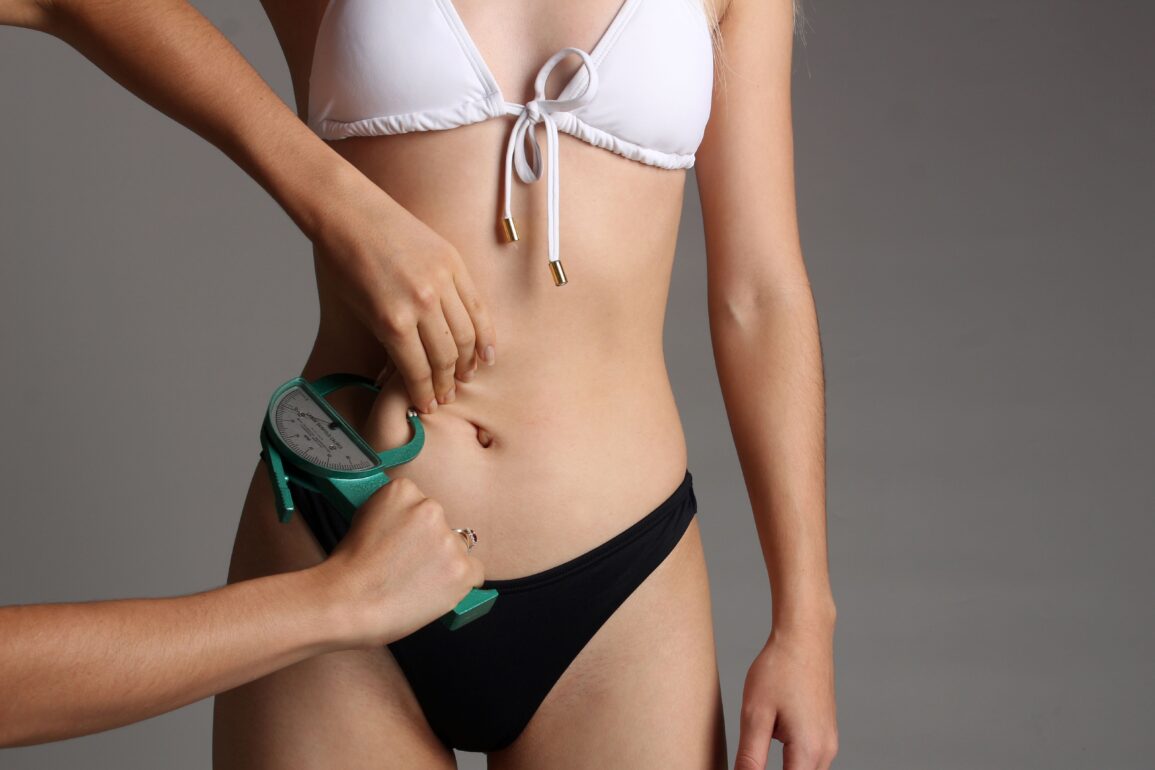
Losing body fat is one of the most common fitness goals for people who join a gym. However, many people spend hours exercising without seeing the results they expect. Some focus only on cardio, while others lift weights without following a structured workout plan. Many also underestimate the importance of nutrition, sleep, and recovery.
The truth is that successful fat loss requires more than simply burning calories during a workout. You need a consistent exercise routine, a balanced diet, and habits that support long-term progress.
Gym workouts for fat loss can help you burn calories, maintain muscle mass, improve cardiovascular fitness, and develop a stronger, healthier body. The key is choosing the right exercises, training at an appropriate intensity, and following a routine that matches your fitness level.
Whether you are a beginner entering the gym for the first time or an experienced fitness enthusiast trying to overcome a plateau, training smarter can make a meaningful difference.
In this guide, you will learn how gym workouts for fat loss work, which exercises are most effective, how to combine strength training and cardio, and how to create a weekly workout plan that supports sustainable results.
You will also discover common workout mistakes, practical nutrition strategies, and ways to measure your progress without relying entirely on the weighing scale.
What Is Fat Loss, and How Does It Work?
Before choosing gym workouts for fat loss, it is important to understand what fat loss actually means.
Your body stores energy in the form of fat. When you consistently consume more energy than your body uses, the excess energy can be stored, contributing to an increase in body fat. When you consume less energy than your body expends over time, your body draws on stored energy to help meet its needs.
This is known as an energy deficit or calorie deficit.
A calorie deficit is the primary requirement for losing body fat. Exercise helps you increase energy expenditure, improve fitness, and preserve muscle, while nutrition helps you manage your overall calorie intake.
However, the goal should not be to lose weight as quickly as possible. Rapid weight loss can involve losing water and muscle alongside fat. A more sustainable approach combines appropriate calorie control with regular exercise and sufficient recovery.
Fat Loss vs. Weight Loss
Although people often use these terms interchangeably, they are not exactly the same.
- Weight loss: A reduction in total body weight, which may include fat, muscle, water, and other body tissues.
- Fat loss: A reduction in stored body fat while maintaining as much muscle and other essential tissue as possible.
- Muscle gain: An increase in muscle tissue that can occur alongside fat loss, particularly in beginners and people returning to training.
For example, someone may lose body fat while gaining a small amount of muscle. Their body weight might change very little, even though their waist measurement decreases and their strength improves.
This is why effective gym workouts for fat loss should include resistance training rather than relying exclusively on the number displayed on a weighing scale.
Why Exercise Alone May Not Be Enough
Exercise can support fat loss, but it is possible to consume more calories than you burn through training.
For instance, a demanding workout may increase your energy expenditure, but frequent high-calorie snacks, sugary drinks, or oversized meals can offset that increase.
This does not mean you need to follow an extremely restrictive diet. Instead, focus on consistent habits, sensible portions, nutritious foods, and an exercise plan that you can maintain.
The best gym workouts for fat loss are those that work together with your lifestyle rather than requiring you to exercise excessively to compensate for your eating habits.
also read: How to Increase Strength Naturally Through Smart Gym Training
1. Best Gym Workouts for Fat Loss
Choosing the right exercises is one of the most important steps in building an effective fat-loss routine. A well-designed workout combines resistance exercises, cardiovascular training, and movements that challenge different muscle groups.
There is no single exercise that guarantees the fastest fat loss. Results depend on your workout intensity, body weight, training experience, nutrition, and consistency.
The following types of gym workouts for fat loss can help you develop a balanced training routine.
1.1 Strength Training for Fat Loss

Strength training involves using weights, resistance machines, dumbbells, barbells, or your own body weight to challenge your muscles.
It is one of the most valuable components of gym workouts for fat loss because it helps preserve muscle while you lose weight.
When you reduce your calorie intake, your body may lose both fat and lean tissue. Resistance training, combined with sufficient protein and recovery, helps reduce the risk of unwanted muscle loss.
Strength training can also improve your posture, muscular endurance, strength, and overall physical performance.
Best strength exercises for fat loss include:
- Squats
- Dumbbell lunges
- Leg presses
- Bench presses
- Lat pulldowns
- Seated cable rows
- Shoulder presses
- Romanian deadlifts
- Dumbbell curls
- Triceps pushdowns
These exercises target major muscle groups and can be adapted to different fitness levels.
Compound exercises, such as squats, presses, and rows, involve multiple joints and muscle groups. They are especially useful when you want to train your entire body efficiently.
However, you do not need to lift the heaviest weights available. Choose a resistance that allows you to complete your repetitions with good technique while making the final repetitions challenging.
For most beginners, two or three full-body strength sessions per week provide a practical starting point.
1.2 Cardio Workouts for Fat Loss

Cardiovascular exercise increases your heart rate and helps your body use energy. It can improve heart health, stamina, and your ability to perform physical activities.
Cardio is an important part of gym workouts for fat loss because it increases total energy expenditure and can make it easier to maintain a calorie deficit.
Popular cardio options include:
- Treadmill walking
- Incline walking
- Stationary cycling
- Elliptical training
- Rowing machines
- Stair climbers
- Swimming, where available
You do not need to run at maximum speed to achieve useful results. Moderate-intensity exercise can be effective, especially when performed consistently.
For example, a beginner might start with 15–20 minutes of treadmill walking after a strength session. Over time, the duration can gradually increase as fitness improves.
Incline walking is another practical option. It increases the effort required compared with walking on a flat surface, although the actual energy expenditure varies with speed, incline, body weight, and individual fitness.
Choose a cardio activity that you enjoy and can perform regularly. An exercise that fits your lifestyle is generally more useful than a demanding routine that you abandon after two weeks.
1.3 High-Intensity Interval Training (HIIT)

High-intensity interval training, commonly called HIIT, alternates short periods of vigorous exercise with easier recovery periods.
A simple example could include:
- 30 seconds of fast cycling
- 90 seconds of easy cycling
- Repeat for several rounds
HIIT can improve cardiovascular fitness and provide a time-efficient workout. However, it is not automatically better than moderate-intensity cardio for fat loss.
The total amount of exercise you perform, the intensity you can sustain, and your overall calorie balance matter more than choosing a workout simply because it feels harder.
HIIT may not be suitable for everyone, particularly beginners with limited exercise experience or people with certain medical conditions.
Start with moderate exercise and build your fitness first. If you experience chest discomfort, unusual breathlessness, dizziness, or wheezing, stop exercising and seek appropriate medical advice.
For many people, one or two short HIIT sessions per week are enough. You can also achieve excellent results without HIIT by combining strength training with regular walking or cycling.
1.4 Full-Body Workouts
Full-body training involves exercising the major muscle groups during a single session.
This approach is especially useful for beginners because it allows you to practise fundamental movements several times per week without requiring daily gym visits.
A typical full-body session might include:
| Exercise | Target muscles | Sets and reps |
|---|---|---|
| Goblet squat | Legs and glutes | 3 × 8–12 |
| Chest press | Chest and triceps | 3 × 8–12 |
| Lat pulldown | Back and biceps | 3 × 10–12 |
| Romanian deadlift | Hamstrings and glutes | 2–3 × 8–12 |
| Shoulder press | Shoulders and triceps | 2 × 10–12 |
| Plank | Core | 2–3 × 20–45 seconds |
Adjust the exercises to your ability and available equipment. If you are new to lifting, ask a qualified trainer to demonstrate proper technique.
Rest between sets long enough to maintain good form. For many exercises, around 60–120 seconds is a reasonable starting point, although demanding compound lifts may require more recovery.
Full-body training works well for gym workouts for fat loss because it helps you train consistently while leaving time for cardio, daily movement, and recovery.
1.5 Upper-Body and Lower-Body Training
Another option is to divide your workouts into upper-body and lower-body sessions.
Upper-body exercises target the chest, back, shoulders, arms, and related muscles. Lower-body exercises focus on the quadriceps, hamstrings, glutes, and calves.
A simple schedule might look like this:
- Monday: Upper body
- Tuesday: Lower body
- Wednesday: Cardio or recovery
- Thursday: Upper body
- Friday: Lower body
- Saturday: Optional cardio
- Sunday: Rest
This structure can work well for people who have some gym experience and prefer training four days per week.
However, more workout days do not automatically produce more fat loss. If four sessions make you consistently exhausted or interfere with recovery, a three-day full-body routine may be a better choice.
1.6 Core Training for a Stronger Midsection
Core exercises strengthen the muscles around your abdomen, lower back, and pelvis. They can improve stability, balance, and the quality of other exercises.
Useful core exercises include:
- Planks
- Dead bugs
- Bird dogs
- Cable crunches
- Pallof presses
- Reverse crunches
Train your core two or three times per week as part of your broader routine.
It is important to understand that abdominal exercises do not selectively burn belly fat. Your body decides where fat is stored and lost, influenced by factors such as genetics, hormones, and overall body composition.
You can strengthen your abdominal muscles, but reducing abdominal fat requires an overall fat-loss strategy rather than hundreds of crunches every day.
2. How to Combine Strength Training and Cardio
One of the most common questions about gym workouts for fat loss is whether you should lift weights or perform cardio first.
Both activities can contribute to your results, so the best order depends on your primary goal and training preferences.
If your priority is maintaining strength and muscle, perform resistance training first and cardio afterward. This allows you to approach your main lifts with more energy.
If cardiovascular performance is your primary objective, you may choose to perform cardio first.
You can also schedule strength training and cardio on separate days if your routine allows it.
A Practical Combined Workout
Here is an example of a balanced gym session:

Step 1: Warm-up
5–10 minutes of easy walking, cycling, and movement preparation.

Step 2: Strength training
25–40 minutes of exercises for major muscle groups.

Step 3: Cardio
15–25 minutes at an intensity you can sustain comfortably.

Step 4: Cool-down
A few minutes of easy movement and comfortable stretching.
The duration can be adjusted according to your fitness level. You do not need to complete every component in every session, and longer workouts are not always more effective.
The purpose of gym workouts for fat loss is to establish a repeatable training routine that supports your goals without creating unnecessary fatigue.
3. The Best Weekly Gym Workout Plan for Fat Loss
A weekly schedule helps you organise your training and avoid doing random exercises every time you visit the gym.
The following plan is designed as a general example for healthy adults who can exercise comfortably. Beginners can reduce the volume and increase it gradually.
Monday: Full-Body Strength Training
Focus on major muscle groups and learn the correct technique for each movement.
| Exercise | Sets | Repetitions |
|---|---|---|
| Leg press | 3 | 10–12 |
| Chest press | 3 | 8–12 |
| Lat pulldown | 3 | 10–12 |
| Dumbbell Romanian deadlift | 2 | 8–12 |
| Seated shoulder press | 2 | 10–12 |
| Plank | 2 | 20–40 seconds |
Choose weights that challenge you while allowing controlled movements. Do not sacrifice technique to complete extra repetitions.
Tuesday: Cardio and Core
Start with 20–30 minutes of moderate cardio, such as cycling, treadmill walking, or elliptical training.
If you feel comfortable, add two or three core exercises.
For example:
- Dead bugs: 2 sets of 8–12 repetitions per side
- Plank: 2 sets of 20–40 seconds
- Pallof press: 2 sets of 10 repetitions per side
You should be able to maintain control throughout each exercise.
Wednesday: Lower-Body Strength Training
Focus on your legs and glutes.
| Exercise | Sets | Repetitions |
|---|---|---|
| Goblet squat or leg press | 3 | 8–12 |
| Romanian deadlift | 3 | 8–12 |
| Seated leg curl | 3 | 10–15 |
| Reverse lunge | 2 | 8–10 per leg |
| Calf raise | 2 | 12–15 |
If you are a beginner, start with fewer exercises and prioritise proper technique.
Thursday: Active Recovery
Take a break from demanding strength training.
You can go for an easy walk, perform gentle mobility exercises, or participate in another low-intensity activity you enjoy.
Recovery is an important part of gym workouts for fat loss because it helps you return to your next session feeling ready to train.
Friday: Upper-Body Strength Training
Focus on your chest, back, shoulders, and arms.
| Exercise | Sets | Repetitions |
|---|---|---|
| Chest press | 3 | 8–12 |
| Seated cable row | 3 | 8–12 |
| Lat pulldown | 3 | 10–12 |
| Dumbbell shoulder press | 2 | 8–12 |
| Biceps curl | 2 | 10–15 |
| Triceps pushdown | 2 | 10–15 |
If you feel excessively tired, reduce the number of sets or take an additional recovery day.
Saturday: Cardio or Full-Body Circuit
Choose an activity based on your energy levels and experience.
Option A: Moderate cardio
Perform 25–40 minutes of walking, cycling, or elliptical training at a sustainable intensity.
Option B: Beginner-friendly circuit
Complete two or three controlled rounds of the following:
- Bodyweight squats: 10 repetitions
- Incline push-ups: 8–12 repetitions
- Light dumbbell rows: 10 repetitions per side
- Step-ups: 8 repetitions per leg
- Easy cycling: 2 minutes
Rest between exercises as needed. This should not become an all-out competition.
Sunday: Rest
Use this day to recover, prepare nutritious meals, and plan your next week’s sessions.
You can still perform normal daily activities, but there is no need to force yourself into a demanding workout.
Important: This is a sample routine, not a requirement to train six days per week. Beginners may get better results from three strength sessions and one or two short cardio sessions. Adapt the schedule to your current fitness, health, and recovery needs.
4. How Long Should You Work Out at the Gym for Fat Loss?
The ideal workout duration depends on your experience, schedule, and ability to recover. There is no universal number of minutes that guarantees fat loss.
For many adults, a session lasting 30–60 minutes is a practical starting point. You can make progress with shorter sessions when you organise your exercises effectively.
A beginner could start with:
- 5–10 minutes of warm-up
- 20–30 minutes of strength training
- 10–15 minutes of cardio
As your fitness improves, you can gradually increase your training volume or cardio duration.
Public health guidance generally recommends at least 150 minutes of moderate-intensity aerobic activity per week, or 75 minutes of vigorous activity, alongside muscle-strengthening activities on at least two days per week. These are general health targets, not a strict requirement for every individual to lose fat.
If you have limited time, three well-planned gym workouts for fat loss each week can be a good starting point.
Consistency matters more than trying to complete exhausting two-hour sessions.
Is Working Out Every Day Necessary?
No. Daily exercise is not necessary for fat loss.
Your body needs time to recover from demanding workouts. Training the same muscles intensely every day may increase fatigue and make it harder to maintain performance.
You can remain active on rest days through walking and other comfortable activities. However, avoid turning every day into a high-intensity training day.
The best schedule is one that you can sustain for months rather than one that leaves you exhausted after a few weeks.
5. How to Increase Fat Loss Without Overtraining
One of the biggest mistakes people make is assuming that more exercise always produces better results.
Adding too much training too quickly can cause excessive soreness, declining performance, and poor recovery. It can also make your routine difficult to maintain.
Instead, focus on progressive improvement.
Use Progressive Overload
Progressive overload means gradually increasing the challenge of your workouts as your fitness improves.
You can achieve this by:
- Increasing the weight slightly when an exercise becomes easier.
- Performing an additional repetition with good technique.
- Improving your movement control.
- Adding a set when necessary.
- Increasing cardio duration gradually.
For example, if you can perform three sets of 10 repetitions with a particular weight and still maintain excellent form, you may gradually work towards 12 repetitions before increasing the resistance.
You do not need to increase the weight every session.
The aim is to create a manageable training stimulus while maintaining good technique and recovery.
Track Your Workout Performance
Keep a simple training record that includes the exercises, weights, repetitions, and cardio duration.
This helps you understand whether your strength and endurance are improving.
If you have been using the same weights for several months without any change in repetitions or technique, you may need to adjust your training.
However, strength can fluctuate because of sleep, stress, nutrition, and recovery. A single difficult session does not mean your programme is failing.
Avoid Excessive Cardio
Cardio can support fat loss, but doing more is not always better.
Excessive cardio combined with inadequate food intake and insufficient rest can make recovery difficult. It may also interfere with strength-training performance.
Begin with a manageable amount of cardio and increase it only when necessary.
If you are already meeting your activity goals and making steady progress, you may not need to add more exercise.
6. Nutrition Tips to Support Gym Workouts for Fat Loss
Exercise and nutrition work together. Even a well-designed gym programme may produce limited fat-loss results if your overall energy intake consistently exceeds your needs.
You do not need to follow an extreme diet or eliminate entire food groups. A balanced approach is usually easier to maintain.
Eat Enough Protein
Protein helps support muscle repair and maintenance, particularly when combined with resistance training.
Good protein sources include:
- Eggs
- Fish
- Chicken
- Milk and curd
- Paneer
- Tofu and soy products
- Dal, beans, and chickpeas
- Greek yoghurt or other high-protein dairy products
For many healthy adults who exercise regularly, approximately 1.2–1.6 grams of protein per kilogram of body weight per day can be a useful general range. Individual requirements vary according to training, age, health, and dietary needs.
For example, a healthy adult weighing 70 kg might aim for approximately 84–112 grams of protein daily, depending on their goals and circumstances.
People with kidney disease or other relevant medical conditions should seek individualised dietary advice before significantly increasing protein intake.
Choose Carbohydrates Wisely
Carbohydrates provide energy for exercise and everyday activities. You do not need to remove them from your diet to lose fat.
Useful sources include:
- Oats
- Rice
- Whole-wheat roti
- Potatoes
- Fruit
- Beans and lentils
- Whole grains
If you live in India, familiar meals containing dal, vegetables, roti, rice, curd, and a suitable protein source can fit into a fat-loss plan.
Portion sizes and total daily intake matter more than labelling individual foods as good or bad.
Include Healthy Fats
Dietary fat supports normal bodily functions and helps with the absorption of fat-soluble vitamins.
Include appropriate portions of foods such as nuts, seeds, olive oil, and other unsaturated fat sources.
These foods are nutritious, but they can also be calorie-dense. Paying attention to portions can help you maintain your overall calorie target.
Eat More Vegetables and Fibre
Vegetables, fruit, beans, and whole grains provide fibre and important nutrients.
Fibre-rich foods can help you feel satisfied after meals, making it easier to manage hunger.
Aim to include vegetables or fruit regularly throughout the day. You do not need to follow a complicated meal plan to get started.
Stay Hydrated
Water is important for normal body function and exercise performance.
Drink regularly throughout the day and pay attention to thirst, especially in hot weather or during sweaty workouts.
Your fluid needs depend on your activity level, environment, and individual circumstances. Do not force excessive amounts of water, and remember that sports drinks are not automatically necessary for ordinary gym sessions.
Avoid Extreme Calorie Restriction
Eating as little as possible is not a reliable long-term strategy.
Very restrictive diets can make it difficult to meet nutritional needs, maintain training performance, and preserve muscle mass.
Instead, aim for a moderate calorie deficit that supports gradual progress without leaving you constantly exhausted or hungry.
If you have a history of disordered eating, a medical condition, or specific nutritional requirements, professional guidance can help you choose an appropriate approach.
7. Common Gym Workout Mistakes That Slow Fat Loss
Even motivated gym-goers can struggle when their training habits are not aligned with their goals.
Recognising common mistakes can help you make better use of your time.
Mistake 1: Doing Only Cardio
Cardio is beneficial, but relying on it exclusively means missing many of the benefits of resistance training.
Strength training helps maintain muscle and improves strength while you lose weight.
Better approach: Combine resistance training with cardio and a sustainable nutrition plan.
Mistake 2: Lifting Weights Without a Plan
Randomly switching between machines can make it difficult to measure progress.
You may repeatedly train the same muscles while neglecting others.
Better approach: Follow a structured programme that includes major muscle groups, appropriate recovery, and gradual progression.
Mistake 3: Expecting Spot Reduction
Many people believe that abdominal exercises directly burn belly fat or that leg exercises remove fat specifically from the thighs.
However, local muscle exercise does not reliably determine where your body loses fat.
Better approach: Focus on overall fat loss through consistent exercise, appropriate nutrition, and everyday movement.
Mistake 4: Ignoring Nutrition
A demanding workout does not guarantee a calorie deficit.
Large portions, frequent high-calorie drinks, and unplanned snacks can offset some of the energy used during exercise.
Better approach: Pay attention to portion sizes, choose nutritious foods, and monitor your overall eating habits without becoming excessively restrictive.
Mistake 5: Changing the Workout Too Often
Trying a new workout every few days may feel exciting, but it can make it harder to improve technique and track progress.
Better approach: Follow a programme long enough to evaluate your performance, adjusting it when your needs change.
Mistake 6: Ignoring Sleep and Recovery
Poor sleep can affect energy, appetite, mood, and exercise performance.
Better approach: Most adults should aim for approximately seven to nine hours of sleep per night, although individual needs vary.
Mistake 7: Comparing Your Results With Others
People lose fat at different rates because of differences in body composition, genetics, activity levels, training history, and other factors.
Better approach: Compare your current measurements, strength, fitness, and habits with your own previous results.
Mistake 8: Expecting Immediate Results
Body-fat changes can take time, and daily weight fluctuations are normal.
Changes in hydration, sodium intake, digestion, and carbohydrate storage can affect scale weight independently of fat loss.
Better approach: Evaluate progress over several weeks instead of reacting to every daily change.
8. How to Measure Progress During Fat Loss
Your weight is useful information, but it should not be your only measure of success.
A broader approach can help you understand whether your gym workouts for fat loss are working.
Monitor Your Body Weight
If weighing yourself is appropriate for you, take measurements under similar conditions, such as in the morning after using the bathroom.
You can compare weekly averages rather than focusing on individual readings.
A stable or temporarily increasing scale weight does not always mean you are gaining fat.
Measure Your Waist
Waist measurements can help you monitor changes in body size.
Measure at the same location each time, under similar conditions, without pulling the measuring tape tightly.
Repeat the measurement periodically rather than checking every day.
Record Strength Improvements
If you are gradually lifting more weight or performing more repetitions with good technique, this may indicate that your training is improving.
Maintaining strength while losing weight can also be a positive sign.
Take Progress Photos
Some people find monthly progress photos helpful because gradual changes can be difficult to notice in the mirror.
Use similar lighting, clothing, posture, and camera distance to make comparisons more meaningful.
Photos are optional. If they make you uncomfortable or encourage unhealthy checking habits, use other progress measures instead.
Evaluate Energy and Fitness
Notice whether you can walk longer, climb stairs more comfortably, recover better between sets, or complete everyday tasks with less effort.
These improvements matter even when body weight changes slowly.
9. How Long Does It Take to See Results From Gym Workouts for Fat Loss?
The time required to see results varies from person to person. Your starting body composition, calorie intake, exercise routine, sleep, and consistency all influence your progress.
Here is a general overview of what you might notice as you build your routine.
Weeks 1–2
Building the habit
You may become more familiar with gym equipment, improve exercise technique, and notice changes in energy or stamina. Early weight changes may largely reflect water fluctuations.
Weeks 3–6
Improving performance
You may notice better exercise tolerance, improved strength, and measurable changes in weight or waist size if your overall routine supports fat loss.
Weeks 7–12
Assessing longer-term progress
Consistent training and nutrition may produce more noticeable changes in body composition, fitness, and strength. The extent of change depends on your individual circumstances.
These are illustrative timeframes, not guaranteed milestones. Some people notice changes earlier, while others need more time.
If your measurements and weight averages remain unchanged for several weeks, review your food portions, daily activity, workout consistency, and recovery. Make small adjustments rather than immediately doubling your exercise volume.
10. Gym Workouts for Fat Loss at Home and in the Gym
Although gym equipment can make progressive resistance training easier, you do not need an elaborate fitness centre to start losing fat.
Your training environment should support consistency and provide enough resistance to challenge your muscles safely.
Gym-Based Training
A gym offers several advantages:
- Access to resistance machines and free weights.
- Multiple cardio options.
- Equipment for progressively increasing resistance.
- Opportunities to receive guidance from qualified trainers.
If you enjoy training with equipment and prefer a structured environment, gym workouts for fat loss may be particularly suitable for you.
Home-Based Training
Home workouts can include bodyweight squats, incline push-ups, resistance-band rows, lunges, and brisk walking.
Dumbbells or resistance bands can provide additional training options without requiring a gym membership.
You can also combine home strength sessions with outdoor walking or cycling.
Which Option Is Better?
Neither environment is universally superior.
The best option is the one that allows you to exercise consistently, train your muscles effectively, and maintain healthy habits over time.
You can also combine both approaches by visiting the gym several days a week and remaining active at home on other days.
11. Safety Tips Before Starting a Fat-Loss Workout Plan
Before beginning a new exercise programme, consider your current fitness, medical history, and any physical limitations.
These precautions can help you train more comfortably and reduce the risk of injury.
- Warm up before demanding exercise.
- Learn correct lifting technique before increasing weights.
- Increase workout intensity gradually.
- Use suitable footwear and equipment.
- Allow time for recovery between challenging sessions.
- Stop an exercise if you experience sharp or unusual pain.
- Ask a qualified trainer for help with unfamiliar movements.
If you have a chronic medical condition, significant joint problems, or have been inactive for a long time, seek appropriate medical advice before beginning vigorous exercise.
Do not push through chest pain, unusual shortness of breath, faintness, or severe dizziness. Stop exercising and seek urgent medical care when symptoms suggest a potentially serious problem.
A successful fat-loss programme should improve your health and fitness, not force you to ignore warning signs from your body.
12. Frequently Asked Questions About Gym Workouts for Fat Loss
1. Which gym workout is best for fat loss?
A combination of strength training and cardiovascular exercise is a strong starting point for most healthy adults. Strength training helps preserve muscle, while cardio increases energy expenditure and improves cardiovascular fitness. Nutrition and consistency are also essential.
2. Can I lose belly fat by going to the gym?
Yes, gym exercise can support overall fat loss, which may reduce abdominal fat over time. However, you cannot reliably choose where your body loses fat. Abdominal exercises strengthen the core but do not selectively remove belly fat.
3. How many days a week should I go to the gym for fat loss?
Three to five days per week can work well, depending on your training experience and schedule. Beginners can start with three sessions and increase their activity gradually. Daily gym visits are not necessary.
4. Is cardio or weight training better for fat loss?
Both have benefits. Cardio can increase calorie expenditure, while resistance training helps maintain muscle during weight loss. Combining the two provides a balanced approach for many people.
5. Can beginners follow gym workouts for fat loss?
Yes. Beginners can start with simple resistance exercises, moderate cardio, and manageable workout durations. Learning correct technique and building consistency should take priority over lifting heavy weights or exercising intensely.
6. Should I do cardio before or after weight training?
If maintaining strength and muscle is your priority, performing strength training first is often practical. You can then complete cardio afterward. A short warm-up before lifting is still recommended.
7. Do I need supplements to lose fat?
No. Supplements are not necessary for fat loss. A balanced diet, appropriate calorie intake, regular exercise, and adequate sleep are more important. Be cautious about products marketed as rapid fat burners.
8. Can I lose fat without following a strict diet?
Yes. A strict or highly restrictive diet is not essential. However, your overall eating habits must support an appropriate energy balance. Balanced meals, sensible portions, and consistent habits can help you achieve this.
9. Why am I not losing weight despite exercising?
Possible reasons include consuming more calories than you expend, inconsistent exercise, changes in water retention, or reduced daily activity outside the gym. Review your habits over several weeks before making changes. If progress remains difficult to explain, a registered dietitian or healthcare professional can help.
10. Are gym workouts for fat loss suitable for women and men?
Yes. The basic principles of fat loss, strength training, and cardiovascular fitness apply to both women and men. Individual training programmes should be adapted to fitness levels, goals, preferences, and health needs.
11. Can I build muscle and lose fat at the same time?
Yes, particularly if you are new to resistance training, returning after a break, or have sufficient body-fat reserves. Progressive strength training, adequate protein, and an appropriate calorie intake can support this process. The results vary by individual.
12. What should I eat before a gym workout?
A meal or snack containing carbohydrates and some protein can provide energy and support training. Examples include a banana with yoghurt, oats with milk, or a balanced meal containing rice and a protein source. Choose portions and timing that suit your digestion and workout schedule.
13. Is walking enough for fat loss?
Walking can contribute meaningfully to fat loss by increasing daily activity and energy expenditure. However, combining walking with resistance training can offer additional benefits for muscle preservation, strength, and overall health.
14. Should I work out when I am sore?
Mild muscle soreness does not always prevent exercise, but severe soreness or pain that affects movement is a reason to rest or choose gentle activity. Avoid repeatedly training muscles hard when they have not recovered adequately.
15. How can I stay motivated during fat loss?
Set realistic goals, track your workouts, choose activities you enjoy, and focus on improvements beyond weight. A consistent routine is usually more effective than relying on motivation alone.
Conclusion: Train Smarter for Sustainable Fat Loss
Effective gym workouts for fat loss are not about spending every available hour exercising or choosing the most exhausting workout in the gym. They are about following a balanced approach that supports gradual progress, preserves muscle, and improves overall fitness.
Start with a manageable routine that combines resistance training and cardiovascular exercise. Choose exercises that match your current ability, improve your technique, and gradually increase the challenge as your fitness develops.
Support your training with balanced meals, adequate protein, hydration, and sufficient sleep. Monitor your progress over time instead of expecting dramatic changes after every session.
Most importantly, remember that fat loss is an individual process. Your results may differ from those of other gym members, and that is completely normal.
The most effective gym workouts for fat loss are the ones you can perform safely, consistently, and confidently over the long term. Focus on building healthy habits rather than chasing quick fixes, and give yourself enough time to see how your body responds.