



Modern healthcare is often associated with hospitals, advanced technology, artificial intelligence, pharmaceutical breakthroughs, and cutting-edge medical research. Yet behind every major advancement in medicine lies a powerful force that has supported human health for thousands of years: biodiversity.
The concept of biodiversity healthcare is gaining global attention as researchers, healthcare organizations, and environmental experts recognize an undeniable truth human health cannot be separated from the health of nature.
From life-saving medicines derived from plants to ecosystem services that provide clean air and drinking water, biodiversity forms the foundation of healthcare systems around the world. As biodiversity declines due to climate change, habitat destruction, pollution, and unsustainable development, healthcare professionals are increasingly warning that the consequences extend far beyond environmental concerns.
Biodiversity healthcare represents a new way of thinking about medicine. Rather than viewing healthcare solely through hospitals, clinics, and pharmaceuticals, it acknowledges that healthy ecosystems are among humanity’s most valuable health resources.
What Is Biodiversity Healthcare?

Biodiversity healthcare refers to the relationship between biological diversity and human health outcomes. It examines how ecosystems, plants, animals, microorganisms, and genetic diversity contribute to disease prevention, medical innovation, nutrition, mental well-being, and public health.
The concept is built on a simple principle: healthier ecosystems create healthier populations.
Every ecosystem performs essential functions that support life. Forests filter air pollutants, wetlands purify water, insects pollinate food crops, and microorganisms maintain soil fertility. These natural processes operate continuously and provide enormous health benefits that often go unnoticed.
When biodiversity declines, these systems become less effective. The result is increased environmental stress, higher disease risks, reduced food security, and greater pressure on healthcare systems.
Nature as the World’s Largest Pharmacy

One of the most remarkable aspects of biodiversity healthcare is its contribution to modern medicine.
Long before pharmaceutical laboratories existed, humans relied on natural resources for healing. Many of today’s most effective medicines still originate from compounds found in nature.
Researchers estimate that only a small percentage of Earth’s species have been studied for medical applications. Hidden within rainforests, oceans, wetlands, and other ecosystems may be future treatments for cancer, antibiotic-resistant infections, neurological disorders, and chronic diseases.
Every species lost to extinction potentially represents a lost medical discovery.
This reality makes biodiversity conservation more than an environmental responsibility—it becomes an investment in future healthcare innovation.
The Link Between Biodiversity and Disease Prevention

Public health experts increasingly recognize biodiversity as a natural defense system against disease outbreaks.
Healthy ecosystems help regulate animal populations, control disease vectors, and maintain ecological balance. When habitats are disturbed, disease transmission patterns often change.
Deforestation, urban expansion, and ecosystem degradation can increase contact between humans and wildlife. This closer interaction creates opportunities for pathogens to move between species.
The emergence of many infectious diseases has highlighted the importance of maintaining healthy ecosystems. Scientists now view environmental protection as an important component of disease prevention strategies.
Biodiversity healthcare therefore extends beyond treatment. It includes proactive measures that reduce health risks before illnesses emerge.
Mental Health Benefits of Biodiversity

Healthcare discussions frequently focus on physical diseases, but biodiversity also plays a significant role in mental well-being.
Natural environments have been shown to reduce stress, anxiety, and mental fatigue. People who spend time in biodiverse green spaces often experience improved mood, better concentration, and greater emotional resilience.
Urban environments can create psychological pressures through noise, pollution, overcrowding, and constant stimulation. Biodiverse parks, gardens, forests, and natural landscapes provide opportunities for recovery and relaxation.
Healthcare facilities worldwide are beginning to integrate nature into patient care through healing gardens, green spaces, and therapeutic landscapes.
The growing popularity of nature-based therapy demonstrates how biodiversity healthcare can support both physical and psychological wellness.
Food Security Starts with Biodiversity
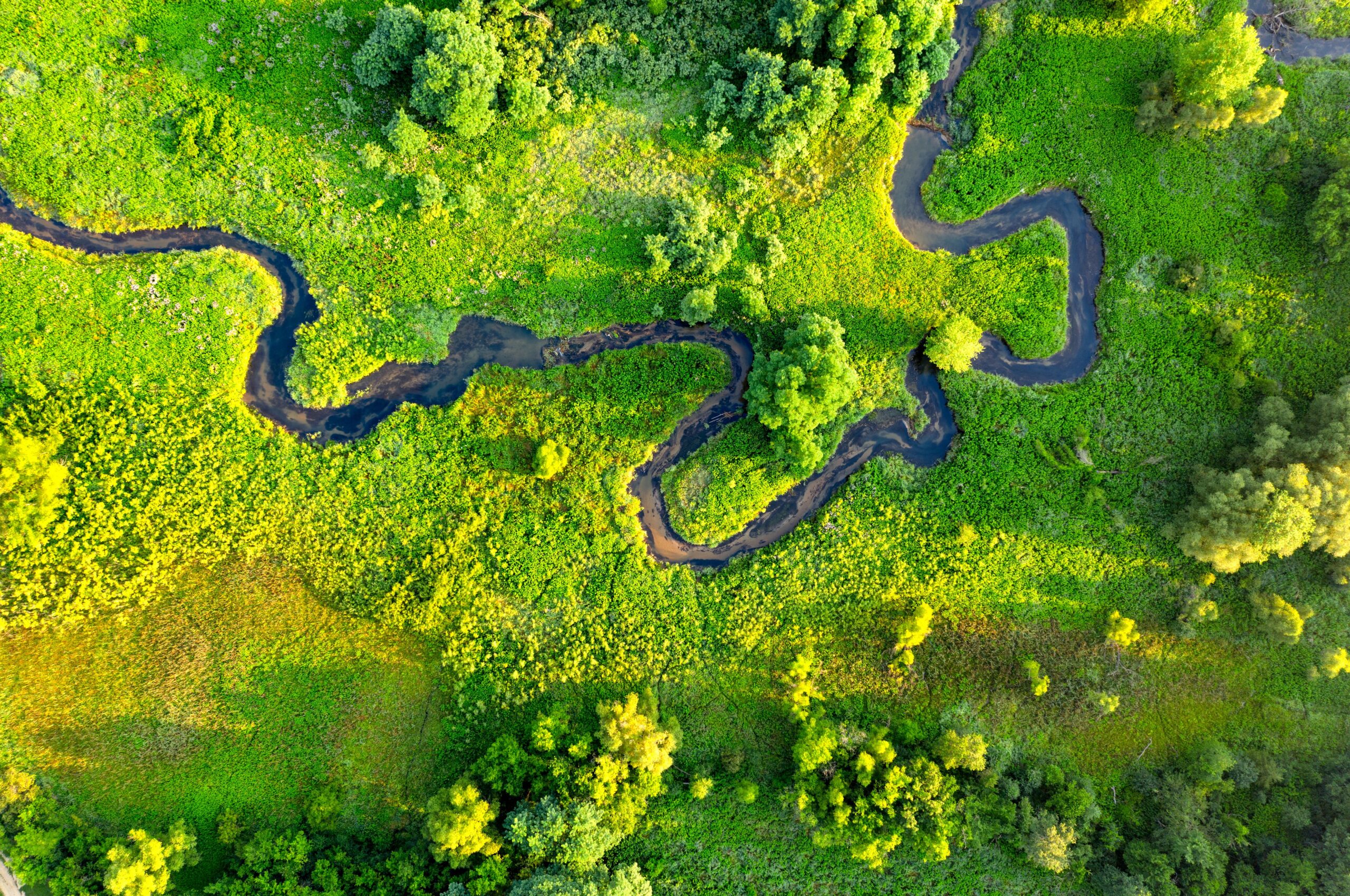
Good health begins with proper nutrition.
Agricultural biodiversity supports food production by maintaining healthy soils, encouraging pollination, controlling pests naturally, and improving crop resilience.
Modern agriculture often relies heavily on a limited number of crops. While this approach can increase efficiency, it may also create vulnerabilities to disease outbreaks, changing weather patterns, and environmental disruptions.
Biodiversity strengthens food systems by increasing genetic variation and ecosystem stability.
Access to diverse foods contributes to healthier diets, stronger immune systems, and lower rates of chronic disease. In this way, biodiversity healthcare directly influences everyday health outcomes for millions of people.
Clean Water, Clean Air, Better Health
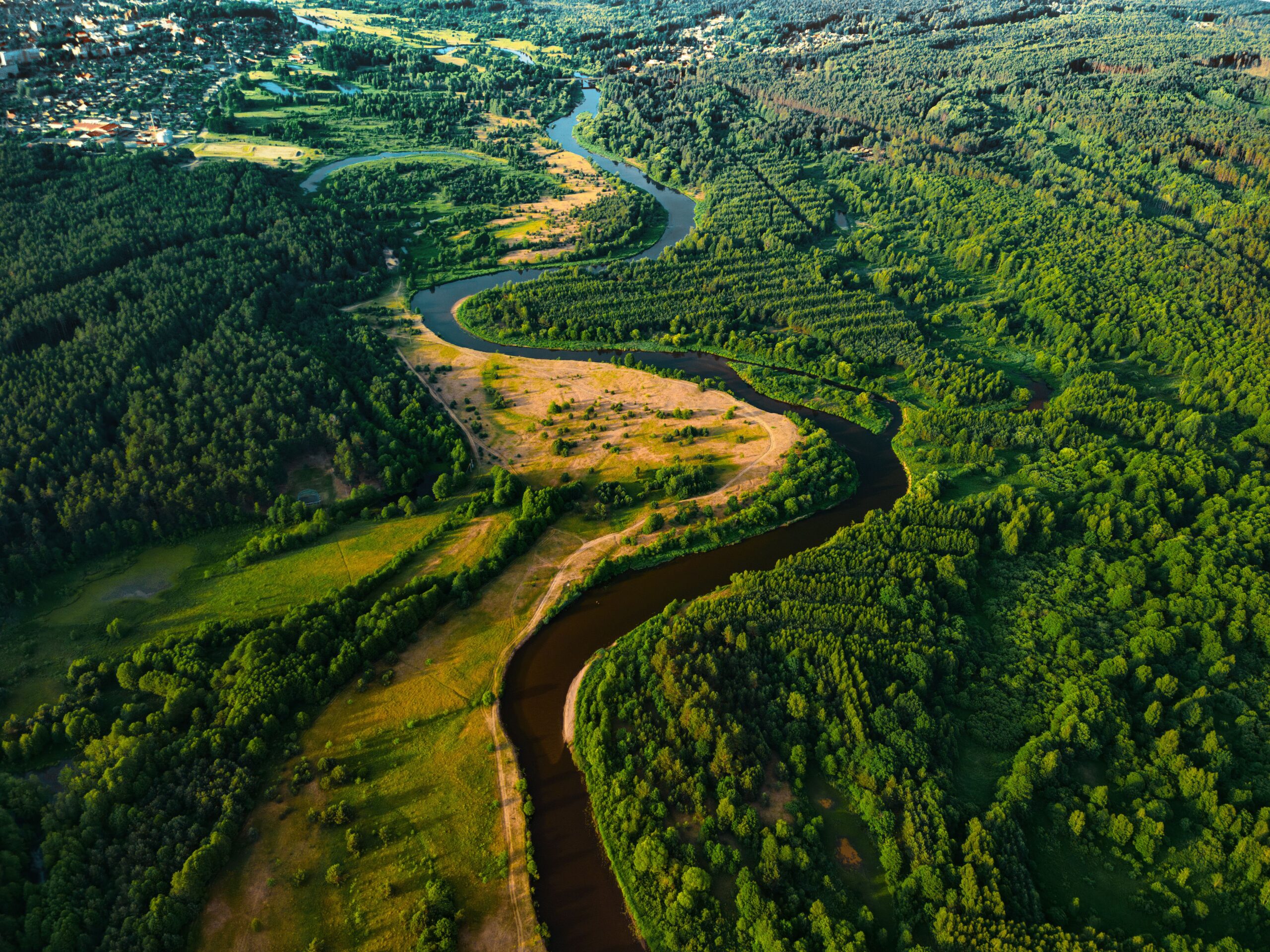
Many healthcare costs arise from environmental factors.
Air pollution contributes to respiratory diseases, cardiovascular conditions, and premature deaths. Contaminated water increases the risk of infectious diseases and long-term health complications.
Healthy ecosystems naturally help address these challenges.
Forests absorb pollutants and release oxygen. Wetlands filter contaminants from water sources. Coastal ecosystems reduce storm impacts and protect communities from environmental hazards.
These ecosystem services function as natural healthcare infrastructure.
Replacing them through artificial systems would require enormous financial investment and may never achieve the same efficiency as functioning natural environments.
Biodiversity Healthcare and Sustainable Medicine

Healthcare itself has an environmental footprint.
Hospitals consume energy, generate waste, and depend on complex supply chains. As sustainability becomes a priority, healthcare organizations are exploring ways to reduce environmental impacts while improving patient outcomes.
Biodiversity healthcare encourages hospitals and healthcare providers to adopt practices such as:
- Sustainable procurement
- Green infrastructure
- Native landscaping
- Waste reduction programs
- Environmentally responsible construction
- Community conservation partnerships
These initiatives help create healthcare systems that support both people and the environment.
Why Biodiversity Matters for Future Generations

Future healthcare challenges will require innovative solutions.
Climate change, antibiotic resistance, emerging infectious diseases, and growing population pressures will test healthcare systems worldwide.
Biodiversity offers resilience.
Diverse ecosystems adapt more effectively to environmental changes. They continue providing essential services that support human survival and well-being.
Protecting biodiversity today helps ensure that future generations inherit a world capable of supporting healthy communities.
The healthcare decisions made today will influence not only current populations but also the medical opportunities available decades from now.
The Future of Biodiversity Healthcare

The future of medicine is not confined to hospitals and laboratories. It extends into forests, rivers, oceans, wetlands, and every ecosystem that supports life on Earth.
Biodiversity healthcare represents a holistic approach to human well-being—one that recognizes the deep connections between environmental health and medical outcomes.
As governments, healthcare providers, researchers, and communities work to address global health challenges, biodiversity must become part of the conversation.
Protecting nature is no longer simply an environmental objective. It is a healthcare strategy.
The evidence is increasingly clear: healthier ecosystems lead to healthier people. By embracing biodiversity healthcare, society can create a future where environmental sustainability and human well-being advance together, ensuring stronger healthcare systems and better quality of life for generations to come.