



Modern fitness often emphasizes lifting heavier weights, burning more calories, and pushing the body to its limits. While these methods can produce short-term results, many people eventually experience fatigue, hormonal imbalance, poor recovery, chronic inflammation, or burnout.
The Ayurvedic Fitness Blueprint offers a different perspective. Instead of forcing the body to adapt through extreme exercise and restrictive diets, Ayurveda teaches us to work with our body’s natural rhythms. This ancient Indian science of health focuses on creating harmony between the body, mind, digestion, and energy systems.
By following an Ayurvedic Fitness Blueprint, you can build lean muscle, improve endurance, accelerate recovery, maintain healthy metabolism, and sustain high energy levels throughout life—not just during your workout.
This guide explores how Ayurvedic principles can transform your fitness journey naturally.
What Is the Ayurvedic Fitness Blueprint?
The Ayurvedic Fitness Blueprint is a holistic system that combines:
- Personalized nutrition
- Daily routines (Dinacharya)
- Exercise according to body constitution
- Herbal support
- Rest and recovery
- Stress management
- Mind-body awareness
Unlike generic fitness programs, Ayurveda recognizes that every individual has unique physical and mental characteristics known as Doshas.
These include:
- Vata
- Pitta
- Kapha
Understanding your dominant dosha helps determine the ideal exercise style, diet, sleep routine, and recovery practices.
Why Modern Fitness Often Fails
Many people:
- Overtrain
- Under-eat
- Ignore recovery
- Consume processed supplements
- Sleep poorly
- Experience chronic stress
Eventually they notice:
- Low energy
- Plateaus
- Hormonal imbalance
- Poor digestion
- Slow muscle recovery
- Weight gain
The Ayurvedic Fitness Blueprint addresses these root causes rather than masking symptoms.
Ayurveda’s View of Fitness
In Ayurveda, true fitness is measured by:
- Strong digestion (Agni)
- Balanced Doshas
- Healthy tissues (Dhatus)
- Stable energy
- Clear mind
- Restful sleep
- Emotional resilience
Physical appearance becomes a natural result—not the primary goal.
The Seven Pillars of the Ayurvedic Fitness Blueprint
1. Build a Strong Digestive Fire (Agni)
Ayurveda believes digestion determines health.
Weak digestion leads to:
- Poor nutrient absorption
- Fat accumulation
- Fatigue
- Toxin buildup (Ama)
Ways to strengthen Agni include:
- Eating freshly cooked meals
- Drinking warm water
- Avoiding overeating
- Eating at regular times
- Using digestive spices
Helpful spices:
- Ginger
- Black pepper
- Turmeric
- Cumin
- Coriander
- Fennel
A strong digestive system supports stronger muscles and faster recovery.
2. Eat According to Your Dosha
Vata
Characteristics:
- Lean
- Fast metabolism
- Variable appetite
Best foods:
- Warm soups
- Rice
- Ghee
- Sweet potatoes
- Oats
- Sesame
Avoid:
- Cold foods
- Raw salads
- Excess fasting
Pitta
Characteristics:
- Athletic
- Strong digestion
- Heat intolerance
Best foods:
- Coconut
- Cucumber
- Leafy greens
- Sweet fruits
- Rice
- Milk
Avoid:
- Excess chili
- Alcohol
- Fried foods
Kapha
Characteristics:
- Strong build
- Slow metabolism
- Gains weight easily
Best foods:
- Vegetables
- Beans
- Millet
- Barley
- Apples
- Ginger tea
Avoid:
- Sugar
- Heavy dairy
- Fried foods
- Excessive sleep
Protein in Ayurveda
Ayurveda values whole-food protein instead of relying solely on supplements.
Excellent sources include:
- Mung beans
- Lentils
- Chickpeas
- Paneer
- Yogurt
- Milk
- Almonds
- Pumpkin seeds
- Sesame seeds
For non-vegetarians:
- Eggs
- Fish
- Organic chicken
Balanced protein intake supports tissue regeneration (Mamsa Dhatu).
Healthy Fats Build Strength
Healthy fats nourish hormones and improve recovery.
Best Ayurvedic fats:
- Ghee
- Coconut
- Olive oil
- Sesame oil
- Flaxseed
- Walnuts
Healthy fats also help lubricate joints and calm Vata.
also read: Powerful Ayurvedic Anti-Aging Secrets That Actually Work
Natural Energy Instead of Stimulants
Rather than depending on caffeine and sugary energy drinks, Ayurveda encourages sustainable vitality through:
- Proper sleep
- Balanced meals
- Herbal adaptogens
- Mindful breathing
- Hydration
This creates lasting energy without crashes.
Exercise According to Your Body Type
Vata Workouts
Ideal:
- Yoga
- Walking
- Pilates
- Light strength training
- Swimming
Avoid excessive HIIT.
Pitta Workouts
Ideal:
- Moderate strength training
- Cycling
- Hiking
- Swimming
- Functional fitness
Avoid excessive competition.
Kapha Workouts
Best:
- HIIT
- Running
- CrossFit
- Heavy lifting
- Circuit training
Kapha benefits from vigorous movement.
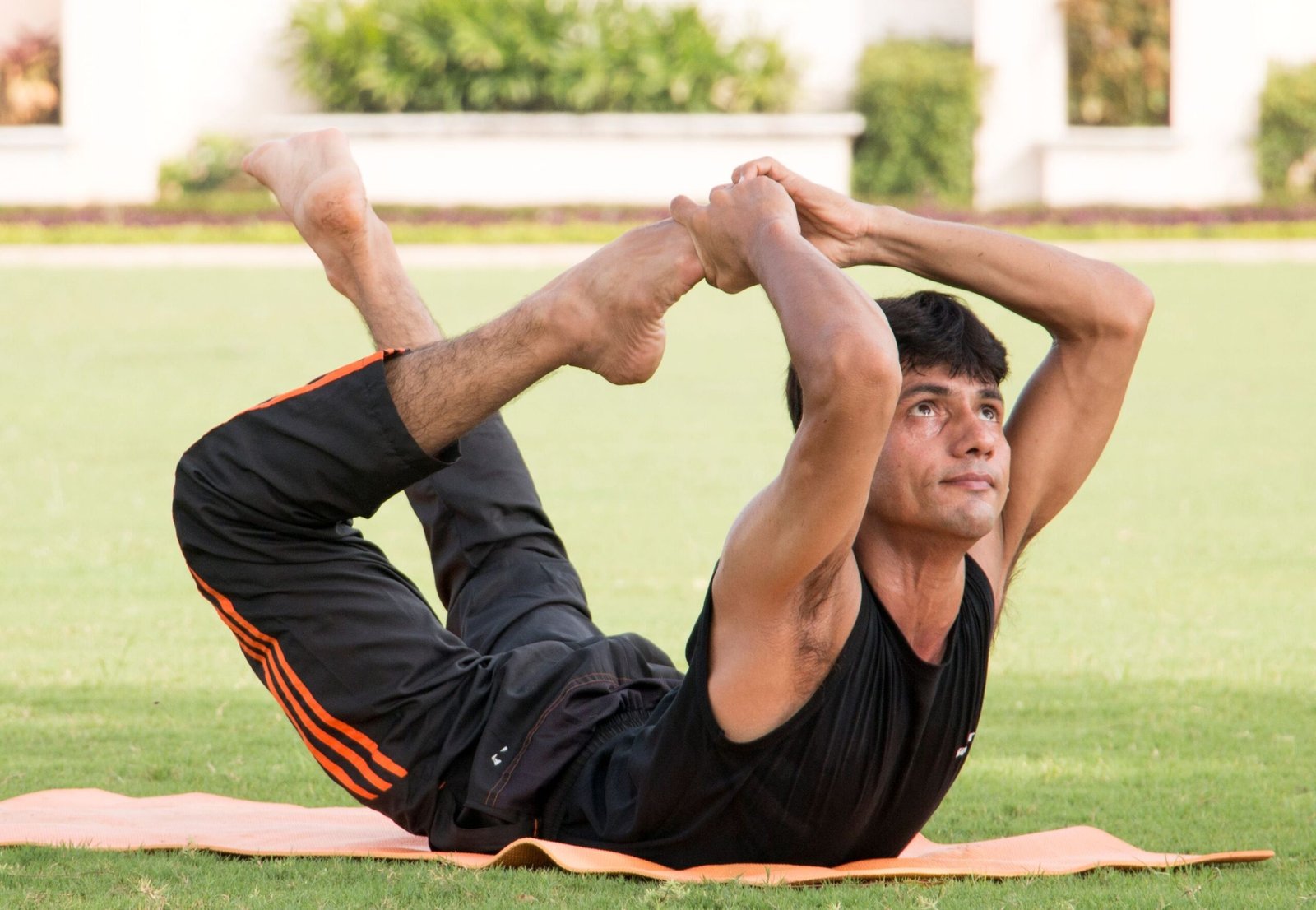
Importance of Recovery
Recovery is where growth occurs.
The Ayurvedic Fitness Blueprint emphasizes:
- Massage (Abhyanga)
- Stretching
- Breathwork
- Quality sleep
- Meditation
Skipping recovery slows progress.
Ayurvedic Herbs for Strength
Several traditional herbs have long been used in Ayurveda to support vitality and recovery. While some have shown promising effects in research, they should complement—not replace—a balanced diet and exercise routine. Consult a qualified healthcare professional before using herbal supplements, especially if you have medical conditions or take medications.
Ashwagandha
Benefits:
- Supports stress resilience
- May aid muscle recovery
- Promotes restful sleep
Shatavari
Supports:
- Hormonal balance
- Recovery
- Energy
Gokshura
Traditionally used for:
- Endurance
- Stamina
- Strength
Amalaki
Rich in antioxidants.
Supports:
- Immunity
- Recovery
- Healthy aging
Triphala
Supports:
- Digestion
- Detoxification
- Gut health
The Importance of Sleep
Muscles grow during recovery—not while lifting weights.
Ayurveda recommends:
- Sleeping before 10 PM
- Maintaining consistent sleep schedules
- Avoiding screens before bed
- Eating lighter dinners
Quality sleep enhances recovery, hormone balance, and overall fitness.
Daily Ayurvedic Fitness Routine
Morning:
- Wake before sunrise
- Drink warm water
- Gentle stretching
- Meditation
- Exercise
- Nourishing breakfast
Afternoon:
- Largest meal of the day
- Stay hydrated
- Brief walk after lunch
Evening:
- Light dinner
- Gentle yoga
- Reading
- Sleep before 10 PM
Hydration the Ayurvedic Way
Instead of consuming ice-cold drinks, Ayurveda recommends:
- Warm water
- Herbal teas
- Cumin water
- Coriander water
- Fennel tea
These beverages support digestion.
Breathwork for Endurance
Pranayama improves:
- Oxygen delivery
- Lung capacity
- Mental focus
- Recovery
Excellent practices:
- Nadi Shodhana
- Bhramari
- Ujjayi
- Kapalabhati (best suited for appropriate individuals and should be learned correctly)
Yoga for Functional Strength
Yoga develops:
- Core stability
- Mobility
- Balance
- Flexibility
- Coordination
Powerful poses include:
- Warrior Pose
- Chair Pose
- Plank
- Boat Pose
- Crow Pose
Mental Fitness Matters
Ayurveda recognizes the connection between the mind and body.
Stress increases cortisol, which may contribute to poor recovery, disturbed sleep, and reduced training quality.
Helpful habits include:
- Meditation
- Gratitude journaling
- Nature walks
- Digital detox
- Deep breathing
Foods That Boost Stamina
Choose:
- Dates
- Bananas
- Almonds
- Ghee
- Rice
- Sweet potatoes
- Lentils
- Fresh fruits
- Seasonal vegetables
These provide sustained energy.
Foods That Reduce Energy
Limit:
- Processed sugar
- Soft drinks
- Deep-fried foods
- Alcohol
- Refined flour
- Artificial additives
Seasonal Fitness According to Ayurveda
Summer
Focus:
- Hydration
- Cooling foods
- Swimming
- Moderate workouts
Winter
Best season for:
- Strength training
- Muscle gain
- Heavier meals
Monsoon
Choose:
- Indoor workouts
- Warm meals
- Good digestion support
Common Fitness Mistakes Ayurveda Avoids
The Ayurvedic Fitness Blueprint discourages:
- Overtraining
- Skipping meals
- Excessive fasting
- Poor sleep
- Eating processed foods
- Ignoring digestion
- Excessive supplementation
Sample One-Day Ayurvedic Fitness Meal Plan
Morning
- Warm lemon water
- Soaked almonds
Breakfast
- Oats with dates
- Cardamom
- Ghee
Snack
- Fruit
Lunch
- Rice
- Dal
- Vegetables
- Ghee
Pre-workout
- Banana
- Herbal tea
Dinner
- Khichdi
- Vegetable soup
Before bed
- Warm turmeric milk (if tolerated)
Long-Term Benefits of the Ayurvedic Fitness Blueprint
Following the Ayurvedic Fitness Blueprint consistently may help support:
- Better energy levels
- Improved digestion
- Lean muscle development
- Enhanced stamina
- Healthier body composition
- Improved sleep quality
- Better stress management
- Joint comfort
- Sustainable fitness habits
- Overall well-being
Frequently Asked Questions
Can beginners follow the Ayurvedic Fitness Blueprint?
Yes. The principles can be adapted to all fitness levels. Starting with simple routines and gradually increasing intensity is often the most sustainable approach.
Is Ayurveda suitable for muscle building?
Ayurveda supports muscle development through balanced nutrition, strength training, proper digestion, adequate rest, and personalized lifestyle practices. Muscle growth still depends on progressive exercise and sufficient protein and calories.
Do I need supplements?
Not necessarily. Many people can meet their nutritional needs through a balanced diet. Supplements should only be considered when appropriate and ideally under professional guidance.
Can Ayurveda help improve stamina?
Ayurvedic practices such as balanced nutrition, regular exercise, quality sleep, stress management, and appropriate herbs may support endurance and recovery over time.
Is this approach good for weight loss?
The Ayurvedic Fitness Blueprint promotes healthy metabolism and sustainable habits, which can support weight management when combined with an appropriate calorie intake and physical activity.
Conclusion
The Ayurvedic Fitness Blueprint is more than an exercise plan—it’s a comprehensive approach to lifelong health. By focusing on balanced nutrition, personalized movement, restorative sleep, mindful breathing, stress reduction, and strong digestion, Ayurveda encourages sustainable strength, stamina, and vitality.
Unlike quick fixes or extreme fitness trends, this blueprint emphasizes consistency and harmony with your body’s natural rhythms. Whether your goal is to gain lean muscle, improve endurance, maintain a healthy weight, or simply feel more energetic every day, integrating Ayurvedic principles into your routine can help create lasting wellness from the inside out.
Remember that lasting fitness is not just about how much you lift or how fast you run—it’s about building a body and mind that remain resilient, energized, and healthy for years to come.