

Healthcare is entering a new era. Instead of waiting for symptoms to appear and then treating disease, more people are becoming interested in understanding their health earlier, identifying potential risks, and making informed lifestyle changes before problems become serious.
At the center of this transformation is personalized health.
Personalized health combines individual information with modern technology to create a more tailored approach to prevention and wellness. Instead of assuming that the same diet, exercise routine, sleep schedule, or health strategy works equally well for everyone, personalized health looks at differences between individuals.
These differences can include age, lifestyle, family history, environment, physical activity, sleep patterns, nutrition, medical history, and—in some cases—genetic information.
Technology is making it easier to collect and understand some of this information. Wearable devices can monitor activity and sleep. Mobile applications can track nutrition and habits. Connected health devices can record measurements at home. Artificial intelligence can help organize large amounts of information and identify patterns.
The result is a shift from occasional health measurements toward continuous awareness.
However, technology alone does not guarantee better health. Data needs context, accurate interpretation, privacy protections, and appropriate professional guidance. The goal of personalized health should not be to measure everything. It should be to use useful information to make better decisions.
So, what does this new era of personalized health actually mean, and how could technology change prevention in the years ahead?
What Is Personalized Health?
Personalized health is an approach to health and wellness that recognizes that individuals have different needs, risks, behaviors, environments, and responses to lifestyle factors.
Traditional health advice often uses population-level recommendations. These recommendations can be valuable because they are based on research involving large groups of people. But individual responses can vary considerably.
For example, two people may eat similar meals but experience different changes in energy or blood glucose. Two people may sleep for the same number of hours but wake up feeling very different. Two people following the same exercise program may experience different improvements in fitness.
Personalized health attempts to account for these differences.
It can involve several types of information:
- Lifestyle habits
- Physical activity
- Sleep patterns
- Nutrition
- Family history
- Medical history
- Blood measurements
- Heart rate
- Blood pressure
- Body composition
- Environmental factors
- Genetic information
- Stress and recovery patterns
The amount of information used depends on the specific health program or technology.
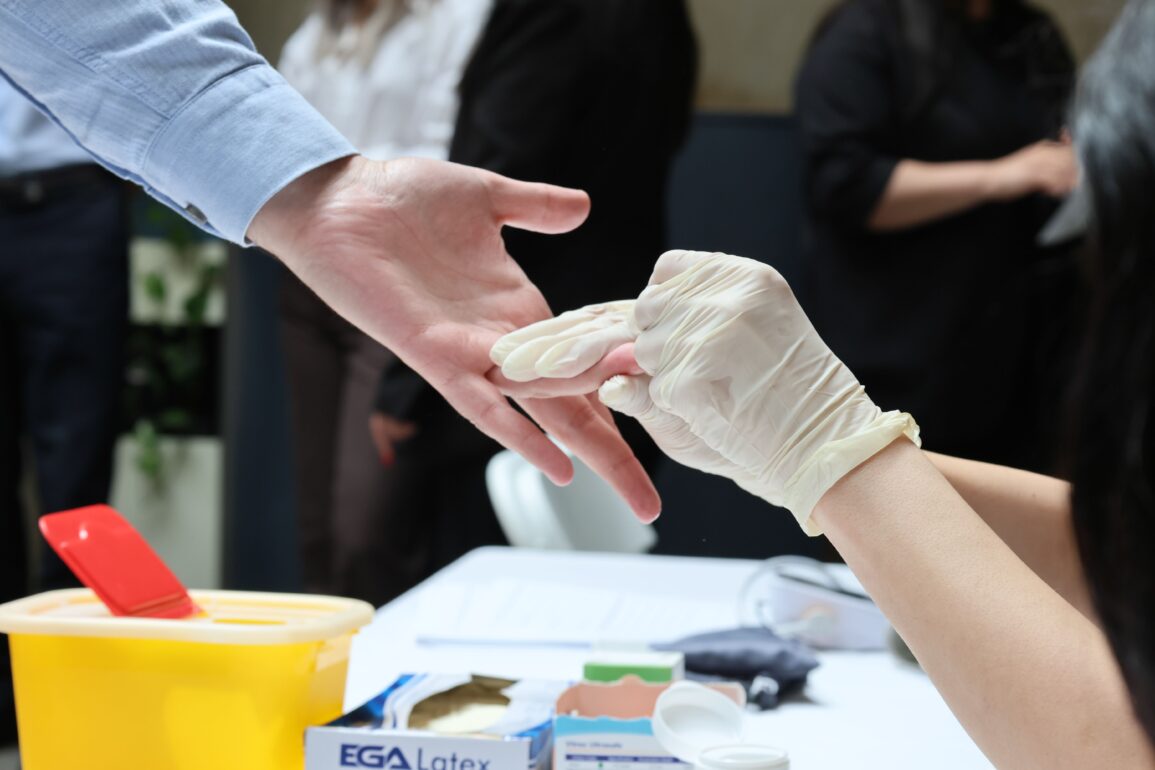
Importantly, personalized health should not mean replacing medical care with an app or wearable device. Instead, technology can provide additional information that may help individuals and healthcare professionals understand health patterns more effectively.
Why Personalized Health Is Growing
Several major trends are contributing to the growth of personalized health.
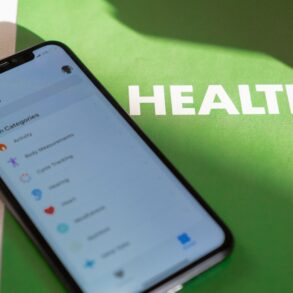
First, health technology has become increasingly accessible. Smartphones, smartwatches, fitness trackers, home blood-pressure monitors, connected scales, and other devices can collect health-related information outside traditional medical settings.
Second, people are becoming more interested in prevention.
Rather than thinking about health only when they become sick, many individuals want to maintain energy, mobility, metabolic health, cognitive performance, and independence throughout life.
Third, artificial intelligence and data analysis are making it easier to process large amounts of information.
A person may generate thousands of data points from daily activity, sleep, heart rate, exercise, nutrition, and other measurements. Humans are not naturally good at identifying subtle patterns across such large datasets.
Technology can help organize these measurements.
Fourth, healthcare is increasingly recognizing that risk factors can differ between individuals.
A person’s age, genetics, environment, lifestyle, family history, and existing conditions can all influence health outcomes.
This creates an opportunity for a more individualized prevention strategy.
From Reactive Healthcare to Preventive Health
One of the biggest changes associated with personalized health is the movement from reactive care toward prevention.
Reactive healthcare generally begins when a person develops symptoms or a measurable health problem. Diagnosis and treatment then become the priority.
Prevention takes a different approach.
The goal is to identify risk factors earlier and support behaviors that can reduce the likelihood of future disease or complications.
Technology can support this process by making health information more visible.
For example, someone may discover through regular monitoring that their physical activity has gradually declined. Another person may notice that their sleep schedule has become increasingly irregular. Someone else may recognize that prolonged periods of inactivity occur repeatedly during the workday.
These observations do not automatically indicate disease.
But they can provide useful signals.
The important point is that personalized health can turn invisible patterns into visible information.
Once a pattern becomes visible, an individual can decide whether a lifestyle change, discussion with a healthcare professional, or further evaluation is appropriate.
Wearable Technology and Personalized Health
Wearable technology is one of the most visible examples of personalized health in everyday life.
Smartwatches and fitness trackers can collect information such as:
- Steps
- Movement
- Exercise duration
- Heart rate
- Sleep estimates
- Workout intensity
- Calories burned
- Some measures of cardiovascular performance
The exact features vary significantly between devices.
The major advantage of wearable technology is frequency.
Traditional health assessments may happen periodically. Wearables can collect information throughout the day.
This can help individuals recognize trends instead of focusing on a single measurement.
For example, a person might discover that their activity is consistently lower on workdays than weekends. Instead of simply setting a vague goal to “exercise more,” they could introduce short walking breaks during working hours.
This illustrates an important principle of personalized health:
Better data can support better questions.
A wearable cannot explain every health problem. But it can sometimes reveal patterns worth paying attention to.
read also: The Biggest Health Trends Shaping 2026: What You Need to Know
Artificial Intelligence and the Future of Prevention
Artificial intelligence is becoming an increasingly important component of personalized health.
Modern AI systems can analyze large datasets much faster than a person manually reviewing every measurement.
Potential applications include identifying patterns in health data, supporting risk assessment, assisting clinical decision-making, organizing medical information, and helping individuals understand complex health information.
For example, an AI-enabled system could potentially combine information from activity records, sleep patterns, nutrition logs, and other measurements to identify behavioral trends.
However, AI-generated health information should be treated carefully.
An algorithm can identify correlations without proving that one factor caused another.
For example, if poor sleep and reduced exercise frequently appear together in someone’s data, that does not automatically establish which factor caused the other.
AI can support health decisions, but it should not be treated as an unquestionable authority.
Human judgment remains important.
Personalized Nutrition
Nutrition is another major area where personalized health is developing.
General dietary guidance provides useful foundations, but nutritional needs can vary depending on age, activity level, health conditions, food preferences, lifestyle, and other factors.
Technology can help people understand their eating patterns.
Food-tracking applications can provide information about:
- Calories
- Protein
- Carbohydrates
- Fat
- Fiber
- Micronutrients
- Meal timing
- Food frequency
Some newer approaches also examine how individuals respond to specific foods.
For example, continuous glucose monitoring has attracted interest beyond traditional diabetes management, including research into individual glucose responses to meals.
However, a single measurement should not be interpreted in isolation.
Nutrition is complex, and dietary decisions should consider the overall pattern of eating rather than focusing excessively on one number.
A personalized health strategy should ideally make nutrition simpler and more sustainable—not create constant anxiety about food.
Genetic Information and Personalized Health
Genetics represents another area of personalized health.
Genetic testing can provide information about certain inherited traits and, depending on the test, potential disease risks or medication-related factors.
This information can sometimes contribute to preventive healthcare.
However, genetic information requires careful interpretation.
Having a genetic variant associated with a particular condition does not necessarily mean that a person will develop that condition. Similarly, not having a particular variant does not guarantee protection.
Health outcomes are influenced by interactions between genetics, lifestyle, environment, and other biological factors.
Therefore, genetic information is most useful when interpreted within the broader context of a person’s health.
The future of personalized health is unlikely to be based on genetics alone. Instead, genetics may become one component of a much larger health profile.
Continuous Health Monitoring
Another important development is the shift toward continuous monitoring.
Instead of measuring health only during occasional appointments, connected devices can provide information over longer periods.
This can be useful because health is dynamic.
Heart rate changes throughout the day. Sleep varies from night to night. Physical activity fluctuates. Stress levels change. Eating patterns can shift with work schedules, travel, and social events.
Continuous data can reveal patterns that occasional measurements might miss.
However, continuous monitoring has a potential downside: information overload.
More data is not always better.
If someone checks their health metrics dozens of times every day without understanding what the numbers mean, technology can create confusion rather than clarity.
The future of personalized health therefore depends not only on collecting information but also on identifying which measurements are genuinely useful.
The Role of Home Health Technology
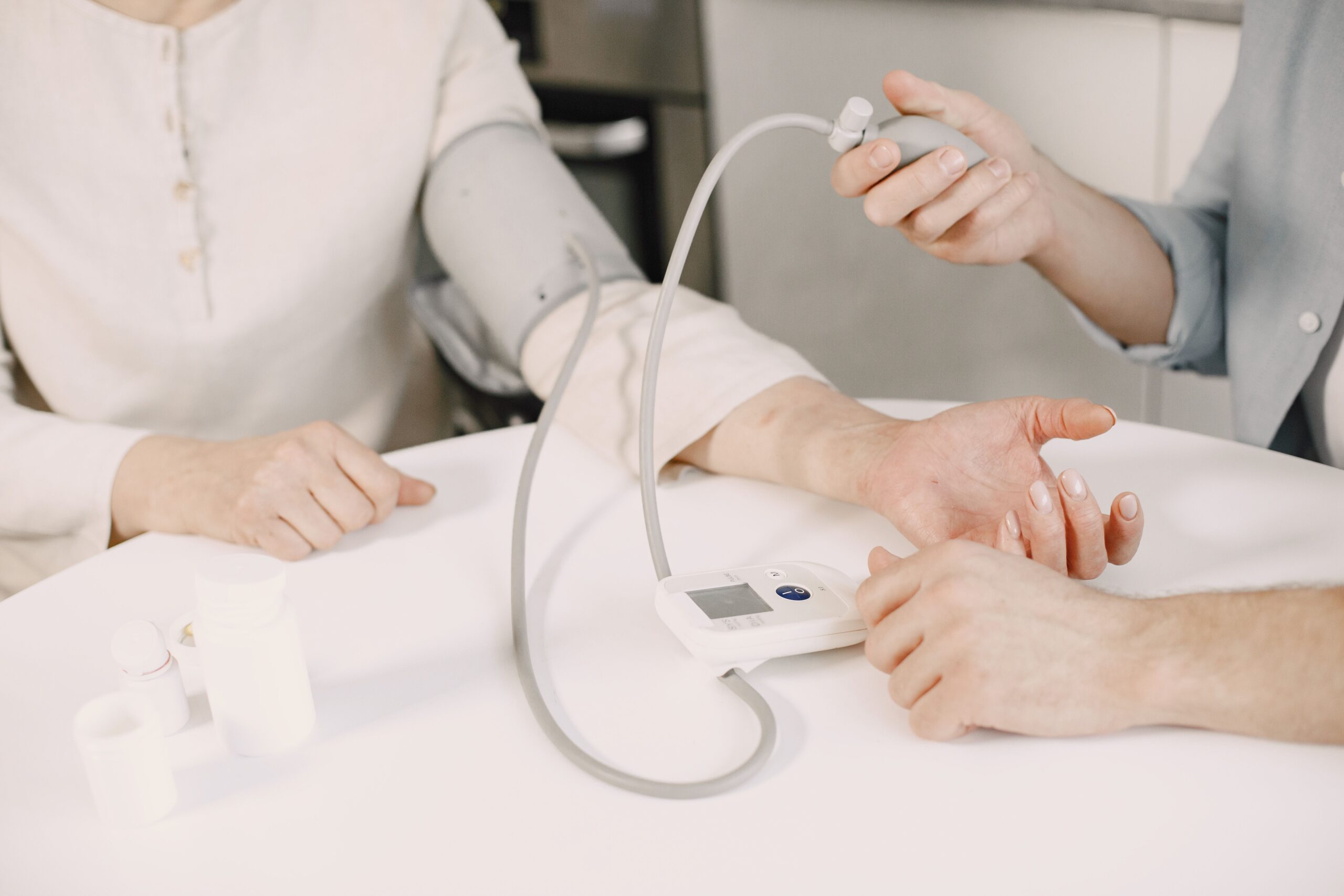
Home health technology is making certain forms of monitoring more convenient.
Depending on individual circumstances, people may use devices for measuring:
- Blood pressure
- Blood glucose
- Weight
- Temperature
- Oxygen saturation
- Heart rate
- Physical activity
This can make health monitoring more accessible.
For individuals managing certain chronic conditions, home measurements can also provide healthcare professionals with useful information between appointments.
But accuracy matters.
Home devices can produce inaccurate results if they are poorly maintained, incorrectly positioned, or used according to improper procedures.
Personalized health technology should therefore complement appropriate medical evaluation rather than replace it.
Personalized Sleep Health
Sleep is becoming another major area of personalized health.
People often hear that adults should get a certain number of hours of sleep, but sleep quality and regularity also matter.
Technology can help individuals understand their sleep schedules.
Wearables and smartphone applications may estimate:
- Sleep duration
- Bedtime
- Wake time
- Sleep consistency
- Nighttime movement
- Certain sleep stages
These measurements can help people identify habits.
For example, someone may notice that their sleep becomes shorter when they use screens late at night or when their bedtime changes significantly.
The goal should not be perfect sleep scores.
Instead, personalized health technology can encourage people to identify practical behaviors that support regular, restorative sleep.
Personalized Exercise Strategies
Exercise is not a one-size-fits-all activity.
People differ in age, fitness level, mobility, experience, preferences, goals, and health status.
Technology can help personalize exercise by tracking activity and adapting recommendations.
A beginner might need gradual progression, while an experienced athlete may require a more structured training program.
Wearables can provide information about exercise duration, heart rate, pace, and recovery-related metrics.
This can help users understand how their bodies respond to different forms of activity.
However, technology should not encourage people to ignore pain or continually chase performance metrics.
The most sustainable exercise strategy is one that can be performed consistently and safely.
Personalized health should support long-term function rather than short-term obsession with numbers.
Digital Health Coaching
Digital health coaching is another growing area.
Health applications can provide reminders, educational content, habit tracking, goal setting, and behavioral prompts.
For some people, these features can make healthy behaviors easier to maintain.
For example, a person trying to increase daily movement may benefit from reminders to stand or walk periodically.
Someone trying to improve sleep may benefit from a consistent bedtime reminder.
Someone working on nutrition may use meal-planning tools.
The effectiveness of these systems depends heavily on design and individual engagement.
A reminder that becomes annoying may eventually be ignored.
Personalized health technology works best when it fits naturally into a person’s routine.
Prevention Through Early Risk Awareness
One of the most important potential benefits of personalized health is earlier awareness of risk factors.
Many chronic health problems develop gradually.
Lifestyle patterns may change over months or years.
Weight can increase slowly. Physical activity can decline gradually. Sleep can become increasingly irregular. Blood pressure can rise without obvious symptoms.
Technology may help people notice these changes earlier.
This does not mean that technology can predict every disease.
Instead, it can encourage a more proactive relationship with health.
The earlier someone recognizes an unfavorable trend, the sooner they may have an opportunity to discuss it with a healthcare professional and consider appropriate changes.
Personalized Health and Chronic Disease Management
Personalized health can also support people who already live with chronic conditions.
Digital tools may help patients track symptoms, medications, measurements, appointments, and lifestyle factors.
For example, a person managing a chronic condition may record daily measurements and share relevant information with their healthcare team.
This can potentially provide a more detailed picture than a single appointment every few months.
However, medical decisions should be based on validated clinical information and professional assessment.
Personalized technology should enhance communication between patients and healthcare professionals rather than create a separate healthcare system disconnected from medical care.
The Importance of Health Data Privacy
As personalized health grows, privacy becomes increasingly important.
Health information is highly personal.
Wearables, smartphones, health applications, genetic testing services, and connected devices can collect large amounts of sensitive information.
Consumers should understand:
- What information a device collects
- Where the data is stored
- Who can access it
- Whether data is shared with third parties
- How long information is retained
- What privacy controls are available
Convenience should not come at the expense of privacy.
Responsible personalized health requires strong data protection and transparency.
Users should have meaningful control over their health information.
The Risk of Too Much Personalization
Although personalized health offers many opportunities, there is also a potential downside.
People can become overly focused on optimization.
Every meal can become a calculation. Every workout can become a performance test. Every night of sleep can become a score.
This can turn wellness into a constant monitoring exercise.
Health is more than a collection of numbers.
Human relationships, enjoyment, purpose, social connection, mental wellbeing, and quality of life are also important.
The most useful personalized health strategy is therefore not necessarily the one with the greatest amount of data.
It is the one that provides useful information without overwhelming the individual.
Personalized Health and Preventive Screenings
Technology does not replace established preventive healthcare.
Routine medical checkups, vaccinations, age-appropriate screenings, dental care, and professional risk assessments remain important components of prevention.
Personalized health can complement these approaches by helping individuals understand everyday patterns.
For example, a health application might encourage someone to schedule a screening or checkup based on a reminder.
But technology should not determine whether someone needs medical evaluation by itself.
Preventive healthcare works best when digital tools and professional care work together.
The Future of Personalized Health
The future may involve increasingly connected health ecosystems.
Imagine a situation where an individual’s health information is securely integrated across several platforms.
Activity data could provide information about movement.
Sleep data could reveal recovery patterns.
Nutrition records could show eating habits.
Medical records could provide clinical context.
Laboratory results could offer biological measurements.
AI systems could help organize this information into understandable patterns.
The goal would not necessarily be to create an enormous dashboard filled with numbers.
Instead, the goal would be to transform complex information into practical insights.
For example:
What changed?
Why might it matter?
What should I discuss with my healthcare professional?
What healthy behavior can I realistically change?
These questions are more valuable than simply collecting more data.
How to Use Personalized Health Technology Wisely
People do not need dozens of devices to benefit from personalized health.
A simple approach can be more effective.
1. Start With a Specific Goal
Choose one meaningful objective.
It could be improving sleep, increasing physical activity, supporting healthier nutrition, or monitoring a health measurement recommended by a healthcare professional.
2. Track Only Useful Information
Avoid measuring everything.
Select metrics that are connected to your goal.
3. Look for Trends
Do not overreact to one unusual measurement.
Patterns over time are generally more useful than isolated numbers.
4. Combine Technology With Healthy Habits
A wearable cannot replace exercise.
A nutrition app cannot replace balanced meals.
A sleep tracker cannot replace a consistent sleep schedule.
Technology should support healthy behavior.
5. Discuss Important Changes With Professionals
If your measurements suggest a concerning change, speak with an appropriate healthcare professional rather than relying solely on an application.
6. Protect Your Data
Review privacy settings and understand how your information is collected and used.
7. Avoid Obsessive Monitoring
Technology should reduce uncertainty, not create constant anxiety.
Personalized Health Is About the Individual
One of the most important ideas behind personalized health is simple: people are different.
A strategy that works extremely well for one person may not work equally well for another.
Differences in lifestyle, biology, environment, preferences, and circumstances all matter.
Technology provides an opportunity to recognize these differences.
But personalization should not become an excuse to ignore established health evidence.
The strongest approach combines both.
Population-level research provides the foundation.
Individual data provides additional context.
Professional healthcare provides interpretation and clinical judgment.
Together, these elements can create a more informed approach to prevention.
Technology Is Changing the Meaning of Prevention
Prevention used to be associated primarily with periodic checkups, screenings, vaccinations, and general lifestyle recommendations.
Those remain essential.
But technology is expanding the concept.
Prevention can increasingly involve understanding daily patterns and recognizing changes earlier.
Instead of asking only:
“Am I sick?”
people can begin asking:
“What can I learn about my health today?”
That shift is significant.
Personalized health encourages people to become active participants in their own health rather than passive recipients of healthcare.
The Human Side of Personalized Health
Despite all the technological advances, the future of health will not be purely technological.
A healthy lifestyle still depends on basic behaviors.
Eating nutritious foods.
Moving regularly.
Sleeping adequately.
Maintaining healthy relationships.
Managing stress.
Avoiding tobacco.
Limiting harmful alcohol use.
Following medical advice.
Getting preventive care.
Technology can support these behaviors, but it cannot perform them for us.
The most powerful personalized health strategy may therefore be surprisingly simple: use technology to understand yourself better, then use that knowledge to make realistic improvements.
Final Thoughts
Personalized health is changing how people think about prevention.
Wearables, artificial intelligence, mobile applications, connected devices, genetic information, and digital health platforms are creating new opportunities to understand individual health patterns.
Instead of relying exclusively on occasional measurements, people can increasingly access information about their everyday behaviors and physiological trends.
This shift could make prevention more proactive, more individualized, and more engaging.
But technology is not a substitute for medical care.
Data needs context. Algorithms need validation. Measurements need interpretation. Privacy needs protection.
The future of personalized health will ultimately depend on how responsibly these technologies are developed and used.
The goal should not be to monitor every aspect of life.
The goal should be to identify meaningful information, understand personal risk factors, support healthier habits, and encourage appropriate preventive care.
As technology continues to evolve, personalized health may become an increasingly important part of everyday wellness.
The real opportunity is not simply having more health data.
It is learning how to turn the right data into better decisions.