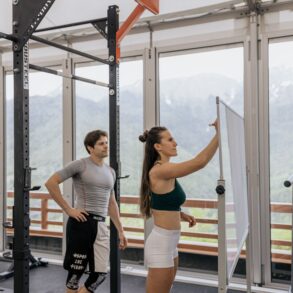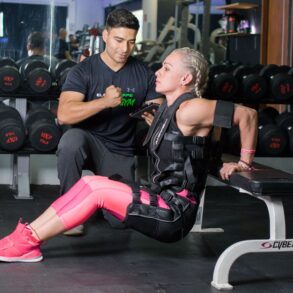



Starting a fitness journey is an exciting decision, but walking into a gym for the first time can feel intimidating. Rows of machines, racks of weights, treadmills, and experienced gym members can make beginners wonder where to start. You might have questions about which exercises to perform, how much weight to lift, how many days to train, and what to eat to achieve your fitness goals.
The good news is that you do not need to be an athlete or have previous workout experience to begin. With a practical plan, consistent effort, and a willingness to learn, you can build strength, improve endurance, increase mobility, and develop healthier habits.
Gym training for beginners is about learning the fundamentals of exercise, understanding your body, and developing a routine that you can maintain over time. Rather than trying to achieve dramatic results in a few weeks, beginners should focus on proper technique, gradual progress, adequate recovery, and consistency.
A successful gym routine does not have to be complicated. You can start with a few basic exercises, manageable weights, and two or three training sessions each week. As your fitness improves, you can gradually increase the difficulty of your workouts.
This complete guide to gym training for beginners explains how to prepare for your first workout, choose the right exercises, create a beginner-friendly training schedule, improve nutrition, avoid common mistakes, and stay motivated throughout your fitness journey.
Whether your goal is to build muscle, lose body fat, increase strength, or simply become more active, the principles in this guide will help you get started safely and confidently.
1. What Is Gym Training for Beginners?
Gym training for beginners is a structured approach to physical exercise designed for people who are new to strength training or returning after a long break. It combines basic resistance exercises, cardiovascular activity, mobility work, and recovery practices to improve overall fitness.
The primary goal is not to lift the heaviest weights or complete the most difficult workouts. Instead, beginners should learn how to move correctly, understand basic gym equipment, and establish a sustainable training habit.
A well-designed beginner routine generally includes four components:
- Strength training: Exercises that challenge your muscles using dumbbells, barbells, resistance machines, or body weight.
- Cardiovascular exercise: Activities such as walking, cycling, rowing, or using an elliptical machine to improve heart and lung fitness.
- Mobility and flexibility: Gentle movements that help maintain comfortable joint movement and improve exercise technique.
- Recovery: Rest, sleep, adequate nutrition, and appropriate spacing between demanding workouts.
These components work together to support long-term health and physical performance.
For example, a beginner might spend 35–45 minutes completing a full-body strength workout and finish with a short, comfortable walk. Another person might alternate strength training with cycling or brisk walking on separate days.
The ideal routine depends on your current fitness level, health, available time, and personal goals.
The most important principle is simple: start with a manageable routine and improve it gradually.
2. Define Your Fitness Goals Before Joining the Gym
Before beginning gym training for beginners, decide what you want to achieve. Your goals influence the exercises you choose, the intensity of your workouts, and the habits you need to develop outside the gym.
You do not need to have only one goal. Many beginners want to improve strength, build muscle, reduce body fat, and increase stamina simultaneously. However, identifying your main priority makes planning easier.
Goal 1: Build muscle
If you want to develop a stronger, more muscular physique, focus on resistance training, sufficient protein, adequate calories, and progressive overload.
Exercises such as squats, rows, chest presses, pulldowns, and hip hinges train several major muscle groups. Beginners can often make noticeable strength improvements with a consistent, well-structured routine.
Muscle growth takes time. Your progress will depend on training quality, nutrition, sleep, genetics, and consistency.
Goal 2: Lose body fat
If fat loss is your primary goal, combine resistance training with cardiovascular activity and sustainable eating habits.
Strength training helps preserve muscle during weight loss, while a manageable calorie deficit supports reductions in body weight over time. Walking, cycling, swimming, and other enjoyable activities can increase your overall energy expenditure.
Avoid relying exclusively on exhausting cardio sessions or restrictive diets. A routine you can maintain is generally more useful than an extreme approach that leaves you exhausted.
Goal 3: Increase strength
Strength development involves gradually improving your ability to lift, push, pull, and carry loads.
Beginners should first master exercise technique using light weights or body weight. Once their movements are controlled, they can gradually increase resistance or repetitions.
Goal 4: Improve stamina and general fitness
If your goal is to feel more energetic and improve everyday physical performance, combine strength exercises with aerobic activities.
Regular training can make activities such as climbing stairs, carrying shopping bags, walking longer distances, and completing daily tasks feel easier.
Goal 5: Develop a healthier lifestyle
You may not have a specific physique goal. You might simply want to become more active, improve your routine, and support long-term health.
That is a perfectly valid reason to start.
Beginner tip: Choose one primary goal and two supporting habits. For example, your primary goal could be building strength, while your supporting habits could be walking daily and sleeping consistently.
3. What Should You Do Before Your First Gym Workout?
Preparation makes gym training for beginners less stressful and more effective. You do not need expensive equipment or an elaborate supplement routine. A few practical steps are enough.
Choose a suitable gym
Look for a gym that is convenient to reach, fits your budget, and provides equipment suitable for your needs.
Consider these factors:
- Clean and well-maintained equipment.
- Enough space to exercise comfortably.
- Qualified trainers who can demonstrate proper technique.
- Convenient opening hours.
- A welcoming environment.
- Clear membership terms and safety procedures.
A gym close to your home or workplace may help you stay consistent because it reduces travel time.
Wear comfortable clothing
Choose breathable clothing that allows unrestricted movement. Wear stable athletic shoes appropriate for the exercises you plan to perform.
You do not need premium gym apparel. Comfort, fit, and suitability matter more than brand names.
Carry basic essentials
A beginner’s gym bag can contain:
- A reusable water bottle.
- A small towel.
- Comfortable training shoes.
- A change of clothes if needed.
- A workout notebook or fitness-tracking app.
Learn the equipment
Ask a trainer to show you how to adjust machines, select an appropriate starting weight, and use safety features.
Before using unfamiliar equipment, understand how to set the seat, position your body, and release the weight safely.
Do not feel embarrassed about asking questions. Learning is part of the process.
Start with realistic expectations
You may not understand every machine or exercise during your first visit. You might need extra time between sets, and your movements may initially feel awkward.
These experiences are normal.
Your first few workouts should focus on familiarity and confidence rather than maximum effort. Once you become comfortable with the environment, you can build a more structured routine.
also read: How to Build Muscle Faster: Smart Gym Strategies That Work
4. Understand the Basic Types of Gym Exercises
A good beginner program trains the major movement patterns instead of randomly selecting exercises.
Understanding these patterns helps you build a balanced workout.

1. Squat movements
Squats train the quadriceps, glutes, and other muscles involved in lower-body movement. Beginners can start with bodyweight squats, box squats, or light goblet squats.

2. Pushing movements
Chest presses, incline presses, and overhead presses develop the muscles involved in pushing. A chest press machine may be easier to learn than a barbell bench press.

3. Pulling movements
Seated rows, lat pulldowns, and dumbbell rows train the back and arm muscles. They complement pushing exercises and support balanced upper-body development.

4. Hip-hinge movements
Romanian deadlifts and other hip hinges train the glutes, hamstrings, and muscles that help stabilize the torso. Learn the movement with very light weights or without weights first.

5. Core exercises
Planks, dead bugs, and bird dogs develop core strength and control. A strong core helps you maintain a stable position during many exercises.

6. Cardiovascular exercises
Treadmill walking, stationary cycling, and elliptical training improve aerobic fitness. Begin at a comfortable intensity and increase duration gradually.
For most beginners, learning these movement patterns is more valuable than trying dozens of different exercises in a single session.
5. The Importance of Warming Up Before Training
A warm-up prepares you for the movements ahead. It gradually increases body temperature, improves readiness for exercise, and gives you an opportunity to practice movements before adding resistance.
Skipping the warm-up to save a few minutes is rarely a useful strategy, especially when you are learning unfamiliar exercises.
How to warm up properly
Start with approximately five minutes of easy cardio, such as walking on a treadmill or cycling at a comfortable pace.
Next, perform a few dynamic movements that match your planned workout. These might include arm circles, controlled bodyweight squats, hip hinges, or gentle shoulder movements.
Before a demanding strength exercise, complete one or two lighter practice sets if appropriate.
For example, before using a challenging weight on the chest press machine, begin with a very light load and rehearse the movement.
A good warm-up should leave you feeling prepared, not exhausted.
Avoid forcing deep stretches or performing vigorous movements that cause pain. The goal is to prepare your body for training, not to complete a separate workout before the main session begins.
6. Gym Training for Beginners: A Simple Weekly Workout Plan
One of the biggest challenges for beginners is deciding what to do each day. A simple schedule removes guesswork and helps you develop consistency.
For many healthy adults, starting with three nonconsecutive full-body strength sessions each week is a practical option. Two sessions can also be effective, especially if you have limited time or need a gentler introduction.
The following plan is an example, not a requirement. Adjust it to your current fitness level and any advice from your healthcare professional.
Beginner’s weekly training schedule
MON
Full-body strength workout
Learn basic pushing, pulling, squatting, hip-hinging, and core exercises.
TUE
Active recovery
Take a comfortable walk or perform gentle mobility exercises.
WED
Full-body strength workout
Repeat familiar exercises and focus on controlled technique.
THU
Cardio or rest
Choose easy cycling, walking, or complete rest according to your recovery.
FRI
Full-body strength workout
Practice your established routine and make small, sensible progressions when ready.
SAT
Optional light activity
Enjoy walking, recreational cycling, or another activity you like.
SUN
Rest and preparation
Recover, plan your workouts, and prepare nutritious meals for the coming week.
How long should a beginner’s workout last?
A session of around 30–60 minutes is sufficient for many beginners. The exact duration depends on the number of exercises, rest periods, and your current conditioning.
You do not have to spend two hours at the gym to make progress. A shorter, focused session that you complete regularly can be more useful than a long workout you struggle to maintain.
How many sets and repetitions should you perform?
Start with approximately one to three working sets per exercise, depending on your experience, exercise complexity, and recovery.
A practical starting point for many resistance exercises is 8–12 repetitions per set. Other rep ranges can also work, so do not treat this range as a strict rule.
Select a weight that lets you complete the movement with good technique while feeling that you could perform a few additional repetitions.
Rest long enough between sets to regain control of your breathing and maintain good form. Around one to three minutes works for many exercises, with longer rests sometimes appropriate for demanding movements.
Beginners do not need to train to complete muscular failure in every set.
7. A Complete Beginner Gym Workout: Exercises to Follow
Here is a practical full-body routine you can use to learn the basics of gym training for beginners. It includes upper-body, lower-body, and core exercises.
Full-body beginner workout
Approximate duration: 35–50 minutes, including warm-up and rest.
| Exercise | Sets × reps |
| Bodyweight or goblet squat | 2 × 8–12 |
| Chest press machine | 2 × 8–12 |
| Lat pulldown | 2 × 8–12 |
| Seated cable row | 2 × 8–12 |
| Dumbbell Romanian deadlift | 2 × 8–10 |
| Dead bug or plank | 2 controlled sets |
Choose lighter variations whenever needed. This is an example routine; you can reduce the number of exercises during your first sessions.
Exercise 1: Squats
Squats strengthen the lower body and teach you to coordinate movement through your hips, knees, and ankles.
Stand with your feet approximately shoulder-width apart, adjust your stance for comfort, and lower yourself in a controlled manner. Keep your feet stable and move only through a range you can control comfortably.
If a full squat feels difficult, use a bench or box as a target. Progress to a light goblet squat when you can maintain balance and control.
Exercise 2: Chest press machine
The chest press machine trains your chest, shoulders, and triceps.
Adjust the seat so the handles begin around mid-chest height. Keep your back supported, grip the handles comfortably, and press forward without locking your elbows forcefully.
Return the handles slowly instead of allowing the weights to drop.
Exercise 3: Lat pulldown
The lat pulldown targets the muscles of your upper back and arms.
Sit securely, position your thighs beneath the support pads, and pull the bar toward your upper chest. Keep your torso relatively stable and avoid swinging backward to move a heavier weight.
Return the bar under control. Never pull it behind your neck simply to increase the difficulty.
Exercise 4: Seated cable row
The seated row strengthens your back and helps develop pulling strength.
Sit upright, hold the handle, and pull it toward your torso while keeping your shoulders controlled. Avoid rounding your back or using momentum to move the weight.
Allow your arms to extend naturally on the return without losing control of your posture.
Exercise 5: Romanian deadlift
This exercise develops the hamstrings and glutes while teaching the hip-hinge pattern.
Begin without weights or use very light dumbbells. Keep your knees slightly bent, push your hips backward, and lower the weights close to your legs.
Stop when you reach the deepest position you can control while maintaining a stable spine. Return to standing by moving your hips forward.
Ask a qualified trainer to check your technique before progressing to heavier loads.
Exercise 6: Core training
Choose a dead bug or plank to begin developing core control.
For a dead bug, lie on your back with your arms raised and knees bent. Slowly extend one arm and the opposite leg while maintaining a comfortable, controlled trunk position. Alternate sides.
For a plank, support yourself on your forearms and toes, or use an elevated surface for an easier variation. Keep your body aligned and breathe normally.
Start with a short, controlled hold instead of forcing yourself to maintain the position for as long as possible.
Important: Stop an exercise if you experience sharp pain, dizziness, chest discomfort, or unusual shortness of breath. Seek appropriate medical attention for concerning symptoms.
8. How to Choose the Right Weight at the Gym
Choosing a suitable weight is one of the most important skills in gym training for beginners.
A weight that is too heavy can make it difficult to control your movement. A weight that is too light may not provide enough challenge once your technique improves.
The right starting load allows you to perform the exercise through a comfortable range of motion with consistent technique.
Follow the warm-up set method
- Begin with body weight or the lightest practical resistance.
- Perform several controlled repetitions.
- Check your posture, balance, and range of motion.
- Increase the weight slightly if the movement feels easy and remains controlled.
- Stop increasing the load when additional resistance begins to compromise technique.
You do not need to test your one-repetition maximum as a beginner.
Understand repetitions in reserve
Repetitions in reserve, or RIR, refers to the number of additional repetitions you believe you could complete with good form at the end of a set.
For example, if you finish a set and believe you could perform two more controlled repetitions, you have approximately two repetitions in reserve.
Beginners can often start by leaving two or three repetitions in reserve on many exercises. This provides a meaningful challenge without requiring every set to be exhausting.
When should you increase the weight?
Increase resistance gradually when you can complete the intended repetitions with consistent technique and still have some capacity left.
For example, suppose you perform two sets of 10 repetitions on a chest press machine. Over several sessions, you can complete 12 repetitions on both sets comfortably.
You may then increase the weight by the smallest available increment and return to a lower number of repetitions.
This approach is called progressive overload.
The objective is to challenge your muscles progressively, not to add weight every time you visit the gym.
9. Progressive Overload: The Secret to Long-Term Progress
Your body adapts to repeated physical demands. To continue improving, your training must gradually become more challenging as your capacity increases.
Progressive overload is a fundamental principle of strength training, but it does not mean lifting heavier weights at every workout.
You can progress in several ways:
- Increase the weight slightly.
- Complete more repetitions using the same weight.
- Add a set when additional training volume is appropriate.
- Improve your technique and control.
- Perform a movement through a more comfortable, suitable range of motion.
- Complete the same workout with better consistency.
For example, imagine that you begin with two sets of eight repetitions on a lat pulldown machine. After several weeks, you can perform two sets of 12 repetitions without swinging or losing control.
That improvement is meaningful even if you have not increased the weight.
Keep a simple workout record showing your exercises, weights, repetitions, and any notes about technique. This helps you distinguish genuine progress from guesswork.
Remember that progress is rarely perfectly linear. Some days you may feel stronger, while on others you may need to use the same weight or reduce your effort.
That variation is normal. Your goal is steady improvement over time, not perfect performance in every session.
10. Gym Training for Beginners: Nutrition Basics
Exercise is only one part of your fitness journey. Nutrition provides the energy and nutrients your body needs to perform, recover, and adapt to training.
You do not need a complicated diet to support your progress. Begin with regular, balanced meals and build your eating habits around your training needs.
Eat enough protein
Protein supplies amino acids used to repair and build body tissues, including muscle.
Useful protein sources include:
- Eggs.
- Milk, yogurt, and paneer.
- Chicken and fish.
- Lentils and beans.
- Soybeans, tofu, and tempeh.
- Nuts and seeds as part of a balanced diet.
For healthy adults who regularly perform resistance training, approximately 1.4–2.0 grams of protein per kilogram of body weight per day is a commonly used range. Your individual needs depend on body size, total energy intake, goals, age, and health status.
For example, a healthy adult weighing 60 kg might consider a daily target of approximately 84–120 grams when appropriate for their training and circumstances.
You do not need to consume all your protein in one meal. Distributing protein across several meals can make your target easier to achieve.
People with kidney disease or other relevant medical conditions should seek individualized dietary advice before adopting a high-protein plan.
Eat carbohydrates for training energy
Carbohydrates provide an important source of energy for many forms of exercise.
Include foods such as rice, oats, whole-grain bread, potatoes, fruit, and other grains that fit your preferences and nutritional needs.
You do not have to eliminate carbohydrates to lose body fat or build muscle.
Include healthy fats
Dietary fats help support normal body functions and assist with the absorption of fat-soluble vitamins.
Include foods such as nuts, seeds, olive or mustard oil, and other suitable sources of unsaturated fats.
Avoid following extremely restrictive diets without a clear medical reason.
Eat vegetables and fruits
Vegetables and fruits supply vitamins, minerals, fibre, and other beneficial compounds.
Aim for variety rather than relying on a single so-called superfood. Different colours and types of produce help diversify your nutrient intake.
Stay hydrated
Drink water regularly throughout the day, and pay attention to thirst and fluid loss during exercise.
Your needs will increase with heat, sweating, exercise duration, and individual circumstances. In hot climates, including during workouts in India, hydration deserves particular attention.
For most ordinary beginner sessions, water is sufficient. Special sports drinks are generally unnecessary for short, moderate workouts.
Should you take supplements?
Supplements are optional, not a requirement for gym success.
Protein powder can be convenient if you struggle to obtain enough protein from food. Creatine monohydrate has evidence supporting its use for improving performance in repeated high-intensity exercise and supporting strength-training adaptations in many adults.
However, beginners should first establish a consistent routine and balanced diet. If you consider supplements, choose reputable products and seek professional guidance when you have health conditions, take medication, or have other reasons for caution.
Avoid products promising rapid muscle growth, dramatic fat loss, or guaranteed transformations.
11. What Should You Eat Before and After a Workout?
Meal timing can make your workouts more comfortable, but it is usually less important than your overall daily nutrition.
Before the workout
If you have not eaten for several hours and feel hungry, a light meal or snack containing carbohydrates and some protein may help.
Examples include:
- A banana with yogurt.
- Oats with milk.
- Toast with eggs.
- Fruit and a small serving of nuts.
- Rice with a modest portion of lentils.
Allow enough time for digestion based on the size of your meal and your personal comfort.
You do not need a pre-workout supplement to exercise effectively.
After the workout
A balanced meal containing protein, carbohydrates, and other nutrients helps replenish energy and supports recovery.
Examples include:
- Rice, dal, vegetables, and paneer.
- Eggs with whole-grain toast and fruit.
- Chicken or fish with rice and vegetables.
- Tofu with rice and mixed vegetables.
- Yogurt with oats and fruit, alongside other foods as needed.
There is no need to consume a protein shake immediately after your final repetition. Eating a balanced meal within a reasonable period is sufficient for most recreational exercisers, especially when daily protein intake is adequate.
Focus on your overall eating pattern rather than worrying about a narrow post-workout window.
12. Rest and Recovery: Why Beginners Need Them
Muscles, connective tissues, and the nervous system need time to recover from training. Rest is therefore part of your program, not a sign of laziness.
When you start gym training for beginners, you may experience delayed-onset muscle soreness, often called DOMS. This soreness can appear several hours after unfamiliar exercise and may be most noticeable during the following one to three days.
Mild soreness can be a normal response to new activity. However, severe pain, marked swelling, unusual weakness, or dark urine after strenuous exercise requires urgent medical assessment.
Get enough sleep
Most adults should aim for approximately seven to nine hours of sleep each night, although individual needs vary.
A consistent sleep schedule, a comfortable sleeping environment, and a relaxing bedtime routine can support recovery.
Allow muscle groups to recover
Full-body strength workouts are commonly scheduled on nonconsecutive days to allow recovery between sessions.
You can remain active on other days by walking or performing gentle activities, provided they do not worsen soreness or interfere with recovery.
Eat enough food
Severe calorie restriction can make training harder and may compromise recovery. If your goal is fat loss, choose a sustainable approach that provides adequate protein, micronutrients, and energy.
Recognize when you need a lighter session
If you are unusually fatigued, sleeping poorly, or struggling to complete your usual workout, consider reducing the load or volume, taking a rest day, or reviewing your recovery habits.
You do not need to push through every difficult day to make progress.
13. Common Gym Mistakes Beginners Should Avoid
Learning what not to do can be just as valuable as learning the exercises themselves. Many beginners slow their progress by making their routines unnecessarily complicated or pushing too hard too soon.
Mistake 1: Lifting weights that are too heavy
Heavy weights may look impressive, but they are not useful if you cannot control the movement.
Start with a manageable load and learn the correct technique. Increase resistance only when you can perform the exercise consistently.
Mistake 2: Copying advanced gym members
An experienced lifter may follow a demanding six-day split, use advanced techniques, or train with heavy loads.
That does not mean the same approach is suitable for you.
Beginners generally benefit from simpler routines that emphasize fundamental movement patterns, gradual progression, and sufficient recovery.
Mistake 3: Changing workouts every day
Trying a different workout whenever you visit the gym may feel exciting, but it makes it difficult to measure progress.
Choose a manageable routine and follow it long enough to learn the movements and track improvements. Change exercises when necessary because of discomfort, equipment availability, changing goals, or a clear training reason.
Mistake 4: Ignoring proper technique
Poor technique can reduce exercise effectiveness and increase the likelihood of injury.
Learn how to position your body, control the weight, and breathe naturally during each movement. Ask a qualified trainer for feedback when you are uncertain.
Mistake 5: Training without a plan
Walking from machine to machine without a clear objective can waste time and make your workouts inconsistent.
Write down your exercises, sets, and repetitions before you arrive. A basic plan makes each session easier to complete.
Mistake 6: Skipping rest days
More exercise is not always better. Excessive training volume, especially when combined with inadequate sleep and nutrition, can lead to persistent fatigue and declining performance.
Plan recovery days and adjust your workload when necessary.
Mistake 7: Expecting instant results
Changes in strength, muscle size, and body composition happen at different rates.
You might notice improved coordination and exercise confidence within a few weeks. Visible muscle growth and substantial body-composition changes often take longer.
Judge progress over months rather than expecting a completely different physique after a few sessions.
Mistake 8: Comparing yourself with others
Every gym member has a different starting point, training history, body structure, and set of circumstances.
Comparing your first month with someone else’s fifth year can create unrealistic expectations.
Measure your own progress through improvements in technique, strength, stamina, and consistency.
Mistake 9: Ignoring pain
Muscle effort and mild soreness are different from sharp or worsening pain.
Stop an exercise that causes concerning pain and seek appropriate professional assessment when needed. Do not assume that every painful sensation means the exercise is working.
Mistake 10: Depending on motivation alone
Motivation naturally changes from day to day. If you exercise only when you feel enthusiastic, maintaining a routine can become difficult.
Build practical habits instead: choose convenient workout times, prepare your gym bag in advance, and keep your first sessions manageable.
Consistency grows when exercise becomes a normal part of your schedule.
14. How to Stay Motivated During Your First Three Months
The first three months of gym training for beginners are an opportunity to build habits, learn movements, and develop a foundation for future progress.
You do not need to be perfect during this period. You need a routine that you can realistically repeat.
Month 1: Learn the basics
During your first month, focus on becoming comfortable with the gym.
Your priorities should include:
- Learning how to use basic equipment.
- Practising controlled movements.
- Establishing a regular training schedule.
- Discovering appropriate starting weights.
- Improving your understanding of rest and recovery.
Do not worry if you need to repeat the same workout several times. Familiarity is useful.
Month 2: Build consistency
Once the exercises become more familiar, begin tracking your workouts and making small adjustments.
You may be able to perform more repetitions, use slightly heavier weights, or move with greater control.
Keep your routine stable enough to measure these improvements.
Month 3: Review your progress
After approximately three months, evaluate what has improved.
Ask yourself:
- Can I perform the exercises with better technique?
- Have my weights or repetitions increased?
- Is my stamina improving?
- Am I recovering well between workouts?
- Have I become more consistent with exercise?
- Does my routine still match my goals?
You may then decide to continue with your existing plan or make a modest adjustment.
There is no requirement to switch to advanced training after three months. If a beginner routine is still challenging and producing progress, continuing it can be a sensible choice.
Set goals you can measure
Instead of setting a vague goal such as becoming fit, establish specific actions.
For example, aim to complete two or three strength sessions each week for the next month, practise a movement with controlled technique, or gradually increase your walking duration.
Action-based goals are often easier to maintain because they focus on behaviours within your control.
15. Gym Training for Beginners at Home vs. in a Gym
Some beginners wonder whether they should start exercising at home before joining a gym.
Both options can work. Your choice depends on your preferences, available equipment, budget, and goals.
| Factor | Home training | Gym training |
|---|---|---|
| Cost | Can be inexpensive | Usually requires membership |
| Convenience | No travel required | Requires travel and scheduling |
| Equipment | Depends on what you own | Usually offers a wider selection |
| Exercise variety | Depends on space and equipment | Often includes machines, free weights, and cardio equipment |
| Guidance | May require online or individual instruction | Trainers may be available |
| Environment | Private and familiar | Dedicated workout environment |
Home training can help you build an exercise habit using bodyweight squats, wall push-ups, glute bridges, and other simple movements.
A gym can offer greater variety and make it easier to increase resistance progressively.
Neither option is automatically better for everyone.
If you enjoy exercising at home, you can begin there and join a gym later. If access to machines, weights, and a dedicated training environment motivates you, starting at a gym may be more suitable.
The best training environment is the one that helps you exercise safely and consistently.
16. How Often Should Beginners Go to the Gym?
For many beginners, two or three strength-training sessions per week are a practical starting point.
The ideal frequency depends on your current activity level, recovery, schedule, and training intensity.
Two days per week
Two full-body sessions can provide a useful foundation for strength development. This option is particularly convenient if you have a busy schedule or are returning to exercise after a long break.
Three days per week
Three full-body sessions offer more opportunities to practise fundamental movements and gradually develop strength.
Schedule them on nonconsecutive days when possible, especially during your initial training period.
Four days per week
Some beginners may eventually prefer four sessions, particularly when using a well-planned upper-body and lower-body split.
However, additional sessions are not necessary simply because other gym members train more frequently.
Start with a schedule you can maintain, then increase frequency if you are recovering well and have a clear reason to do so.
How much cardio should beginners do?
For general health, public-health guidance for adults commonly recommends working toward at least 150 minutes of moderate-intensity aerobic activity per week, or 75 minutes of vigorous activity, or an equivalent combination. Muscle-strengthening activities on at least two days each week are also recommended.
If you are currently inactive, build toward these targets gradually. Your initial cardio sessions may be shorter, and ordinary activities such as brisk walking can contribute to your total.
You do not have to achieve every recommended target immediately.
17. How to Track Your Gym Progress Effectively
Tracking your workouts helps you understand what is working and where you may need to make changes.
You do not need expensive fitness technology. A notebook or simple spreadsheet can provide all the information you need.
Record the following details after each workout:
- Date and session type.
- Exercises performed.
- Weight used for each exercise.
- Sets and repetitions completed.
- Approximate effort level.
- Any technique issues or discomfort.
- Notes about recovery and energy.
For example, your log might show that you completed two sets of 10 repetitions on a chest press machine at a particular weight. At your next session, you can compare your performance and decide whether to repeat the load or progress slightly.
Track more than body weight
If your goal is fat loss, body weight can be one useful measurement, but daily changes may reflect hydration, food intake, and other normal fluctuations.
If your goal is muscle growth, the scale alone cannot tell you how much muscle you have gained.
Other useful indicators include:
- Improvements in strength.
- Greater exercise confidence.
- Better cardiovascular endurance.
- Changes in how clothing fits.
- Increased ability to complete daily activities.
- Consistency with your workout schedule.
If you choose to track body measurements or photographs, do so at reasonable intervals and use consistent conditions.
The purpose of tracking is to inform your training decisions, not to make you anxious about every small fluctuation.
18. Special Considerations for Different Beginners
Although the fundamentals of gym training for beginners are broadly similar, your starting point may require some adjustments.
Beginners who are overweight
You can begin with resistance machines, supported exercises, comfortable walking, and manageable training sessions.
Choose movements that accommodate your current mobility and fitness level. Increase activity gradually rather than trying to compensate for years of inactivity with an intense first week.
For fat loss, combine exercise with sustainable nutritional habits rather than extreme calorie restriction.
Older adults
Strength training can help older adults maintain muscle function, balance-related abilities, and independence.
Start at an appropriate intensity and prioritize safe movement, gradual progression, and exercises suited to your mobility.
If you have chronic health conditions, a history of falls, or significant joint limitations, consult a qualified healthcare professional before beginning a new program.
Beginners returning after a long break
Previous experience does not mean your body is ready to resume your former training loads.
Begin with less volume and lighter resistance than you used previously. Allow time to rebuild coordination, conditioning, and tolerance for exercise.
Increase your workload as your capacity improves.
Teenagers
Young people can benefit from appropriately supervised resistance training when exercises are matched to their development and abilities.
Emphasize technique, controlled movements, suitable resistance, and qualified supervision rather than maximal lifting or appearance-focused pressure.
People with medical conditions
If you have a significant medical condition, are recovering from an injury, are pregnant or recently postpartum, or have symptoms that could affect exercise safety, seek individualized professional guidance about appropriate activities and restrictions.
Your program should be adapted to your circumstances rather than copied from a generic workout plan.
19. The Role of Mindset in Your Fitness Journey
Physical training challenges more than your muscles. It also teaches patience, discipline, and the ability to keep working toward a goal even when progress feels slow.
When you begin gym training for beginners, you may experience days when you feel energetic and others when exercise feels difficult. Both are normal parts of developing a long-term habit.
Focus on progress, not perfection
Missing one workout does not mean your fitness journey has failed. If you miss a session, return to your normal schedule when possible instead of trying to compensate with an exhausting workout.
A flexible approach makes it easier to continue during busy periods, travel, or unexpected changes in your routine.
Make exercise enjoyable
Choose activities that you genuinely like. If you enjoy walking, include treadmill sessions or outdoor walks. If you prefer resistance machines, build your strength routine around them while gradually learning other movements.
You can also listen to music, exercise with a friend, or use a workout log to make training more engaging.
Build a routine around your lifestyle
Choose a time when you can exercise consistently. Some people prefer morning workouts, while others find that evening sessions fit their schedules better.
Prepare your clothes in advance, plan your exercises, and make getting to the gym as convenient as possible.
Remember that fitness is not a short-term challenge. It is a collection of habits that can support your health for years.
20. Your Beginner Gym Training Checklist
Use this checklist to prepare for your first few weeks of training.
Your fitness starter checklist
0/12Set a realistic primary fitness goalChoose a convenient gym and learn its equipmentPrepare comfortable clothing, shoes, and a water bottleLearn the basic squat, push, pull, hip-hinge, and core movementsSchedule two or three manageable strength sessions per weekWarm up before your workoutsStart with weights you can control safelyRecord your exercises, sets, and repetitionsEat balanced meals with adequate proteinDrink water regularly throughout the dayGet sufficient sleep and allow recovery timeReview your progress every few weeks
Reset checklist
Frequently Asked Questions About Gym Training for Beginners
1. How should a beginner start gym training?
Begin by identifying your fitness goals, learning how to use the equipment, and choosing a simple routine. Start with light resistance, practise controlled movements, and gradually increase the difficulty as your technique and fitness improve.
2. Is three days a week enough for gym training?
Yes. Three well-planned full-body strength sessions per week can be an effective starting point for many beginners. Two sessions can also produce progress. Your results depend on consistency, exercise quality, nutrition, and recovery rather than gym frequency alone.
3. How long does it take to see results from gym training?
Some improvements in coordination, exercise confidence, and strength can appear within the first several weeks. Visible muscle growth and body-composition changes often take longer and vary considerably between individuals.
Consistent training over several months is a more useful approach than expecting dramatic changes in a few days.
4. Should beginners do cardio or weight training first?
If your main goal is to improve strength or build muscle, performing strength training before substantial cardio is often practical. A short cardio warm-up can come first.
If cardiovascular performance is your primary goal, you may choose to prioritize cardio. You can also perform the activities in separate sessions.
5. Can beginners build muscle and lose fat simultaneously?
Yes, this can happen, particularly among people who are new to resistance training, returning after a break, or carrying additional body fat.
A consistent strength program, sufficient protein, appropriate energy intake, and adequate recovery can support these changes. Results depend on your starting point and individual circumstances.
6. Do beginners need a personal trainer?
A personal trainer is not essential for everyone, but qualified instruction can be particularly helpful when learning unfamiliar exercises, adjusting machines, or adapting workouts to individual needs.
If you hire a trainer, look for appropriate qualifications, clear instruction, attention to technique, and a willingness to respect your limits.
7. Should beginners train every day?
Not necessarily. Daily movement can be beneficial, but demanding strength workouts do not need to happen every day.
Start with a manageable schedule that includes recovery. You can use non-strength days for walking, light cardio, mobility work, or rest.
8. Is muscle soreness necessary for progress?
No. Soreness is not a reliable measure of workout quality or muscle growth.
You can make meaningful progress without feeling sore after every session. Focus on controlled technique, suitable training effort, gradual progression, and recovery.
9. What is the best time of day to go to the gym?
The best time is the time that fits your schedule and allows you to train consistently. Morning and evening workouts can both be effective.
Choose a time when you feel reasonably energetic and can avoid unnecessary interruptions.
10. Can I start gym training without supplements?
Absolutely. A balanced diet, appropriate training, hydration, and sleep provide the foundation for progress.
Supplements may be useful in particular circumstances, but they cannot replace consistent exercise and sound nutrition.
Conclusion: Start Small, Stay Consistent, and Get Stronger
Beginning a fitness journey does not require advanced knowledge, expensive supplements, or an intense workout schedule. It requires a willingness to learn, a realistic plan, and the patience to improve gradually.
Gym training for beginners becomes much easier when you break the process into manageable steps. Start by learning fundamental exercises, choosing appropriate weights, following a consistent schedule, and developing healthy eating and sleeping habits.
Remember that your first goal is not to become the strongest person in the gym. It is to become more confident, improve your technique, and establish a routine you can maintain.
As the weeks pass, track your progress, celebrate small achievements, and make sensible adjustments when necessary. Some improvements will be visible, while others will appear in the form of better stamina, greater strength, improved coordination, and increased confidence in everyday activities.
Avoid comparing your journey with someone else’s. Every individual begins with different abilities, experiences, and circumstances.
Most importantly, do not wait until you feel perfectly prepared to start. Your first workout is an opportunity to learn, and every subsequent session gives you another chance to improve.
Start with a manageable workout, focus on proper form, allow your body to recover, and remain consistent. With time and patience, gym training can become a rewarding part of a healthier, stronger, and more active lifestyle.
Your fitness journey begins with the first step. Make it today, and keep moving forward.