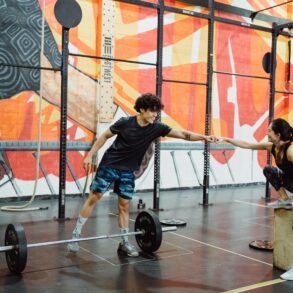


Building strength, improving endurance, developing muscle, and achieving better physical performance require more than simply spending additional hours in the gym. Successful fitness training depends on finding the right balance between exercise intensity, recovery, nutrition, hydration, and overall physical well-being.
Many people believe that pushing themselves harder during every workout is the fastest way to achieve fitness goals. They increase their training volume, lift heavier weights, perform more repetitions, and reduce rest periods. Although challenging the body is an important part of physical improvement, constantly increasing exercise intensity without supporting the body’s needs can lead to excessive fatigue, poor performance, persistent soreness, and an increased risk of injury.
The real secret to sustainable progress is learning how to Train Harder While Supporting Your Body. This approach combines challenging exercise with intelligent recovery strategies, balanced nutrition, proper movement techniques, and consistent lifestyle habits.
Your body is not simply a machine that responds to physical pressure. It is a complex system that adapts to training through biological processes involving muscles, bones, joints, the nervous system, hormones, and energy metabolism. Every workout creates a stimulus. Recovery allows your body to respond to that stimulus and gradually become stronger and more capable.
Whether you are a beginner, an experienced gym enthusiast, an athlete, or someone trying to improve everyday fitness, understanding this relationship can transform your training experience.
In this comprehensive guide, we will explore 15 powerful strategies to train harder while supporting your body, improve workout performance, build strength, enhance recovery, and maintain long-term health.
1. Understand the Balance Between Training Intensity and Recovery
The foundation of effective fitness development is understanding that exercise and recovery work together.
When you perform resistance training, running, cycling, or high-intensity exercise, your body experiences temporary physical stress. Muscles use stored energy, muscle fibers experience mechanical tension, and the nervous system coordinates demanding movements.
These responses are normal parts of exercise adaptation.
However, your body needs sufficient recovery time to restore energy, repair tissues, and adapt to the training stimulus.
This means that training harder does not necessarily mean exercising every day at maximum intensity.
Instead, it means applying the right amount of physical challenge while allowing your body to recover appropriately.
Why recovery matters
- Supports muscle repair and adaptation.
- Helps restore energy stores.
- Supports nervous system function.
- Maintains exercise performance.
- Helps manage accumulated training fatigue.
- Supports healthy joints and connective tissues.
For example, after a demanding leg workout, your muscles may need additional recovery before another intense lower-body session.
You can still remain active during this period by performing light walking, gentle cycling, or mobility exercises.
The goal is to develop a training routine that challenges your body without overwhelming its ability to adapt.
2. Follow Progressive Overload Without Overtraining
Progressive overload is one of the most important principles for building strength and muscle.
It involves gradually increasing the demands placed on your body as your fitness improves.
Without progressive overload, your muscles may eventually adapt to the same training routine, making further improvements more difficult.
However, increasing training demands too quickly can create unnecessary fatigue.
The best approach is controlled and gradual progression.
Ways to apply progressive overload
- Increase resistance gradually.
- Perform additional repetitions.
- Add a set when appropriate.
- Improve movement quality.
- Increase training frequency carefully.
- Improve exercise control and range of motion.
- Reduce unnecessary rest periods when suitable for the exercise.
For example, suppose you currently perform three sets of 10 repetitions using a 10 kg dumbbell.
After several weeks, when the exercise becomes manageable and your technique remains consistent, you might increase the resistance slightly or perform additional repetitions.
You do not need to increase every training variable simultaneously.
Monitor your performance and make adjustments according to your recovery.
Important tip: Progressive overload should improve your physical capabilities, not force you to ignore pain, exhaustion, or deteriorating exercise technique.
3. Prioritize Proper Nutrition for Better Training Performance
Nutrition is one of the biggest factors influencing how effectively your body responds to exercise.
When you train hard, your body needs sufficient energy and nutrients to support muscle contraction, tissue repair, immune function, and normal physiological processes.
Without adequate nutrition, even an excellent workout program may produce disappointing results.
A balanced diet should include carbohydrates, protein, healthy fats, vitamins, minerals, and adequate fluids.
Protein for muscle repair
Protein provides amino acids that help repair and build muscle tissue.
People who participate in regular resistance training generally benefit from consuming sufficient protein throughout the day.
Good protein sources include:
- Eggs.
- Milk and curd.
- Paneer.
- Chicken.
- Fish.
- Lentils.
- Chickpeas.
- Soybeans.
- Tofu.
- Greek yogurt.
For many healthy adults who exercise regularly, approximately 1.4–2.0 grams of protein per kilogram of body weight daily can be a useful range, depending on training demands and individual circumstances.
For example, someone weighing 70 kg may aim for approximately 98–140 grams of protein daily.
Individual requirements vary, and people with medical conditions affecting protein intake should seek professional dietary advice.
Carbohydrates for energy
Carbohydrates are an important fuel source during moderate- and high-intensity exercise.
They help replenish muscle glycogen, which supports repeated muscular contractions and demanding training sessions.
Useful carbohydrate sources include:
- Oats.
- Brown rice.
- Whole-wheat roti.
- Potatoes.
- Sweet potatoes.
- Bananas.
- Fruits.
- Whole grains.
Avoid unnecessarily eliminating carbohydrates if your goal involves improving workout performance.
Healthy fats for overall health
Dietary fats support normal hormone production, cell structure, and the absorption of fat-soluble vitamins.
Include foods such as nuts, seeds, olive oil, peanuts, and fatty fish.
A balanced nutritional strategy helps you Train Harder While Supporting Your Body without neglecting the nutrients required for overall health.
4. Never Underestimate the Importance of Sleep
Sleep is one of the most valuable recovery tools available to anyone who exercises regularly.
During sleep, the body performs important restorative processes that support physical recovery, memory, metabolic regulation, and nervous system function.
Insufficient sleep can affect exercise performance, concentration, motivation, and the ability to recover between workouts.
Adults generally need at least seven hours of sleep per night, while many active individuals benefit from approximately seven to nine hours.
How better sleep supports fitness
- Helps regulate appetite.
- Supports muscle recovery.
- Improves concentration.
- Supports immune function.
- Helps maintain energy levels.
- Supports normal hormonal regulation.
- Improves readiness for demanding workouts.
Practical ways to improve sleep
- Maintain a consistent bedtime.
- Avoid excessive caffeine late in the day.
- Keep your bedroom comfortable and dark.
- Reduce screen exposure before bedtime.
- Avoid unnecessarily heavy meals immediately before sleeping.
- Develop a relaxing nighttime routine.
If you consistently train intensely but sleep poorly, your body may struggle to recover effectively.
Remember that sleep is not wasted time. It is an essential part of your fitness program.
5. Create a Balanced Workout Routine
Training the same muscles repeatedly without sufficient recovery can create excessive fatigue and limit performance.
A balanced workout routine distributes training demands across different muscle groups and fitness components.
Your program should ideally include:
- Resistance training.
- Cardiovascular exercise.
- Mobility work.
- Flexibility exercises.
- Core strengthening.
- Recovery sessions.
Example weekly workout structure
| Day | Workout |
|---|---|
| Monday | Upper-body strength |
| Tuesday | Lower-body strength |
| Wednesday | Light cardio and mobility |
| Thursday | Upper-body strength |
| Friday | Lower-body strength |
| Saturday | Moderate cardio and core |
| Sunday | Rest or gentle walking |
This is an example rather than a universal prescription. Training frequency, intensity, and exercise selection should reflect your experience, schedule, and recovery capacity.
Beginners may need fewer training sessions, while experienced athletes may require more individualized programming.
The objective is to develop different physical capabilities without creating unnecessary stress.
6. Improve Hydration to Maintain Exercise Performance
Water plays an essential role in temperature regulation, circulation, nutrient transportation, and normal muscle function.
During exercise, your body loses water through sweating and breathing.
If fluid losses become excessive, dehydration can negatively affect exercise performance and increase the risk of heat-related illness.
Hydration becomes especially important during intense workouts, outdoor exercise, and training in hot or humid environments.
Practical hydration strategies
- Drink water regularly throughout the day.
- Start workouts adequately hydrated.
- Drink during longer or particularly sweaty sessions.
- Replace fluids after exercise.
- Consider electrolytes during prolonged exercise or substantial sweat loss.
There is no single hydration requirement that works for everyone.
Your needs depend on body size, exercise duration, temperature, humidity, and sweat rate.
Avoid forcing excessive amounts of water, as overhydration can also be dangerous.
A practical approach is to drink regularly and monitor thirst, urine color, and changes in body weight around longer training sessions.
7. Warm Up Before Every Intense Workout
A proper warm-up prepares your body for the movements and physical demands of exercise.
Starting heavy lifting, sprinting, or intense cardio without preparation may make exercise feel more difficult and reduce movement quality.
A good warm-up gradually increases circulation, raises body temperature, and prepares the muscles and nervous system for activity.
Effective warm-up structure
Step 1: General movement
Begin with five minutes of easy walking, cycling, or light jogging.
Step 2: Dynamic mobility
Perform controlled movements such as:
- Arm circles.
- Leg swings.
- Hip rotations.
- Walking lunges.
- Bodyweight squats.
Step 3: Exercise-specific preparation
Before lifting heavy weights, perform lighter versions of your planned exercises.
For example, before heavy squats, complete a few sets using body weight or a lighter load.
A warm-up should prepare you for exercise without creating unnecessary fatigue.
8. Use Proper Exercise Technique to Protect Your Body
Exercise technique is just as important as resistance, repetitions, and training volume.
Poor technique can place unnecessary stress on joints, muscles, and connective tissues.
When people become overly focused on lifting heavier weights, they sometimes sacrifice movement quality to complete additional repetitions.
This approach can reduce the effectiveness of training and increase injury risk.
Important technique principles
- Maintain controlled movement.
- Use an appropriate range of motion.
- Avoid excessive momentum.
- Maintain suitable spinal positioning.
- Choose resistance you can control.
- Learn correct breathing patterns.
- Stop when technique significantly deteriorates.
For example, during squats, maintain a stable foot position, control the descent, and use a depth appropriate for your mobility and anatomy.
During deadlifts, learn how to brace your trunk and maintain a stable lifting position.
If you are unfamiliar with a complex exercise, consider guidance from a qualified fitness professional.
Remember: The objective is not simply to move more weight. It is to train the intended muscles effectively while maintaining control.
9. Include Cardiovascular Training for Better Heart Health
Strength training develops muscular strength, but cardiovascular exercise supports another important aspect of physical fitness.
Activities such as walking, running, cycling, swimming, and rowing improve cardiovascular endurance and help your body use oxygen efficiently.
Combining resistance training with cardiovascular exercise creates a more complete fitness program.
Benefits of cardiovascular exercise
- Supports heart health.
- Improves endurance.
- Supports blood pressure regulation.
- Helps maintain metabolic health.
- Improves exercise capacity.
- Supports overall physical activity levels.
For general health, adults should aim for at least 150 minutes of moderate-intensity aerobic activity or 75 minutes of vigorous-intensity activity weekly, alongside muscle-strengthening activities on at least two days.
You can distribute cardio sessions throughout the week.
For example, three 30-minute brisk walks and two 30-minute cycling sessions provide 150 minutes of moderate activity.
If your primary goal is muscle growth, organize cardio intensity and timing so that it does not consistently interfere with recovery from strength sessions.
10. Support Joint Health and Mobility
Muscle strength is important, but healthy movement also depends on joint function, mobility, balance, and connective tissue health.
A person may have impressive lifting numbers but still experience difficulty performing everyday movements if mobility and movement control are neglected.
Mobility training helps you develop controlled movement through the ranges of motion required for your activities.
Useful mobility exercises
- Hip mobility drills.
- Thoracic spine rotations.
- Ankle mobility exercises.
- Shoulder circles.
- Cat-cow movements.
- Controlled deep squats.
- Gentle hamstring movements.
Perform mobility exercises regularly rather than waiting until stiffness becomes uncomfortable.
You can include short mobility sessions before workouts or on recovery days.
Avoid forcing a joint into painful positions.
The objective is to improve comfortable movement, not achieve extreme flexibility.
11. Use Active Recovery to Reduce Training Fatigue
Rest does not always mean remaining completely inactive.
Active recovery involves performing low-intensity activities that allow you to remain mobile without adding substantial training stress.
Examples include:
- Gentle walking.
- Easy cycling.
- Light swimming.
- Relaxed stretching.
- Low-intensity yoga.
- Comfortable mobility exercises.
Active recovery can help maintain regular movement and provide a mental break from demanding workouts.
However, it is important to understand that active recovery is not a replacement for sleep or sufficient rest.
If you are experiencing significant fatigue, illness, or unusual muscle soreness, a complete rest day may be more appropriate.
Listen to your body’s response rather than forcing activity every day.
12. Understand the Importance of Training Volume
Training volume refers to the amount of work performed during exercise.
In resistance training, it is commonly considered through the number of working sets, repetitions, and resistance used.
For example:
Three sets of 10 repetitions using a particular weight represent a different training demand from five sets of 15 repetitions using a heavier weight.
Increasing volume can stimulate muscle growth and improve strength, but excessive volume may create more fatigue than your body can effectively recover from.
How to manage training volume
- Start with a manageable number of working sets.
- Monitor performance across sessions.
- Increase volume gradually.
- Avoid unnecessary additional exercises.
- Give heavily trained muscle groups sufficient recovery.
- Adjust your routine when fatigue accumulates.
More exercise is not automatically better exercise.
The most effective training program is one that provides enough stimulus to produce progress while remaining sustainable.
13. Manage Stress Beyond the Gym
Physical recovery is influenced by more than exercise alone.
Work pressure, inadequate sleep, emotional stress, demanding schedules, and insufficient nutrition can all affect how your body responds to training.
When multiple sources of stress accumulate, your ability to maintain exercise performance may decrease.
This is why managing daily stress is an important part of sustainable fitness.

Practical stress-management strategies
- Practice deep breathing.
- Spend time outdoors.
- Maintain regular sleep schedules.
- Take short breaks during work.
- Enjoy relaxing hobbies.
- Avoid unnecessary training pressure.
- Maintain realistic fitness expectations.
You do not need to eliminate every source of stress.
Instead, develop habits that help you manage everyday demands while maintaining enough energy for physical activity.
14. Monitor Your Body’s Recovery Signals
One of the smartest ways to improve fitness is to understand how your body responds to training.
Not every difficult workout is a sign of progress.
Sometimes, persistent tiredness, declining performance, poor motivation, and disturbed sleep indicate that your current training demands may be too high.
Signs that your recovery may need attention
- Persistent muscle soreness.
- Declining workout performance.
- Unusual fatigue.
- Poor sleep quality.
- Reduced motivation.
- Increased irritability.
- Repeated minor injuries.
- Difficulty completing previously manageable workouts.
These symptoms can have several causes and should not automatically be attributed to overtraining.
However, they are useful signals to reassess your exercise intensity, nutrition, sleep, and recovery habits.
If symptoms persist, worsen, or involve significant pain, consult an appropriate healthcare professional.
Keep a training journal
Record important information such as:
- Exercises performed.
- Resistance used.
- Number of sets and repetitions.
- Workout duration.
- Sleep quality.
- Energy levels.
- Recovery between sessions.
Over time, this information can help you identify patterns and make better training decisions.
15. Build Consistency Instead of Chasing Extreme Workouts
Consistency is one of the strongest predictors of long-term fitness improvement.
Many people begin exercising with extreme enthusiasm. They train intensely for several weeks, follow restrictive diets, and expect rapid physical transformations.
Unfortunately, these approaches are often difficult to maintain.
Sustainable progress comes from developing habits that fit your lifestyle.
A moderate workout routine performed consistently can produce better long-term results than an extremely demanding program followed irregularly.
Build sustainable fitness habits
- Schedule workouts realistically.
- Set measurable goals.
- Choose enjoyable physical activities.
- Track gradual improvements.
- Prioritize recovery.
- Avoid comparing your progress with others.
- Adjust your program when circumstances change.
Remember that fitness is a long-term process.
You do not need to achieve everything in one month.
Your objective should be to become stronger, healthier, and more physically capable over time.
16. Fuel Your Workouts With Smart Pre-Workout Nutrition
What you eat before exercise can influence your energy levels, endurance, and ability to complete demanding workouts.
Training on an empty stomach is not necessarily harmful for everyone, but it may not be the best approach for people performing high-intensity workouts or longer training sessions.
A suitable pre-workout meal provides energy without causing digestive discomfort.
Best foods to eat before training
Consider these options:
| Food | Potential benefit |
|---|---|
| Banana | Provides easily accessible carbohydrates |
| Oatmeal | Provides sustained energy |
| Whole-wheat toast | Supplies carbohydrates |
| Yogurt | Provides protein and carbohydrates |
| Eggs | Supply high-quality protein |
| Rice with lentils | Provides carbohydrates and protein |
| Fruit and nuts | Supplies carbohydrates and healthy fats |
Try eating a balanced meal approximately two to three hours before an intense workout. If you prefer a smaller snack, eating it around 30–60 minutes beforehand may be more comfortable.
Your digestive tolerance and workout schedule should guide your choices.
What about post-workout nutrition?
After exercise, prioritize a balanced meal containing protein, carbohydrates, and fluids.
For example, a meal containing rice, dal, vegetables, and curd can provide several nutrients needed for recovery.
You do not need an expensive supplement or complicated nutrition plan to support your body after training.
Consistency in your daily diet matters much more than perfect workout timing.
17. Incorporate Deload Weeks Into Your Training Program
An effective training program should not involve constantly increasing exercise intensity.
As training progresses, fatigue can accumulate. Even experienced athletes benefit from periods when training demands are temporarily reduced.
This is where deloading becomes useful.
A deload week is a planned period during which you reduce training stress to support recovery.
It does not necessarily mean stopping exercise completely.
How to structure a deload week
During a deload, you may:
- Reduce the weight used in resistance exercises.
- Perform fewer working sets.
- Avoid training to muscular failure.
- Reduce high-intensity cardio.
- Focus on movement quality.
- Include more comfortable mobility exercises.
For example, if you normally perform four sets of an exercise, you might perform two or three sets during a deload.
Alternatively, you could reduce resistance while maintaining your usual movement patterns.
There is no universal deload schedule. Some people benefit from planned deloads after several demanding training weeks, while others adjust training according to their recovery and performance.
Why deloading can improve long-term progress
Deloading can help manage accumulated fatigue and make it easier to return to demanding workouts feeling refreshed.
It also encourages a healthier relationship with exercise by demonstrating that reducing training stress is sometimes necessary for continued improvement.
Training intelligently means recognizing when your body needs a temporary reduction in workload.
18. Strengthen Your Core for Better Overall Performance
Your core muscles play an important role in maintaining stability during exercise and everyday activities.
The core includes muscles around the abdomen, lower back, pelvis, and trunk.
These muscles help transfer force between the upper and lower body, maintain posture, and control movement.
A stronger core can support better exercise technique during squats, deadlifts, overhead presses, and other compound movements.
read also: Why Strength Training Matters Beyond Appearance: The Powerful Benefits for Lifelong Health
Effective core-strengthening exercises
1. Plank
Planks develop trunk stability by requiring you to maintain a controlled body position.
2. Side plank
This exercise challenges the muscles responsible for lateral trunk stability.
3. Bird dog
Bird dogs train coordination and trunk control while moving opposite arms and legs.
4. Dead bug
Dead bugs encourage controlled movement while maintaining abdominal stability.
5. Pallof press
This resistance-band or cable exercise trains the core to resist unwanted rotation.
You do not need to perform hundreds of abdominal repetitions.
Two or three focused core sessions per week can be incorporated into a balanced fitness routine, depending on your overall workload.
19. Support Muscle Recovery With Essential Micronutrients
Macronutrients such as carbohydrates, protein, and fats receive considerable attention in fitness discussions. However, vitamins and minerals are equally important for normal physiological function.
Micronutrients support energy metabolism, oxygen transportation, bone health, muscle contraction, and immune function.
A varied diet is generally the best starting point for meeting your micronutrient requirements.
Important nutrients for active individuals
Magnesium
Magnesium participates in muscle and nerve function, energy production, and many other biological processes.
Food sources include pumpkin seeds, almonds, spinach, beans, and whole grains.
Calcium
Calcium supports bone health and normal muscle contraction.
Good sources include milk, curd, paneer, fortified foods, and certain leafy vegetables.
Iron
Iron contributes to oxygen transportation through hemoglobin.
Sources include lentils, beans, meat, and iron-fortified foods.
Combining plant-based iron sources with vitamin C-rich foods can improve iron absorption.
Vitamin D
Vitamin D contributes to calcium absorption and bone health.
Sun exposure, certain foods, and supplements when medically appropriate can help maintain adequate levels.
Potassium
Potassium supports normal muscle contraction, nerve signaling, and fluid balance.
Bananas, potatoes, beans, and vegetables are useful sources.
Should you take supplements?
Not everyone who exercises needs supplements.
Supplements may be useful when dietary intake is inadequate or a specific nutritional requirement has been identified.
However, supplements should not replace balanced meals, adequate sleep, or appropriate training.
If you suspect a nutrient deficiency, consult a healthcare professional rather than taking high-dose supplements without guidance.
20. Train According to Your Fitness Level and Personal Goals
A major mistake in fitness is copying another person’s workout without considering differences in experience, recovery, strength, and physical limitations.
A professional athlete’s training routine may be unsuitable for someone who has recently started exercising.
Similarly, a beginner’s routine may not provide enough stimulus for an experienced lifter.
Your training program should reflect your current capabilities and long-term goals.
For beginners
If you are new to fitness:
- Begin with basic movement patterns.
- Learn proper exercise technique.
- Train two or three days per week initially.
- Use manageable resistance.
- Prioritize consistency.
- Increase workload gradually.
For intermediate trainees
If you have several months or years of training experience:
- Follow a structured program.
- Track strength progression.
- Combine resistance and cardiovascular training.
- Manage weekly training volume.
- Monitor recovery.
- Address weaknesses in mobility and technique.
For advanced trainees
Experienced individuals may benefit from:
- More individualized programming.
- Planned training phases.
- Exercise-specific progression.
- Strategic deloading.
- Performance monitoring.
- More precise nutrition planning.
The most effective workout is not necessarily the most complicated one.
It is the program that matches your abilities and produces measurable improvements without compromising your well-being.
21. Avoid the Common Mistakes That Limit Fitness Progress
Even motivated individuals can make training mistakes that interfere with their results.
Recognizing these mistakes can help you develop a more effective approach.
Mistake 1: Training intensely every day
Constant high-intensity training can create excessive fatigue.
Better approach: Alternate demanding workouts with lower-intensity sessions and recovery days.
Mistake 2: Ignoring pain
Muscle effort and ordinary post-exercise soreness are different from sharp, persistent, or worsening pain.
Better approach: Stop movements that cause concerning pain and seek professional assessment when necessary.
Mistake 3: Following extreme diets
Restrictive diets may make it difficult to obtain enough energy and nutrients.
Better approach: Follow a balanced eating pattern that supports your activity level.
Mistake 4: Neglecting cardiovascular exercise
Focusing exclusively on muscle development can leave cardiovascular fitness underdeveloped.
Better approach: Include appropriate aerobic exercise in your weekly routine.
Mistake 5: Skipping warm-ups
Starting demanding movements without preparation may reduce movement quality.
Better approach: Use a short, exercise-specific warm-up.
Mistake 6: Comparing your progress with others
Different people respond to exercise at different rates.
Better approach: Compare your current performance with your own previous performance.
Mistake 7: Ignoring sleep
Insufficient sleep can negatively affect physical and mental performance.
Better approach: Make sleep a regular part of your recovery strategy.
Mistake 8: Changing workout programs too frequently
Constantly switching exercises can make it difficult to evaluate progress.
Better approach: Follow a structured program long enough to assess its effectiveness, making adjustments when necessary.
22. The Role of Mental Strength in Sustainable Training
Physical fitness is not only about muscles, endurance, or body composition. Your mindset also influences your ability to maintain healthy exercise habits.
Some people become discouraged when they do not see immediate results. Others push themselves excessively because they believe every workout must be harder than the previous one.
Both approaches can make fitness difficult to sustain.
A healthy training mindset focuses on progress, patience, and self-awareness.
Develop a positive training mindset
Set realistic goals: Instead of expecting dramatic changes within a few weeks, establish achievable monthly targets.
Focus on performance: Measure improvements in strength, endurance, mobility, and exercise technique.
Celebrate small achievements: Completing a workout consistently or improving your squat technique is meaningful progress.
Accept recovery days: Resting when necessary is a sign of intelligent training, not a lack of discipline.
Avoid perfectionism: Missing one workout does not destroy your progress. Return to your routine when possible.
Mental resilience develops through consistency and realistic expectations.
23. How to Train Harder While Supporting Your Body as You Age
Fitness requirements change throughout life.
As people age, maintaining muscle strength, bone health, balance, cardiovascular capacity, and mobility becomes increasingly important.
However, aging does not mean that challenging exercise should be avoided.
Appropriately designed strength training can help older adults maintain physical independence and functional ability.
Important training priorities for healthy aging
- Resistance training to maintain muscular strength.
- Weight-bearing activity to support bone health.
- Balance exercises to improve stability.
- Walking and other aerobic activities for cardiovascular fitness.
- Mobility exercises for comfortable movement.
- Adequate protein and overall nutrition.
- Consistent sleep and recovery.
Older beginners should start with manageable exercise demands and gradually progress.
People with chronic health conditions, significant joint problems, or a history of cardiovascular disease should seek appropriate medical guidance before beginning a demanding program.
The goal is not to train like a professional athlete at every age.
The goal is to remain strong, mobile, independent, and physically capable for as long as possible.
24. Create a Sustainable Daily Routine That Supports Fitness
Your workout is only one part of your daily physical activity.
Small habits throughout the day can also influence your overall fitness and recovery.
For example, sitting for long periods, skipping meals, sleeping irregularly, and neglecting hydration can make it harder to maintain an active lifestyle.
A structured daily routine can help you support your body beyond the gym.
Example daily fitness routine
| Time | Activity |
|---|---|
| 6:30 AM | Wake up and drink water |
| 7:00 AM | Light mobility or morning walk |
| 8:00 AM | Balanced breakfast |
| 10:30 AM | Short movement break |
| 1:00 PM | Balanced lunch |
| 4:30 PM | Pre-workout snack if needed |
| 5:30 PM | Gym workout |
| 6:30 PM | Cool-down and hydration |
| 8:00 PM | Balanced dinner |
| 9:30 PM | Relaxing nighttime routine |
| 10:30 PM | Sleep |
This schedule is only an example. Adjust the timings according to your work, personal responsibilities, and training preferences.
Small habits that make a difference
- Walk regularly throughout the day.
- Take movement breaks during long periods of sitting.
- Eat meals containing a variety of nutrients.
- Maintain a consistent sleep schedule.
- Avoid unnecessary training sessions when exhausted.
- Spend time outdoors when possible.
These habits help create a supportive environment for long-term physical development.
25. Measure Progress Beyond Body Weight
Many people evaluate fitness progress using only the number displayed on a weighing scale.
Although body weight can be useful in certain situations, it does not provide a complete picture of physical health or exercise performance.
Someone may become stronger, improve endurance, develop better mobility, and increase muscle mass without experiencing major changes in body weight.
Therefore, use multiple indicators to evaluate your progress.
Five useful ways to measure fitness improvements
1. Strength progression
Track improvements in resistance, repetitions, and exercise control.
2. Cardiovascular endurance
Notice whether you can walk, cycle, or run for longer periods without becoming excessively fatigued.
3. Recovery quality
Monitor whether you feel adequately recovered before your next demanding workout.
4. Mobility and flexibility
Evaluate whether everyday movements and exercise positions become more comfortable.
5. Consistency
Track how regularly you complete your planned workouts.
You can also record body measurements or take progress photographs if these methods are appropriate and comfortable for you.
Remember that meaningful fitness improvements are not always visible immediately.
Performance, energy, confidence, and physical capability matter too.
26. A Practical 4-Week Plan to Train Harder While Supporting Your Body
Understanding fitness principles is useful, but applying them consistently is what produces results.
A simple four-week training structure can help you improve strength, endurance, and recovery without increasing physical demands too quickly.
The following plan is designed as a general example for healthy adults with some basic exercise experience.
Week 1: Build Your Foundation
Goal: Establish proper technique and consistent exercise habits.
- Perform three resistance-training sessions.
- Include two moderate cardio sessions.
- Practice mobility exercises regularly.
- Prioritize balanced nutrition.
- Maintain a consistent sleep schedule.
Focus on learning movements rather than lifting maximum weights.
Week 2: Improve Training Consistency
Goal: Increase your ability to complete planned workouts.
- Maintain three strength sessions.
- Improve exercise control.
- Add a small amount of training volume if recovery is good.
- Continue moderate cardiovascular activity.
- Monitor hydration and sleep.
Avoid increasing resistance simply to make workouts more difficult.
Week 3: Introduce Progressive Overload
Goal: Gradually challenge your muscles and cardiovascular system.
- Increase resistance slightly in selected exercises.
- Add repetitions where appropriate.
- Maintain proper technique.
- Include adequate recovery between demanding sessions.
- Continue eating sufficient protein and carbohydrates.
Your performance should improve without creating persistent fatigue.
Week 4: Evaluate and Recover
Goal: Assess progress and manage accumulated fatigue.
- Review your training records.
- Evaluate strength improvements.
- Assess sleep and energy levels.
- Reduce training volume if fatigue has accumulated.
- Include comfortable mobility and recovery sessions.
At the end of four weeks, evaluate what worked and make adjustments for the next training cycle.
27. The Connection Between Fitness, Metabolic Health, and Long-Term Wellness
Training harder while supporting your body can improve more than muscular strength.
A balanced exercise routine also contributes to several aspects of metabolic and cardiovascular health.
Better glucose regulation
Regular physical activity helps muscles use glucose for energy.
Resistance training and aerobic exercise can both improve insulin sensitivity, supporting healthier blood glucose regulation.
Better cardiovascular function
Consistent aerobic activity strengthens cardiovascular fitness and supports healthy circulation.
Combining cardiovascular exercise with resistance training creates a more comprehensive approach to physical health.
Better body composition
Strength training supports muscle development, while regular physical activity contributes to energy expenditure.
Combining exercise with balanced nutrition can help improve body composition over time.
Better functional fitness
Muscular strength, balance, endurance, and mobility help you perform everyday activities more comfortably.
These improvements can support independence as you age.
Better mental well-being
Physical activity can support mood, reduce stress, and improve overall psychological well-being.
Together, these benefits demonstrate why exercise should be viewed as an investment in long-term health rather than simply a way to change physical appearance.
28. How to Maintain Motivation Without Overtraining
Motivation naturally changes over time.
Some days you may feel energetic and excited about exercising. On other days, work responsibilities, tiredness, or personal challenges may make training difficult.
Instead of depending entirely on motivation, build a routine that makes exercise manageable.
Use these strategies:
- Set weekly exercise targets.
- Prepare your workout clothes in advance.
- Choose exercises you enjoy.
- Follow a realistic training schedule.
- Track improvements regularly.
- Celebrate consistency rather than perfection.
- Allow yourself to rest when necessary.
Another useful strategy is to establish minimum activity goals.
For example, if you cannot complete your usual workout, you might take a short walk or perform gentle mobility exercises instead.
However, if you are ill, injured, or experiencing significant fatigue, resting may be the better decision.
The purpose of consistency is to create a sustainable relationship with physical activity, not to force yourself to exercise under every circumstance.
Frequently Asked Questions (FAQs)
1. How can I train harder without damaging my body?
You can train harder by gradually increasing workout intensity, following progressive overload, maintaining correct exercise technique, eating balanced meals, staying hydrated, and prioritizing sleep. Avoid increasing training volume and intensity too quickly. Recovery is essential for long-term improvement.
2. How many days a week should I train?
Many adults can benefit from three to five structured exercise sessions weekly, depending on their fitness level and recovery capacity. General health guidelines recommend muscle-strengthening activities at least twice weekly and regular aerobic exercise.
3. Does training harder always build more muscle?
No. Muscle development depends on appropriate training stimulus, sufficient protein, adequate energy intake, sleep, and recovery. Excessive training can create fatigue that interferes with performance and progress.
4. What should I eat after a hard workout?
Choose a balanced meal containing protein and carbohydrates. Examples include eggs with whole-wheat toast, rice with dal and curd, paneer with roti, or chicken with potatoes and vegetables.
5. How important is sleep for muscle recovery?
Sleep is essential for normal physical recovery, muscle adaptation, energy regulation, and nervous system function. Most adults should aim for at least seven hours of sleep every night.
6. Can I do cardio and strength training together?
Yes. Combining resistance training and cardiovascular exercise supports overall fitness. However, manage workout intensity and scheduling according to your goals and recovery capacity.
7. What are the signs that I am training too hard?
Persistent fatigue, declining performance, disturbed sleep, unusual soreness, reduced motivation, and recurring injuries can indicate that your training demands need reassessment. These symptoms may have other causes, so persistent problems should be evaluated professionally.
8. Should I exercise when my muscles are sore?
Mild post-exercise soreness does not always require complete inactivity. Light movement may be comfortable, but avoid intensely training muscles that have not adequately recovered. Sharp, severe, or worsening pain should not be treated as ordinary soreness.
9. Are supplements necessary for better workout recovery?
No. Most people should begin with balanced nutrition, adequate protein, sufficient fluids, and good sleep. Supplements may be useful in specific circumstances, but they are not essential for everyone.
10. How long does it take to see fitness improvements?
Some improvements in exercise performance and coordination may occur within a few weeks. Noticeable changes in muscle size, strength, and body composition generally require consistent training over several months. Individual results vary.
11. Is it better to train in the morning or evening?
Both morning and evening workouts can be effective. The best time is the one that fits your lifestyle, allows you to train consistently, and does not interfere with sleep or recovery.
12. Can beginners follow a high-intensity workout routine?
Beginners should establish basic strength, coordination, and exercise technique before introducing demanding high-intensity training. Gradual progression is generally safer and more sustainable.
Conclusion: Train Smarter, Recover Better, and Build a Stronger Body
Achieving better fitness does not require constantly pushing your body to its limits. Real progress comes from understanding how exercise, nutrition, sleep, hydration, and recovery work together.
Learning how to Train Harder While Supporting Your Body means recognizing that physical performance and overall health should develop together.
Progressive overload helps your muscles become stronger. Balanced nutrition provides the energy and nutrients required for physical activity. Quality sleep supports recovery, while hydration helps maintain normal bodily functions. Cardiovascular exercise, mobility training, and appropriate rest contribute to a more complete fitness routine.
Most importantly, learn to recognize your body’s signals. More exercise is not always better, and ignoring fatigue or pain can interfere with long-term progress.
Whether your goal is to build muscle, increase strength, improve endurance, lose excess body fat, or maintain an active lifestyle, focus on sustainable habits rather than short-term extremes.
Start with manageable training demands, improve your technique, increase intensity gradually, and give your body enough time to adapt.
The ultimate fitness strategy is simple: challenge your body, fuel it properly, recover intelligently, and remain consistent.
When you follow this approach, you can continue improving your physical capabilities while building a healthier and stronger foundation for the future.