


Hormonal health plays a vital role in every stage of a woman’s life. From regulating menstrual cycles and fertility to maintaining energy levels, mood, metabolism, and skin health, hormones influence nearly every bodily function. When hormones become imbalanced, the effects can be widespread, often leading to fatigue, irregular periods, weight gain, acne, mood swings, infertility, and chronic health conditions such as Polycystic Ovary Syndrome (PCOS).
Today, PCOS affects millions of women worldwide, making it one of the most common endocrine disorders among women of reproductive age. While conventional medicine often focuses on managing symptoms through medications or hormonal therapies, many women are now seeking holistic solutions that address the root causes of hormonal imbalance.
This is where Ayurvedic Remedies for PCOS provide a unique and comprehensive approach. Ayurveda, the ancient Indian system of natural healing, views PCOS not simply as an ovarian disorder but as a whole-body imbalance involving digestion, metabolism, hormones, stress, and lifestyle.
Rather than masking symptoms, Ayurvedic Remedies for PCOS aim to restore the body’s natural balance by improving digestion (Agni), eliminating toxins (Ama), balancing the doshas, supporting reproductive tissues, and promoting overall wellness.
In this comprehensive guide, you’ll discover how Ayurveda approaches PCOS, the most effective herbs, dietary recommendations, lifestyle practices, yoga techniques, and natural remedies that can support hormonal balance and long-term health.
Understanding PCOS
Polycystic Ovary Syndrome (PCOS) is a hormonal disorder characterized by an imbalance in reproductive hormones that may interfere with ovulation.
Common symptoms include:
- Irregular or absent menstrual periods
- Excess facial or body hair (hirsutism)
- Acne and oily skin
- Hair thinning
- Weight gain
- Difficulty losing weight
- Insulin resistance
- Ovarian cysts
- Fertility challenges
- Mood changes
- Fatigue
Although the exact cause of PCOS remains unclear, genetics, insulin resistance, inflammation, stress, and hormonal dysregulation all appear to contribute.
Ayurveda’s Perspective on PCOS
Ayurveda does not use the term “PCOS,” but it describes similar symptom patterns through imbalances involving:
- Kapha Dosha
- Vata Dosha
- Pitta Dosha
- Agni (Digestive Fire)
- Ama (Metabolic Toxins)
- Artava Dhatu (Reproductive Tissue)
According to Ayurveda, poor digestion and unhealthy lifestyle habits weaken Agni. This leads to the accumulation of Ama, which blocks bodily channels (Srotas), disrupting hormonal communication and reproductive function.
The goal of Ayurvedic Remedies for PCOS is to restore healthy digestion, reduce inflammation, improve metabolism, and rebalance the doshas.
Root Causes of Hormonal Imbalance According to Ayurveda
Ayurveda identifies several contributing factors:
Weak Digestive Fire (Agni)
Poor digestion reduces nutrient absorption and contributes to toxin formation.
Ama Accumulation
Undigested metabolic waste disrupts hormonal signaling.
Excess Kapha
Can lead to:
- Weight gain
- Sluggish metabolism
- Ovarian cyst formation
- Insulin resistance
Aggravated Vata
May contribute to:
- Irregular cycles
- Anxiety
- Poor ovulation
Elevated Pitta
Often associated with:
- Acne
- Irritability
- Inflammation
Why Choose Ayurvedic Remedies for PCOS?
Many women choose Ayurveda because it emphasizes:
- Root-cause healing
- Personalized treatment
- Natural herbs
- Dietary changes
- Stress reduction
- Sustainable lifestyle habits
Rather than treating hormones in isolation, Ayurvedic Remedies for PCOS support the entire body’s natural healing mechanisms.
Best Ayurvedic Herbs for PCOS
1. Ashwagandha
Ashwagandha is a well-known adaptogenic herb that supports the body’s response to stress.
Potential benefits include:
- Reducing cortisol levels
- Supporting hormonal balance
- Improving sleep quality
- Enhancing energy
Since chronic stress can worsen PCOS symptoms, Ashwagandha may be a valuable addition to an Ayurvedic wellness plan.
2. Shatavari
Shatavari is traditionally used to support female reproductive health.
It may help:
- Nourish reproductive tissues
- Promote hormonal balance
- Support menstrual regularity
- Improve overall vitality
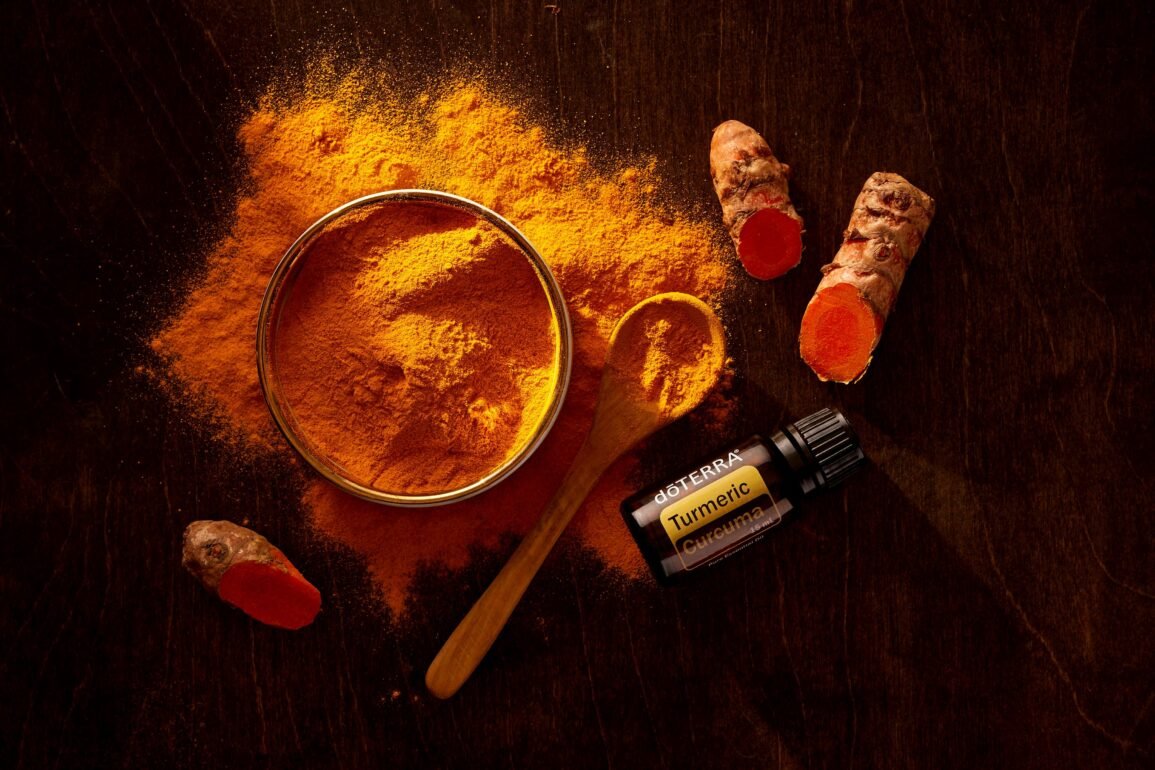
3. Turmeric
Curcumin, the active compound in turmeric, has anti-inflammatory properties.
It may support:
- Healthy inflammatory responses
- Metabolic health
- Insulin sensitivity
Including turmeric in meals or beverages is a common Ayurvedic practice.
4. Guduchi
Guduchi is valued in Ayurveda for supporting:
- Immune function
- Detoxification
- Liver health
- Overall vitality
5. Cinnamon
Although commonly used as a spice, cinnamon may help support healthy blood sugar regulation, which is especially relevant for women with insulin resistance associated with PCOS.
6. Fenugreek
Fenugreek seeds are traditionally used to support:
- Healthy digestion
- Blood sugar balance
- Metabolic function
Ayurvedic Diet for PCOS
Diet is one of the cornerstones of Ayurvedic Remedies for PCOS.
General recommendations include:
- Eat freshly prepared meals.
- Favor warm, cooked foods.
- Include seasonal vegetables.
- Choose whole grains.
- Eat adequate plant or lean protein.
- Use healthy fats in moderation.
- Stay hydrated.
Foods to emphasize:
- Leafy greens
- Lentils
- Mung beans
- Millets
- Brown rice
- Pumpkin
- Bitter gourd
- Amla
- Ginger
- Turmeric
Foods to limit:
- Refined sugar
- Highly processed snacks
- Sugary beverages
- Excess fried foods
- Excessive dairy (if poorly tolerated)
Supporting Healthy Digestion (Agni)
Strong digestion is central to Ayurvedic health.
To support Agni:
- Eat meals at regular times.
- Avoid overeating.
- Sip warm water throughout the day.
- Include digestive spices such as cumin, coriander, fennel, ginger, and black pepper.
Daily Lifestyle Practices
A balanced routine (Dinacharya) may include:
Morning:
- Wake early
- Drink warm water
- Gentle stretching
- Meditation
- Nutritious breakfast
Afternoon:
- Eat the largest meal at lunch
- Take a short walk after eating
Evening:
- Light dinner
- Reduce screen time
- Gentle breathing exercises
- Early bedtime
Yoga for Hormonal Balance
Regular yoga may help improve flexibility, reduce stress, and support overall well-being.
Beneficial poses include:
- Butterfly Pose
- Cobra Pose
- Child’s Pose
- Cat-Cow Stretch
- Bridge Pose
- Supine Bound Angle Pose
Pranayama (Breathwork)
Breathing practices commonly recommended in Ayurveda include:
Nadi Shodhana
Supports relaxation and mental balance.
Bhramari
May help calm the nervous system.
Deep Diaphragmatic Breathing
Supports stress management and overall wellness.
Managing Stress Naturally
Stress may worsen hormonal imbalance.
Supportive strategies include:
- Meditation
- Nature walks
- Journaling
- Gentle exercise
- Yoga Nidra
- Spending time with loved ones
also read: The Ayurvedic Fitness Matrix: Align Your Body, Mind, and Energy for Peak Performance
Weight Management and PCOS
Maintaining a healthy weight may improve insulin sensitivity and menstrual regularity for some women.
Helpful habits include:
- Regular physical activity
- Balanced meals
- Adequate sleep
- Consistent meal timing
Sleep and Hormonal Health
Sleep supports:
- Hormonal regulation
- Stress recovery
- Metabolic health
- Immune function
Aim for a consistent sleep schedule and create a relaxing bedtime routine.
Exercise Recommendations
Moderate exercise is generally beneficial.
Examples include:
- Walking
- Swimming
- Strength training
- Cycling
- Yoga
- Pilates
Choose activities that you enjoy and can maintain consistently.
Fertility and Ayurveda
Ayurveda traditionally emphasizes preparing the body for healthy conception by supporting digestion, nutrition, and reproductive health.
Women trying to conceive should work with qualified healthcare professionals to develop an individualized plan.
Frequently Asked Questions
Can Ayurveda cure PCOS?
PCOS is a chronic condition, and there is currently no universally accepted cure. However, Ayurvedic Remedies for PCOS may help manage symptoms, improve quality of life, and support hormonal balance when used alongside appropriate medical care.
How long does Ayurveda take to show results?
Results vary depending on individual factors such as diet, lifestyle, severity of symptoms, and consistency. Improvements may take several weeks or months.
Can I take Ayurvedic herbs with prescribed medication?
Some herbs can interact with medications. Always consult a qualified healthcare provider before combining herbal supplements with prescription treatments.
Is diet important for PCOS?
Yes. Nutritious eating patterns, regular meals, and maintaining a healthy weight can play an important role in managing PCOS symptoms.
Tips for Long-Term Hormonal Wellness
- Eat balanced meals.
- Stay physically active.
- Manage stress.
- Sleep well.
- Maintain a healthy weight.
- Stay hydrated.
- Avoid smoking.
- Limit alcohol.
- Schedule regular medical check-ups.
- Follow a sustainable daily routine.
Conclusion
Ayurvedic Remedies for PCOS offer a holistic framework for supporting hormonal health by focusing on digestion, nutrition, lifestyle, stress management, and overall balance rather than addressing symptoms alone. While Ayurveda has a long history of traditional use, it should complement—not replace—evidence-based medical evaluation and treatment, particularly for persistent symptoms or fertility concerns.
By combining a nourishing diet, regular movement, stress reduction, restorative sleep, and carefully selected Ayurvedic practices under the guidance of qualified healthcare professionals, many women can work toward improved well-being and better long-term management of PCOS and hormonal imbalance. A consistent, personalized approach is often the key to achieving lasting wellness.