



Your blood sugar is more than a number on a lab report. It is closely connected to how your body produces energy, how you feel after meals, how hungry you become throughout the day, and how effectively your metabolism responds to the foods and lifestyle choices you make.
This is why blood sugar management has become an important part of maintaining better metabolic health.
When blood sugar rises and falls dramatically throughout the day, you may experience energy crashes, intense hunger, cravings, difficulty concentrating, or feeling tired after meals. Over time, consistently poor blood glucose regulation can contribute to metabolic problems and increase the risk of conditions such as prediabetes and type 2 diabetes.
The good news is that everyday habits can make a meaningful difference.
You do not necessarily need an extreme diet or complicated wellness routine to support healthier glucose regulation. Simple practices involving balanced meals, physical activity, sleep, stress management, hydration, and meal timing can become powerful tools for blood sugar management.
This guide explores the practical blood sugar management blueprint you can use to build healthier daily habits and support long-term metabolic wellness.
Important: This article is for general educational purposes and does not replace medical advice. People with diabetes, prediabetes, or those taking glucose-lowering medication should work with a qualified healthcare professional before making significant dietary, exercise, or medication-related changes.
What Is Blood Sugar?
Blood sugar, also called blood glucose, is the amount of glucose circulating in your bloodstream.
Glucose is one of the body’s primary sources of energy. It comes largely from carbohydrates in foods such as fruits, grains, legumes, vegetables, milk, and sweets. During digestion, carbohydrates are broken down into glucose, which enters the bloodstream.
Your body then uses hormones and other physiological processes to move glucose from the blood into cells where it can be used for energy or stored for later.
Insulin plays a particularly important role in this process.
After you eat, blood glucose generally rises. Your pancreas releases insulin, which helps cells take up glucose from the bloodstream. When this system works efficiently, blood sugar can return toward its normal range.
However, when the body becomes less responsive to insulin, a condition commonly called insulin resistance, glucose regulation can become more difficult.
This is one reason blood sugar management is an important component of metabolic health.
Why Blood Sugar Management Matters
Healthy blood glucose regulation supports several important aspects of everyday wellbeing.
1. More Stable Energy
Large fluctuations in blood glucose can sometimes be accompanied by noticeable changes in energy and alertness.
A balanced meal containing protein, fiber, healthy fats, and minimally processed carbohydrates can often provide more sustained energy than a meal dominated by rapidly digested refined carbohydrates.
Effective blood sugar management can therefore be part of a strategy for maintaining steadier energy throughout the day.
2. Better Appetite Control
Food choices influence hunger and fullness.
Protein, fiber, and healthy fats generally help meals become more satisfying. Including these components can make it easier to avoid constantly reaching for snacks.
This makes blood sugar management closely connected with appetite management.
3. Metabolic Health
Metabolic health refers broadly to how well the body regulates processes involving glucose, blood pressure, blood lipids, body composition, and other physiological systems.
Blood glucose is one important piece of this larger picture.
4. Long-Term Health
Persistently elevated blood glucose can be harmful to the body. Maintaining healthy glucose regulation is therefore important for reducing metabolic risk.
However, blood sugar is only one component of overall health. Nutrition, movement, sleep, stress, genetics, age, medications, and other factors all matter.
The Blood Sugar Blueprint
The most effective approach to blood sugar management is rarely based on one magical food.
Instead, think about your entire day.
What you eat.
When you eat.
How much you move.
How well you sleep.
How you respond to stress.
How much water you drink.
How often you sit.
These factors interact to influence metabolic health.
Let’s look at the most practical habits.
Habit 1: Build Balanced Meals
One of the simplest foundations of blood sugar management is learning how to construct balanced meals.
Instead of thinking only about calories or carbohydrates, think about the overall composition of the plate.
A balanced meal can include:
- A quality source of protein
- Plenty of non-starchy vegetables
- A high-fiber carbohydrate source
- A source of healthy fats
- Water or another unsweetened beverage
For example, a meal could contain grilled fish, lentils, or tofu alongside vegetables, brown rice, and a small portion of nuts or seeds.
The exact combination can vary depending on dietary preferences.
The goal is not perfection.
The goal is creating meals that provide nutrients and promote satiety.
Habit 2: Prioritize Protein
Protein is particularly useful for creating satisfying meals.
Foods such as eggs, fish, chicken, Greek yogurt, cottage cheese, tofu, tempeh, lentils, beans, and other legumes can provide protein.
Protein can help you feel full and may influence the glucose response to a meal when consumed as part of a balanced eating pattern.
Try adding a protein source to breakfast, lunch, and dinner rather than consuming most of your daily protein in one meal.
For example, instead of having a breakfast consisting only of toast and sweetened coffee, consider eggs with vegetables, unsweetened yogurt with nuts and berries, or a savory lentil-based breakfast.
These choices can support blood sugar management while making breakfast more satisfying.
Habit 3: Increase Dietary Fiber
Fiber is one of the most valuable nutrients for metabolic health.
It is found naturally in foods such as:
- Vegetables
- Fruits
- Beans
- Lentils
- Chickpeas
- Whole grains
- Nuts
- Seeds
Fiber slows digestion and can help support a more gradual release of glucose into the bloodstream.
High-fiber foods can also support digestive health and contribute to fullness.
Instead of dramatically eliminating carbohydrates, focus on improving carbohydrate quality.
Choose oats instead of sugary cereal.
Choose beans instead of highly refined snack foods.
Choose whole fruit instead of fruit-flavored sweets.
Choose whole grains more often than refined grains.
This approach makes blood sugar management more sustainable.
Habit 4: Choose Whole Fruits More Often
Fruit contains naturally occurring sugars, but it also provides fiber, vitamins, minerals, water, and beneficial plant compounds.
For most people, whole fruit can be part of a healthy diet.
Examples include:
- Apples
- Berries
- Oranges
- Guava
- Pears
- Kiwi
- Peaches
- Plums
The important distinction is between whole fruit and products with added sugars.
Eating an apple is not nutritionally equivalent to drinking a sugary fruit beverage.
Whole fruit generally takes longer to consume and provides fiber.
That makes whole fruit a useful option within a balanced blood sugar management strategy.
Habit 5: Be Strategic With Refined Carbohydrates
Refined carbohydrates are not automatically forbidden, but frequently consuming large amounts of highly processed carbohydrates can make blood glucose regulation more challenging.
Common examples include:
- Sugary cereals
- Sweetened baked goods
- Candy
- Cookies
- Many packaged snack foods
- Sugar-sweetened beverages
- Highly refined white-flour products
Rather than thinking in terms of “good” and “bad” foods, consider frequency, portion size, and what you eat alongside them.
A refined carbohydrate eaten with protein, vegetables, and healthy fats may have a different effect than consuming a large sugary snack by itself.
The overall dietary pattern matters.
Habit 6: Reduce Sugary Drinks
Liquid calories are easy to consume quickly.
Soft drinks, sweetened teas, energy drinks, flavored coffees, and other sugar-sweetened beverages can provide substantial amounts of added sugar without making you feel particularly full.
Replacing sugary beverages with water, sparkling water, unsweetened tea, or other low-sugar options can be a simple step toward better blood sugar management.
If you currently drink several sweetened beverages every day, do not feel that you need to change everything overnight.
Start by replacing one beverage.
Then another.
Small changes can become permanent habits.
Habit 7: Walk After Meals
One of the simplest movement habits for metabolic health is walking after eating.
Muscle contractions during physical activity can increase glucose uptake by muscles. A gentle walk after a meal may therefore help support post-meal glucose control.
You do not necessarily need an intense workout.
A short walk can be practical after breakfast, lunch, or dinner.
For people who spend much of the day sitting, a post-meal walk can also break up sedentary time.
Try creating a routine such as:
Eat → clean up → walk.
Making movement part of the meal routine can turn blood sugar management into a natural lifestyle habit rather than another task on your wellness checklist.
Habit 8: Strength Train Regularly
Muscle tissue plays an important role in glucose metabolism.
Resistance training can help build and maintain muscle mass, and regular strength training is widely recognized as an important component of metabolic fitness.
Exercises may include:
- Squats
- Lunges
- Push-ups
- Rows
- Resistance-band exercises
- Weight training
- Bodyweight exercises
Beginners can start with simple movements and gradually increase difficulty.
The goal is consistency.
You do not need to spend hours in a gym.
A structured strength-training routine performed regularly can complement your blood sugar management strategy.
If you have medical conditions or are new to exercise, seek professional guidance regarding appropriate intensity.
Habit 9: Avoid Sitting for Extremely Long Periods
Exercise is important, but what you do between workouts matters too.
A person can exercise for 30 minutes and still spend most of the remaining day sitting.
Long periods of uninterrupted sitting can be unfavorable for metabolic health.
Consider simple movement breaks.
Stand while taking a phone call.
Walk around your home or workplace.
Stretch between tasks.
Take the stairs when practical.
Walk for a few minutes every hour.
These small actions add up.
Think of daily movement as a spectrum rather than something that happens only during a workout.
Habit 10: Make Sleep a Priority
Sleep is often overlooked in discussions about blood sugar management.
Your sleep habits influence hormones, appetite, energy, stress responses, and metabolic regulation.
Poor or insufficient sleep can make healthy eating more difficult because fatigue can increase cravings and reduce motivation to exercise.
Aim for a consistent sleep schedule.
Helpful habits include:
- Going to bed and waking at similar times
- Keeping the bedroom comfortable and dark
- Limiting stimulating activities close to bedtime
- Reducing excessive caffeine late in the day
- Creating a relaxing evening routine
- Getting adequate sleep for your individual needs
Improving sleep does not directly replace nutrition or exercise, but it can make healthy habits easier to maintain.
Habit 11: Manage Chronic Stress
Stress is a normal part of life.
Short-term stress can be useful because it helps the body respond to challenges.
The problem is prolonged, unmanaged stress.
Stress can influence hormones such as cortisol and adrenaline, which can affect blood glucose regulation.
Chronic stress can also indirectly affect metabolic health by changing sleep, appetite, physical activity, and food choices.
Simple stress-management practices include:
- Deep breathing
- Meditation
- Yoga
- Walking outdoors
- Journaling
- Spending time with supportive people
- Hobbies
- Relaxing music
- Mindful pauses throughout the day
You do not need a complicated mindfulness program.
Even five minutes of intentional breathing can create a useful pause.
Stress management is therefore an important part of comprehensive blood sugar management.
Habit 12: Stay Hydrated
Water supports numerous physiological processes.
Dehydration can affect how you feel and may sometimes be mistaken for hunger.
For many people, water should be the primary beverage throughout the day.
Your individual fluid needs depend on factors such as body size, climate, activity level, diet, and health status.
People who exercise heavily or live in hot climates may need more fluids.
Instead of waiting until you feel extremely thirsty, develop a regular hydration routine.
Keep a water bottle nearby.
Drink water with meals.
Choose water before reaching for a sweetened beverage.
This simple habit can complement your overall blood sugar management plan.
also read: The Deep Sleep Revolution: Natural Strategies for Restorative Sleep
Habit 13: Pay Attention to Portion Sizes
Even nutritious foods can contribute significant amounts of energy when eaten in very large portions.
Portion awareness is therefore useful.
This does not mean you need to weigh every food.
Instead, learn visual cues.
For example:
- Fill a substantial portion of the plate with vegetables.
- Include a reasonable serving of protein.
- Choose a sensible portion of carbohydrate-rich foods.
- Add healthy fats in moderate quantities.
Portion needs vary considerably between individuals.
Your activity level, age, body composition, goals, and health status all matter.
A balanced approach is more sustainable than excessive restriction.
Habit 14: Eat More Mindfully
Mindful eating means paying attention to what, when, and how you eat.
Many people eat while watching television, working, scrolling through social media, or rushing between appointments.
This can make it difficult to notice fullness.
Try slowing down.
Put your phone away during meals.
Chew thoroughly.
Notice flavors and textures.
Pause before getting seconds.
Ask yourself whether you are still hungry.
Mindful eating can improve your awareness of portion sizes and eating patterns, supporting better blood sugar management indirectly.
Habit 15: Build a Consistent Breakfast Routine
Breakfast is not universally necessary for every person.
However, if you eat breakfast, make it nutritionally balanced.
A breakfast built primarily around sugar and refined carbohydrates may provide limited satiety.
Instead, consider combinations such as:
- Eggs + vegetables + whole-grain toast
- Plain yogurt + berries + nuts
- Oatmeal + chia seeds + nuts
- Vegetable omelet + avocado
- Lentils + vegetables
- Tofu scramble + whole-grain foods
The objective is not a specific “blood sugar breakfast.”
The objective is a satisfying, nutrient-dense meal that fits your lifestyle.
Habit 16: Combine Carbohydrates With Protein and Fiber
You do not necessarily need to avoid carbohydrates to improve metabolic health.
Carbohydrates can provide valuable energy and nutrients.
The more useful strategy is to consider what you combine them with.
For example, instead of eating a large serving of white rice alone, pair a moderate portion with vegetables, lentils, beans, fish, chicken, tofu, or another protein source.
Instead of eating crackers alone, combine a smaller serving with protein and vegetables.
Instead of consuming fruit juice, choose whole fruit alongside a balanced meal.
This meal-combination approach is a practical tool for blood sugar management.
Habit 17: Choose Healthy Fats
Healthy fats can contribute to satiety and overall dietary quality.
Sources include:
- Avocado
- Nuts
- Seeds
- Olive oil
- Fatty fish
- Nut butters
- Some traditional minimally processed foods
However, fats are energy-dense, so portion awareness still matters.
A meal containing vegetables, protein, fiber-rich carbohydrates, and healthy fats can be more satisfying than one dominated by refined carbohydrates.
Habit 18: Make Vegetables a Daily Priority
Vegetables are rich in fiber and micronutrients while many varieties are relatively low in calories.
Try to include different colors and types throughout the week.
Examples include:
- Spinach
- Broccoli
- Cauliflower
- Carrots
- Bell peppers
- Cabbage
- Green beans
- Tomatoes
- Cucumbers
- Eggplant
- Mushrooms
You can add vegetables to omelets, curries, soups, salads, stir-fries, wraps, and grain bowls.
Increasing vegetable intake is one of the easiest ways to improve overall dietary quality while supporting blood sugar management.
Habit 19: Use Spices and Herbs for Flavor
Healthy eating does not have to be bland.
Herbs and spices can make nutritious meals more enjoyable without relying heavily on added sugar.
Try:
- Turmeric
- Cinnamon
- Ginger
- Garlic
- Black pepper
- Cumin
- Coriander
- Cardamom
- Fenugreek
- Fresh herbs
Some spices have been studied for possible effects on glucose metabolism, but they should not be viewed as substitutes for proven medical treatment.
Use spices primarily to make healthy food delicious.
That makes sustainable blood sugar management much easier.
Habit 20: Avoid the “Perfect Diet” Mentality
One of the biggest obstacles to sustainable health improvement is believing that every meal must be perfect.
It does not.
Eating one dessert does not destroy your metabolic health.
Missing one workout does not erase your progress.
Having a restaurant meal does not mean your routine has failed.
What matters is your overall pattern.
Think in terms of percentages.
If most of your meals are nutrient-dense and your lifestyle is generally active, occasional indulgences can fit into a balanced approach.
This flexible mindset makes blood sugar management more realistic.
A Sample Day for Better Blood Sugar Management
Here is an example of how these habits might fit together.
Morning
Start your day with water.
If you eat breakfast, choose a meal containing protein, fiber, and minimally processed carbohydrates.
Example:
Vegetable omelet + whole-grain toast + a piece of whole fruit
Take a short walk if your schedule permits.
Mid-Morning
If you are hungry, choose a nutrient-dense snack.
Examples include:
- Plain yogurt
- A small handful of nuts
- Whole fruit
- Vegetable sticks with hummus
If you are not hungry, you do not necessarily need to snack.
Lunch
Build your plate around vegetables and protein.
Example:
Mixed vegetables + lentils or grilled chicken + brown rice + salad
Take a short walk afterward.
Afternoon
Stay hydrated.
If you want a snack, choose something containing protein or fiber rather than automatically reaching for sweets.
Dinner
Keep dinner balanced.
Example:
Roasted vegetables + fish/tofu/beans + a moderate serving of whole grains
A gentle walk afterward can support your daily movement goal.
Evening
Reduce stimulating activities.
Create a relaxing bedtime routine.
Aim for a consistent sleep schedule.
This type of daily structure creates multiple small opportunities for blood sugar management.
Blood Sugar Management and Weight
Blood sugar regulation and body weight are related, but they are not identical.
A person’s metabolic health cannot be determined by body weight alone.
Some people with a higher body weight have healthy glucose regulation, while some people at a lower weight can develop insulin resistance or other metabolic problems.
Therefore, avoid reducing blood sugar management to weight loss alone.
Instead, focus on behaviors that improve overall metabolic health:
- Eating more fiber-rich foods
- Getting adequate protein
- Moving regularly
- Strength training
- Sleeping well
- Managing stress
- Limiting excess added sugar
- Maintaining appropriate portions
- Following medical guidance when necessary
If weight reduction is an appropriate goal for you, these habits may support it naturally without requiring extreme restriction.
What About Intermittent Fasting?
Intermittent fasting has received considerable attention for metabolic health.
Some people find time-restricted eating helpful because it simplifies meal planning and reduces opportunities for unnecessary snacking.
However, fasting is not appropriate for everyone.
People using glucose-lowering medications may require specific medical guidance because changes in eating patterns can affect blood glucose.
Pregnant or breastfeeding individuals, children, adolescents, people with certain medical conditions, and people with a history of eating disorders should seek appropriate professional guidance before considering fasting.
The most important principle is sustainability.
You do not need intermittent fasting to practice effective blood sugar management.
What About Natural Supplements?
The supplement industry frequently promotes products marketed for glucose control.
Some compounds have been studied for possible effects on blood sugar, but evidence varies widely, product quality can differ, and supplements may interact with medications.
Natural does not automatically mean safe.
If you have diabetes, prediabetes, or take medication affecting blood glucose, discuss supplements with your healthcare professional before using them.
Do not replace prescribed treatment with supplements.
The strongest foundation for blood sugar management remains a healthy overall lifestyle combined with appropriate medical care.
Common Blood Sugar Management Mistakes
Even people with good intentions can make mistakes.
Mistake 1: Eliminating All Carbohydrates
Carbohydrates are not inherently unhealthy.
Whole grains, legumes, vegetables, and whole fruits can be nutritious sources of carbohydrate.
The focus should be on food quality, portions, and overall dietary pattern.
Mistake 2: Drinking “Healthy” Sugary Beverages
Smoothies, flavored coffees, juices, and wellness drinks can sometimes contain substantial amounts of sugar.
Read labels and consider unsweetened options.
Mistake 3: Ignoring Sleep
You can eat well and exercise regularly but still struggle with metabolic health if your sleep is consistently poor.
Mistake 4: Exercising Only Once a Week
One intense workout cannot fully compensate for a highly sedentary lifestyle.
Daily movement matters.
Mistake 5: Chasing Quick Fixes
There is no single food, spice, tea, powder, or supplement that can replace a healthy lifestyle.
Effective blood sugar management is built through repeated behaviors.
Mistake 6: Being Too Restrictive
Extreme diets are difficult to maintain.
A flexible eating pattern usually has a better chance of becoming a long-term lifestyle.
How to Start Your Blood Sugar Management Plan
Trying to change everything simultaneously can become overwhelming.
Instead, start with three habits.
Week 1: Improve Your Meals
At each major meal, include:
Protein + vegetables + fiber-rich carbohydrate + healthy fat
Week 2: Add Movement
Take a short walk after one or two meals each day.
Week 3: Improve Sleep
Choose a consistent bedtime and wake time.
Week 4: Reduce Added Sugar
Start reducing sugary beverages, desserts, and highly processed snacks.
After four weeks, evaluate your routine.
Then build from there.
This gradual approach can make blood sugar management much easier to sustain.
Tracking Your Progress
You can track more than your weight.
Pay attention to:
- Energy levels
- Hunger patterns
- Cravings
- Sleep quality
- Exercise consistency
- Waist measurements if appropriate
- Meal quality
- Daily movement
- Medical blood tests when recommended
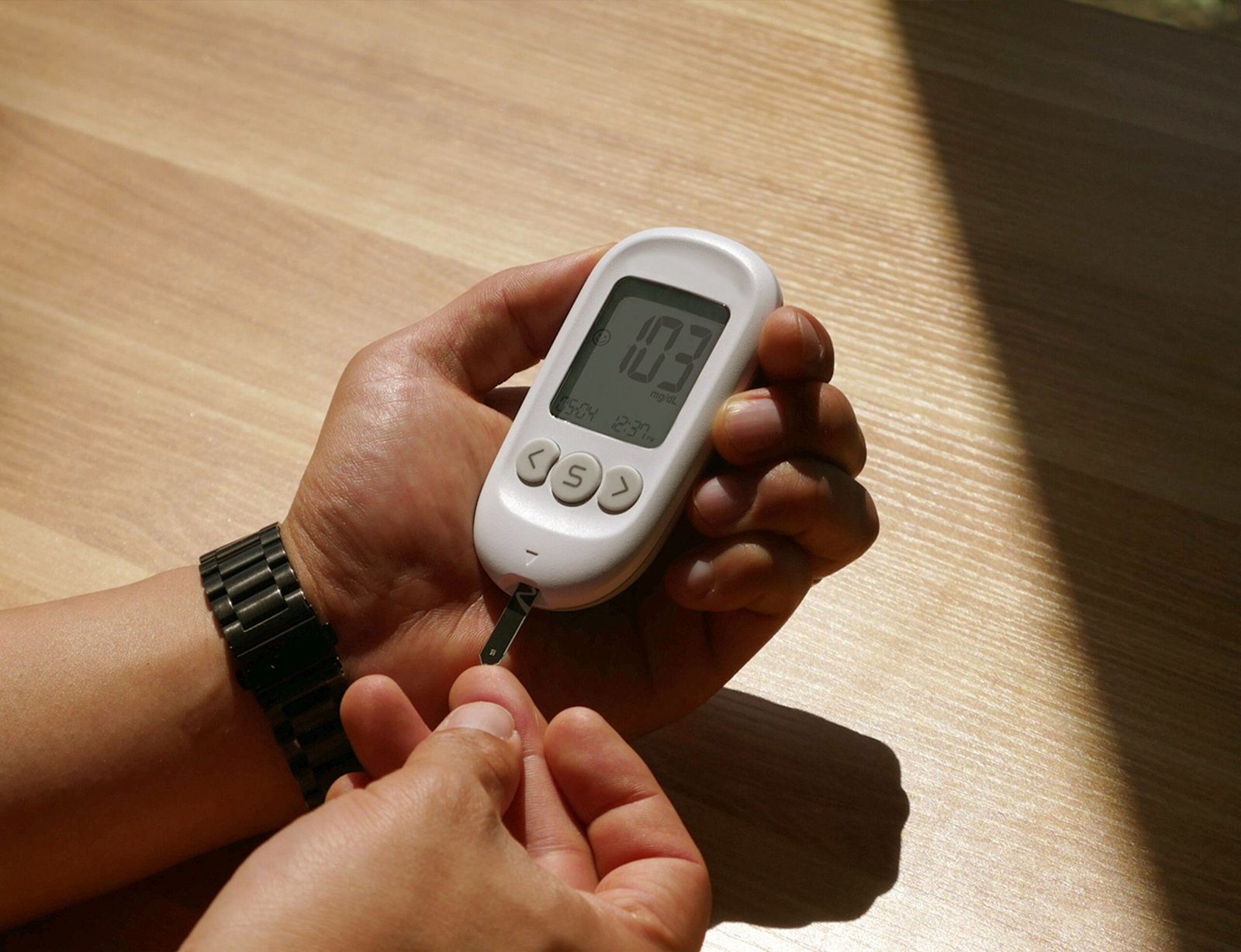
If your healthcare professional recommends glucose monitoring, follow their instructions.
Useful clinical markers may include fasting blood glucose and HbA1c, depending on your circumstances.
Do not diagnose yourself based solely on symptoms.
When to Talk to a Healthcare Professional
Lifestyle changes are valuable, but they should not replace appropriate medical evaluation.
Talk to a healthcare professional if you have concerns about:
- Persistently elevated blood glucose
- Excessive thirst
- Frequent urination
- Unexplained weight changes
- Persistent fatigue
- Blurred vision
- A history of gestational diabetes
- A family history of diabetes
- Previously abnormal glucose tests
- Prediabetes or diabetes
People who already have diabetes should follow their individualized treatment plan.
Some people require medication, glucose monitoring, or other medical interventions.
The goal of lifestyle-based blood sugar management is to complement appropriate healthcare, not replace it.
The Bigger Picture: Metabolic Health Is a Lifestyle
Blood sugar does not exist in isolation.
Your metabolism responds to your entire lifestyle.
Food matters.
Movement matters.
Sleep matters.
Stress matters.
Muscle mass matters.
Hydration matters.
Daily routines matter.
Even your environment and social habits can influence how consistently you follow healthy behaviors.
This is why the most powerful approach is not searching for one perfect intervention.
Instead, build a system.
Eat mostly minimally processed foods.
Prioritize protein and fiber.
Move throughout the day.
Strength train consistently.
Walk after meals when possible.
Sleep adequately.
Manage stress.
Stay hydrated.
Monitor your health when appropriate.
This is the foundation of sustainable blood sugar management.
The 10-Minute Blood Sugar Management Routine
If you have very little time, start with a simple routine.
Morning
Drink water and eat a balanced breakfast if you normally eat in the morning.
After Lunch
Walk for 10 minutes.
Afternoon
Stand up and move regularly rather than sitting continuously.
Dinner
Build a balanced plate with vegetables, protein, and a high-fiber carbohydrate.
Evening
Take another short walk if practical.
Before Bed
Dim the lights, reduce stimulating activities, and prepare for sleep.
These actions may seem small.
But metabolic health is built from small actions repeated consistently.
Your Blood Sugar Blueprint Checklist
Use this checklist as a simple daily reminder.
Nutrition
☐ Eat protein with major meals.
☐ Include vegetables regularly.
☐ Choose fiber-rich carbohydrates.
☐ Prefer whole fruit over sugary drinks.
☐ Limit excessive added sugar.
☐ Pay attention to portions.
☐ Include healthy fats in reasonable amounts.
Movement
☐ Walk after meals when practical.
☐ Avoid long periods of uninterrupted sitting.
☐ Perform resistance training regularly.
☐ Stay active throughout the day.
Recovery
☐ Maintain a consistent sleep schedule.
☐ Prioritize sufficient sleep.
☐ Practice stress-management techniques.
☐ Stay hydrated.
Awareness
☐ Pay attention to hunger and fullness.
☐ Track habits rather than chasing perfection.
☐ Follow recommended health screenings.
☐ Seek professional advice when needed.
Frequently Asked Questions About Blood Sugar Management
What is the best way to manage blood sugar naturally?
There is no single best method for everyone. A combination of balanced nutrition, adequate fiber and protein, regular physical activity, sufficient sleep, stress management, and maintaining a healthy lifestyle provides a strong foundation for blood sugar management.
Can walking help blood sugar management?
Physical activity can increase glucose uptake by muscles. Walking after meals is a simple way to add movement to your daily routine and may support post-meal glucose control.
Should I stop eating carbohydrates?
Not necessarily. Many nutritious foods contain carbohydrates, including vegetables, fruits, legumes, and whole grains. Instead of eliminating carbohydrates completely, focus on food quality, portions, and combining carbohydrates with protein and fiber.
Is fruit bad for blood sugar?
Whole fruit can be part of a healthy diet for most people. Fruit provides fiber and important nutrients. Whole fruit is generally a better choice than sugar-sweetened fruit beverages.
Does sleep affect blood sugar?
Sleep is connected to appetite regulation, hormones, stress, and metabolic health. Consistently inadequate sleep can make healthy eating and glucose regulation more challenging.
Can stress affect blood sugar?
Stress hormones can influence glucose metabolism. Chronic stress may also affect eating behavior, sleep, and physical activity, making stress management an important part of overall metabolic health.
Do I need supplements for blood sugar management?
No supplement should be considered a replacement for a balanced diet, physical activity, appropriate medical care, or prescribed medication. Discuss supplements with a healthcare professional if you are taking medication or managing a metabolic condition.
How quickly can lifestyle changes improve metabolic health?
The timeline varies considerably between individuals. Some people notice improvements in energy, appetite, or fitness relatively quickly, while measurable changes in clinical markers may take longer. Consistency is more important than seeking immediate results.
Final Thoughts
Better metabolic health does not have to begin with an extreme transformation.
It can begin with one balanced meal.
One walk.
One earlier bedtime.
One additional serving of vegetables.
One less sugary drink.
One short movement break.
Over time, these small decisions can become a lifestyle.
The real blood sugar management blueprint is therefore not a complicated diet or a collection of miracle remedies. It is a practical system built around nutritious food, regular movement, quality sleep, stress management, hydration, and consistent healthy routines.
Your body is constantly responding to what you eat, how you move, how you sleep, and how you recover.
Instead of looking for a single shortcut, create an environment in which healthier choices become easier.
Start small.
Stay consistent.
Build gradually.
And remember that metabolic health is a long-term process—not a one-day challenge.
Blood sugar management is not about perfection. It is about creating better habits that your body can benefit from day after day.