



Introduction: Understanding Inflammation Recovery
Inflammation is one of the body’s most important protective mechanisms. When you experience an injury, infection, or other form of tissue stress, the immune system responds by sending signals and immune cells to the affected area. This short-term inflammatory response can help the body defend itself and begin the repair process.
The challenge arises when inflammatory activity becomes persistent or excessive. Long-term inflammation is associated with a range of health concerns, including cardiovascular disease, metabolic dysfunction, and other chronic conditions. Lifestyle factors such as poor diet, inadequate sleep, chronic stress, smoking, physical inactivity, and excessive alcohol consumption can contribute to an unfavorable inflammatory environment.
This is where a practical inflammation recovery strategy can become valuable.
Inflammation recovery is not about eliminating inflammation completely. Your body needs appropriate inflammatory responses to function properly. Instead, the goal is to support healthy immune regulation, provide nutrients needed for normal repair, and reduce lifestyle factors that may contribute to unnecessary inflammatory stress.
Fortunately, inflammation recovery does not necessarily require expensive supplements, complicated diets, or extreme restrictions. Everyday foods can provide antioxidants, fiber, healthy fats, vitamins, minerals, and plant compounds that support overall health.
From colorful vegetables and berries to beans, whole grains, nuts, seeds, extra-virgin olive oil, and fatty fish, your kitchen can become the foundation of a sustainable inflammation recovery routine.
This comprehensive inflammation recovery guide explains how food can fit into a balanced approach and how to build simple meals that support your body’s natural processes.
What Is Inflammation?
Inflammation is a biological response involving the immune system, blood vessels, and various signaling molecules. It can occur in response to infection, injury, irritation, or other forms of stress.
Acute inflammation is generally temporary. For example, if you cut your finger, the area may become red, warm, swollen, and tender. These changes are part of the body’s response to injury.
Chronic inflammation is different. It can involve low-level inflammatory activity that persists over time. Unlike the obvious swelling associated with an injury, chronic inflammation may not produce noticeable symptoms.
Because inflammation is complex, it is important to avoid thinking of individual foods as “inflammation cures.” No single food can switch inflammation off. Instead, overall dietary patterns, physical activity, sleep, stress management, and other lifestyle factors influence the body’s inflammatory environment.
That is the foundation of effective inflammation recovery.
Why Food Matters During Inflammation Recovery
Food provides the raw materials your body uses for energy, tissue maintenance, immune function, and repair.
A nutrient-rich dietary pattern can help support these processes in several ways.
1. Antioxidants
Fruits, vegetables, herbs, spices, nuts, seeds, and whole grains contain numerous antioxidant compounds. These substances help protect cells from oxidative damage.
2. Dietary Fiber
Fiber supports digestive health and the gut microbiome. Beans, lentils, vegetables, fruits, oats, barley, and whole grains are excellent sources.
3. Healthy Fats
Unsaturated fats found in foods such as olive oil, avocados, nuts, seeds, and certain fish can be part of a heart-healthy eating pattern.
4. Vitamins and Minerals
Vitamin C, vitamin E, folate, magnesium, potassium, selenium, zinc, and many other nutrients contribute to normal physiological functions.
5. Plant Compounds
Colorful plant foods contain polyphenols and other bioactive compounds that researchers continue to study for their potential role in maintaining healthy inflammatory balance.
For these reasons, food-based nutrition is an important foundation for inflammation recovery.
15 Everyday Foods for Inflammation Recovery
1. Berries
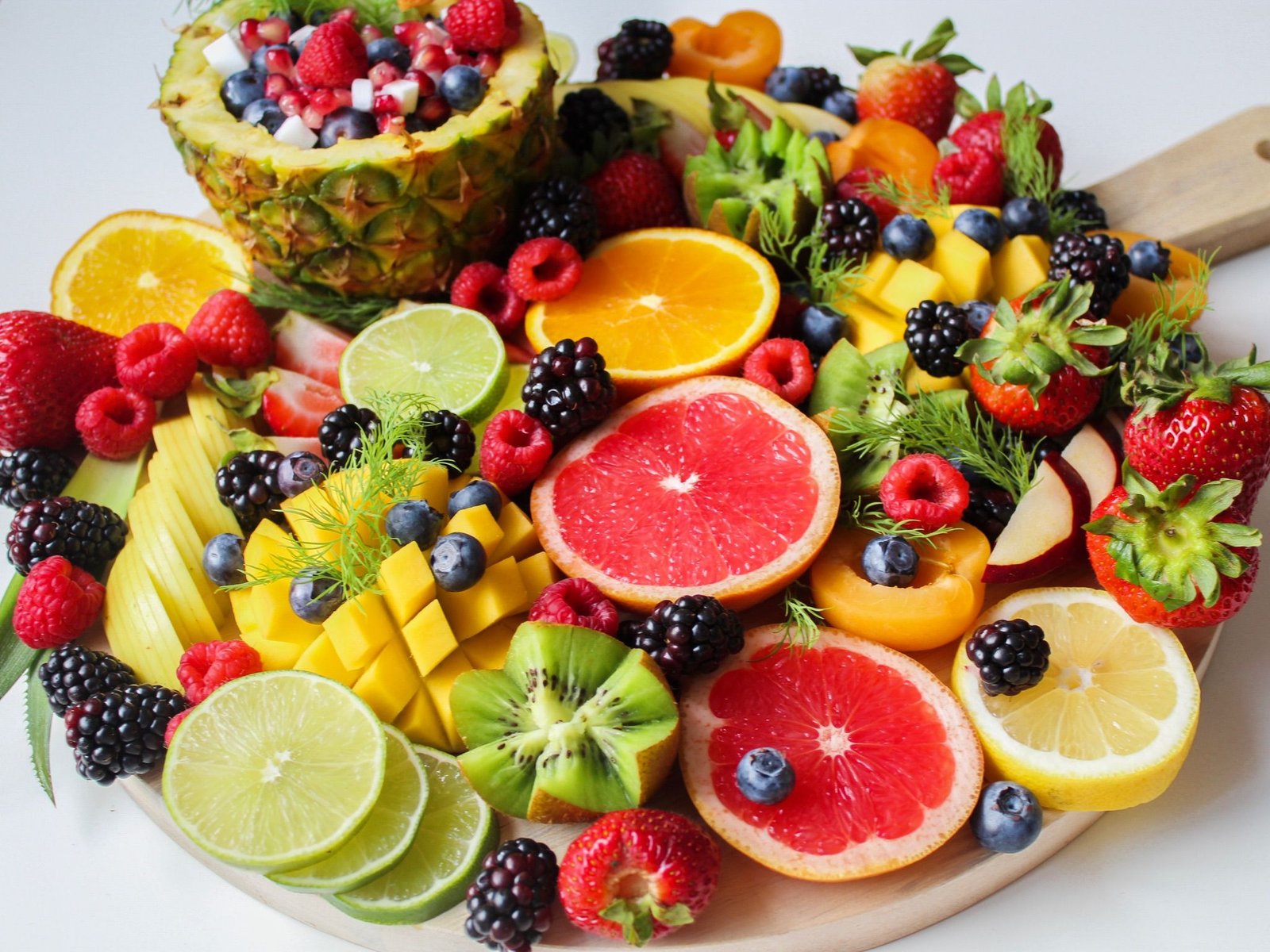
Berries are among the easiest foods to incorporate into an inflammation recovery diet.
Blueberries, strawberries, raspberries, blackberries, and other berries contain fiber, vitamins, minerals, and polyphenolic compounds.
Their deep colors come from naturally occurring plant pigments. Rather than focusing on one specific compound, think of berries as a nutrient-dense addition to your overall diet.
Try adding berries to:
- Oatmeal
- Plain yogurt
- Smoothies
- Chia pudding
- Whole-grain breakfast bowls
- Fruit salads
Frozen berries can also be a convenient option when fresh berries are unavailable.
For inflammation recovery, consistency matters more than eating a huge quantity of berries occasionally.
2. Fatty Fish
Fatty fish such as salmon, sardines, trout, mackerel, and herring provide omega-3 fatty acids, particularly EPA and DHA.
Omega-3 fatty acids are important components of cell membranes and are involved in numerous biological processes.
Including fish as part of a balanced dietary pattern can therefore support overall nutritional quality.
A practical inflammation recovery meal might include:
Grilled salmon + roasted vegetables + quinoa + leafy greens
If you do not eat fish, plant foods such as flaxseeds, chia seeds, and walnuts provide alpha-linolenic acid (ALA), a plant-based omega-3 fatty acid.
Because conversion of ALA into EPA and DHA is limited, people following vegetarian or vegan diets may wish to discuss appropriate omega-3 options with a qualified healthcare professional.
3. Extra-Virgin Olive Oil
Extra-virgin olive oil is a staple of Mediterranean-style eating patterns.
It contains predominantly monounsaturated fat along with various plant compounds.
Instead of using heavily processed sauces, you can use extra-virgin olive oil in simple ways:
- Drizzle it over vegetables.
- Add it to salads.
- Use it in homemade dressings.
- Add a small amount to cooked grains.
- Combine it with herbs and lemon juice.
The goal of inflammation recovery is not simply to add olive oil to an otherwise unhealthy diet. Rather, olive oil works best as part of an overall dietary pattern rich in vegetables, legumes, whole grains, nuts, seeds, and other minimally processed foods.
4. Leafy Green Vegetables
Spinach, kale, mustard greens, fenugreek leaves, lettuce, collard greens, and other leafy vegetables provide a broad range of nutrients.
They can contribute vitamin K, folate, carotenoids, vitamin C, magnesium, potassium, and dietary fiber depending on the specific vegetable.
For an easy inflammation recovery strategy, aim to make vegetables a visible part of your main meals.
Try:
Spinach + chickpeas + tomatoes + whole-grain roti
or
Mixed greens + cucumber + carrots + beans + olive oil dressing
You do not need exotic vegetables. Local, affordable seasonal produce can work extremely well.
5. Cruciferous Vegetables
Broccoli, cauliflower, cabbage, Brussels sprouts, bok choy, radish, and similar vegetables belong to the cruciferous family.
These foods contain fiber and naturally occurring sulfur-containing compounds that have been studied for their biological effects.
You can include them in your inflammation recovery routine through:
- Stir-fries
- Soups
- Roasted vegetable dishes
- Curries
- Salads
- Steamed vegetable bowls
Cooking methods matter for enjoyment and nutrient retention, but there is no requirement to eat vegetables raw.
6. Tomatoes
Tomatoes provide vitamin C, potassium, fiber, and carotenoid compounds, including lycopene.
Cooked tomato products can also be useful ingredients in nutritious meals.
For example:
Tomato + lentil soup
can provide fiber and plant protein while making vegetables easier to consume.
Tomatoes can also be combined with olive oil, herbs, beans, and whole grains for a simple inflammation recovery meal.
7. Beans and Lentils
Beans, chickpeas, kidney beans, black beans, green gram, black gram, and lentils are nutritional powerhouses.
They provide:
- Plant protein
- Dietary fiber
- Folate
- Magnesium
- Potassium
- Iron
- Various plant compounds
The fiber content makes legumes particularly useful for digestive health.
A high-fiber diet can help support a diverse gut microbiome, although individual responses vary.
For inflammation recovery, consider making legumes a regular part of your weekly meals.
Simple options include:
- Dal
- Chana
- Rajma
- Lentil soup
- Chickpea salad
- Bean curry
- Hummus
8. Nuts
Almonds, walnuts, pistachios, cashews, and other nuts provide healthy fats, protein, minerals, fiber, and various plant compounds.
Walnuts are particularly notable because they contain ALA, a plant-based omega-3 fatty acid.
A small handful can be added to:
- Oatmeal
- Yogurt
- Salads
- Smoothies
- Homemade trail mixes
Choose mostly unsalted nuts when possible.
Nuts are calorie-dense, so portion size still matters. A small serving can provide substantial nutrition without turning a healthy snack into an excessive calorie load.
also read: Immune Resilience Blueprint: How to Strengthen Your Body Beyond Supplements
9. Seeds
Chia seeds, flaxseeds, pumpkin seeds, sunflower seeds, and sesame seeds can contribute fiber, minerals, healthy fats, and other nutrients.
Ground flaxseed can be especially easy to add to oatmeal or smoothies.
Chia seeds can be combined with yogurt or milk to make a simple pudding.
Pumpkin seeds can add crunch to salads and soups.
These small foods can make an inflammation recovery diet more nutritionally diverse.
10. Whole Grains
Whole grains retain more of the grain’s natural components than refined grains.
Examples include:
- Oats
- Barley
- Brown rice
- Whole wheat
- Quinoa
- Millet
- Buckwheat
Whole grains can contribute fiber, vitamins, minerals, and plant compounds.
For an Indian-style inflammation recovery diet, whole-grain options might include:
Vegetable khichdi + salad + plain yogurt
or
Whole-wheat roti + dal + mixed vegetables
or
Millet bowl + chickpeas + leafy greens
The best choice is usually the whole grain you enjoy and can eat consistently.
11. Garlic
Garlic has been used traditionally in many cuisines for centuries.
It contains sulfur-containing compounds that have attracted scientific interest.
Rather than treating garlic as a medicine, use it as a flavorful way to increase the variety of plant foods in your meals.
Add garlic to:
- Lentils
- Vegetable soups
- Stir-fries
- Roasted vegetables
- Homemade sauces
- Bean dishes
Flavorful cooking makes healthy eating easier to maintain.
12. Ginger
Ginger is another traditional food ingredient widely used across Asian cuisines.
Fresh ginger can be added to:
- Herbal beverages
- Soups
- Curries
- Stir-fries
- Smoothies
- Vegetable dishes
Ginger contains naturally occurring compounds that researchers have studied for their biological activity.
However, food-level use should not be confused with concentrated medicinal doses.
For everyday inflammation recovery, ginger can simply be one flavorful component of a diverse diet.
13. Turmeric
Turmeric contains curcuminoids, including curcumin, which have been extensively studied.
Turmeric has a long history of culinary use, especially in South Asian cooking.
Adding turmeric to food can be an easy way to diversify your diet.
Try turmeric in:
- Dal
- Vegetable curries
- Soups
- Rice dishes
- Egg dishes
- Roasted vegetables
However, turmeric should not be presented as a cure for chronic inflammation.
Concentrated curcumin supplements can also interact with medications and may not be appropriate for everyone. Anyone considering supplementation should speak with a healthcare professional.
Food-first nutrition is a sensible foundation for inflammation recovery.
14. Green Tea
Green tea contains polyphenols, including catechins.
For many people, unsweetened green tea can be a useful alternative to sugary beverages.
You can enjoy it:
- In the morning
- Between meals
- After lunch
- As an afternoon beverage
However, caffeine affects people differently. If caffeine interferes with sleep, avoid drinking caffeinated tea late in the day.
Since sleep is a major component of inflammation recovery, protecting your sleep schedule is more important than forcing yourself to drink green tea.
15. Citrus Fruits
Oranges, lemons, limes, grapefruit, and other citrus fruits can provide vitamin C, fiber, and plant compounds.
Whole fruit is generally preferable to fruit juice because whole fruit provides more fiber and tends to be more filling.
Use citrus fruits in simple ways:
- Eat an orange as a snack.
- Add lemon to salads.
- Use lime in bean dishes.
- Add citrus to fruit bowls.
- Combine lemon with olive oil for dressing.
Small nutritional improvements repeated consistently can become powerful habits over time.
Foods to Limit During Inflammation Recovery
An effective inflammation recovery plan is not only about what you add. It is also about what you reduce.
No individual food automatically causes chronic inflammation in every person. However, dietary patterns high in heavily processed foods, added sugars, sodium, refined carbohydrates, and unhealthy fats may make it harder to maintain overall diet quality.
Consider reducing your intake of:
Highly Processed Snack Foods
Chips, packaged pastries, and many highly processed snack products can be easy to overeat while providing relatively little fiber.
Sugary Beverages
Soft drinks, sweetened energy drinks, and heavily sweetened beverages can add substantial amounts of sugar without much nutritional value.
Refined Grains
White bread, refined cereals, and many refined flour products can replace more nutrient-dense whole-food choices when eaten excessively.
Processed Meats
Bacon, sausages, salami, and other processed meats are best consumed sparingly as part of a health-conscious eating pattern.
Excessive Alcohol
Alcohol can affect sleep, metabolism, liver health, and many other systems. Reducing intake can therefore support overall health.
The goal is not perfection. A sustainable inflammation recovery approach should focus on your overall dietary pattern rather than creating fear around individual foods.
The Mediterranean-Style Approach to Inflammation Recovery
One of the most useful frameworks for inflammation recovery is a Mediterranean-style dietary pattern.
This approach emphasizes:
- Vegetables
- Fruits
- Legumes
- Whole grains
- Nuts
- Seeds
- Fish
- Olive oil
- Herbs and spices
It generally limits excessive consumption of highly processed foods, processed meats, and added sugars.
You do not need to copy another country’s cuisine to benefit from the principles.
An Indian inflammation recovery pattern could include:
Breakfast: Oats with berries, chia seeds, and walnuts.
Lunch: Dal, brown rice, mixed vegetables, salad, and plain yogurt.
Snack: Fruit with a small handful of nuts.
Dinner: Grilled fish or chickpeas, whole-grain roti, sautéed greens, and vegetables.
The underlying principle is diversity and nutrient density.
A Simple Inflammation Recovery Plate
A practical meal formula can make healthy eating easier.
Try dividing your plate into:
Half Vegetables
Choose two or more vegetables with different colors.
One Quarter Protein
Use fish, eggs, beans, lentils, tofu, chicken, or another minimally processed protein source.
One Quarter Whole-Grain or Starchy Food
Choose oats, brown rice, quinoa, millet, potatoes, or whole-grain bread.
Then add a source of healthy fat, such as olive oil, nuts, seeds, or avocado.
This simple structure can turn almost any cuisine into an inflammation recovery-friendly meal.
Inflammation Recovery and Gut Health
Your digestive system plays an important role in overall health.
The gut contains trillions of microorganisms that interact with food, immune signaling, and the intestinal environment.
Dietary fiber is particularly important because certain gut microbes can ferment fiber and produce short-chain fatty acids.
For this reason, an inflammation recovery strategy should not focus exclusively on antioxidants or supplements.
It should also prioritize fiber-rich foods.
Excellent choices include:
- Lentils
- Chickpeas
- Beans
- Oats
- Barley
- Apples
- Pears
- Berries
- Vegetables
- Seeds
- Nuts
Increase fiber gradually if your current diet is low in fiber, and drink adequate fluids.
People with specific digestive conditions may need individualized advice from a healthcare professional.
Hydration and Inflammation Recovery
Water does not magically remove inflammation, but adequate hydration supports normal physiological functions.
Instead of relying primarily on sugary drinks, make water your main beverage.
You can also include:
- Unsweetened tea
- Infused water
- Clear soups
- Water-rich fruits
- Vegetables
Individual hydration requirements vary according to body size, activity, climate, diet, and health status.
In hot climates, hydration can become especially important.
Exercise as Part of Inflammation Recovery
Nutrition is only one piece of the inflammation recovery puzzle.
Regular physical activity supports cardiovascular health, metabolic health, muscle function, and overall well-being.
You do not need an extreme workout routine.
A balanced weekly approach can include:
- Walking
- Strength training
- Cycling
- Swimming
- Yoga
- Mobility exercises
- Recreational sports
If you are currently inactive, start gradually.
Excessive exercise without adequate recovery can also place additional stress on the body, so balance matters.
A successful inflammation recovery strategy should help you become stronger and healthier—not exhausted.
Sleep: The Overlooked Inflammation Recovery Tool
Sleep is one of the most underestimated aspects of health.
Poor or insufficient sleep can affect immune regulation, appetite, glucose metabolism, mood, and cardiovascular health.
That makes sleep an important part of inflammation recovery.
Build a consistent sleep routine by:
- Keeping a regular bedtime.
- Limiting bright screens before bed.
- Keeping your bedroom comfortable.
- Avoiding excessive caffeine late in the day.
- Getting regular daytime movement.
- Creating a relaxing pre-sleep routine.
Eating a perfect diet while consistently sleeping poorly is not an ideal health strategy.
Your body needs recovery time.
Stress Management and Inflammation Recovery
Chronic psychological stress can influence sleep, eating behavior, physical activity, and other biological processes.
You cannot eliminate every source of stress, but you can build healthier ways to respond.
Try:
- Deep breathing
- Meditation
- Yoga
- Walking outdoors
- Journaling
- Social connection
- Hobbies
- Time away from screens
Even five to ten minutes of intentional relaxation can become a useful daily ritual.
Think of stress management as another layer of inflammation recovery, rather than a separate wellness goal.
A 7-Day Inflammation Recovery Meal Framework
Here is a simple example of how these principles can come together.
Day 1
Breakfast: Oatmeal with berries, chia seeds, and walnuts.
Lunch: Lentil dal, brown rice, spinach, and cucumber salad.
Snack: Orange and almonds.
Dinner: Grilled fish with roasted vegetables and quinoa.
Day 2
Breakfast: Plain yogurt with fruit, oats, and flaxseed.
Lunch: Chickpea salad with tomatoes, greens, cucumber, and olive oil.
Snack: Apple with walnuts.
Dinner: Vegetable soup, whole-grain roti, lentils, and broccoli.
Day 3
Breakfast: Vegetable omelet with whole-grain toast.
Lunch: Rajma, brown rice, mixed vegetables, and salad.
Snack: Berries and pumpkin seeds.
Dinner: Baked salmon, leafy greens, and roasted sweet potato.
Day 4
Breakfast: Chia pudding with fruit and nuts.
Lunch: Vegetable khichdi with lentils and salad.
Snack: Pear and almonds.
Dinner: Chickpea curry with vegetables and whole-grain roti.
Day 5
Breakfast: Oats with banana, cinnamon, flaxseed, and walnuts.
Lunch: Grilled chicken or tofu with quinoa and vegetables.
Snack: Plain yogurt and berries.
Dinner: Dal, sautéed greens, roasted cauliflower, and brown rice.
Day 6
Breakfast: Vegetable poha with nuts and fruit.
Lunch: Bean bowl with whole grains, leafy greens, tomatoes, and olive oil.
Snack: Apple and pumpkin seeds.
Dinner: Fish or tofu with vegetables and millet.
Day 7
Breakfast: Whole-grain toast with avocado and eggs.
Lunch: Chickpea and vegetable salad with lemon-olive oil dressing.
Snack: Orange and walnuts.
Dinner: Lentil soup, roasted vegetables, and whole-grain roti.
This is an example rather than a prescription. Your nutritional needs will depend on your age, activity level, dietary preferences, allergies, health conditions, and goals.
How to Build an Inflammation Recovery Grocery List
Instead of buying a long list of specialty foods, focus on basic ingredients.
Fruits
- Berries
- Apples
- Oranges
- Pears
- Bananas
- Seasonal fruit
Vegetables
- Spinach
- Broccoli
- Cabbage
- Cauliflower
- Carrots
- Tomatoes
- Bell peppers
- Cucumbers
- Seasonal vegetables
Protein Foods
- Lentils
- Chickpeas
- Beans
- Eggs
- Fish
- Tofu
- Plain yogurt
- Chicken, if desired
Healthy Fats
- Olive oil
- Walnuts
- Almonds
- Chia seeds
- Flaxseeds
- Pumpkin seeds
Whole Grains
- Oats
- Brown rice
- Barley
- Millet
- Quinoa
- Whole-wheat flour
Flavor Builders
- Garlic
- Ginger
- Turmeric
- Cinnamon
- Black pepper
- Fresh herbs
- Lemon
You can create hundreds of meals from these basic ingredients.
Common Inflammation Recovery Mistakes
Mistake 1: Looking for One “Superfood”
No single food can compensate for an overall poor diet.
Instead of searching for a magical ingredient, build dietary variety.
Mistake 2: Eliminating Everything
Extreme restriction is rarely necessary and can make healthy eating difficult to sustain.
Focus on adding nutritious foods before aggressively removing foods.
Mistake 3: Depending on Supplements
Supplements can have a role in specific circumstances, but they should not replace a balanced diet.
Some supplements can interact with medications or be inappropriate for certain health conditions.
Mistake 4: Ignoring Sleep
Sleep is fundamental to recovery.
Do not make nutrition the only focus.
Mistake 5: Exercising Too Hard
More exercise is not always better.
Recovery, nutrition, rest, and progressive training should work together.
Mistake 6: Expecting Instant Results
An inflammation recovery lifestyle is not a quick detox.
Healthy changes often require weeks, months, or longer to become established habits.
Can Spices Help With Inflammation Recovery?
Spices such as turmeric, ginger, cinnamon, garlic, and cloves contain biologically active compounds.
They can contribute to a nutritious diet and make healthy meals more enjoyable.
However, it is important to distinguish culinary use from concentrated extracts.
For example, adding turmeric to dal is very different from taking high-dose curcumin supplements.
If you take medications or have a medical condition, consult a healthcare professional before using concentrated herbal products.
For most people, food-first nutrition is a straightforward place to begin.
What About Sugar?
Sugar is not inherently poisonous, and occasional desserts do not automatically create chronic inflammation.
The bigger concern is excessive consumption of added sugars, particularly when sugary foods and drinks displace nutritious foods.
Instead of focusing on complete elimination, try practical swaps:
Sugary soda → sparkling water with lemon
Sweetened cereal → oats with fruit and nuts
Dessert every day → fruit or plain yogurt more often
Sweetened coffee → gradually reduce added sugar
These changes can improve overall dietary quality without creating an unnecessarily restrictive relationship with food.
What About Dairy?
Dairy foods affect people differently.
Plain yogurt can provide protein and calcium, while fermented dairy may also contain beneficial microorganisms depending on the product.
There is no universal need for everyone to eliminate dairy to support inflammation recovery.
If you experience symptoms after consuming dairy, discuss the issue with a healthcare professional or registered dietitian rather than automatically eliminating multiple food groups.
What About Gluten?
Gluten does not need to be removed from the diet by everyone.
People with diagnosed celiac disease or certain other conditions may need specific dietary restrictions under professional guidance.
For others, whole-grain foods containing gluten can provide fiber and important nutrients.
A broad inflammation recovery approach should be based on individual needs rather than unnecessary restriction.
How Long Does Inflammation Recovery Take?
There is no universal timeline.
The body is constantly responding to nutrition, sleep, physical activity, stress, environmental exposures, infections, injuries, and many other factors.
Your goal should not be to chase a specific number of days.
Instead, focus on sustainable behaviors:
Eat more plants.
Choose minimally processed foods more often.
Get enough fiber.
Include healthy fats.
Stay physically active.
Sleep consistently.
Manage stress.
Avoid smoking.
Limit excessive alcohol.
These habits form the foundation of long-term health.
A Simple Daily Inflammation Recovery Routine
You can make the process easier by creating a repeatable routine.
Morning
Start your day with water and a balanced breakfast containing protein, fiber, and minimally processed carbohydrates.
Midday
Build lunch around vegetables, legumes or another quality protein, and whole grains.
Afternoon
Choose fruit, nuts, seeds, or plain yogurt instead of relying primarily on packaged snacks.
Evening
Eat a balanced dinner and avoid making highly processed foods the center of the meal.
Night
Create a calming bedtime routine and prioritize sufficient sleep.
This routine is simple, but simplicity is a strength.
A health strategy that you can repeat is generally more useful than an elaborate plan you abandon after two weeks.
The Bigger Picture: Inflammation Recovery Is a Lifestyle
The phrase inflammation recovery can make it sound as though inflammation is something you can simply switch off.
Human biology is much more complicated.
Inflammation is necessary for immune defense and tissue repair. The objective is not to suppress every inflammatory response.
Instead, healthy living aims to support appropriate immune regulation and reduce avoidable factors that may contribute to chronic inflammatory stress.
That means looking beyond individual foods.
Your dietary pattern matters.
Your sleep matters.
Your movement matters.
Your stress levels matter.
Your smoking and alcohol habits matter.
Your metabolic health matters.
Your relationships and daily environment can matter as well.
When these factors work together, they create a much stronger foundation than any isolated supplement or “superfood.”
Frequently Asked Questions About Inflammation Recovery
What is the best food for inflammation recovery?
There is no single best food. A varied diet containing vegetables, fruits, legumes, whole grains, nuts, seeds, fish, and healthy fats provides a broad range of nutrients and plant compounds that support overall health.
Can turmeric support inflammation recovery?
Turmeric contains curcuminoids that have been researched for their biological effects. Culinary turmeric can be part of a healthy diet, but turmeric should not be considered a cure for inflammatory diseases.
Are berries good for inflammation recovery?
Berries provide fiber, vitamins, and polyphenols and can be a nutritious addition to an overall balanced dietary pattern.
Is fish useful during inflammation recovery?
Fatty fish provides EPA and DHA omega-3 fatty acids and can fit well into a heart-healthy dietary pattern.
Can a vegetarian diet support inflammation recovery?
Yes. A well-planned vegetarian diet can include plenty of vegetables, fruits, legumes, whole grains, nuts, seeds, and other nutrient-rich foods.
How much water should I drink?
Hydration requirements vary from person to person. Thirst, activity, climate, diet, and health status all influence fluid needs.
Should I take anti-inflammatory supplements?
Not automatically. Supplements can have side effects and interactions. Discuss supplements with a qualified healthcare professional, particularly if you take medication or have an existing medical condition.
Can inflammation recovery help chronic disease?
A healthy dietary and lifestyle pattern can support overall health and may help reduce risk factors associated with several chronic conditions. However, lifestyle changes should complement—not replace—appropriate medical diagnosis and treatment.
When to Talk to a Healthcare Professional
Persistent symptoms should not automatically be blamed on “inflammation.”
Seek professional medical advice for unexplained or persistent symptoms such as:
- Ongoing pain
- Persistent fever
- Significant swelling
- Unexplained weight changes
- Persistent digestive problems
- Severe fatigue
- Recurrent infections
- Shortness of breath
- Chest discomfort
- Unexplained bleeding
If you have been diagnosed with an inflammatory or autoimmune condition, do not stop prescribed medication in favor of dietary changes.
Nutrition can be an important part of comprehensive care, but medical treatment should be individualized.
Final Thoughts: Make Inflammation Recovery Practical
A successful inflammation recovery strategy does not need to be complicated.
You do not need a kitchen filled with expensive powders, exotic ingredients, or dozens of supplements.
Start with ordinary foods.
Eat more vegetables.
Add fruit every day.
Choose legumes regularly.
Include whole grains.
Use healthy fats.
Eat nuts and seeds.
Choose fish when appropriate.
Flavor meals with herbs and spices.
Drink enough fluids.
Move your body.
Sleep well.
Manage stress.
Limit highly processed foods and excessive alcohol.
Most importantly, think about patterns rather than perfection.
One salad will not transform your health. One dessert will not ruin it either.
Your body responds to what you do repeatedly.
That is why the most powerful inflammation recovery strategy is one you can maintain for months and years.
A colorful plate, a daily walk, a consistent sleep schedule, regular strength training, and a balanced approach to food may sound ordinary—but these ordinary habits can create an extraordinary foundation for long-term well-being.
The goal is not to fight your body.
The goal is to give your body the nutrition, movement, rest, and recovery environment it needs to perform its natural functions effectively.
Inflammation recovery begins with small choices repeated consistently.
Start with one meal.
Add one vegetable.
Replace one sugary drink.
Take one walk.
Get to bed a little earlier.
Then repeat.
Over time, these simple decisions can become a sustainable lifestyle built around nourishment, resilience, and better health.
Important note: This article is for general educational purposes and is not medical advice. Food and lifestyle strategies cannot replace diagnosis or treatment from a qualified healthcare professional. People with chronic diseases, allergies, medication interactions, pregnancy-related nutritional needs, or other medical concerns should seek individualized professional guidance.