


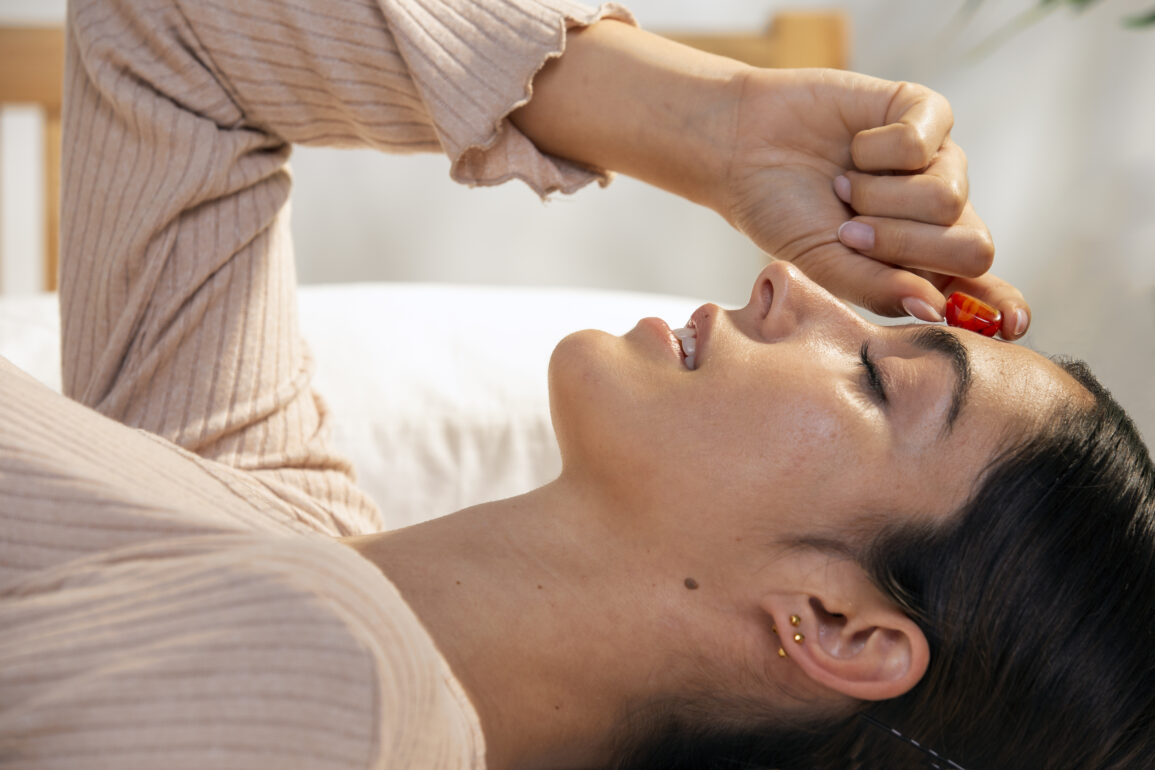
Modern life presents countless challenges that affect emotional well-being, cognitive performance, and overall mental health. Constant stress, demanding work schedules, digital overload, sleep disturbances, and emotional pressures can gradually impact the nervous system and reduce quality of life. While conventional approaches often focus on symptom management, Ayurveda offers a holistic perspective that addresses the root causes of imbalance.
NeuroBalance Ayurvedic Care represents a comprehensive approach to mental and neurological wellness by combining ancient Ayurvedic wisdom with personalized therapeutic practices. This holistic system aims to restore harmony within the mind, body, and nervous system while promoting long-term resilience and emotional stability.
In this comprehensive guide, we will explore the principles, benefits, therapies, and lifestyle practices associated with NeuroBalance Ayurvedic Care and understand how this natural healing approach supports mental clarity, emotional balance, and overall well-being.
Understanding NeuroBalance Ayurvedic Care
NeuroBalance Ayurvedic Care is a specialized wellness approach inspired by the principles of Ayurveda, the traditional healing system that originated in India more than 5,000 years ago. It focuses on balancing the nervous system, supporting cognitive function, reducing mental stress, and enhancing emotional wellness.
The foundation of NeuroBalance Ayurvedic Care lies in the belief that true health is achieved when the body, mind, and spirit remain in harmonious balance. According to Ayurvedic philosophy, mental disturbances often arise from imbalances in the body’s natural energies, known as doshas.
These doshas include:
Vata Dosha
Vata governs movement, communication, nervous system activity, and mental flexibility. When imbalanced, Vata may contribute to:
- Anxiety
- Restlessness
- Insomnia
- Excessive worry
- Mental fatigue
- Difficulty concentrating
Pitta Dosha
Pitta governs metabolism, intelligence, focus, and emotional intensity. Excessive Pitta may lead to:
- Irritability
- Anger
- Frustration
- Burnout
- Perfectionism
- Stress-related headaches
Kapha Dosha
Kapha governs stability, calmness, and emotional grounding. Imbalanced Kapha may result in:
- Depression
- Lack of motivation
- Mental sluggishness
- Emotional heaviness
- Low energy levels
NeuroBalance Ayurvedic Care seeks to identify individual dosha imbalances and implement personalized therapeutic interventions to restore equilibrium.
Why Mental Wellness Matters More Than Ever
Mental health challenges are becoming increasingly common across all age groups. Factors such as chronic stress, social pressures, financial concerns, poor sleep, and unhealthy lifestyle habits contribute significantly to emotional and neurological strain.
Common symptoms indicating nervous system imbalance include:
- Persistent stress
- Anxiety
- Mood swings
- Poor concentration
- Brain fog
- Memory issues
- Sleep disturbances
- Emotional instability
- Chronic fatigue
- Reduced productivity
Ignoring these warning signs can negatively impact relationships, professional performance, and overall health. NeuroBalance Ayurvedic Care offers a natural and sustainable approach to addressing these concerns before they escalate into more serious conditions.
Core Principles of NeuroBalance Ayurvedic Care
Individualized Assessment
One of Ayurveda’s greatest strengths is personalization. Every individual possesses a unique constitution known as Prakriti.
NeuroBalance Ayurvedic practitioners evaluate factors such as:
- Physical constitution
- Mental tendencies
- Lifestyle habits
- Dietary patterns
- Sleep quality
- Emotional state
- Stress levels
Based on these findings, a customized wellness plan is developed.
Root Cause Identification
Rather than simply masking symptoms, NeuroBalance Ayurvedic Care focuses on understanding underlying causes.
Potential contributing factors include:
- Digestive imbalances
- Poor sleep hygiene
- Nutritional deficiencies
- Chronic stress
- Emotional trauma
- Hormonal fluctuations
- Lifestyle disruptions
Addressing root causes helps create lasting improvements.
Mind-Body Integration
Ayurveda recognizes a profound connection between mental and physical health. Emotional disturbances can influence bodily functions, while physical imbalances may affect mood and cognition.
NeuroBalance Ayurvedic Care emphasizes integrated healing through:
- Nutrition
- Herbal support
- Meditation
- Yoga
- Lifestyle adjustments
- Therapeutic treatments
Key Benefits of NeuroBalance Ayurvedic Care
Natural Stress Reduction
One of the primary goals of NeuroBalance Ayurvedic Care is reducing chronic stress.
Therapeutic techniques help:
- Calm the nervous system
- Lower tension
- Promote relaxation
- Improve emotional resilience
- Enhance coping abilities
Individuals often experience greater inner peace and improved emotional stability.
Improved Sleep Quality
Quality sleep is essential for mental and neurological health.
Ayurvedic interventions may support:
- Faster sleep onset
- Deeper sleep cycles
- Reduced nighttime awakenings
- Better morning energy
- Improved cognitive performance
Healthy sleep contributes significantly to emotional balance and mental clarity.
Enhanced Cognitive Function
NeuroBalance Ayurvedic Care supports:
- Memory retention
- Learning capacity
- Mental focus
- Decision-making abilities
- Information processing
- Creativity
Optimal brain function allows individuals to perform effectively in both personal and professional settings.
Emotional Balance
Many people struggle with fluctuating emotions caused by stress and lifestyle pressures.
Ayurvedic therapies may help:
- Stabilize mood
- Reduce emotional reactivity
- Increase patience
- Improve self-awareness
- Foster emotional resilience
This creates a greater sense of psychological well-being.
Ayurvedic Therapies Used in NeuroBalance Care
Abhyanga (Therapeutic Oil Massage)
Abhyanga is a traditional Ayurvedic oil massage designed to nourish the nervous system.
Potential benefits include:
- Reduced stress
- Improved circulation
- Enhanced relaxation
- Better sleep
- Nervous system support
Regular sessions may help maintain mental and emotional balance.
Shirodhara
Shirodhara involves gently pouring warm herbal oil over the forehead in a continuous stream.
This therapy is widely recognized for its calming effects and may support:
- Stress relief
- Mental relaxation
- Better concentration
- Improved sleep quality
- Emotional harmony
Many individuals find Shirodhara deeply restorative.
Nasya Therapy
Nasya involves the application of medicated herbal oils into the nasal passages.
Traditional Ayurvedic texts associate Nasya with:
- Mental clarity
- Improved focus
- Enhanced sensory function
- Nervous system support
- Reduced head tension
Herbal Steam Therapy
Herbal steam treatments may help:
- Promote relaxation
- Improve circulation
- Support detoxification
- Relieve physical tension
- Encourage mental calmness
Ayurvedic Herbs Commonly Associated with NeuroBalance Care
Ashwagandha
Ashwagandha is one of Ayurveda’s most respected adaptogenic herbs.
Potential benefits include:
- Stress management
- Emotional resilience
- Improved energy
- Better sleep
- Nervous system support
Brahmi
Brahmi has traditionally been used to support:
- Memory
- Focus
- Learning ability
- Cognitive performance
- Mental clarity
Jatamansi
Jatamansi is valued for its calming properties and may support:
- Emotional stability
- Relaxation
- Sleep quality
- Stress reduction
Shankhpushpi
Shankhpushpi is commonly used in Ayurvedic wellness programs focused on:
- Mental performance
- Concentration
- Memory enhancement
- Cognitive health
Guduchi
Guduchi is traditionally associated with:
- Immune support
- Vitality
- Stress management
- Overall wellness
Yoga and NeuroBalance Ayurvedic Care
Yoga serves as a vital component of Ayurvedic mental wellness programs.
Recommended practices may include:
- Gentle stretching
- Breathing exercises
- Meditation
- Relaxation techniques
- Mindfulness training
Yoga helps strengthen the mind-body connection while promoting emotional harmony.
Pranayama for Nervous System Support
Breathing exercises are fundamental in Ayurvedic wellness.
Common techniques include:
Nadi Shodhana
Alternate nostril breathing may help:
- Balance energy
- Reduce stress
- Improve focus
- Enhance emotional stability
Bhramari
The humming bee breath is often used to:
- Calm the mind
- Relieve tension
- Promote relaxation
- Improve concentration
Deep Diaphragmatic Breathing
This technique encourages:
- Better oxygenation
- Reduced anxiety
- Improved relaxation
- Nervous system regulation
The Role of Diet in NeuroBalance Ayurvedic Care
According to Ayurveda, food is one of the most powerful tools for maintaining mental and emotional balance. The digestive system and nervous system are deeply interconnected. When digestion becomes weak or imbalanced, toxins known as “Ama” may accumulate and negatively affect mental clarity, mood, and overall well-being.
NeuroBalance Ayurvedic Care emphasizes a personalized nutritional approach designed to support optimal brain function, emotional stability, and nervous system health.
Brain-Healthy Ayurvedic Foods
Many traditional Ayurvedic foods are believed to nourish the mind and support cognitive wellness.
Examples include:
- Warm cooked vegetables
- Seasonal fruits
- Whole grains
- Mung beans
- Almonds
- Walnuts
- Ghee
- Herbal teas
- Fresh herbs
- Light soups
These foods may help maintain steady energy levels while promoting mental clarity.
Foods That Support Emotional Balance
Certain foods are traditionally associated with calming the nervous system.
These include:
Ghee
Ghee is considered a nourishing food for both the brain and nervous system. It contains healthy fats that support cognitive function and overall vitality.
Soaked Almonds
Almonds are rich in nutrients that contribute to healthy brain performance and mental alertness.
Dates
Dates provide natural energy and are often recommended for individuals experiencing fatigue and low vitality.
Warm Milk with Herbs
Traditional Ayurvedic preparations may include warm milk infused with calming herbs to support relaxation and restful sleep.
Fresh Seasonal Fruits
Fruits provide essential vitamins, antioxidants, and hydration that contribute to overall wellness.
Foods Often Limited During NeuroBalance Programs
To support optimal balance, practitioners may recommend reducing:
- Excess caffeine
- Highly processed foods
- Artificial sweeteners
- Refined sugar
- Excessively spicy foods
- Deep-fried foods
- Alcohol
- Carbonated beverages
Reducing these items may help improve emotional stability and reduce nervous system overstimulation.
Daily Lifestyle Practices for Mental Wellness
Lifestyle management plays a significant role in NeuroBalance Ayurvedic Care.
Morning Routine (Dinacharya)
A structured morning routine can create stability and reduce stress.
Recommended practices may include:
- Waking up early
- Drinking warm water
- Gentle stretching
- Meditation
- Breathing exercises
- Mindful breakfast
- Sunlight exposure
Starting the day with intention often improves emotional resilience and productivity.
Importance of Sleep Hygiene
Sleep is essential for neurological recovery and emotional regulation.
NeuroBalance Ayurvedic Care encourages:
- Consistent sleep schedules
- Reduced screen exposure before bed
- Evening relaxation practices
- Herbal support when appropriate
- Calming nighttime routines
Quality sleep contributes to improved concentration, memory, and emotional stability.
Managing Digital Stress
Modern technology offers convenience but also contributes to mental overload.
Excessive screen time may lead to:
- Eye strain
- Mental fatigue
- Reduced focus
- Sleep disturbances
- Increased stress
NeuroBalance programs often encourage:
- Scheduled technology breaks
- Digital detox periods
- Mindful social media use
- Outdoor activities
- Face-to-face interactions
These habits support healthier nervous system function.
Emotional Healing Through Ayurveda
Ayurveda recognizes that unresolved emotions can significantly affect physical and mental health.
Common emotional challenges include:
- Anxiety
- Fear
- Anger
- Grief
- Frustration
- Emotional exhaustion
NeuroBalance Ayurvedic Care incorporates strategies designed to process emotions constructively rather than suppress them.
Developing Emotional Awareness
Self-awareness is a cornerstone of emotional healing.
Practices may include:
- Journaling
- Meditation
- Reflection
- Guided relaxation
- Mindfulness exercises
These techniques help individuals recognize emotional patterns and develop healthier responses.
Meditation for NeuroBalance
Meditation is one of the most effective tools for cultivating inner calm.
Potential benefits include:
- Reduced stress
- Improved concentration
- Better emotional control
- Enhanced self-awareness
- Greater mental clarity
Regular meditation may strengthen resilience against everyday stressors.
Ayurvedic Approach to Anxiety Management
Anxiety is often associated with Vata imbalance in Ayurveda.
Characteristics may include:
- Racing thoughts
- Restlessness
- Excessive worry
- Sleep disturbances
- Difficulty focusing
NeuroBalance Ayurvedic Care may address these concerns through:
- Grounding nutrition
- Relaxation therapies
- Structured routines
- Meditation
- Gentle yoga
- Nervous system-supportive herbs
The goal is to restore a sense of calm and stability.
Ayurvedic Support for Stress-Related Fatigue
Chronic stress can deplete mental and physical energy reserves.
Common symptoms include:
- Exhaustion
- Lack of motivation
- Poor concentration
- Emotional burnout
- Sleep difficulties
NeuroBalance programs often focus on:
- Restorative practices
- Adaptogenic herbs
- Sleep optimization
- Stress reduction techniques
- Balanced nutrition
These strategies support long-term recovery and vitality.
Cognitive Wellness and Brain Health
Maintaining brain health is essential for lifelong well-being.
NeuroBalance Ayurvedic Care emphasizes habits that support:
- Memory
- Learning
- Concentration
- Creativity
- Problem-solving
- Decision-making
Mental Clarity Practices
Many individuals experience periods of mental fog due to stress and lifestyle factors.
Helpful practices may include:
Regular Meditation
Meditation promotes mental stillness and improved cognitive performance.
Adequate Hydration
Proper hydration supports healthy neurological function.
Balanced Nutrition
Nutrient-rich foods help maintain brain energy and focus.
Quality Sleep
Sleep plays a critical role in memory consolidation and cognitive restoration.
Mindful Living
Reducing unnecessary mental clutter allows for greater focus and productivity.
NeuroBalance Ayurvedic Care for Professionals
Busy professionals often face significant mental demands.
Common concerns include:
- Burnout
- Chronic stress
- Decision fatigue
- Poor work-life balance
- Sleep disruption
NeuroBalance Ayurvedic strategies may help professionals maintain:
- Mental clarity
- Productivity
- Emotional resilience
- Focus
- Long-term wellness
NeuroBalance Ayurvedic Care for Students
Students frequently experience academic pressure, performance anxiety, and concentration challenges.
Ayurvedic wellness principles may support:
- Better focus
- Improved memory
- Emotional stability
- Healthy study habits
- Stress management
Creating a balanced routine can enhance both academic performance and overall well-being.
NeuroBalance Ayurvedic Care for Seniors
As individuals age, maintaining cognitive health becomes increasingly important.
Ayurvedic wellness practices may help support:
- Memory retention
- Mental sharpness
- Emotional balance
- Sleep quality
- Overall vitality
Personalized care plans can address age-related wellness needs while promoting healthy aging.
Building Long-Term Resilience
Resilience refers to the ability to adapt and recover from life’s challenges.
NeuroBalance Ayurvedic Care focuses on developing resilience through:
- Self-awareness
- Healthy routines
- Proper nutrition
- Meditation
- Stress management
- Emotional balance
These foundations contribute to sustained mental wellness throughout life.
The Importance of Consistency
One of Ayurveda’s most important teachings is consistency.
Small daily actions often create greater results than occasional intensive interventions.
Examples include:
- Daily meditation
- Regular sleep schedules
- Balanced meals
- Physical activity
- Mindfulness practices
Over time, these habits may significantly improve mental and emotional health.
The Growing Interest in Holistic Mental Wellness
In recent years, individuals around the world have increasingly embraced holistic approaches to health and wellness. Many people are seeking solutions that not only address symptoms but also focus on long-term prevention, lifestyle optimization, and emotional resilience.
NeuroBalance Ayurvedic Care aligns with this growing movement by integrating traditional Ayurvedic principles with modern wellness practices. This comprehensive approach encourages individuals to actively participate in their healing journey while fostering sustainable habits that support lifelong well-being.
Understanding the Mind-Body Connection
One of the foundational principles of Ayurveda is the inseparable relationship between the mind and body.
When mental stress becomes chronic, it can contribute to physical symptoms such as:
- Headaches
- Digestive discomfort
- Fatigue
- Muscle tension
- Sleep disturbances
- Reduced immunity
Similarly, physical imbalances may influence emotional states and cognitive performance.
NeuroBalance Ayurvedic Care addresses both dimensions simultaneously, creating a more comprehensive path toward wellness.
Preventive Healthcare Through Ayurveda
Ayurveda places significant emphasis on prevention rather than waiting for illness to develop.
Preventive wellness strategies often include:
Daily Self-Care Practices
Consistent self-care helps maintain balance and reduce stress accumulation.
Examples include:
- Meditation
- Yoga
- Breathing exercises
- Healthy sleep habits
- Mindful eating
Seasonal Adjustments
Ayurveda recognizes that seasonal changes can affect physical and mental health.
Adjustments in:
- Diet
- Lifestyle
- Exercise
- Herbal support
may help maintain equilibrium throughout the year.
Routine Health Assessments
Regular wellness evaluations can identify early signs of imbalance before symptoms become severe.
Neuroplasticity and Mental Wellness
Modern neuroscience has demonstrated that the brain possesses an extraordinary ability known as neuroplasticity.
Neuroplasticity refers to the brain’s capacity to:
- Form new neural connections
- Adapt to experiences
- Learn new skills
- Recover from challenges
- Improve cognitive performance
Many practices included within NeuroBalance Ayurvedic Care—such as meditation, mindfulness, learning activities, and stress reduction techniques—may positively support healthy neural function and adaptability.
Meditation and Brain Function
Numerous studies have explored the effects of meditation on mental health and cognitive performance.
Potential benefits associated with consistent meditation practice include:
- Improved attention
- Reduced stress levels
- Enhanced emotional regulation
- Greater self-awareness
- Better concentration
- Increased mental clarity
Meditation remains one of the most widely recommended practices within NeuroBalance Ayurvedic programs.
Advanced Ayurvedic Therapies for NeuroBalance
Certain specialized therapies may be incorporated depending on an individual’s needs and wellness goals.
Shiro Abhyanga
This therapeutic head massage focuses on the scalp, neck, and shoulders.
Potential benefits include:
- Relaxation
- Reduced tension
- Enhanced circulation
- Improved sleep quality
- Mental rejuvenation
Herbal Oil Applications
Specific herbal oils may be selected according to individual constitutional needs.
Traditional uses include supporting:
- Nervous system health
- Relaxation
- Mental clarity
- Emotional balance
Ayurvedic Rejuvenation Programs
Rejuvenation therapies aim to restore vitality and strengthen resilience.
Potential objectives include:
- Improved energy levels
- Enhanced immunity
- Better cognitive function
- Reduced stress
- Long-term wellness support
Workplace Stress and NeuroBalance Ayurvedic Care
Work-related stress continues to be a significant challenge for many professionals.
Common workplace concerns include:
- Deadlines
- Heavy workloads
- Multitasking
- Long working hours
- Lack of work-life balance
NeuroBalance Ayurvedic strategies may help individuals:
- Maintain focus
- Improve emotional regulation
- Increase productivity
- Reduce burnout risk
- Support overall well-being
The Importance of Healthy Boundaries
Emotional wellness often requires establishing appropriate personal and professional boundaries.
Healthy boundaries can help:
- Prevent emotional exhaustion
- Reduce chronic stress
- Improve relationships
- Support self-care
- Enhance emotional stability
NeuroBalance programs encourage individuals to identify and maintain boundaries that promote mental health.
Managing Emotional Triggers
Emotional triggers can significantly influence daily experiences.
Common triggers may include:
- Conflict
- Uncertainty
- Criticism
- Financial concerns
- Relationship challenges
Ayurvedic wellness approaches often focus on developing:
- Self-awareness
- Emotional intelligence
- Mindfulness
- Stress management skills
These tools support healthier responses to life’s challenges.
NeuroBalance Ayurvedic Care and Mindful Living
Mindful living involves paying full attention to the present moment without excessive judgment or distraction.
Benefits may include:
- Reduced anxiety
- Improved concentration
- Better emotional control
- Enhanced self-awareness
- Greater appreciation of daily experiences
Mindfulness practices are frequently integrated into NeuroBalance wellness programs.
Supporting Memory and Learning
Strong memory and learning abilities contribute significantly to quality of life.
NeuroBalance Ayurvedic Care emphasizes strategies that support cognitive wellness through:
Mental Stimulation
Activities such as:
- Reading
- Learning new skills
- Creative hobbies
- Problem-solving exercises
may help maintain cognitive function.
Balanced Nutrition
Brain-supportive foods provide essential nutrients needed for healthy neurological performance.
Physical Activity
Regular movement supports circulation and overall brain health.
Adequate Rest
Rest allows the brain to recover, process information, and consolidate memories.
Building Emotional Intelligence
Emotional intelligence refers to the ability to recognize, understand, and manage emotions effectively.
Important components include:
- Self-awareness
- Self-regulation
- Empathy
- Social skills
- Motivation
Developing emotional intelligence can improve both personal and professional relationships.
NeuroBalance Ayurvedic Care and Holistic Healing
Holistic healing recognizes that wellness extends beyond the absence of illness.
True well-being includes:
- Physical health
- Emotional stability
- Mental clarity
- Social connection
- Spiritual fulfillment
NeuroBalance Ayurvedic Care seeks to nurture all of these dimensions simultaneously.
Long-Term Wellness Strategies
Sustainable wellness requires ongoing attention and commitment.
Key strategies include:
Consistent Daily Routines
Structure helps stabilize both physical and emotional health.
Stress Management
Proactively managing stress can prevent future health concerns.
Continuous Learning
Personal growth contributes to cognitive resilience and emotional well-being.
Regular Self-Reflection
Reflection encourages greater self-awareness and supports positive behavioral change.
Frequently Asked Questions About NeuroBalance Ayurvedic Care
What is NeuroBalance Ayurvedic Care?
NeuroBalance Ayurvedic Care is a holistic wellness approach that supports mental, emotional, and nervous system health through personalized Ayurvedic principles, lifestyle practices, nutrition, meditation, and natural therapies.
Who can benefit from NeuroBalance Ayurvedic Care?
Many individuals may benefit, including:
- Professionals
- Students
- Seniors
- Caregivers
- Individuals experiencing stress
- People seeking preventive wellness support
Is NeuroBalance Ayurvedic Care only for mental health concerns?
No. Ayurveda recognizes the interconnected nature of physical, emotional, and mental health. NeuroBalance programs often support overall well-being while emphasizing nervous system balance.
How long does it take to notice results?
Experiences vary depending on the individual, their goals, lifestyle habits, and consistency with recommended practices.
Can NeuroBalance Ayurvedic Care be combined with healthy lifestyle practices?
Yes. Many individuals incorporate Ayurvedic wellness strategies alongside exercise, healthy nutrition, mindfulness practices, and other wellness approaches.
The Future of Holistic Mental Wellness
As awareness of mental health continues to grow, holistic approaches are becoming increasingly valuable.
Future wellness trends are likely to emphasize:
- Personalized care
- Preventive health strategies
- Mind-body integration
- Natural wellness solutions
- Emotional resilience
- Lifestyle medicine
NeuroBalance Ayurvedic Care is well-positioned within this evolving wellness landscape.
Conclusion
Mental wellness is one of the most valuable investments an individual can make. Through personalized care, balanced nutrition, therapeutic practices, mindfulness, and Ayurvedic wisdom, NeuroBalance Ayurvedic Care offers a comprehensive framework for achieving emotional stability, cognitive vitality, and long-term well-being.
By addressing root causes, promoting preventive health, and encouraging sustainable lifestyle habits, NeuroBalance Ayurvedic Care empowers individuals to cultivate greater balance, resilience, and harmony in everyday life.