



Whether you are a professional athlete, strength-training enthusiast, runner, fitness beginner, or simply someone who enjoys staying active, recovery is just as important as exercise itself. Training creates a stimulus, but recovery is where the body adapts, repairs, and becomes stronger.
This is where Ayurvedic muscle recovery offers an interesting holistic perspective.
Ayurveda, the traditional Indian system of health and wellness, approaches physical recovery by looking beyond individual muscles. Instead of focusing only on soreness or fatigue, Ayurveda considers digestion, sleep, nutrition, daily routine, stress, movement patterns, hydration, and overall balance.
Modern training often emphasizes progressive overload, protein intake, stretching, mobility, and sleep. These are valuable components of recovery. Ayurveda adds another layer by encouraging consistent routines, appropriate nutrition, restorative practices, mindful movement, massage, and individualized care.
The goal of Ayurvedic muscle recovery is not simply to make post-workout soreness disappear. It is to create an environment in which the body can recover efficiently and maintain resilience over time.
For active individuals, this approach can be especially valuable because repeatedly training without adequate recovery may contribute to persistent fatigue, declining performance, poor sleep, irritability, and reduced motivation.
In this comprehensive guide, we will explore how Ayurvedic principles can complement modern fitness strategies and help support natural muscle recovery, energy, mobility, and performance.
What Is Ayurvedic Muscle Recovery?
Ayurvedic muscle recovery refers to a holistic approach to restoring the body after physical activity using principles derived from Ayurveda.
Instead of treating exercise and recovery as separate events, Ayurveda views them as part of a larger lifestyle rhythm.
A workout places stress on the body. Appropriate recovery then provides the resources needed for adaptation.
These resources include:
- Nutritious food
- Adequate hydration
- Quality sleep
- Rest and relaxation
- Appropriate movement
- Massage and self-care
- Digestive support
- Stress management
- Consistent daily routines
From an Ayurvedic perspective, excessive exercise without sufficient recovery may disturb the body’s equilibrium.
Therefore, Ayurvedic muscle recovery focuses on finding the appropriate balance between activity and restoration.
This does not mean avoiding challenging workouts. Instead, it means learning how to train intelligently while respecting the body’s ability to recover.
Why Muscle Recovery Matters
Muscle recovery is fundamental to fitness progress.
During resistance training, running, sports, or other strenuous activities, muscles experience physiological stress. Recovery allows the body to repair and adapt to that stress.
Without sufficient recovery, increasing training volume may eventually produce diminishing returns.
Common signs that you may need more recovery include:
- Persistent muscle soreness
- Unusual fatigue
- Declining workout performance
- Poor sleep
- Reduced motivation
- Increased irritability
- Feeling physically heavy
- Reduced mobility
- Difficulty completing normal workouts
- Longer-than-usual recovery between sessions
Recovery is therefore not a sign of weakness.
It is part of the training process.
A useful fitness philosophy is:
Train → Recover → Adapt → Improve
When recovery is neglected, the adaptation process may suffer.
This is one reason Ayurvedic muscle recovery emphasizes balance rather than simply adding more exercise.
Ayurvedic Understanding of Physical Recovery
Ayurveda describes the body through concepts such as doshas, dhatus, agni, ojas, and daily rhythms.
For physical fitness, several of these concepts can provide useful lifestyle frameworks.
Doshas
The three doshas—Vata, Pitta, and Kapha—are traditionally described as functional principles associated with different physiological and psychological characteristics.
Although these concepts come from traditional Ayurvedic theory rather than modern physiology, they can be used as a framework for thinking about individualized routines.
Agni
Agni is traditionally associated with digestive and metabolic processes.
Ayurveda places considerable emphasis on digestion because nutrition can only support the body effectively when it is properly processed.
Dhatus
Dhatus are described as bodily tissues in Ayurvedic literature. Muscle tissue is associated with Mamsa Dhatu.
Ojas
Ojas is traditionally associated with vitality, resilience, and overall strength.
Together, these concepts create a broader framework for Ayurvedic muscle recovery.
1. Prioritize Sleep for Ayurvedic Muscle Recovery
One of the most powerful recovery strategies is also one of the simplest: sleep.
No massage oil, herb, stretching routine, or supplement can replace consistently inadequate sleep.
During sleep, the body performs numerous processes involved in tissue repair, immune regulation, nervous-system recovery, and hormonal regulation.
For active individuals, consistently sleeping too little can make demanding training considerably harder to tolerate.
A practical Ayurvedic muscle recovery routine should therefore begin with a stable sleep schedule.
Try to:
- Go to bed at a consistent time.
- Wake up at a consistent time.
- Reduce unnecessary screen exposure before bed.
- Avoid very heavy meals immediately before sleeping.
- Create a calm bedroom environment.
- Use relaxing breathing practices before bed.
- Avoid excessive late-night stimulation.
Ayurvedic traditions often emphasize aligning daily activities with natural rhythms.
A consistent sleep-wake schedule fits well with this principle.
2. Use Abhyanga as a Recovery Ritual
Abhyanga is the traditional Ayurvedic practice of oil massage.
It has historically been used as part of daily self-care and wellness routines.
For physically active people, a gentle oil massage may provide a relaxing recovery ritual.
Massage can help promote relaxation and temporary comfort in muscles that feel tight or tired.
Commonly used traditional oils include:
- Sesame oil
- Coconut oil
- Almond oil
- Herbalized oils
The appropriate oil and method can vary according to traditional Ayurvedic practice and individual circumstances.
For a simple self-massage routine, apply a modest amount of comfortably warm oil and gently massage the limbs using slow movements.
Pay attention to areas that experience substantial training load, such as:
- Thighs
- Calves
- Shoulders
- Arms
- Back
The purpose is not to aggressively press painful areas.
A recovery massage should feel soothing rather than punishing.
This makes Abhyanga a potentially useful component of Ayurvedic muscle recovery.
3. Eat for Muscle Repair
Exercise creates a demand for nutrients.
A recovery-focused diet should provide sufficient calories, protein, carbohydrates, healthy fats, vitamins, minerals, and fluids.
Ayurveda traditionally emphasizes freshly prepared, digestible foods.
For modern athletes, this philosophy can be combined with established sports-nutrition principles.
Useful recovery foods may include:
- Lentils
- Beans
- Milk or yogurt when tolerated
- Eggs
- Fish or lean meats for non-vegetarians
- Paneer or tofu
- Rice
- Oats
- Whole grains
- Fruits
- Vegetables
- Nuts
- Seeds
Protein is particularly important because amino acids are required for tissue maintenance and muscle protein synthesis.
Carbohydrates are also important for restoring glycogen after demanding exercise.
Therefore, Ayurvedic muscle recovery should not mean eliminating important macronutrients.
Instead, it can encourage balanced, minimally processed meals that fit the individual’s nutritional requirements.
4. Support Digestion
Ayurveda places strong emphasis on digestion.
From a modern perspective, digestive health also matters because the gastrointestinal system is involved in nutrient digestion and absorption.
A person can consume an excellent diet but still struggle if their overall eating habits are inconsistent.
To support digestion:
- Eat meals at relatively regular times.
- Chew food thoroughly.
- Avoid routinely overeating.
- Choose foods that you tolerate well.
- Limit excessive ultra-processed foods.
- Stay adequately hydrated.
- Avoid making every meal extremely heavy.
For athletes, meal timing can also be coordinated with training.
A large meal immediately before intense exercise may cause discomfort, while inadequate pre-workout nutrition can leave you feeling depleted.
A balanced approach can make Ayurvedic muscle recovery more practical for modern fitness lifestyles.
5. Hydration Is Essential
Sweating during exercise causes fluid loss.
Depending on workout duration, temperature, humidity, and sweat rate, electrolyte losses may also become significant.
Hydration should therefore be part of every recovery strategy.
Water is usually sufficient for many ordinary workouts.
Long-duration or highly strenuous exercise may require additional electrolytes, particularly in hot environments.
Signs of inadequate hydration can include:
- Thirst
- Dark urine
- Headache
- Fatigue
- Reduced exercise performance
- Dizziness
Ayurvedic traditions may recommend various herbal drinks and preparations, but they should not replace the basic requirement for adequate fluids.
A sensible Ayurvedic muscle recovery approach combines traditional hydration practices with modern understanding of fluid and electrolyte requirements.
read also: The Powerful Ayurvedic Immunity Boosting Guide for Every Season
6. Use Gentle Movement on Recovery Days
Rest does not always have to mean complete inactivity.
Gentle movement can help you stay mobile without adding significant training stress.
Examples include:
- Walking
- Gentle yoga
- Mobility exercises
- Light stretching
- Easy cycling
- Breath-focused movement
The key is intensity.
A recovery session should leave you feeling better—not more exhausted.
If your legs are extremely sore after heavy squats, performing another intense leg workout may not be a recovery strategy.
A gentle walk or mobility routine may be more appropriate.
This principle is central to intelligent Ayurvedic muscle recovery.
7. Practice Yoga for Mobility and Relaxation
Yoga can complement strength training and athletic conditioning.
A thoughtful yoga practice may help individuals maintain mobility, body awareness, breathing control, and relaxation.
For recovery days, prioritize gentle practices rather than extremely demanding sessions.
Potential movements include:
- Cat-cow
- Child’s pose
- Gentle spinal rotations
- Supported forward folds
- Low-intensity hip mobility
- Gentle hamstring stretches
- Relaxation poses
Yoga should complement training rather than become another source of excessive physical stress.
For many people, combining gentle yoga with breathing exercises can make recovery more restorative.
8. Control Training Intensity
One of the biggest mistakes athletes make is assuming that harder training always produces better results.
It does not.
Training needs to be appropriately dosed.
If every workout is performed at maximum intensity, fatigue can accumulate faster than recovery.
A smart program alternates demanding and easier sessions.
For example:
Monday: Strength training
Tuesday: Light cardio or mobility
Wednesday: Strength training
Thursday: Recovery
Friday: Strength training
Saturday: Moderate activity
Sunday: Rest
The exact schedule depends on your goals and training level.
Ayurvedic muscle recovery encourages awareness of the body’s signals rather than blindly following an aggressive training schedule.
9. Listen to Your Body
Body awareness is an important aspect of holistic wellness.
Not every sore muscle requires treatment.
Normal post-exercise soreness can occur after unfamiliar or strenuous activity.
However, sharp pain, significant swelling, instability, severe weakness, or persistent symptoms may indicate an injury or another condition that deserves professional evaluation.
Learning the difference between ordinary training fatigue and potential injury is essential.
Ask yourself:
- Is the soreness symmetrical?
- Did it occur after a new exercise?
- Is the discomfort improving?
- Can I move normally?
- Is there swelling?
- Is there sharp or localized pain?
When symptoms seem unusual, seek appropriate medical or sports-medicine guidance.
Traditional wellness practices should complement—not replace—professional medical care.
10. Explore Traditional Ayurvedic Herbs Carefully
Ayurveda includes many herbs traditionally used in wellness and physical vitality practices.
Some commonly discussed herbs include:
Ashwagandha
Ashwagandha is one of the best-known Ayurvedic herbs and is traditionally associated with strength, vitality, and stress resilience.
Modern research has investigated its potential effects on stress, exercise performance, strength, and recovery, although evidence varies and supplementation is not appropriate for everyone.
Turmeric
Turmeric contains curcuminoids and has been extensively studied for their biological activity.
It is commonly used as a culinary spice and appears in many traditional preparations.
Ginger
Ginger has a long history of culinary and traditional use and may be incorporated into food or beverages.
Amla
Amla, or Indian gooseberry, is traditionally valued for its nutritional and antioxidant properties.
However, “natural” does not automatically mean “risk-free.”
Herbal supplements can interact with medications and may not be appropriate during pregnancy, certain illnesses, or before surgery.
Therefore, consult a qualified healthcare professional before using concentrated herbal supplements.
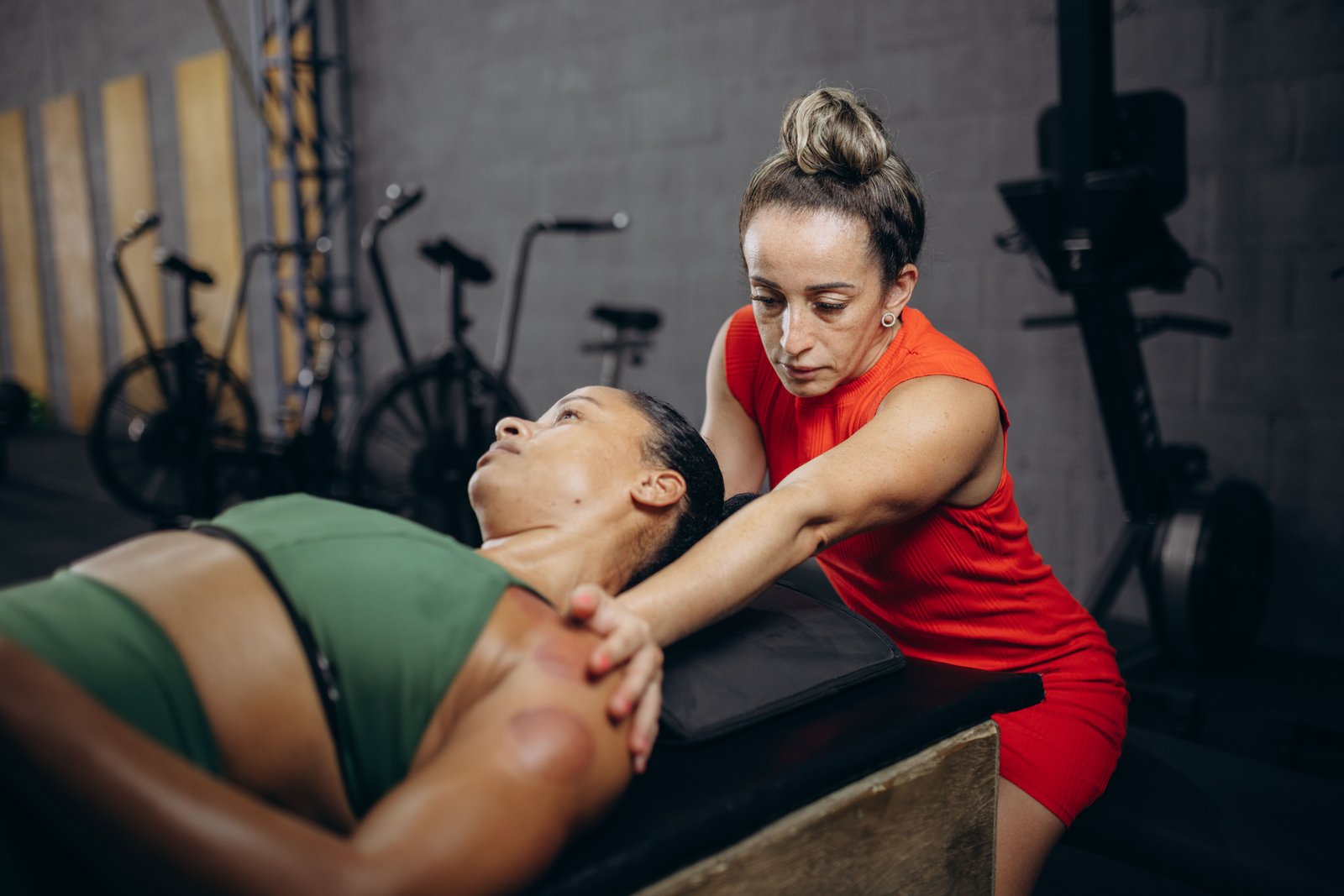
11. Build a Post-Workout Recovery Routine
Creating a consistent post-workout ritual can make recovery easier.
A simple routine might look like this:
Step 1: Cool down
Spend several minutes walking or performing gentle movement after intense exercise.
Step 2: Hydrate
Replace fluids lost during training.
Step 3: Eat
Have a balanced meal or snack containing protein and carbohydrates.
Step 4: Relax
Use breathing exercises or a short relaxation practice.
Step 5: Mobility
Perform gentle mobility work if it feels comfortable.
Step 6: Sleep
Prioritize adequate nighttime recovery.
This routine combines modern sports-recovery principles with the holistic mindset of Ayurvedic muscle recovery.
12. Use Warmth Wisely
Warm baths and warm showers can feel soothing after demanding training.
Warmth may encourage relaxation and temporarily reduce the perception of muscle tightness.
A simple evening recovery ritual can include:
- Warm shower or bath
- Gentle self-massage
- Slow breathing
- Light stretching
- Relaxation
- Consistent bedtime
However, avoid excessive heat if you are dehydrated, dizzy, acutely ill, or otherwise unwell.
Recovery should always be comfortable and appropriate to your condition.
13. Reduce Stress to Improve Recovery
Physical training is only one type of stress.
Work pressure, poor sleep, emotional stress, excessive screen exposure, travel, and inadequate nutrition can all affect how recovered you feel.
If your lifestyle is already stressful, adding intense workouts every day may increase your overall burden.
This is why Ayurvedic muscle recovery takes a broader view.
Recovery involves the whole person.
Try incorporating:
- Meditation
- Deep breathing
- Time outdoors
- Gentle walks
- Relaxing music
- Digital breaks
- Social connection
- Consistent sleep
Even five to ten minutes of quiet breathing can become a useful transition between a stressful day and bedtime.
14. Morning Routine for Better Recovery
Your recovery does not begin after your workout.
It begins when you wake up.
A simple morning routine may include:
- Drinking water
- Gentle mobility
- Sunlight exposure
- A nutritious breakfast
- Light breathing
- Planning your day’s activity
Ayurvedic tradition places significant emphasis on Dinacharya, or daily routine.
The modern interpretation is straightforward:
Create consistent habits that support your body rather than constantly changing your schedule.
Consistency is one of the most underrated components of recovery.
15. Evening Routine for Muscle Recovery
Evening is an opportunity to transition from activity to restoration.
A simple Ayurvedic-inspired evening routine could include:
60–90 minutes before bed:
- Finish demanding exercise.
- Eat an appropriate dinner.
- Reduce unnecessary screen stimulation.
- Take a warm shower.
- Practice gentle stretching.
- Perform breathing exercises.
- Prepare for sleep.
The objective is to create a predictable signal that the active portion of the day is ending.
Over time, this consistency can support better sleep habits.
16. Protein and Ayurveda: Can They Work Together?
Yes.
There is sometimes a misconception that following Ayurveda requires avoiding modern sports nutrition.
That is unnecessary.
Athletes need sufficient protein to support muscle maintenance and adaptation.
Protein sources can be selected according to individual dietary preferences and tolerance.
Vegetarian options include:
- Lentils
- Chickpeas
- Beans
- Paneer
- Greek yogurt
- Milk
- Tofu
- Tempeh
- Soy products
- Nuts and seeds
Non-vegetarian options include:
- Eggs
- Fish
- Chicken
- Lean meats
The key is not choosing between Ayurveda and sports nutrition.
It is integrating appropriate nutrition into a broader recovery lifestyle.
17. Ayurvedic Muscle Recovery for Strength Athletes
Strength athletes place considerable stress on muscles and connective tissues.
Heavy squats, deadlifts, presses, rows, and other compound movements can create substantial training fatigue.
A strength athlete’s recovery strategy should include:
- Adequate protein
- Sufficient calories
- Carbohydrate availability
- Hydration
- Sleep
- Rest days
- Mobility
- Appropriate training volume
An Ayurvedic-inspired approach can additionally incorporate:
- Gentle oil massage
- Relaxation practices
- Regular meal timing
- Mindful breathing
- Consistent sleep routines
- Individualized lifestyle practices
The combination can make Ayurvedic muscle recovery a useful complementary wellness framework.
18. Ayurvedic Muscle Recovery for Runners
Running creates repetitive mechanical stress.
Distance runners may particularly benefit from paying attention to recovery because training volume can accumulate quickly.
Important strategies include:
- Gradually increasing mileage
- Wearing appropriate footwear
- Strength training
- Adequate nutrition
- Hydration
- Mobility
- Rest
- Sleep
An Ayurvedic recovery routine may include gentle massage, warm bathing, yoga, breathing exercises, and nourishing meals.
The goal is to support the entire body rather than focusing only on sore muscles.
19. Ayurvedic Muscle Recovery for Busy Professionals
You do not need to spend hours recovering.
Busy professionals can create short recovery rituals.
10-minute morning routine
- 2 minutes breathing
- 3 minutes mobility
- 5 minutes walking
Post-workout
- Hydration
- Protein-rich meal
- Five minutes gentle stretching
Evening
- Warm shower
- Five minutes breathing
- Reduced screen exposure
- Consistent bedtime
Small habits performed consistently can be more valuable than complicated recovery protocols performed occasionally.
20. Common Ayurvedic Muscle Recovery Mistakes
Even traditional wellness practices can be misused.
Mistake 1: Thinking herbs replace sleep
They do not.
Mistake 2: Using excessive massage pressure
More pressure is not necessarily better.
Mistake 3: Training through serious pain
Pain should not automatically be ignored.
Mistake 4: Undereating
Insufficient energy availability can compromise training and recovery.
Mistake 5: Ignoring protein
Athletes need appropriate protein intake.
Mistake 6: Overusing supplements
More supplements do not necessarily mean better results.
Mistake 7: Following generic dosha advice blindly
Individual needs differ.
Mistake 8: Treating Ayurveda as a substitute for medicine
Traditional wellness practices should complement appropriate medical care.
21. How to Create Your Own Ayurvedic Muscle Recovery Plan
A personalized recovery plan can be surprisingly simple.
Morning
Start with hydration and gentle movement.
Spend a few minutes mobilizing the joints and getting the body moving.
Before Training
Eat an appropriate meal or snack based on the timing and intensity of your workout.
Hydrate adequately.
Perform a dynamic warm-up.
During Training
Focus on technique.
Avoid unnecessary volume.
Take appropriate rest intervals.
After Training
Cool down.
Hydrate.
Consume a balanced recovery meal.
Use gentle mobility if comfortable.
Evening
Eat a nourishing dinner.
Reduce stimulation.
Try breathing or meditation.
Take a warm shower if relaxing.
Go to bed at a consistent time.
This basic framework can form the foundation of Ayurvedic muscle recovery.
22. A 7-Day Ayurvedic Muscle Recovery Routine
Here is a simple example.
Day 1 – Strength
Perform your main strength workout.
Afterward:
- Hydrate
- Eat a protein-rich meal
- Walk for 5–10 minutes
- Perform gentle mobility
Day 2 – Active Recovery
Choose:
- Walking
- Gentle yoga
- Mobility exercises
Keep intensity low.
Day 3 – Strength
Perform another structured workout.
Focus on technique and controlled progression.
Day 4 – Restoration
Prioritize:
- Sleep
- Hydration
- Gentle movement
- Relaxation
- Optional self-massage
Day 5 – Strength
Train according to your program.
Follow your usual post-workout nutrition strategy.
Day 6 – Light Activity
Choose an enjoyable low-intensity activity.
Walking, cycling, swimming, or gentle yoga can work.
Day 7 – Rest
Take a genuine break from demanding training.
Focus on sleep, nutrition, relaxation, and preparation for the next week.
23. The Role of Consistency in Ayurvedic Muscle Recovery
One of the biggest lessons from Ayurveda is the importance of routine.
Recovery is not something you should think about only when you become sore.
It should be built into your lifestyle.
Instead of asking:
“How can I recover quickly today?”
Ask:
“How can I create a lifestyle that supports recovery every day?”
That change in perspective can make a major difference.
Your sleep schedule, nutrition, training volume, stress management, hydration, and relaxation habits all work together.
This is the deeper value of Ayurvedic muscle recovery.
24. When Muscle Soreness May Need Medical Attention
Not all pain is normal post-workout soreness.
Seek medical evaluation if you experience:
- Severe or worsening pain
- Major swelling
- Significant weakness
- Loss of function
- Joint instability
- Numbness
- Persistent pain
- Severe bruising
- Dark-colored urine following extreme exercise
- Symptoms that do not improve with rest
Serious symptoms should not be self-treated with massage, herbs, or exercise.
Professional assessment is important when an injury or medical problem is suspected.
25. Combining Ayurveda With Modern Sports Science
The strongest recovery strategy does not need to be either ancient or modern.
You can combine useful principles from both.
Modern sports science emphasizes:
- Progressive training
- Protein
- Carbohydrates
- Hydration
- Sleep
- Periodization
- Mobility
- Load management
Ayurvedic wellness emphasizes:
- Daily routines
- Balanced lifestyle
- Mindful eating
- Digestive health
- Massage
- Relaxation
- Individualized practices
- Mind-body awareness
Together, these ideas can create a comprehensive recovery lifestyle.
The goal is not to prove that one system is superior.
The goal is to use safe, evidence-informed strategies that support health and performance.
Frequently Asked Questions About Ayurvedic Muscle Recovery
What is the best Ayurvedic practice for muscle recovery?
There is no single best practice for everyone. Sleep, adequate nutrition, hydration, appropriate training volume, relaxation, and gentle self-care can all contribute to recovery. Massage and other traditional Ayurvedic practices may be useful complementary options.
Can Ayurveda reduce muscle soreness?
Some Ayurvedic practices, particularly massage, gentle movement, warmth, relaxation, and appropriate nutrition, may help with comfort and recovery. However, they should not be viewed as guaranteed treatments for muscle soreness.
Is Ashwagandha good for athletes?
Ashwagandha has been studied for potential effects related to stress, strength, exercise performance, and recovery. However, individual responses vary, and supplements can have contraindications or interactions. Consult a healthcare professional before using concentrated supplements.
Can I combine Ayurveda with strength training?
Yes. Ayurvedic lifestyle practices can complement a structured strength-training program. Adequate protein, calories, hydration, sleep, and progressive training remain essential.
How often should I use Ayurvedic massage?
There is no universal schedule. Gentle self-massage can be incorporated into a personal wellness routine if it feels comfortable and does not aggravate pain or injury.
Is Ayurvedic muscle recovery suitable for runners?
Many Ayurvedic wellness practices can complement running recovery, including gentle massage, mobility, yoga, relaxation, nutritious food, hydration, and adequate sleep.
Can Ayurvedic recovery help improve performance?
Recovery is essential for adapting to training. Ayurvedic practices may support relaxation, routine, sleep, and overall wellness, which can complement a well-designed training and nutrition program.
Final Thoughts: Make Recovery Part of Your Training
Fitness progress does not happen only during workouts.
It happens when the body has enough time, nutrition, sleep, and resources to adapt.
Ayurvedic muscle recovery offers a holistic framework for making that recovery process more intentional.
By combining appropriate exercise with nourishing food, adequate hydration, quality sleep, gentle movement, massage, stress management, and consistent daily routines, you can create a sustainable approach to physical performance.
The most important lesson is simple:
Do not train harder at the expense of recovering better.
Your body needs both challenge and restoration.
Instead of constantly searching for the newest recovery hack, build strong fundamentals first.
Sleep consistently.
Eat enough.
Get adequate protein.
Stay hydrated.
Manage training volume.
Move gently on recovery days.
Take time to relax.
Listen to your body.
And use traditional Ayurvedic practices thoughtfully as complementary tools rather than replacements for medical or sports-science guidance.
When these habits become part of your lifestyle, recovery stops being something you do only after a difficult workout.
It becomes part of how you train.
And that is where Ayurvedic muscle recovery can become a powerful component of a balanced, sustainable fitness lifestyle.